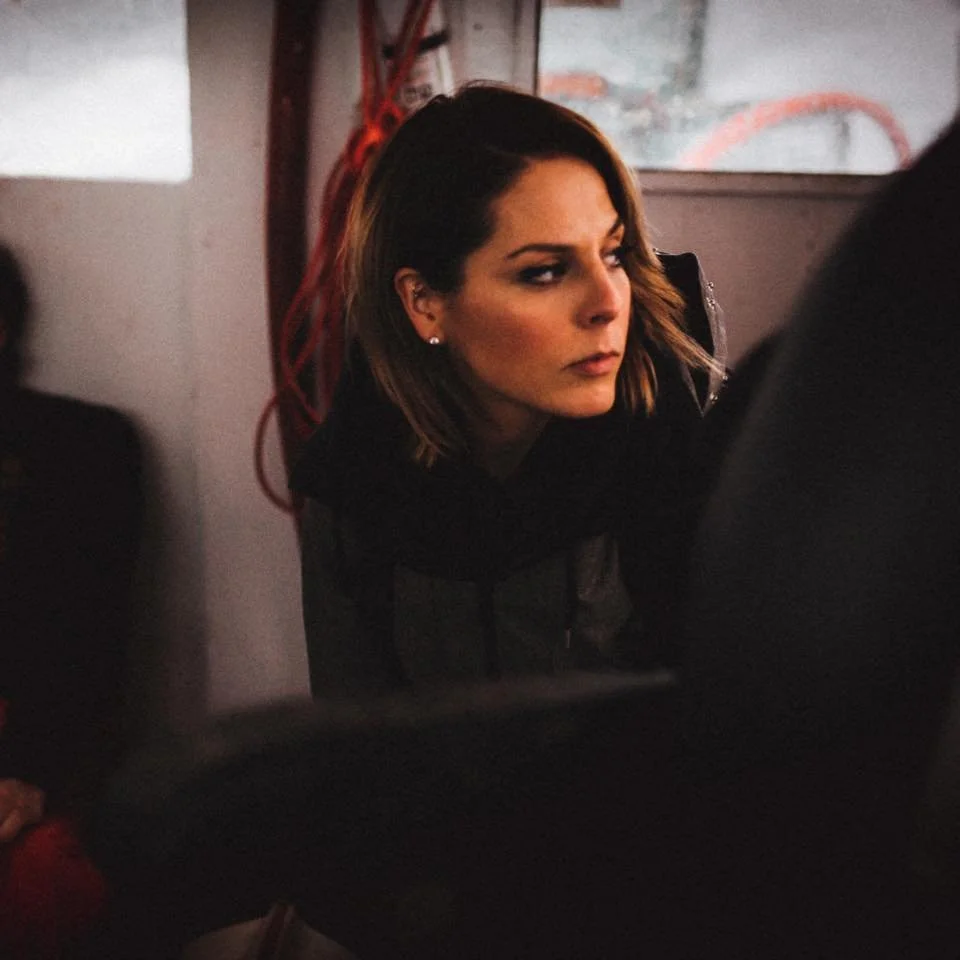
Southern Maine Personal Stylist Camille Bisson
Bold, Asymmetrical Studio Branding for a Southern Maine Personal Stylist with NYC Street Style Influence
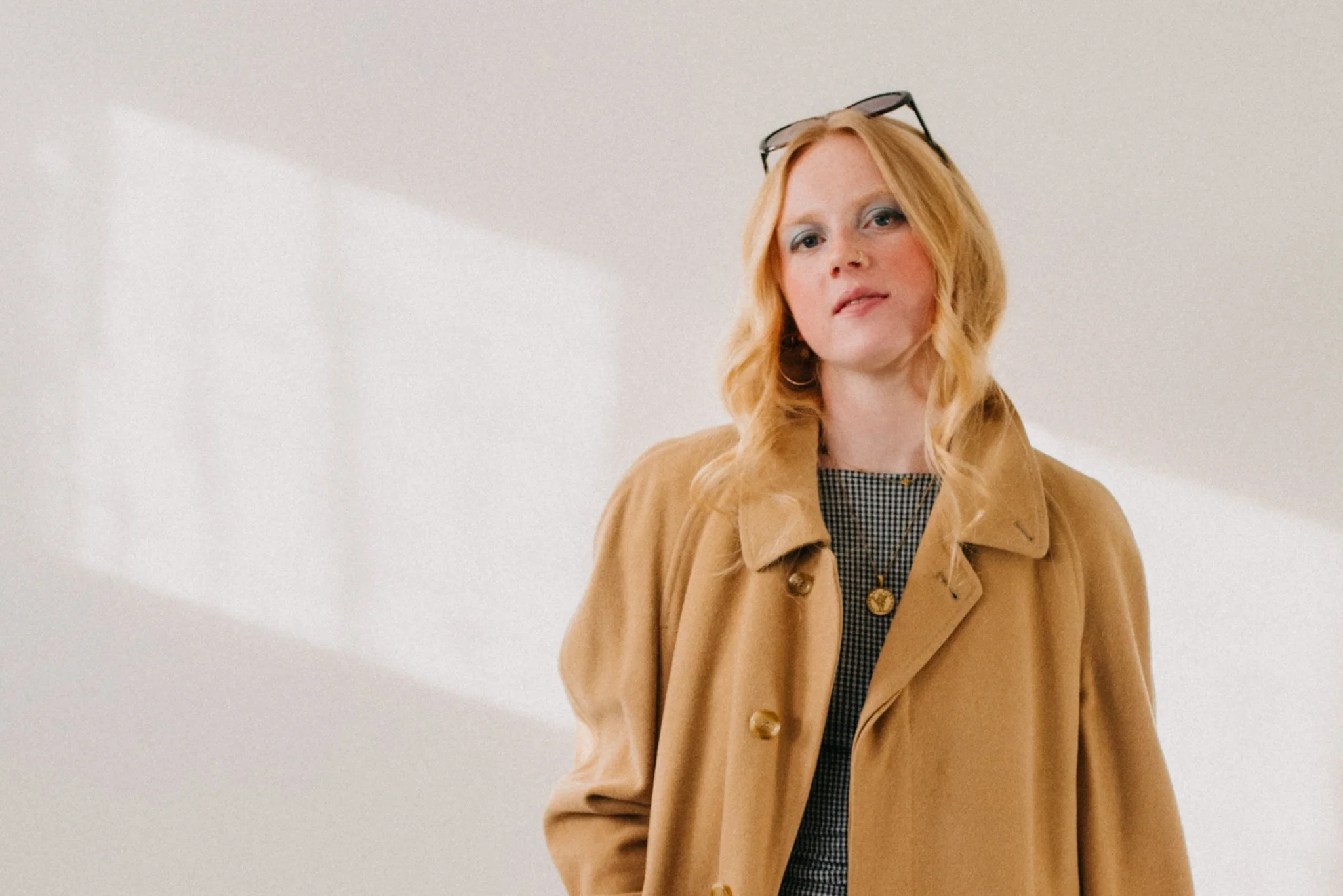
When a personal stylist hires a branding photographer, it is not about “nice headshots.” It is about authority. It is about credibility. It is about alignment between visual presence and professional impact. Furthermore, when a personal stylist serves young, fashion-forward women — grad students, post-grads, creative professionals, and women living in high-fashion cities like New York — her branding portraits cannot feel safe, predictable, or beige.
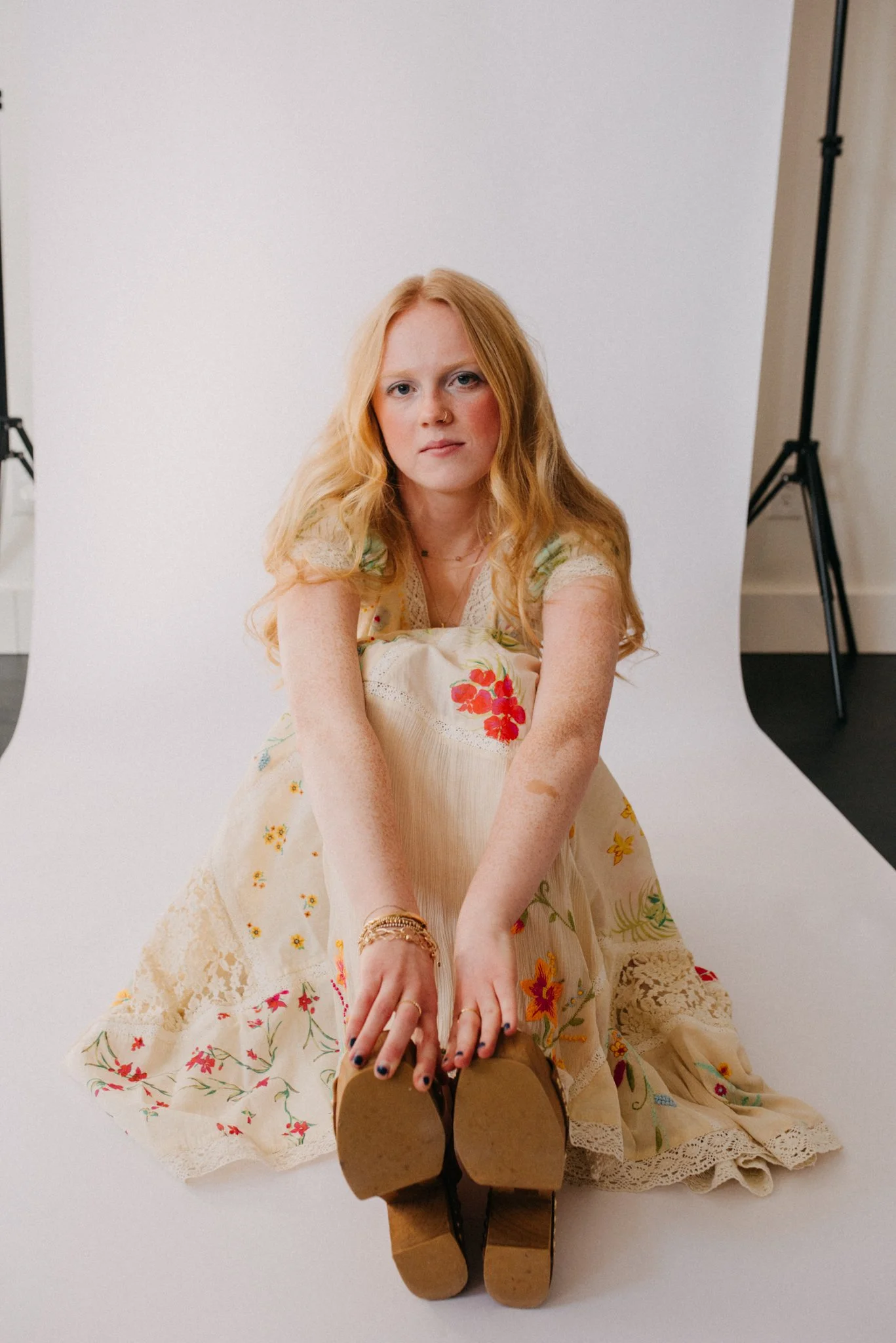
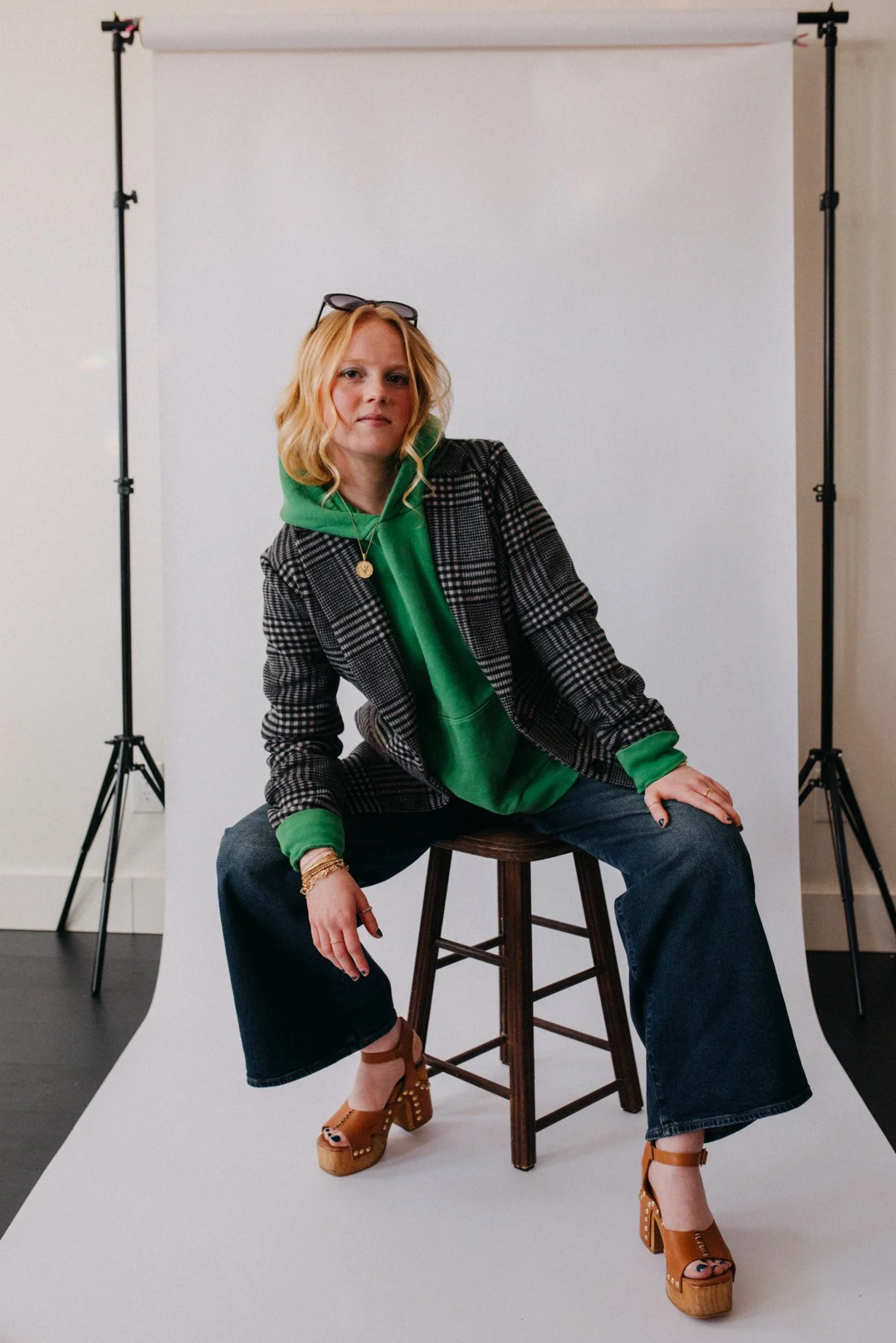
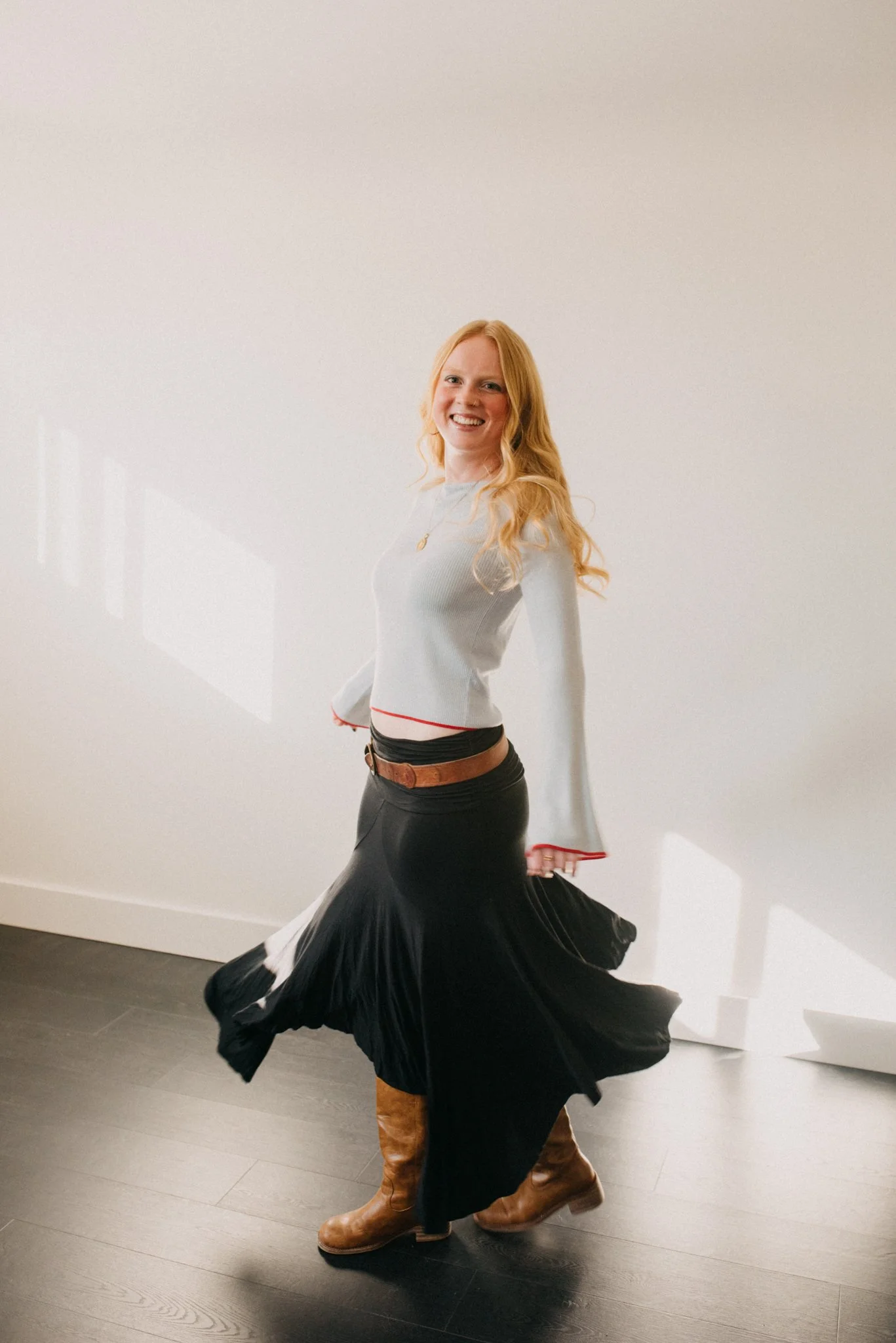
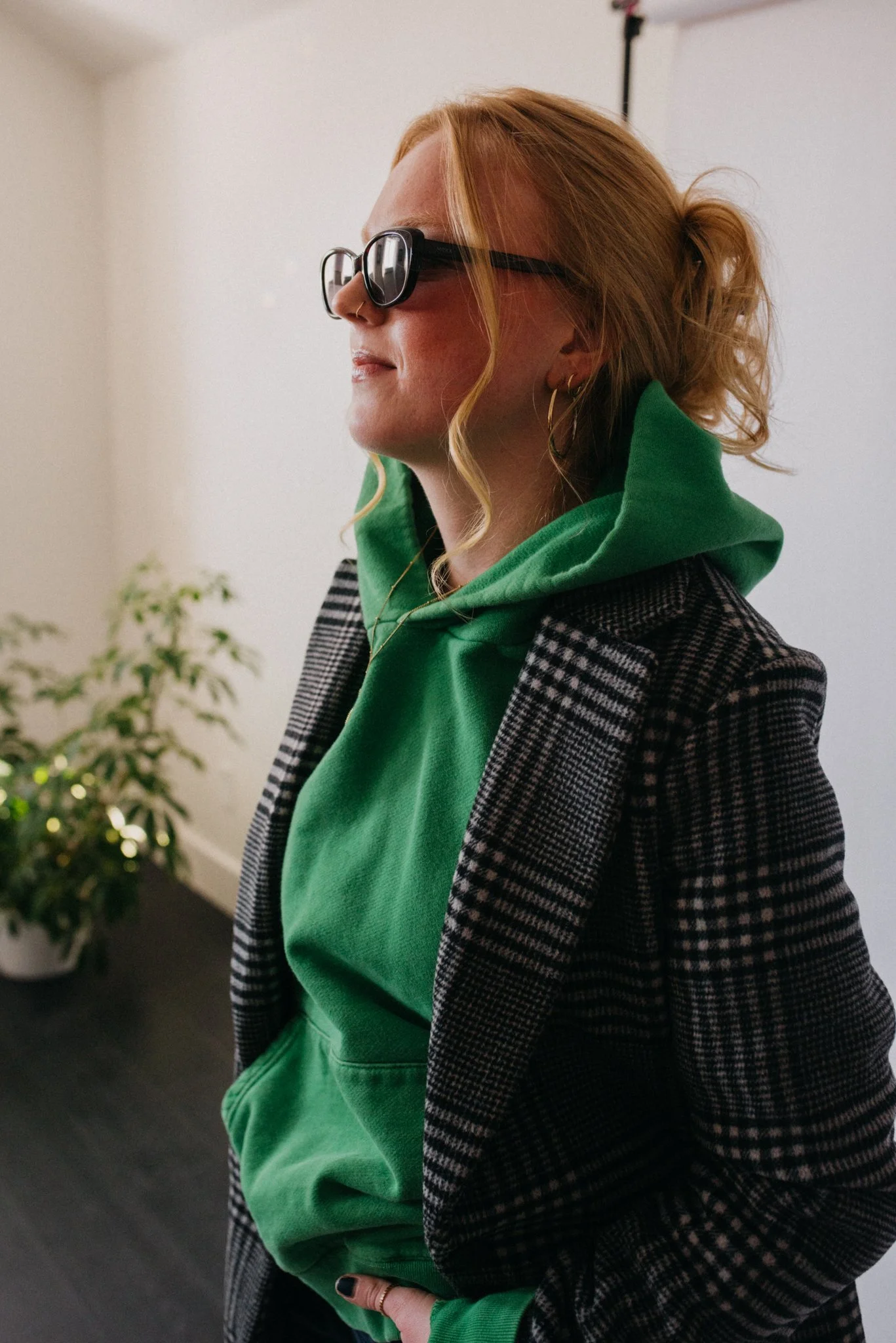
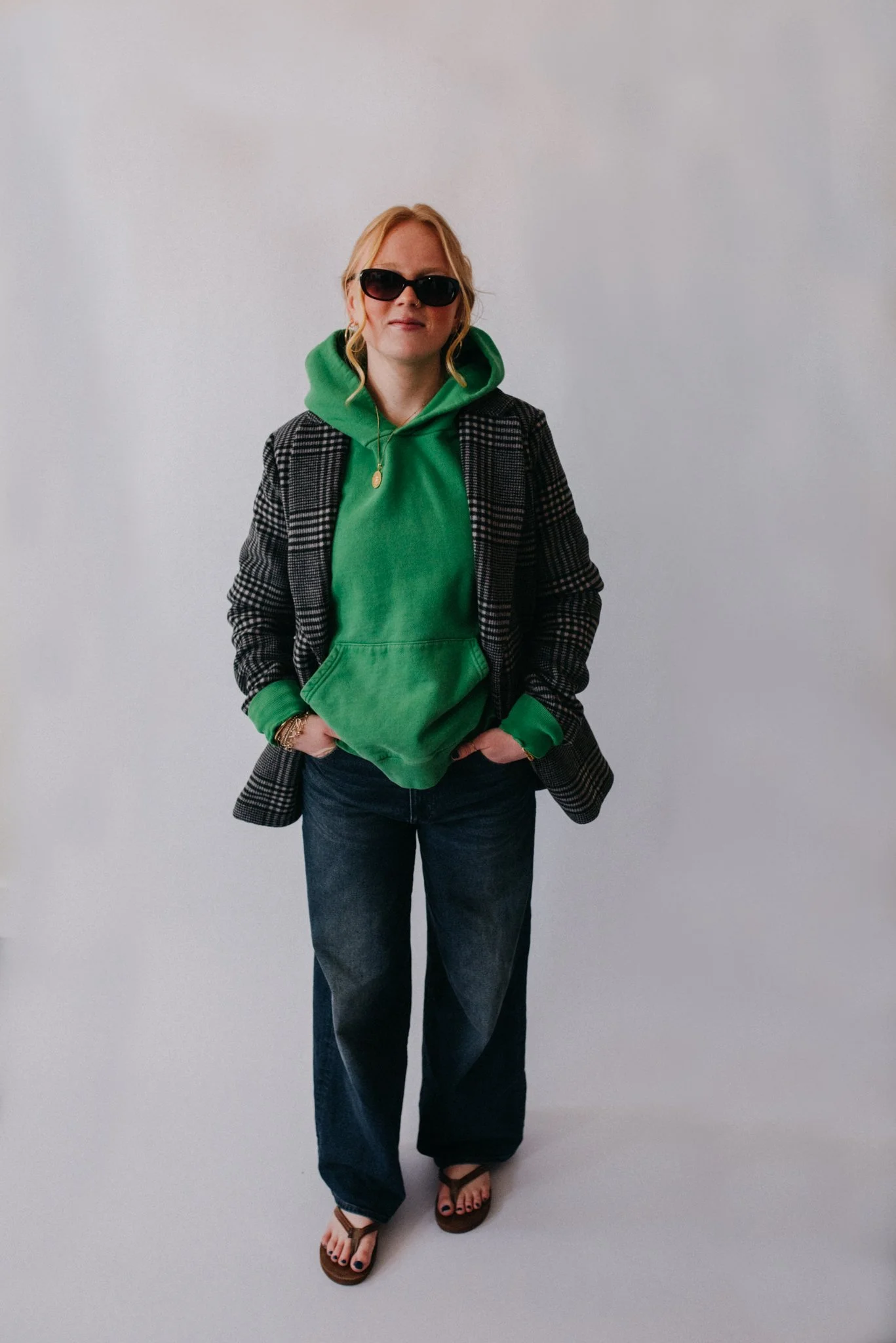
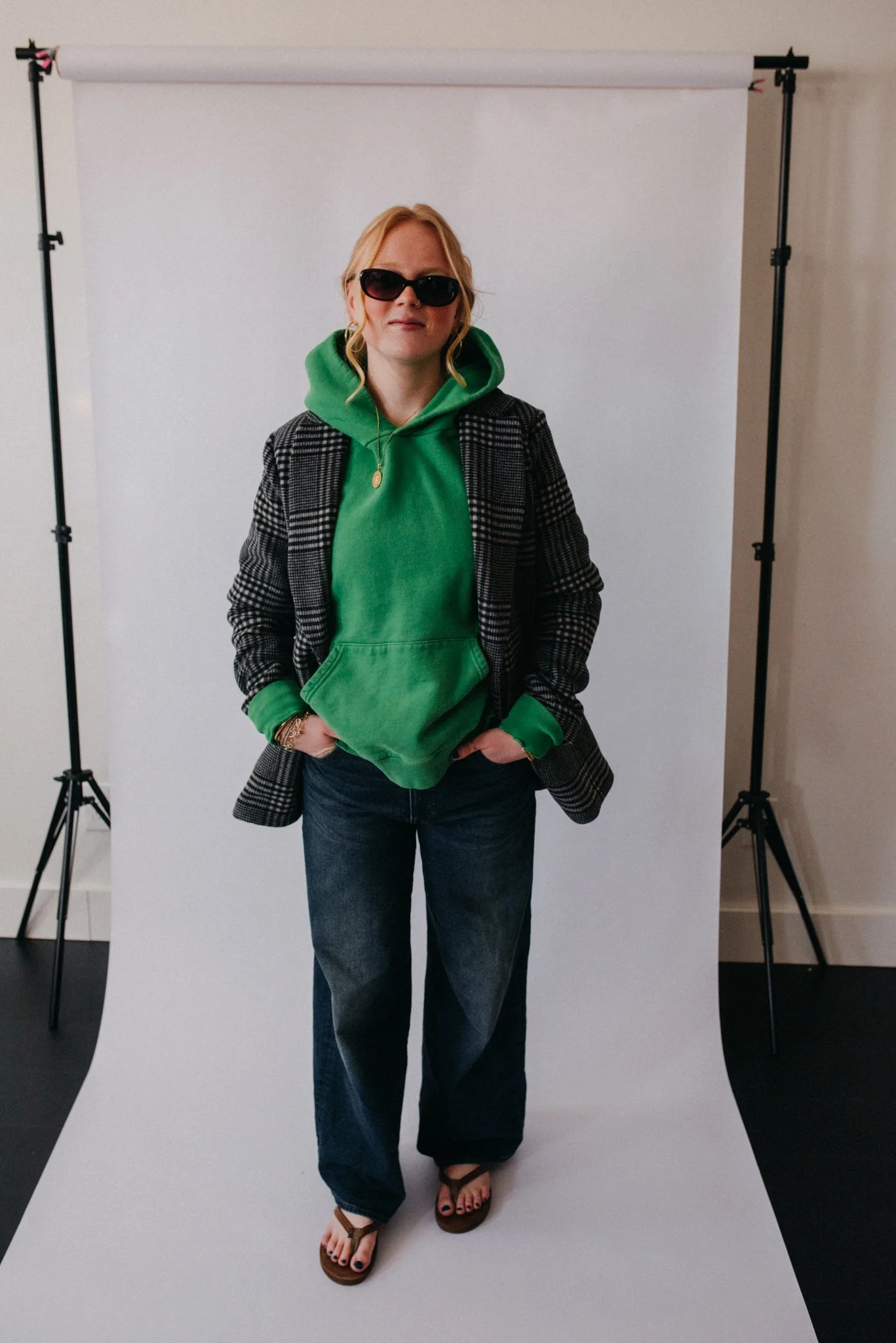
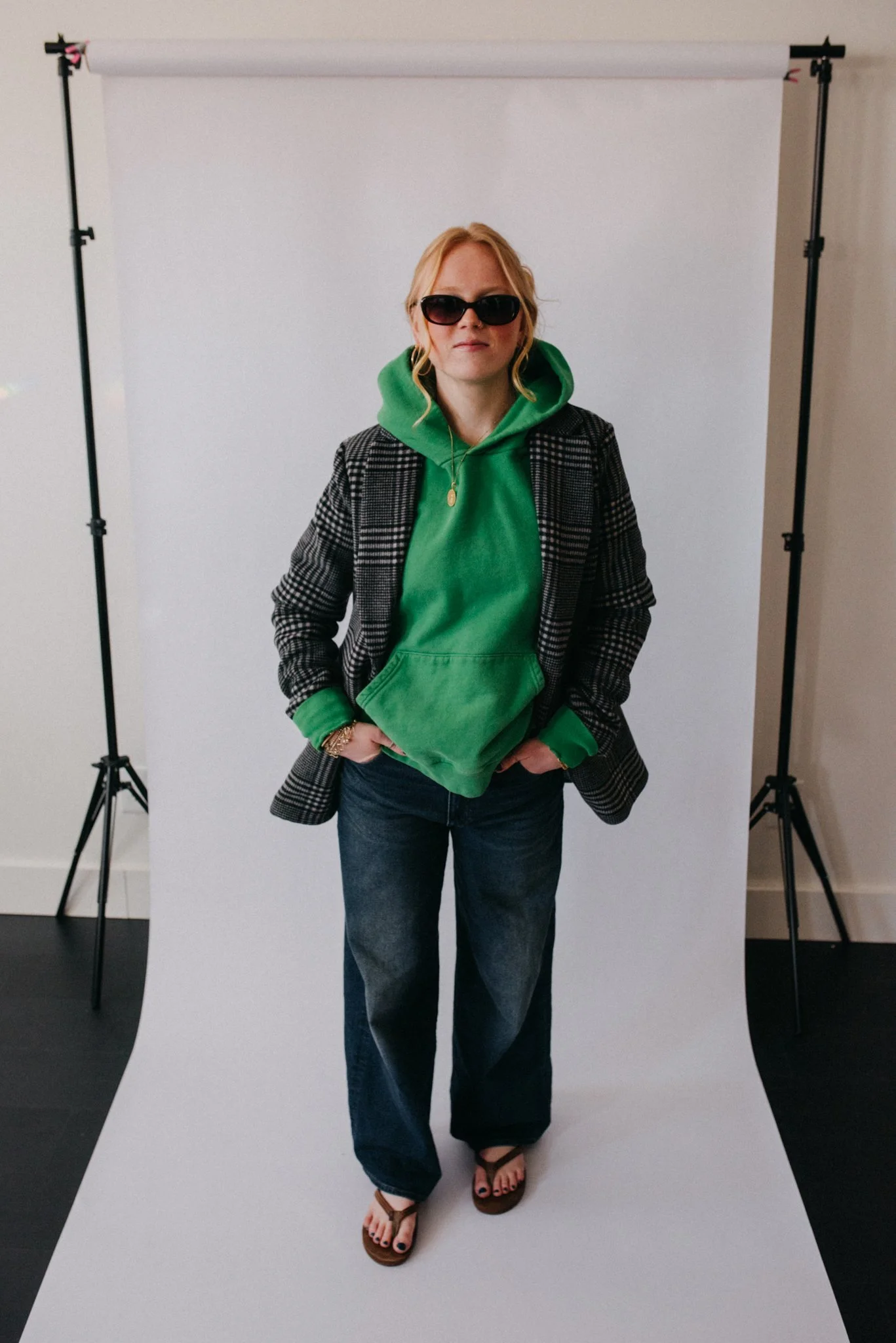
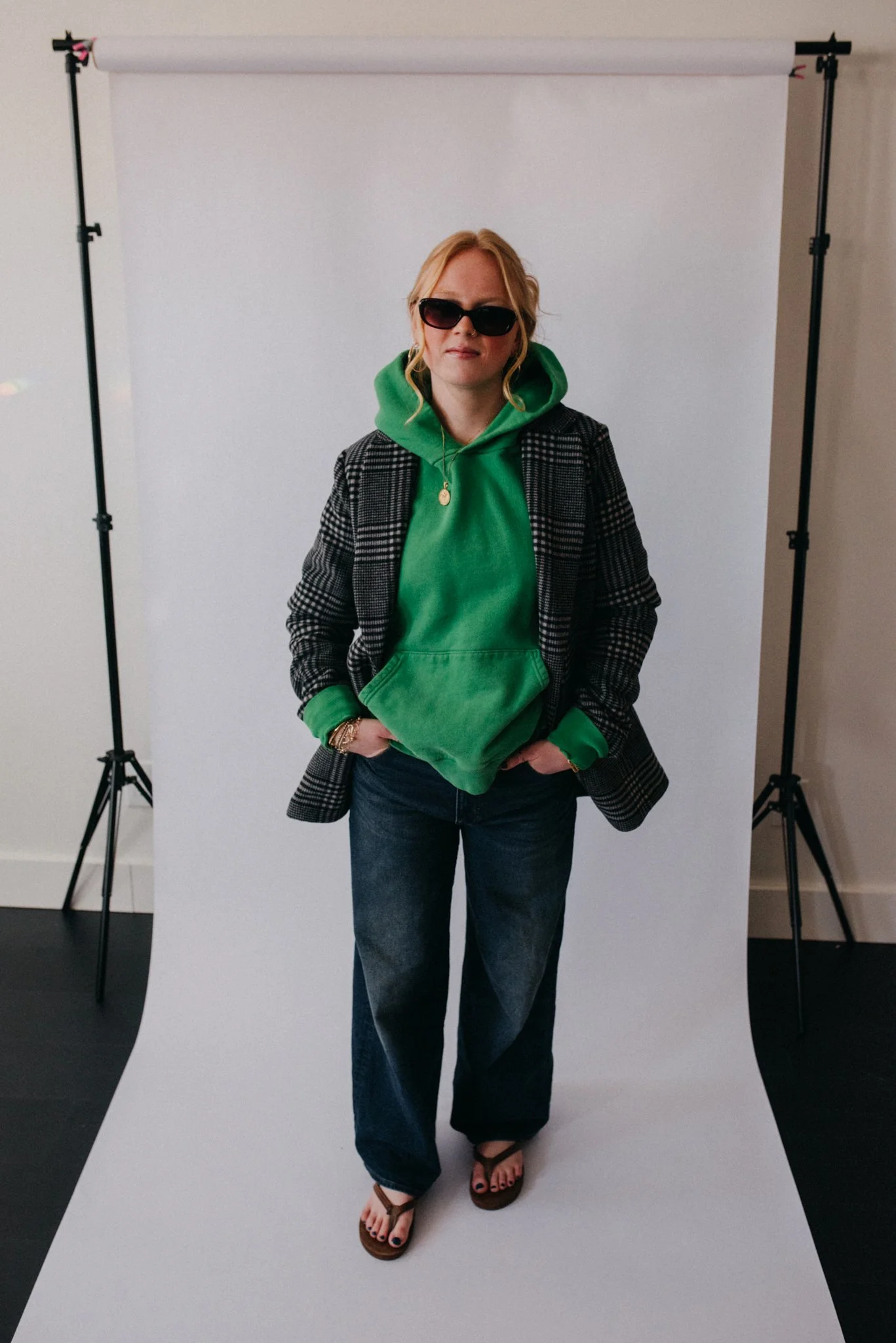
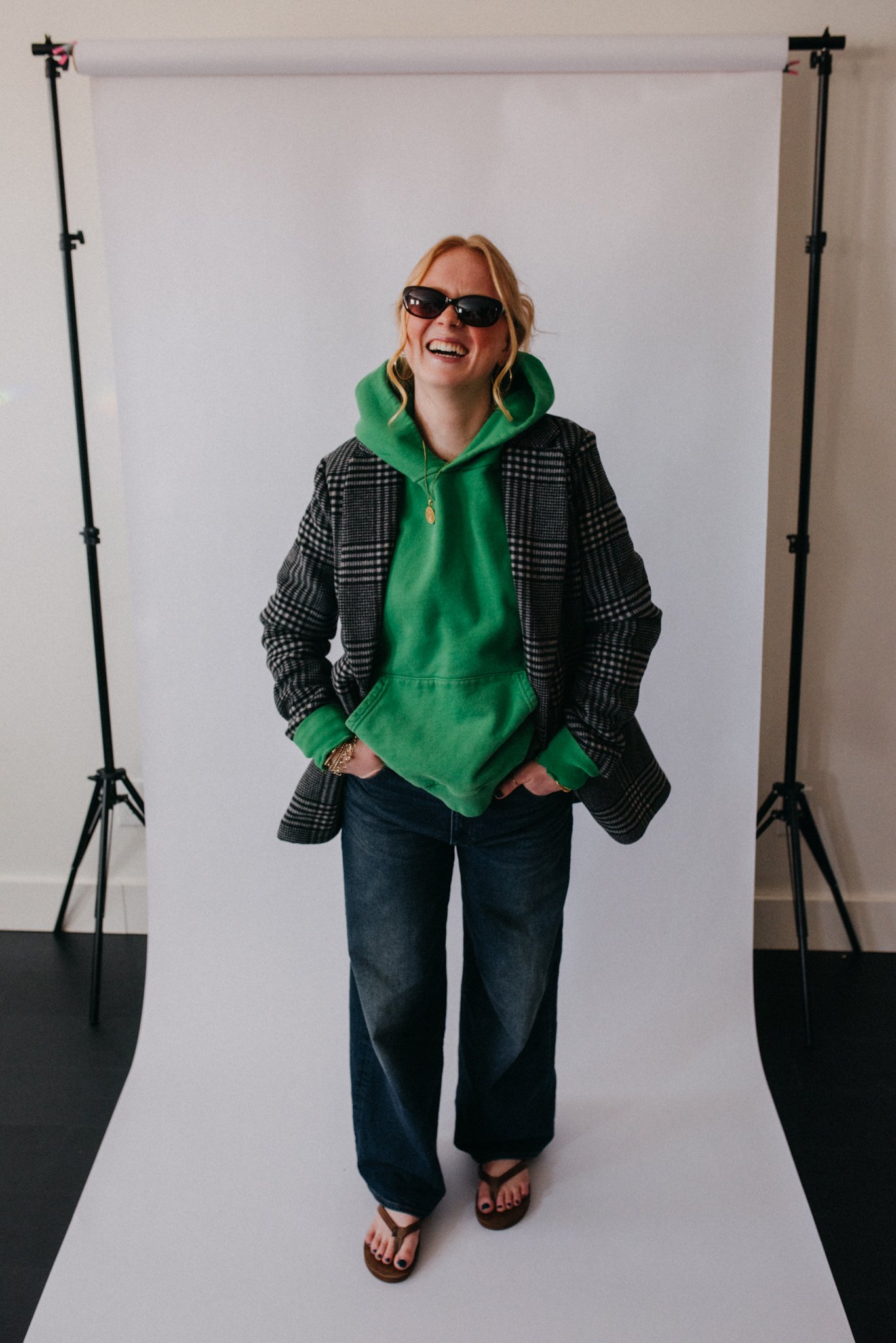
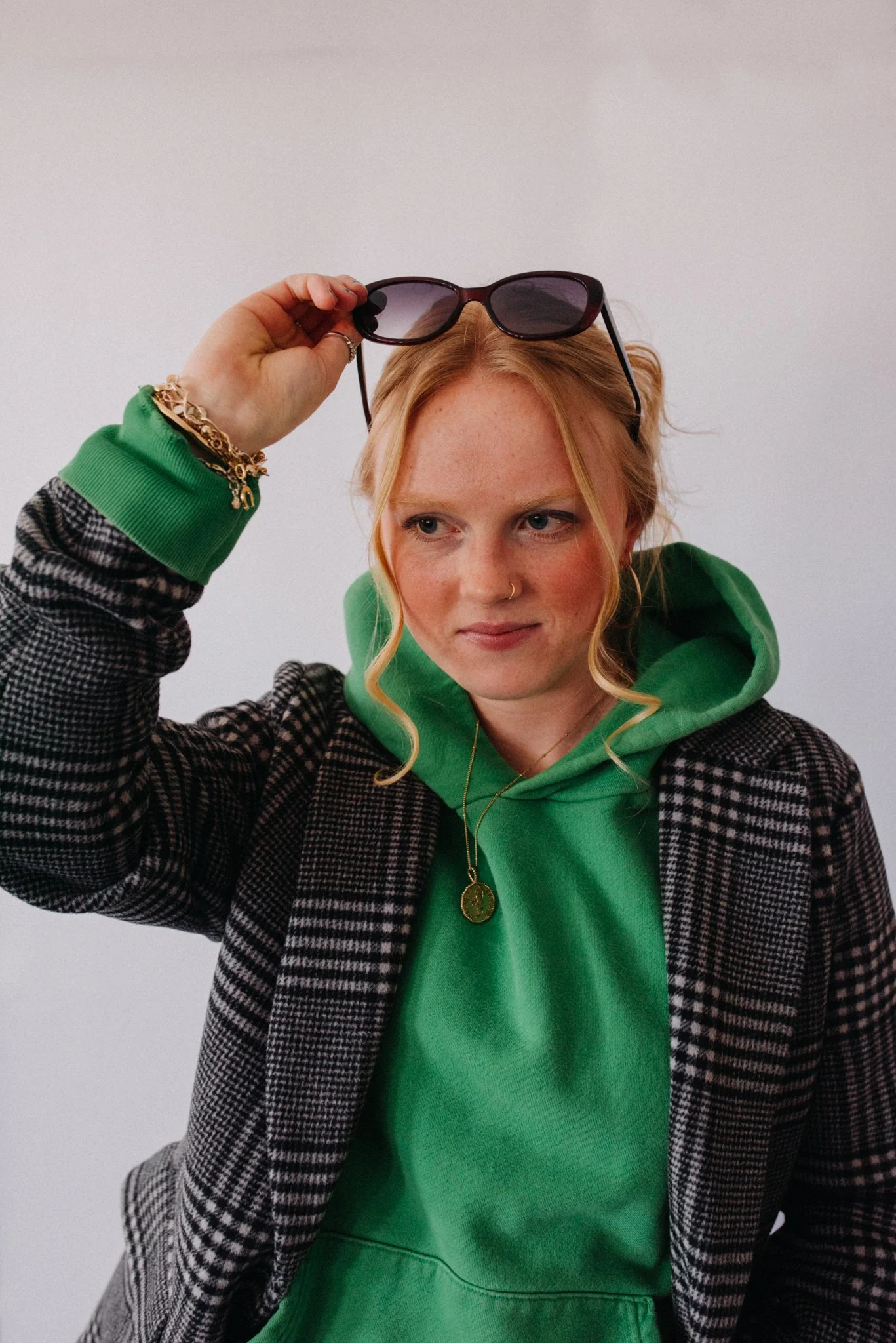
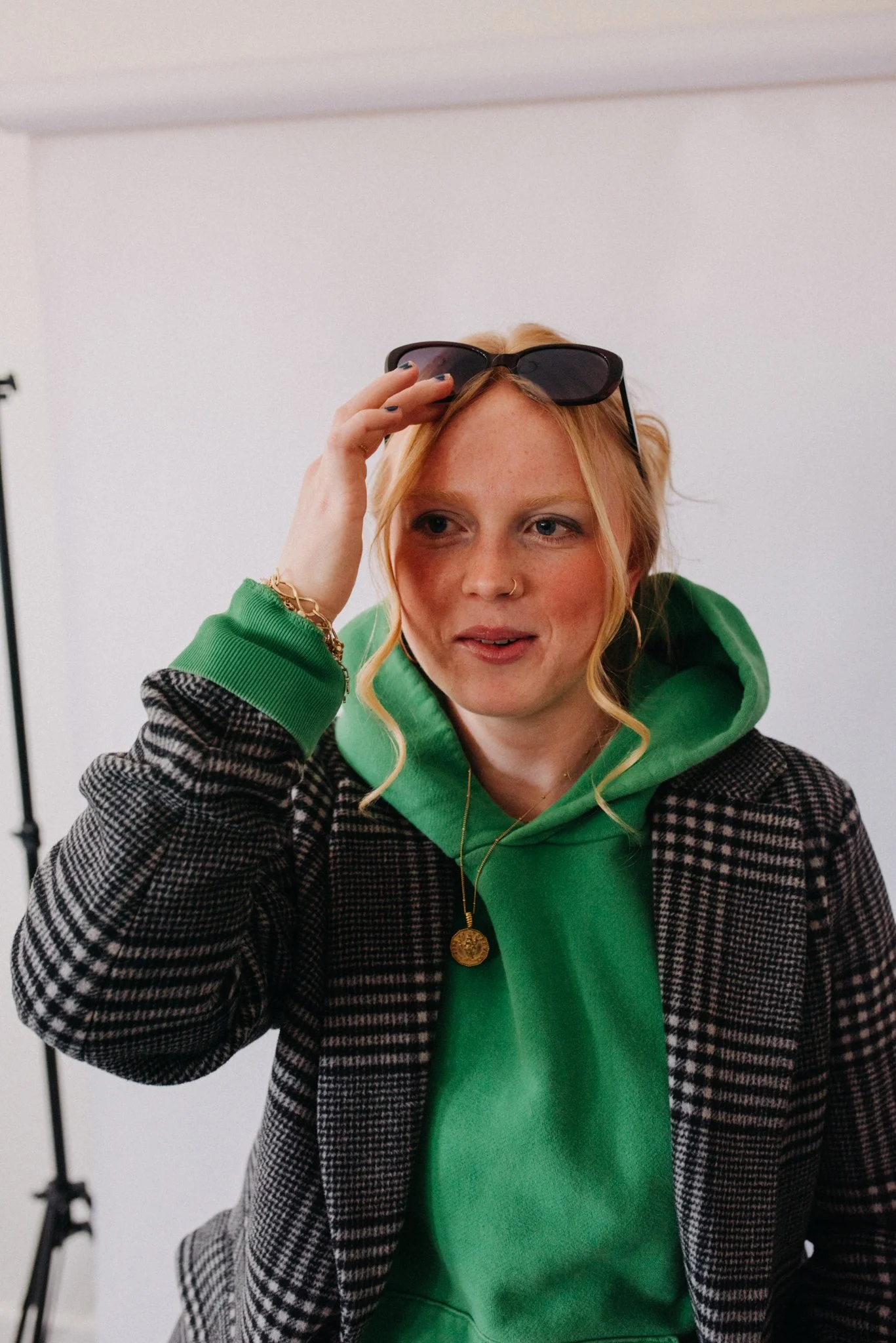
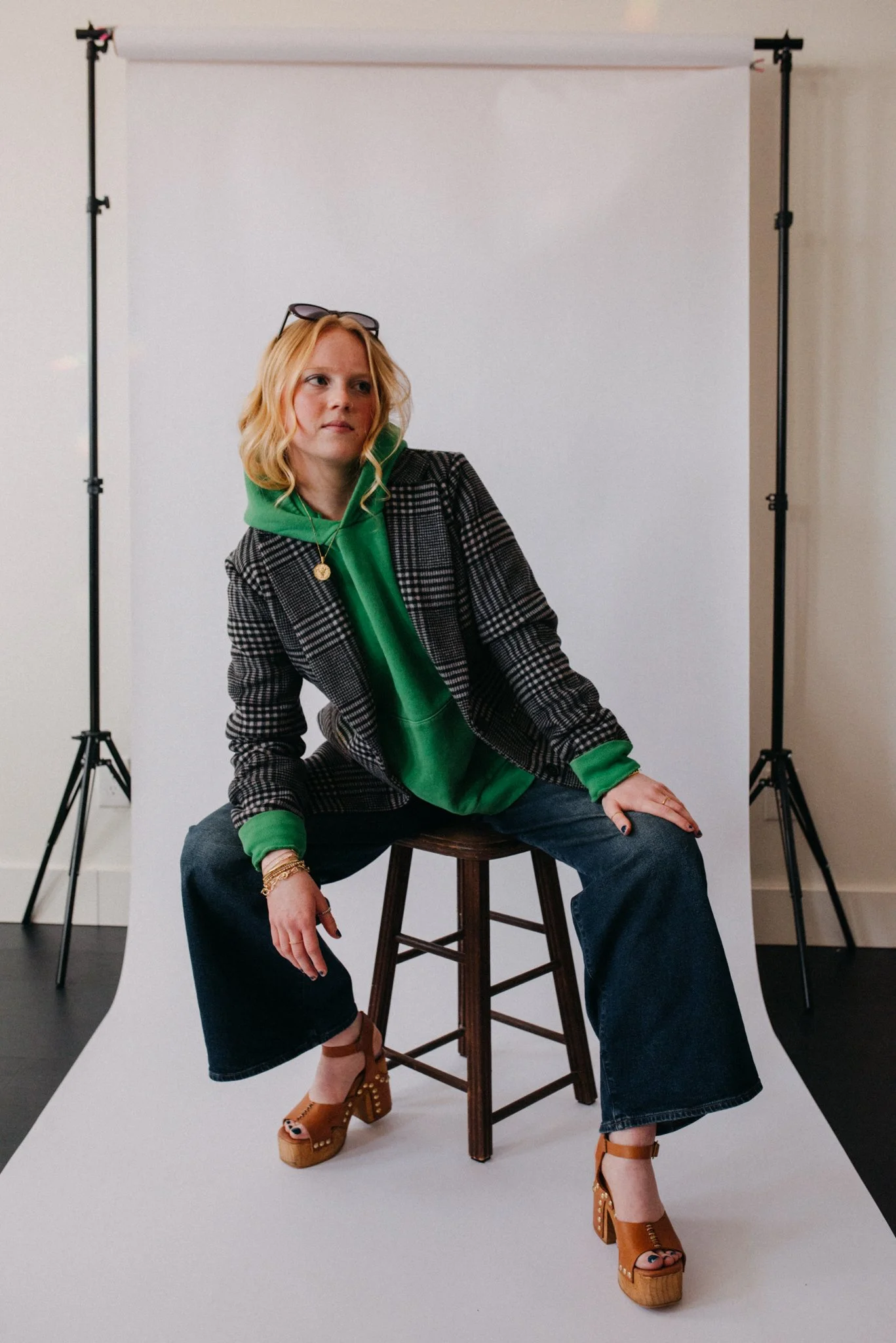
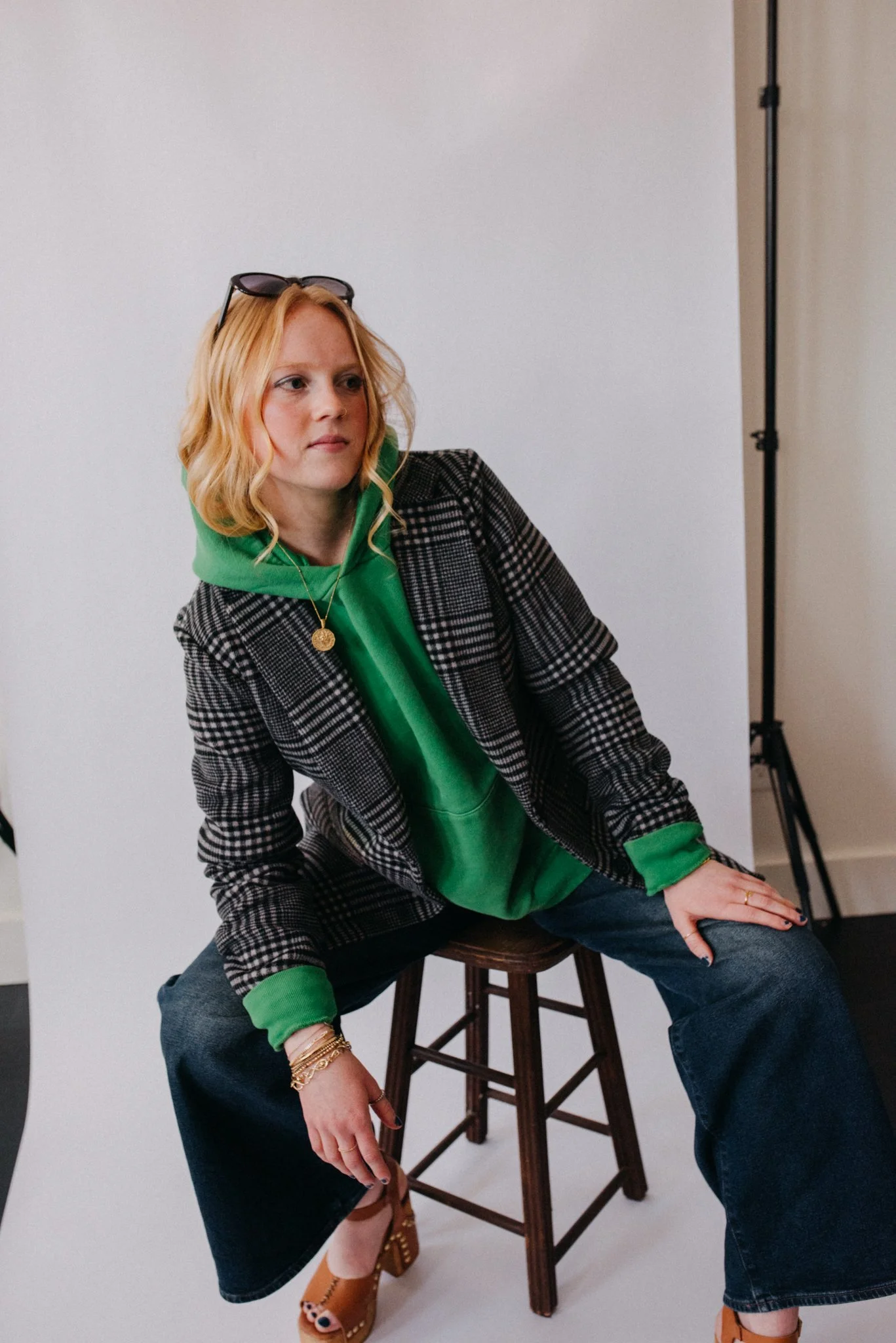
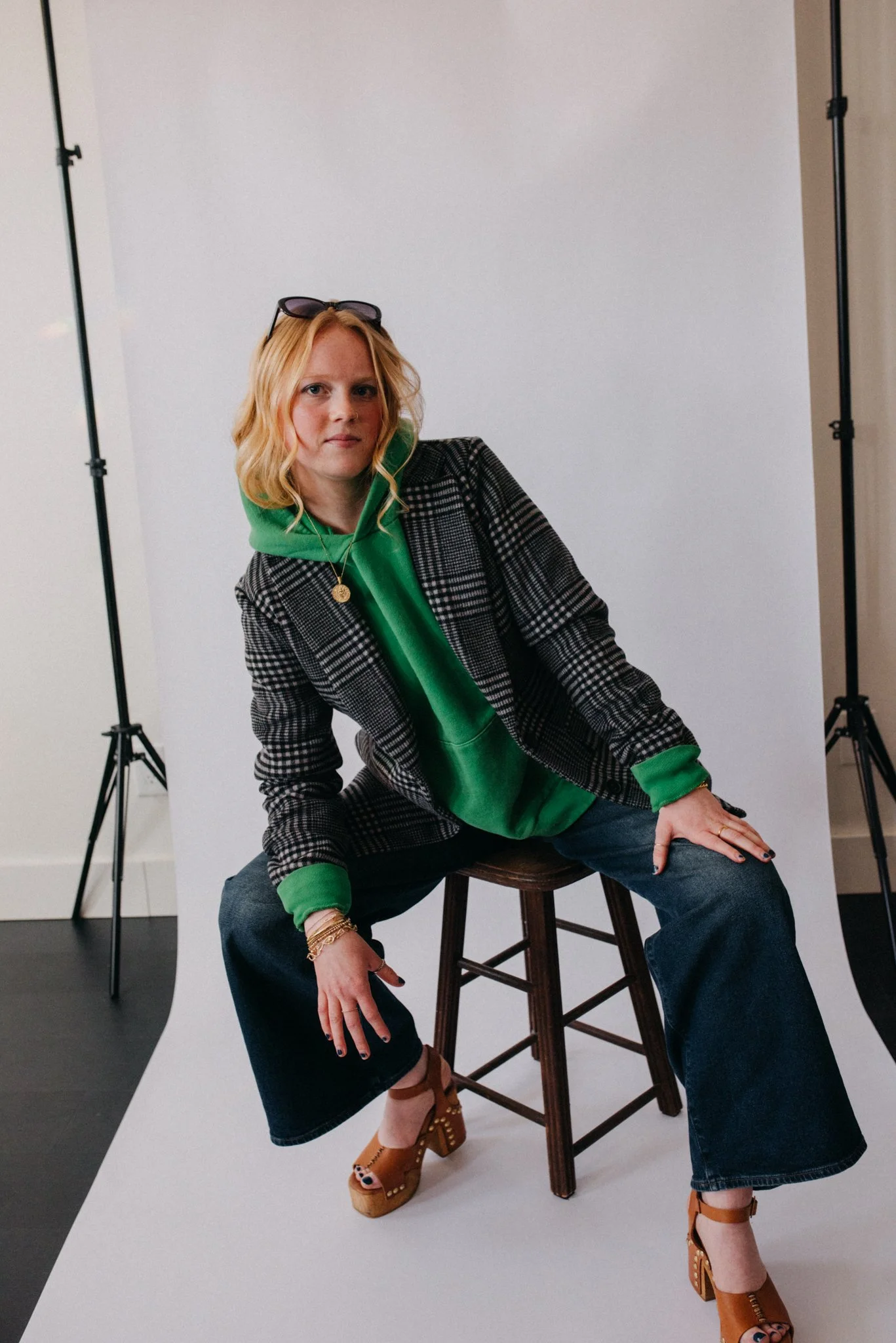
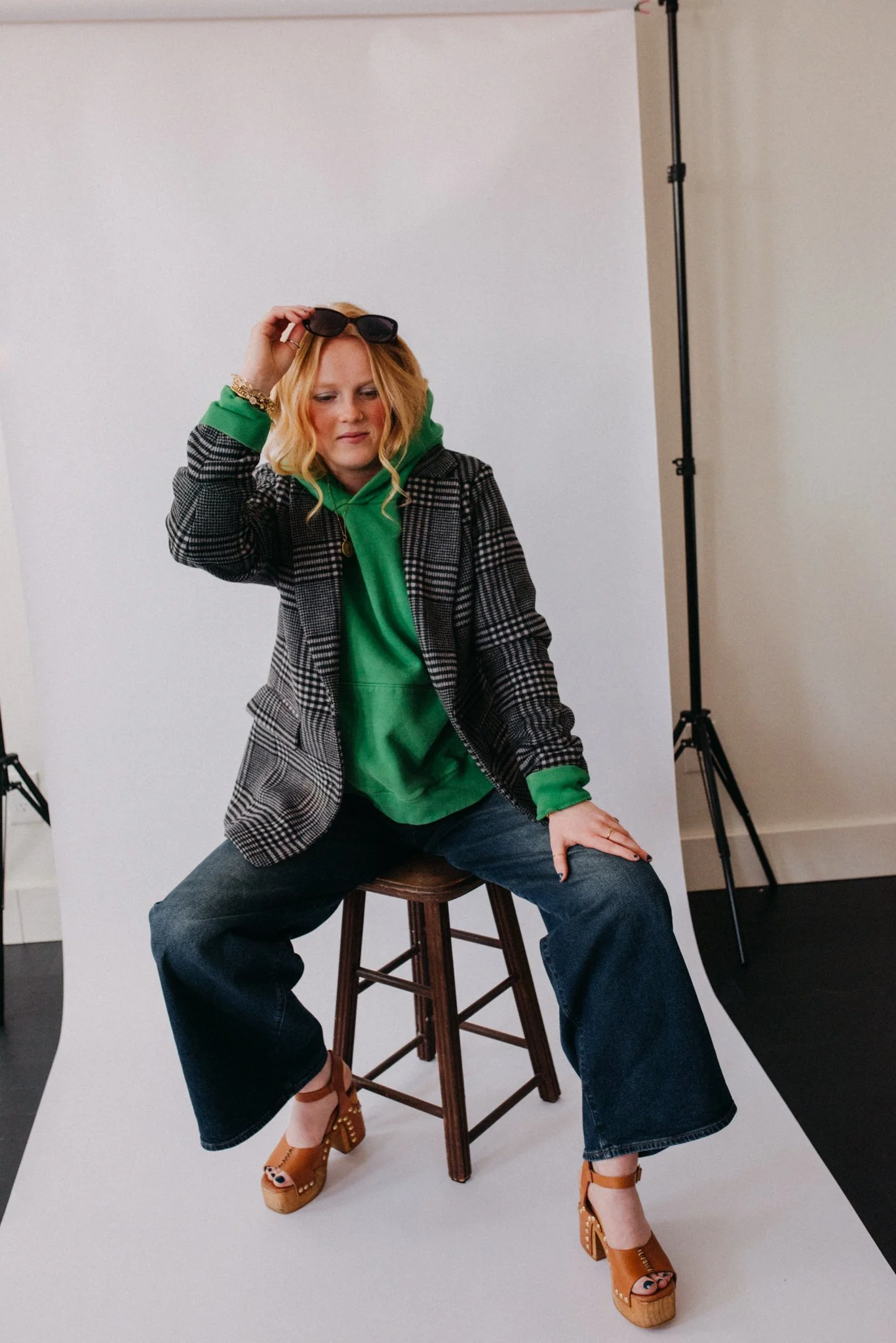
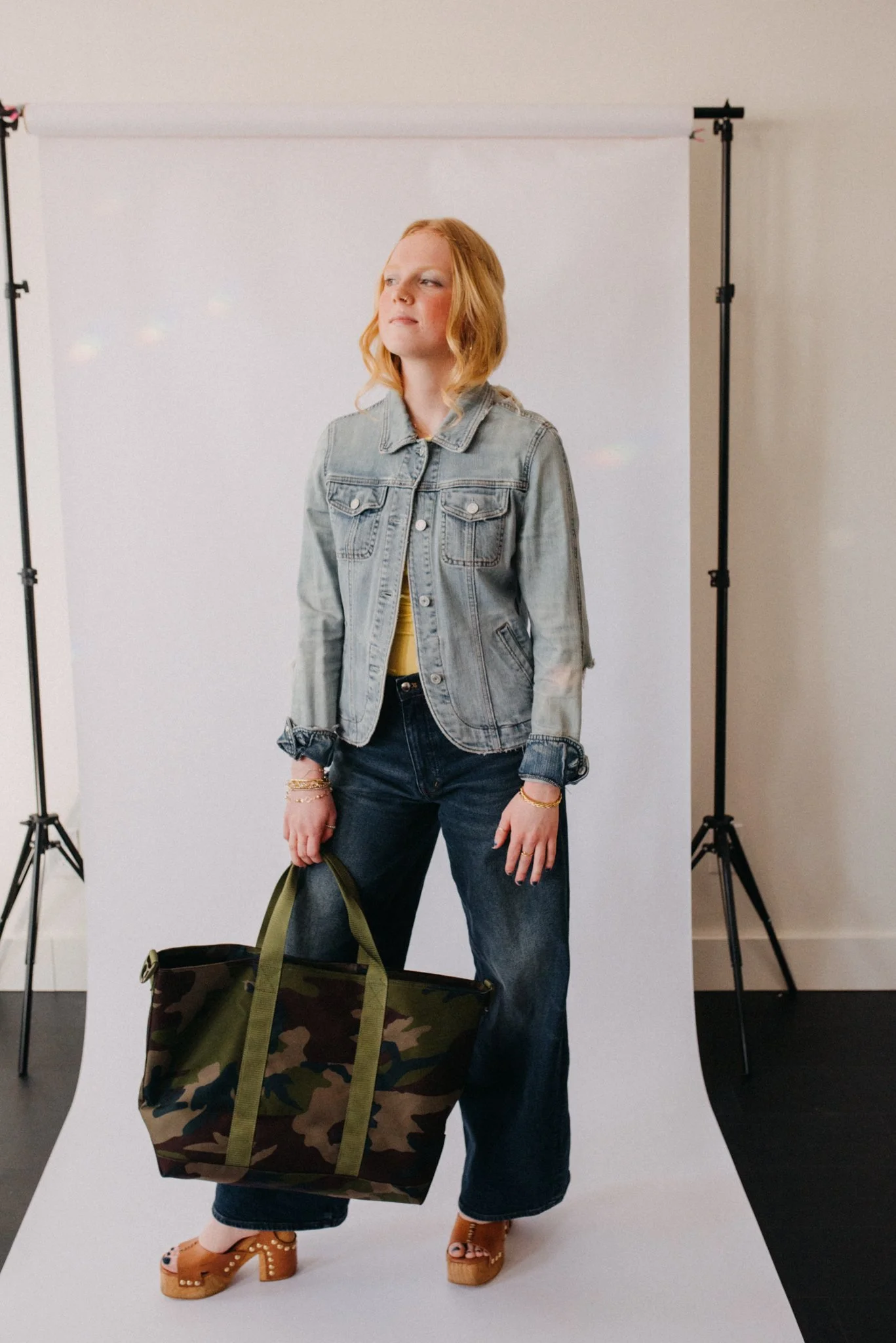
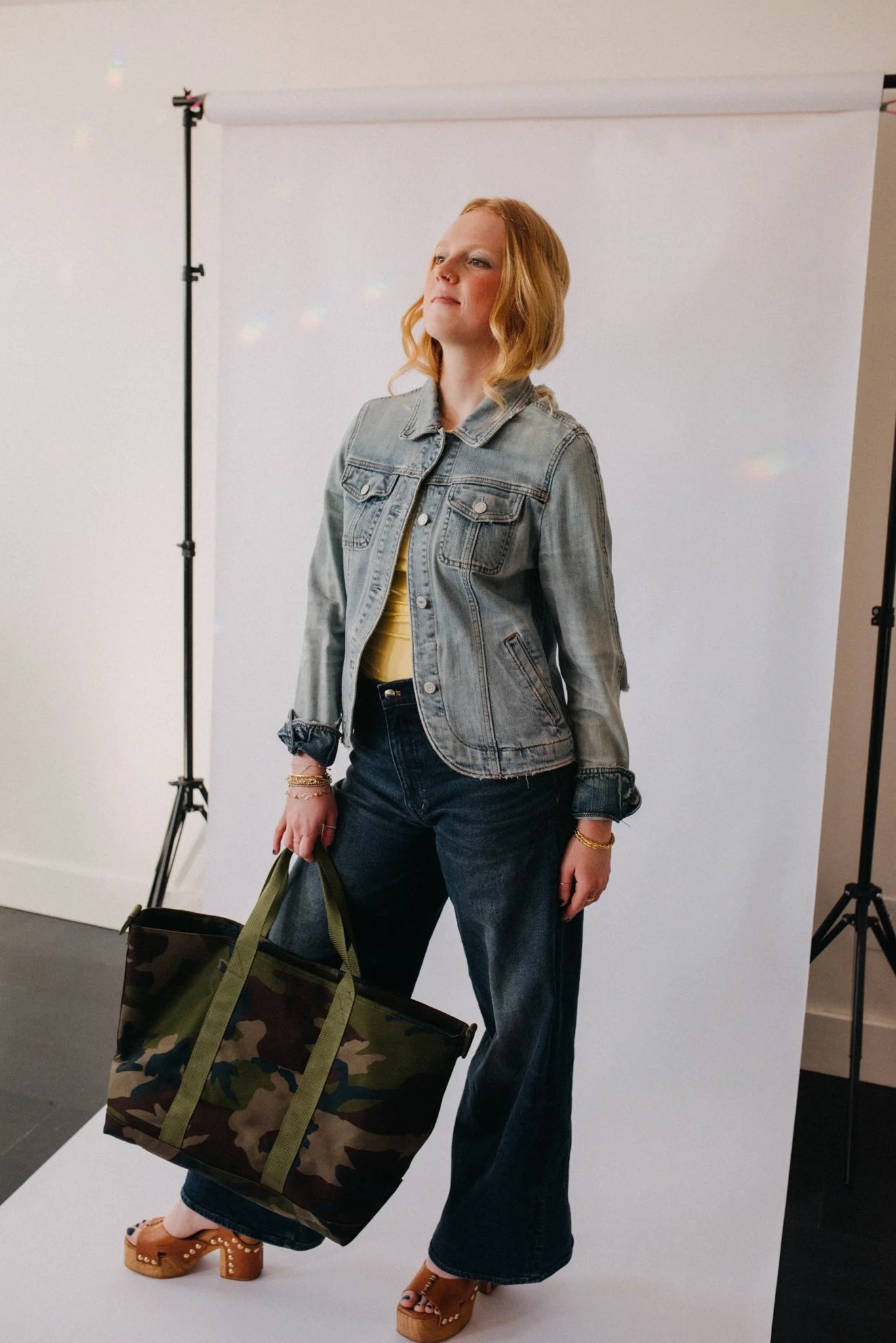
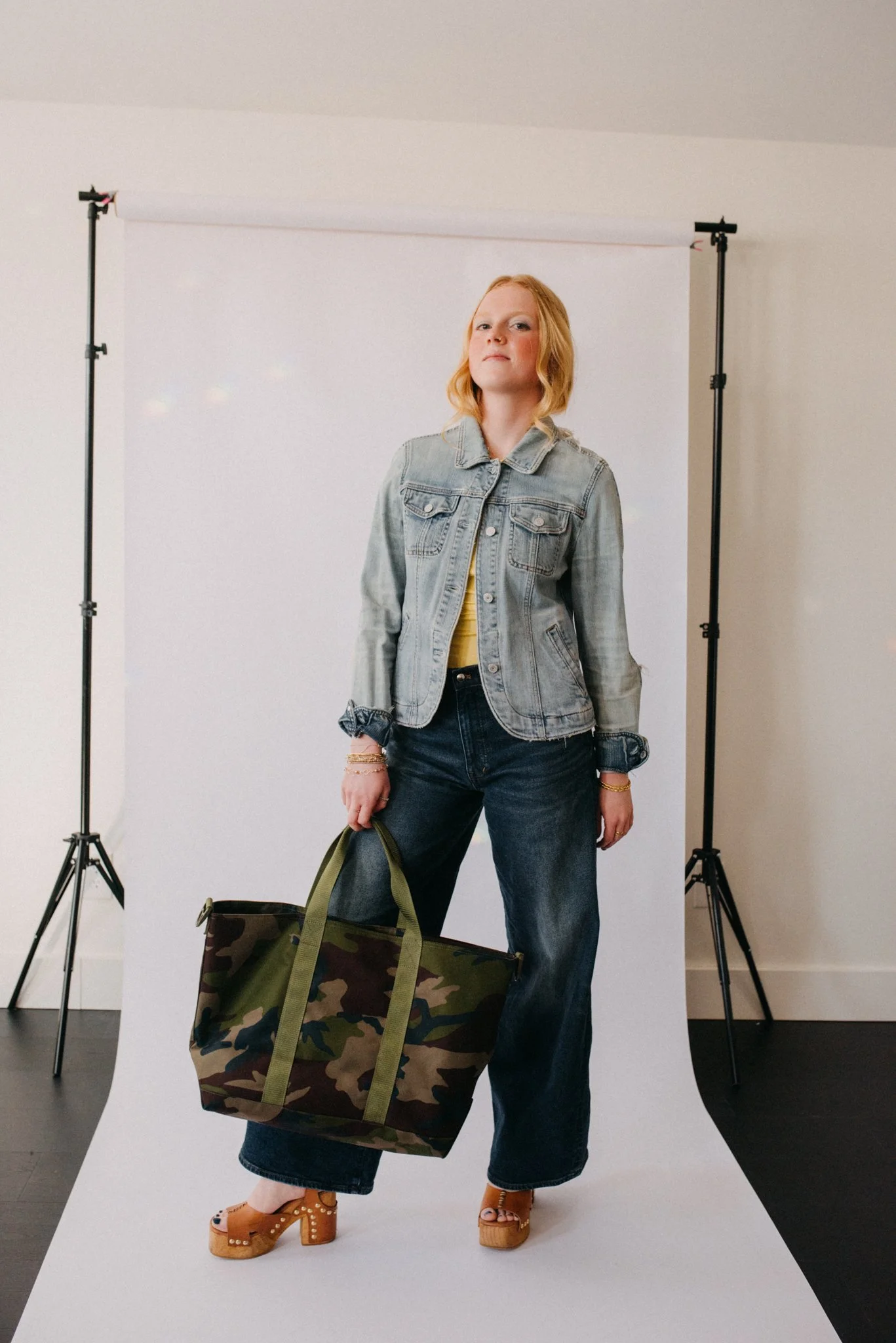
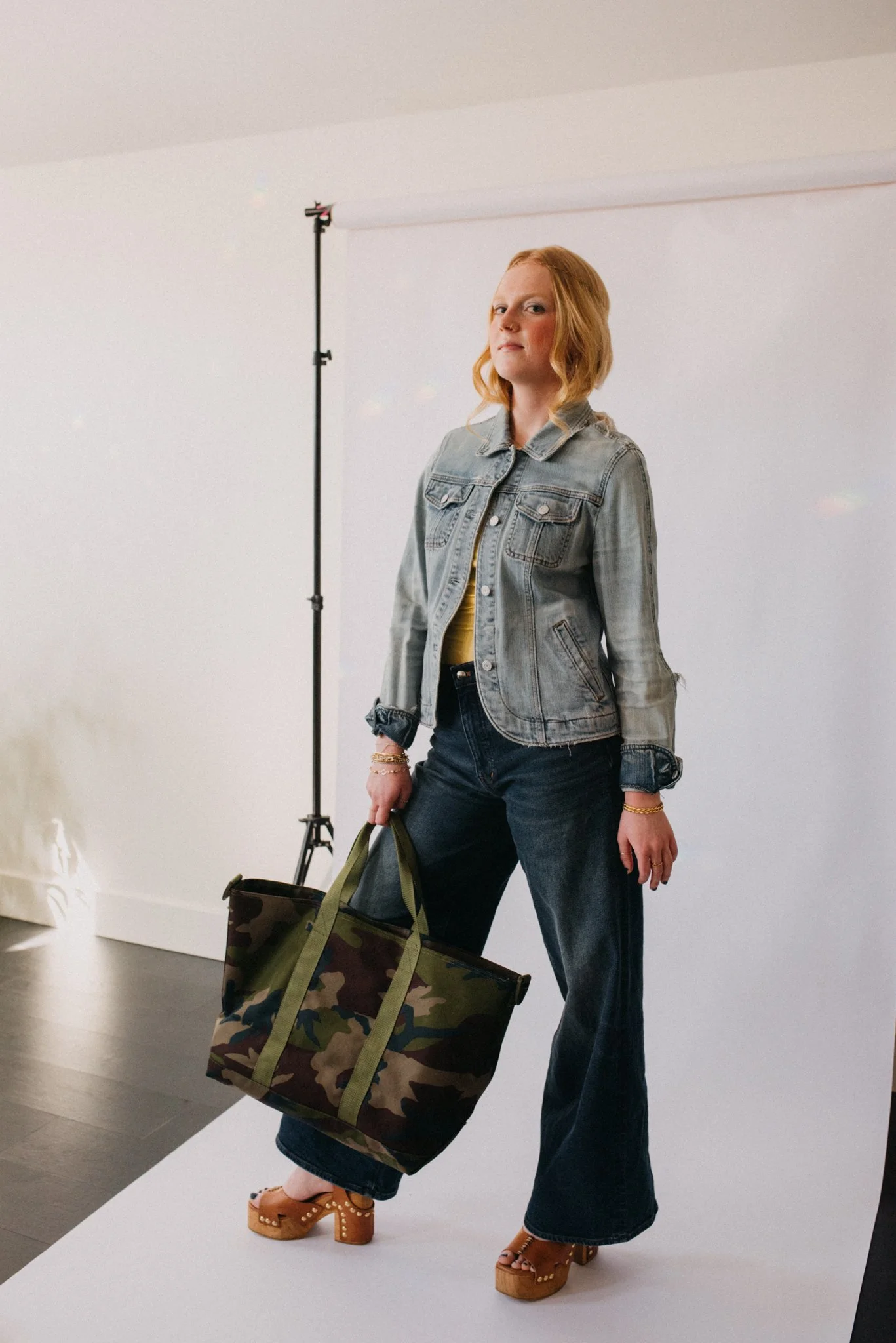
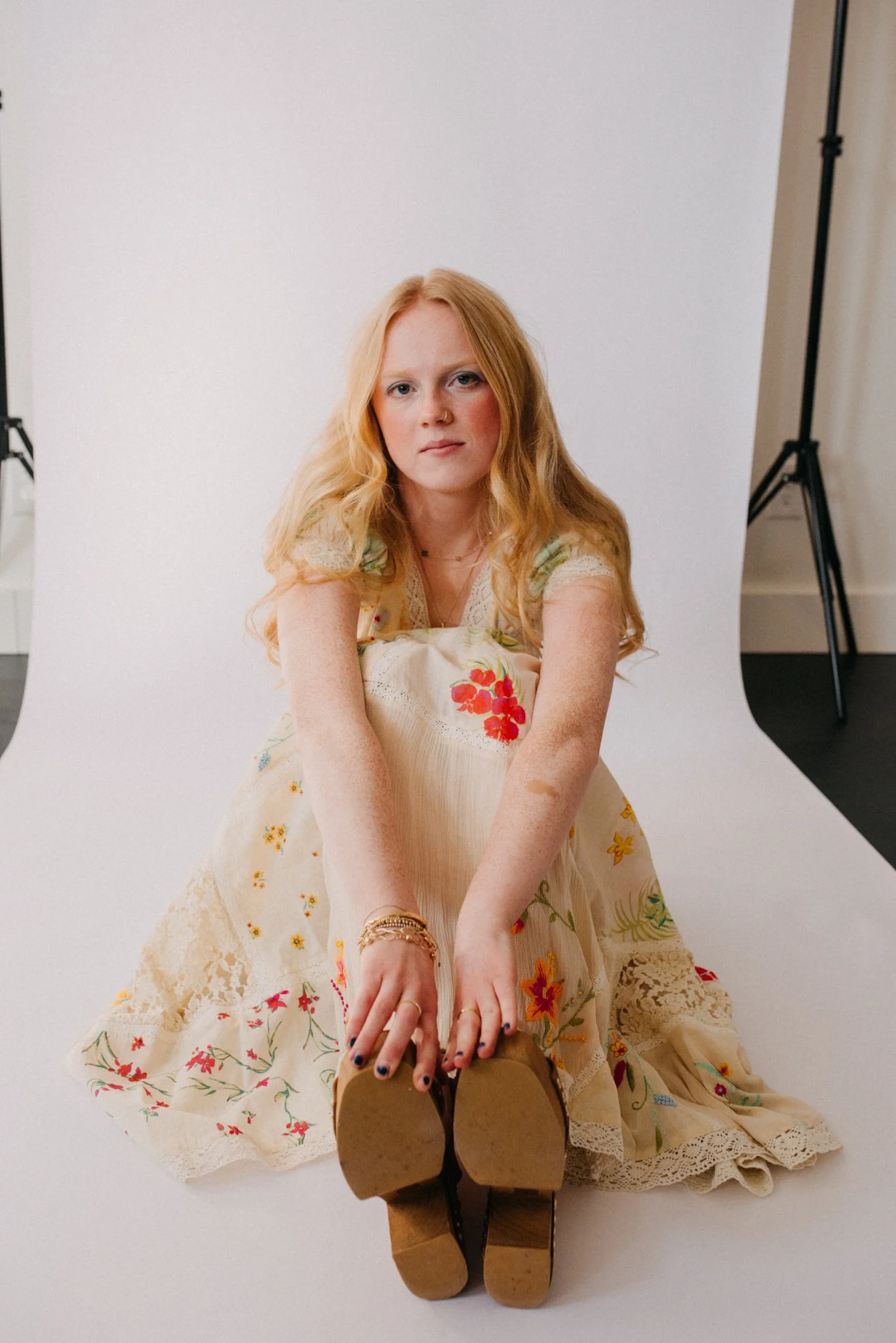
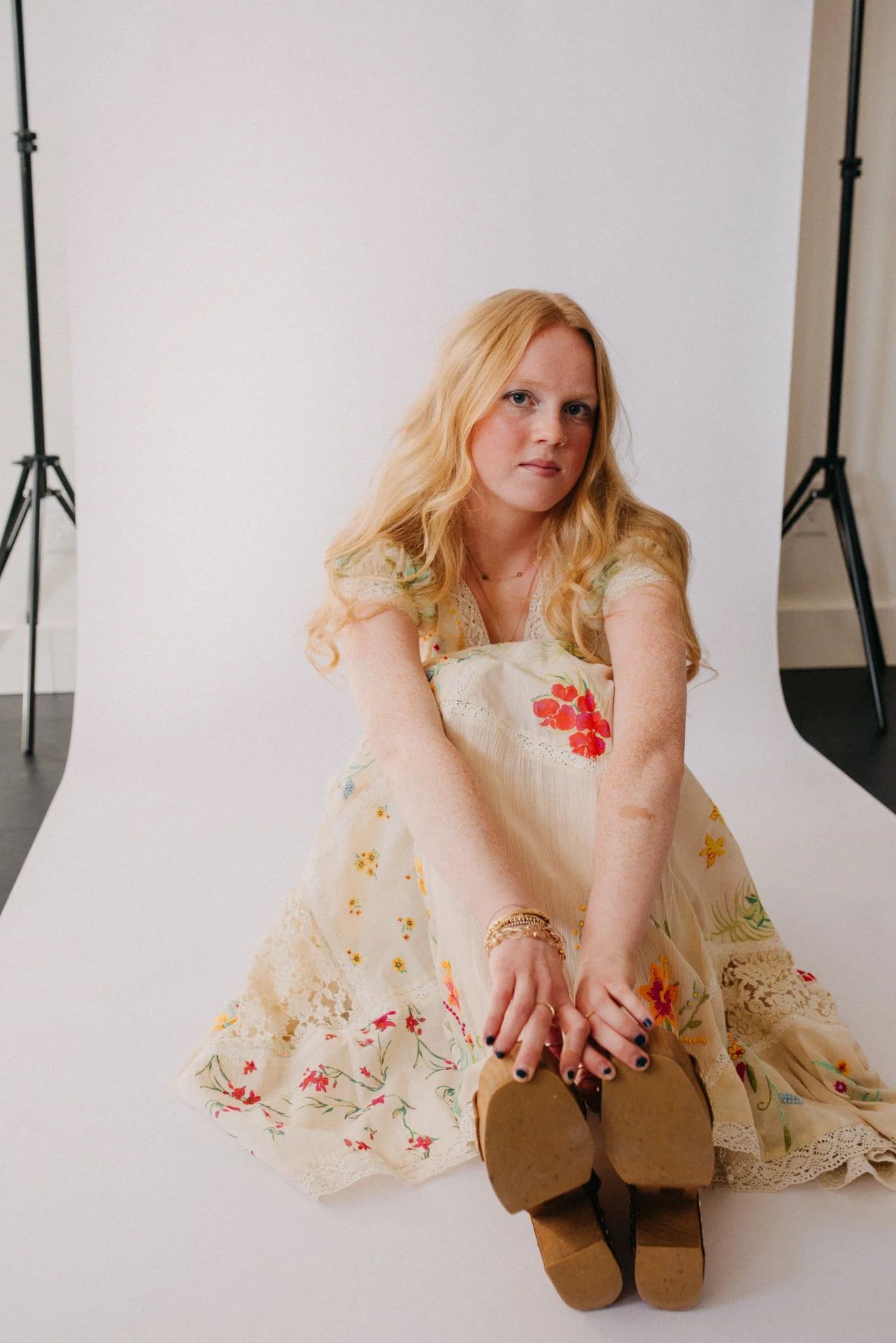
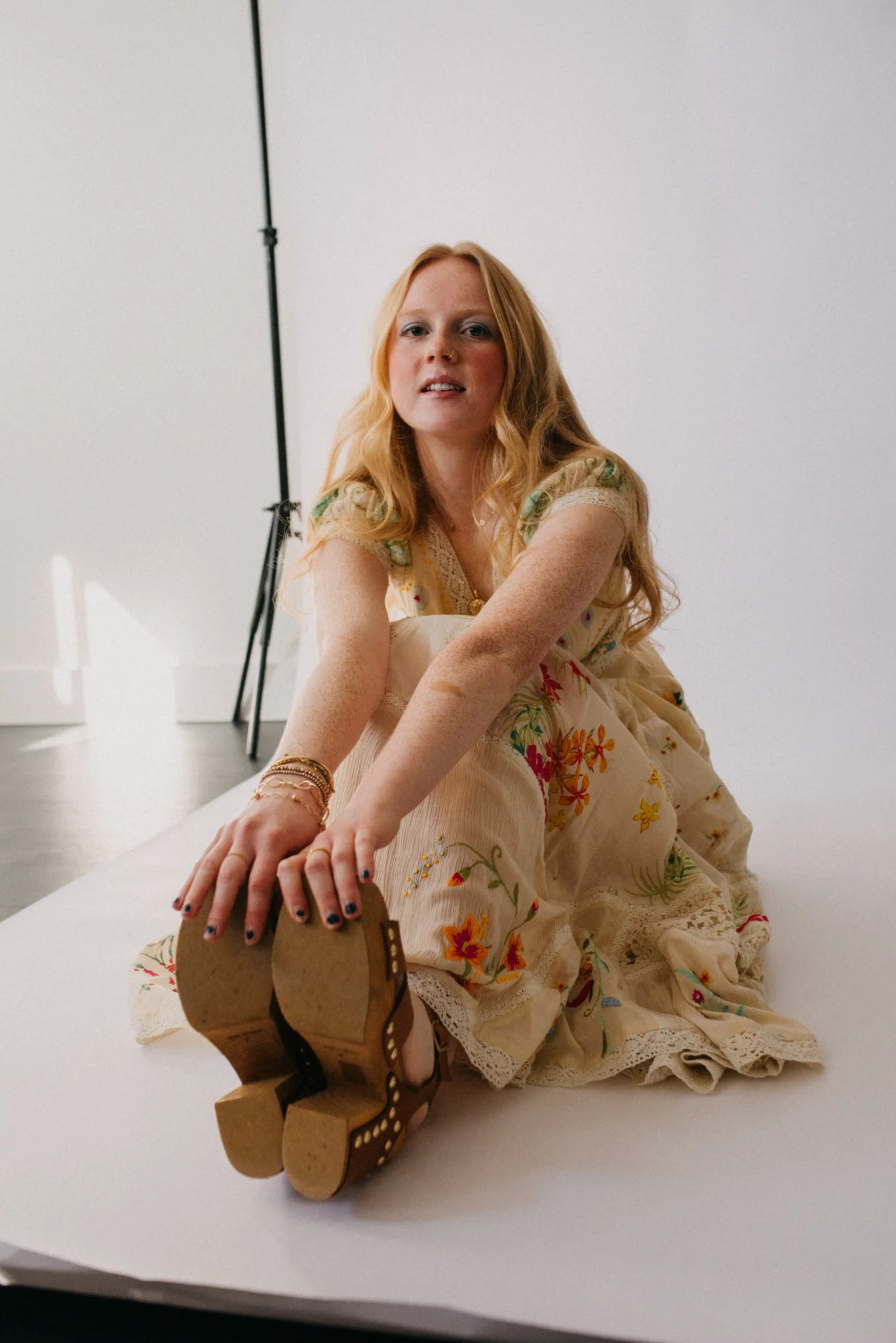
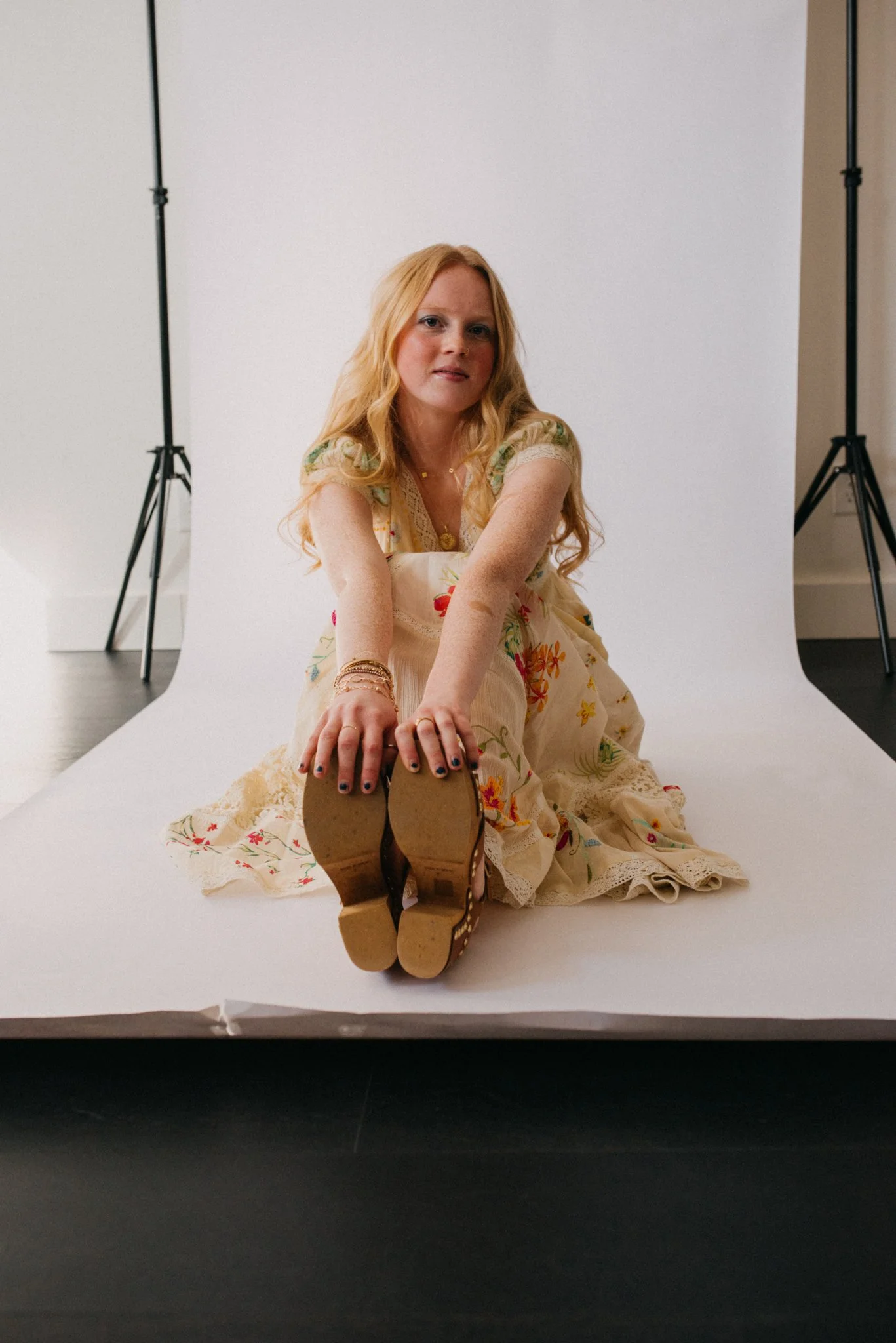
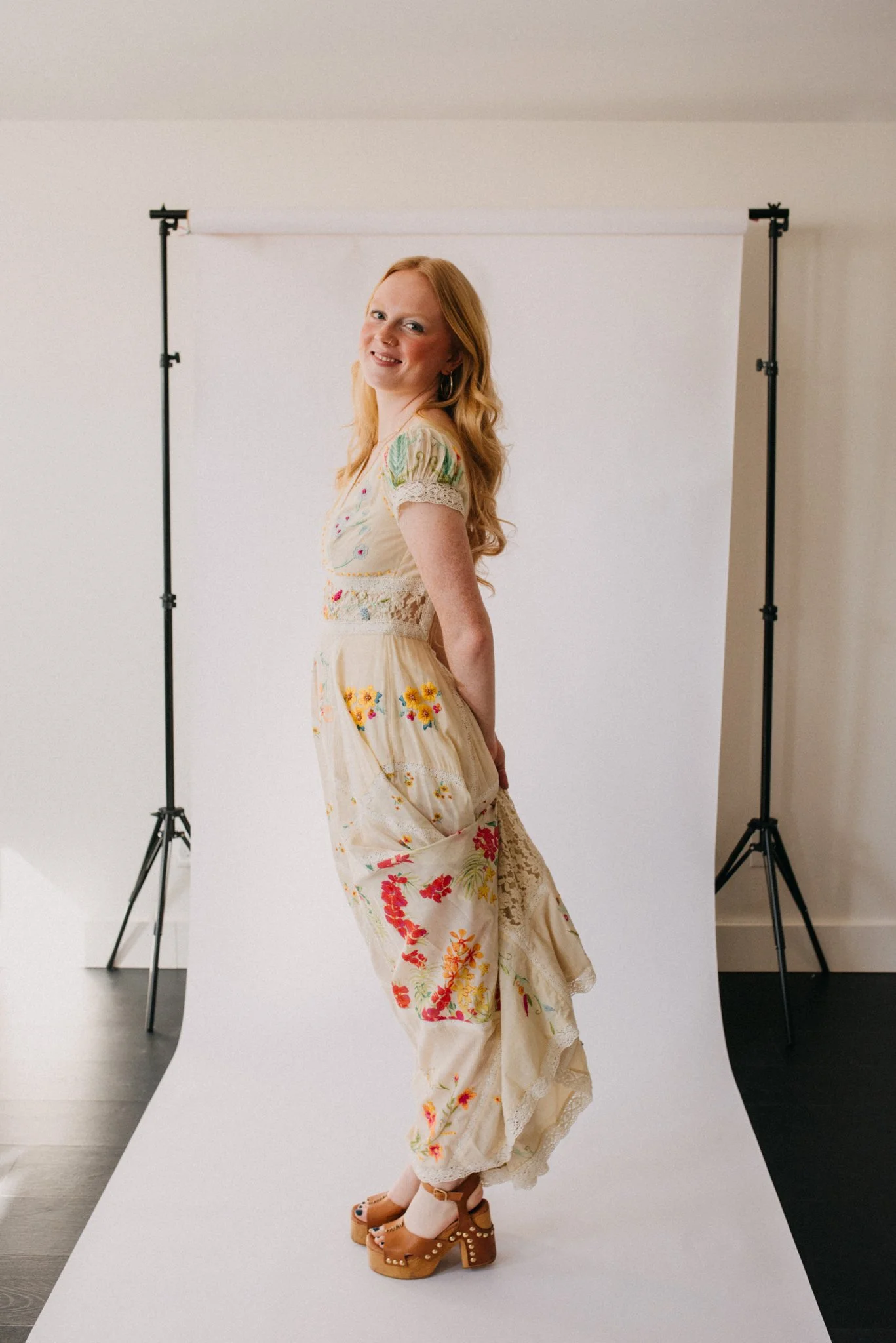
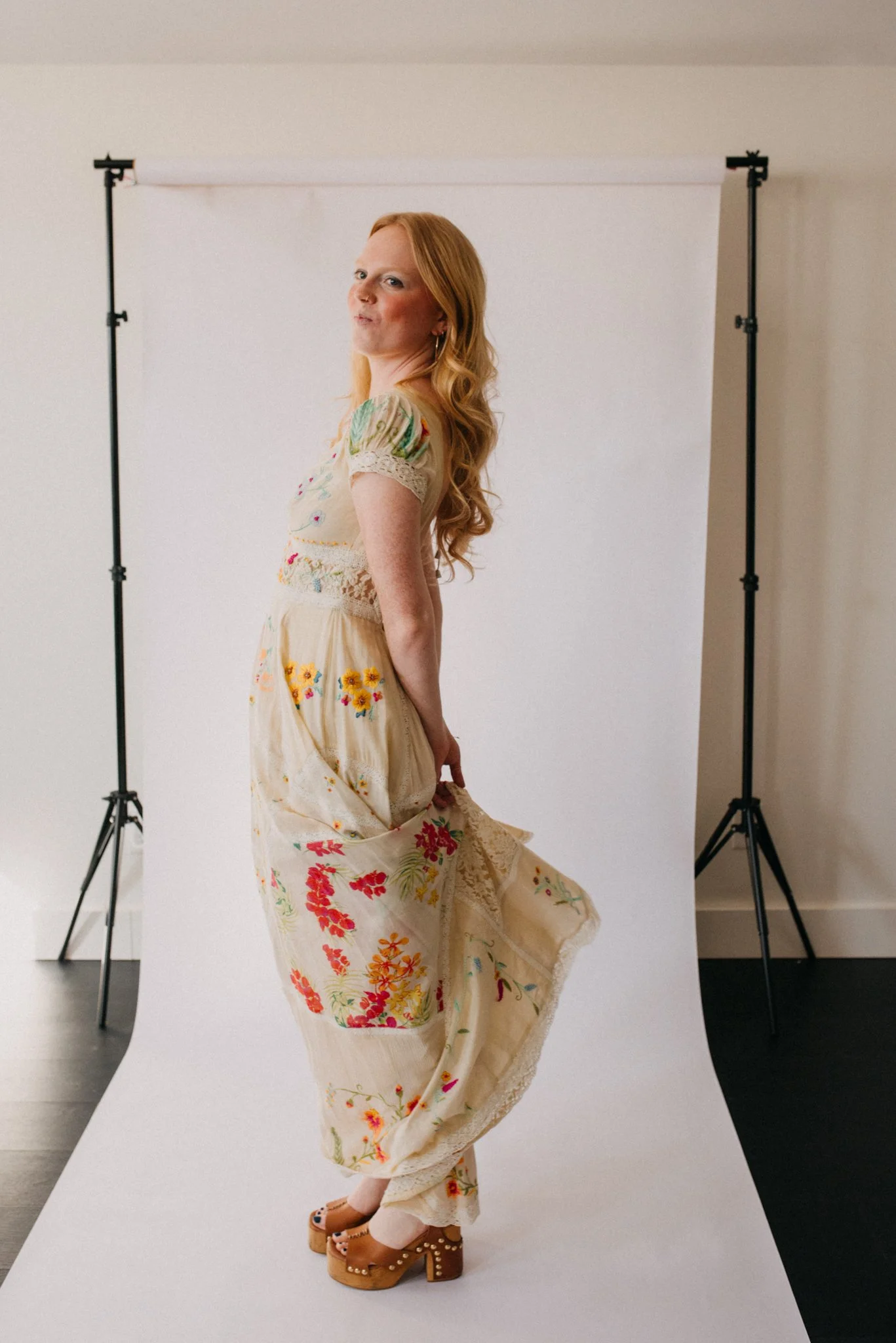
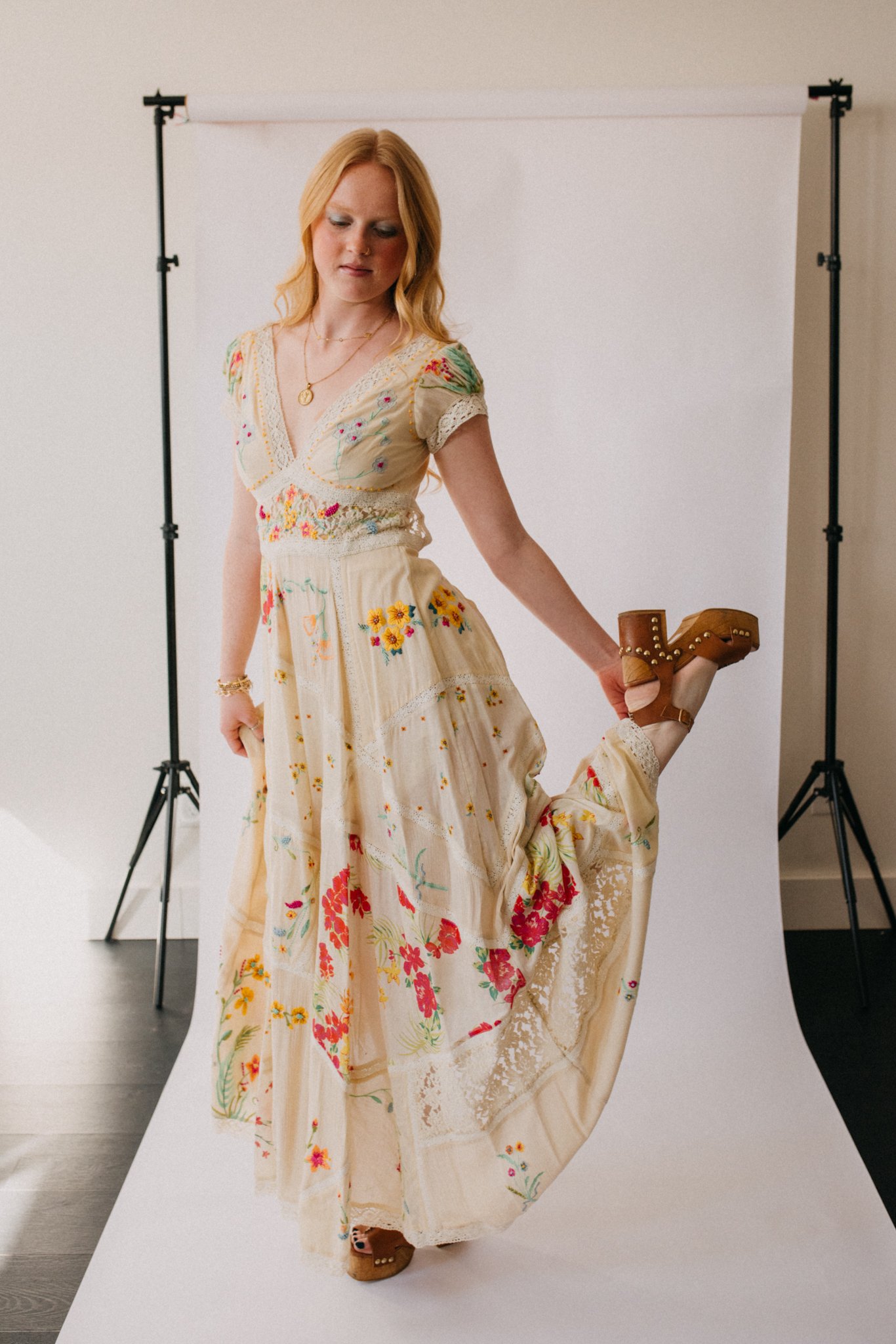
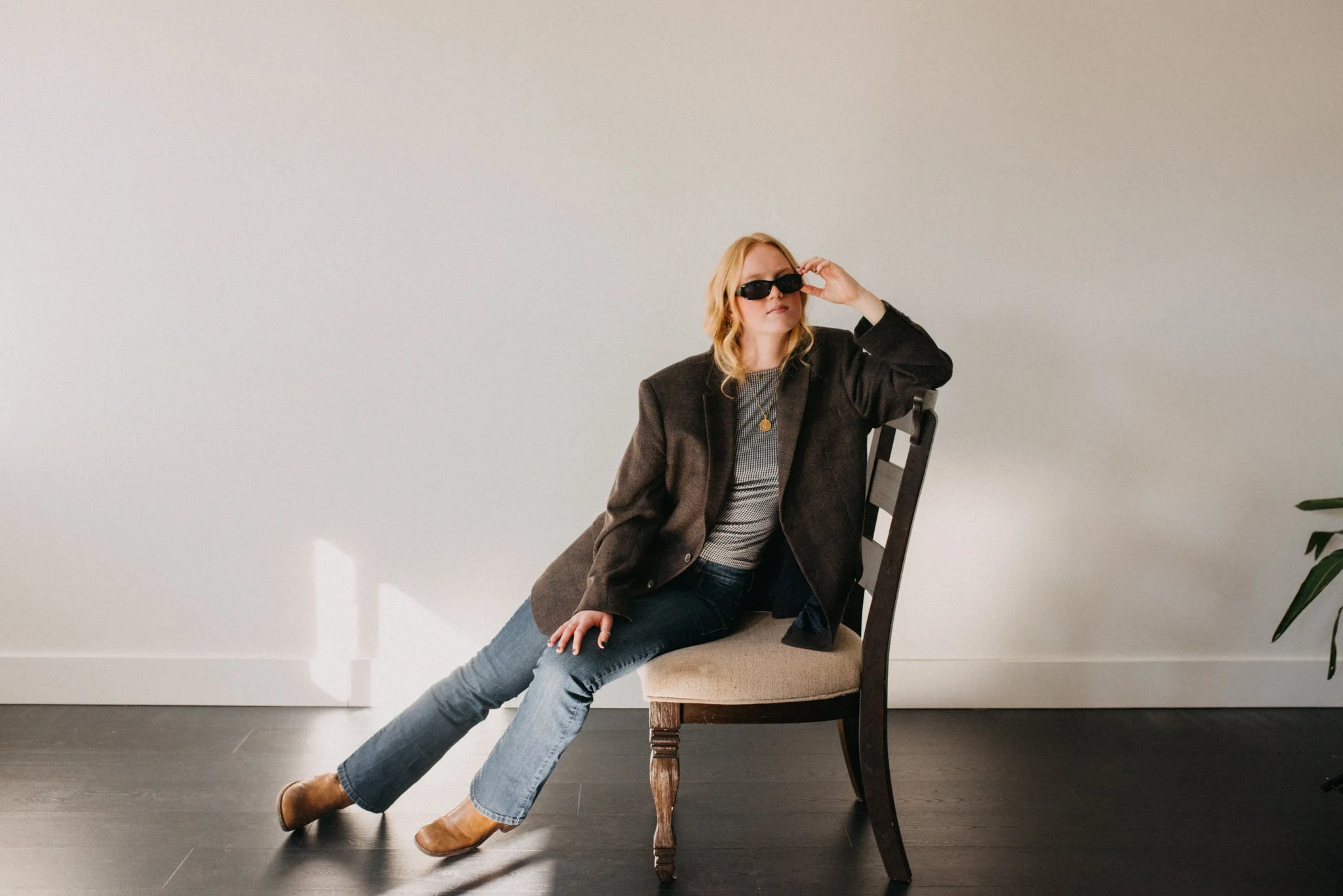
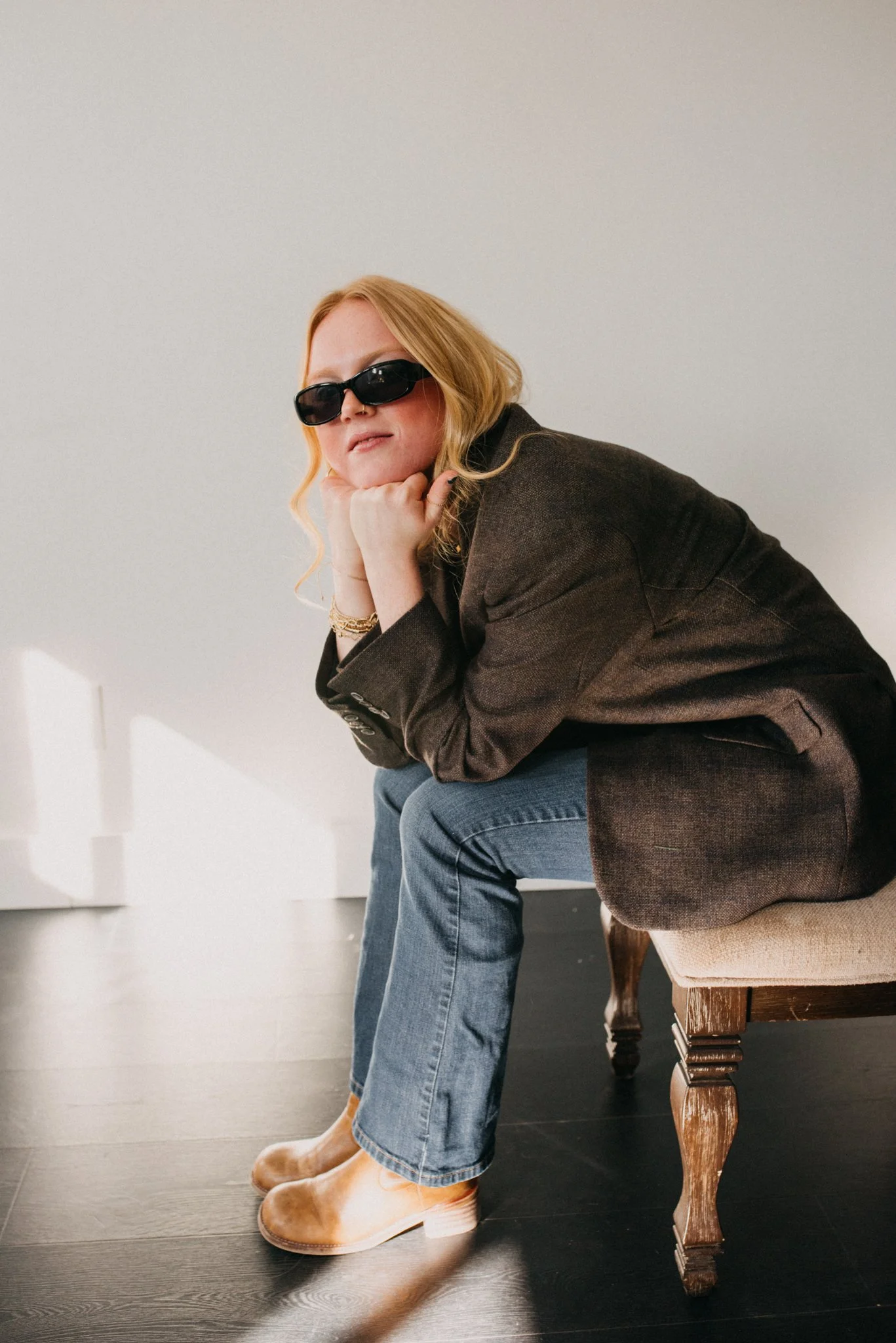
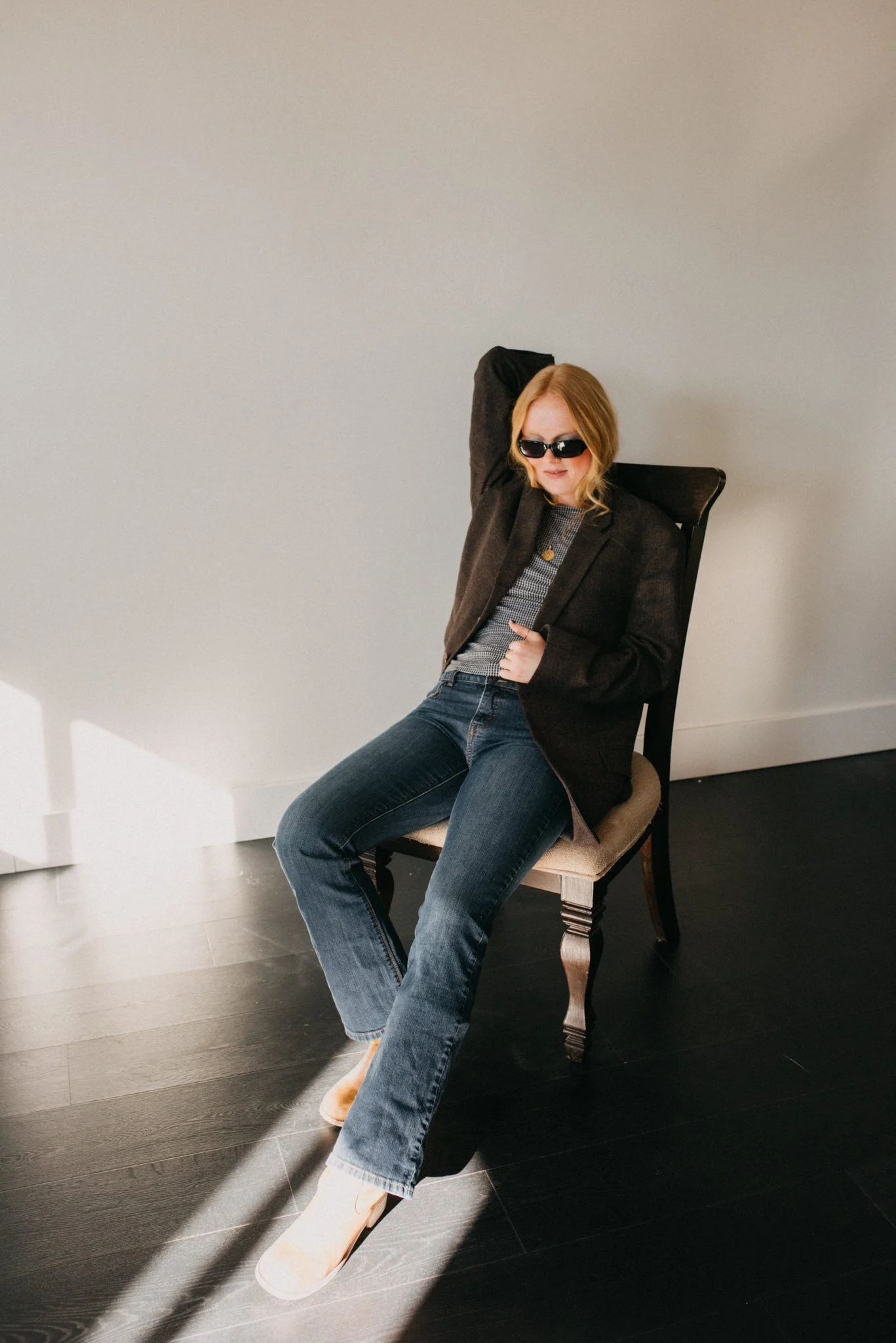
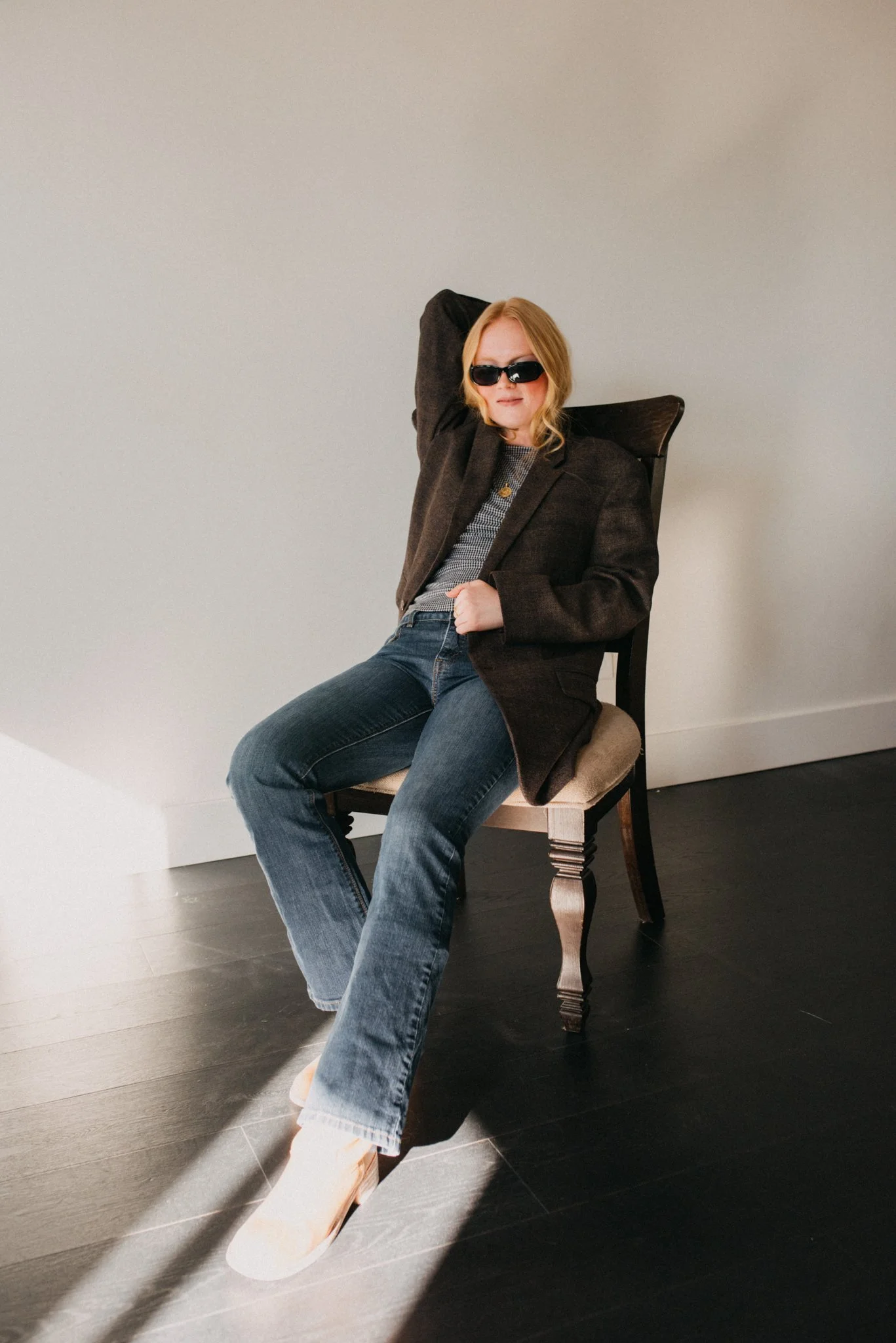
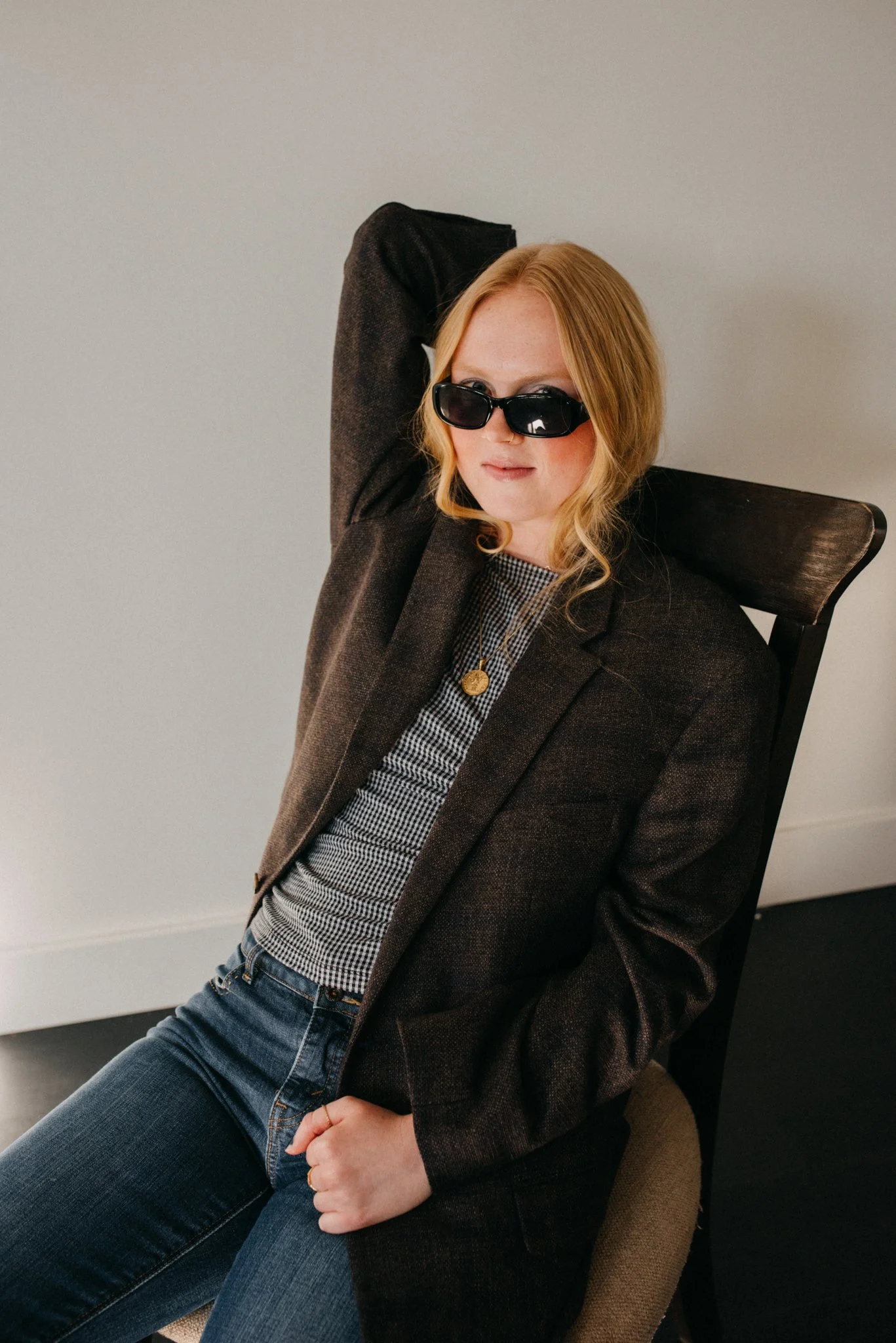
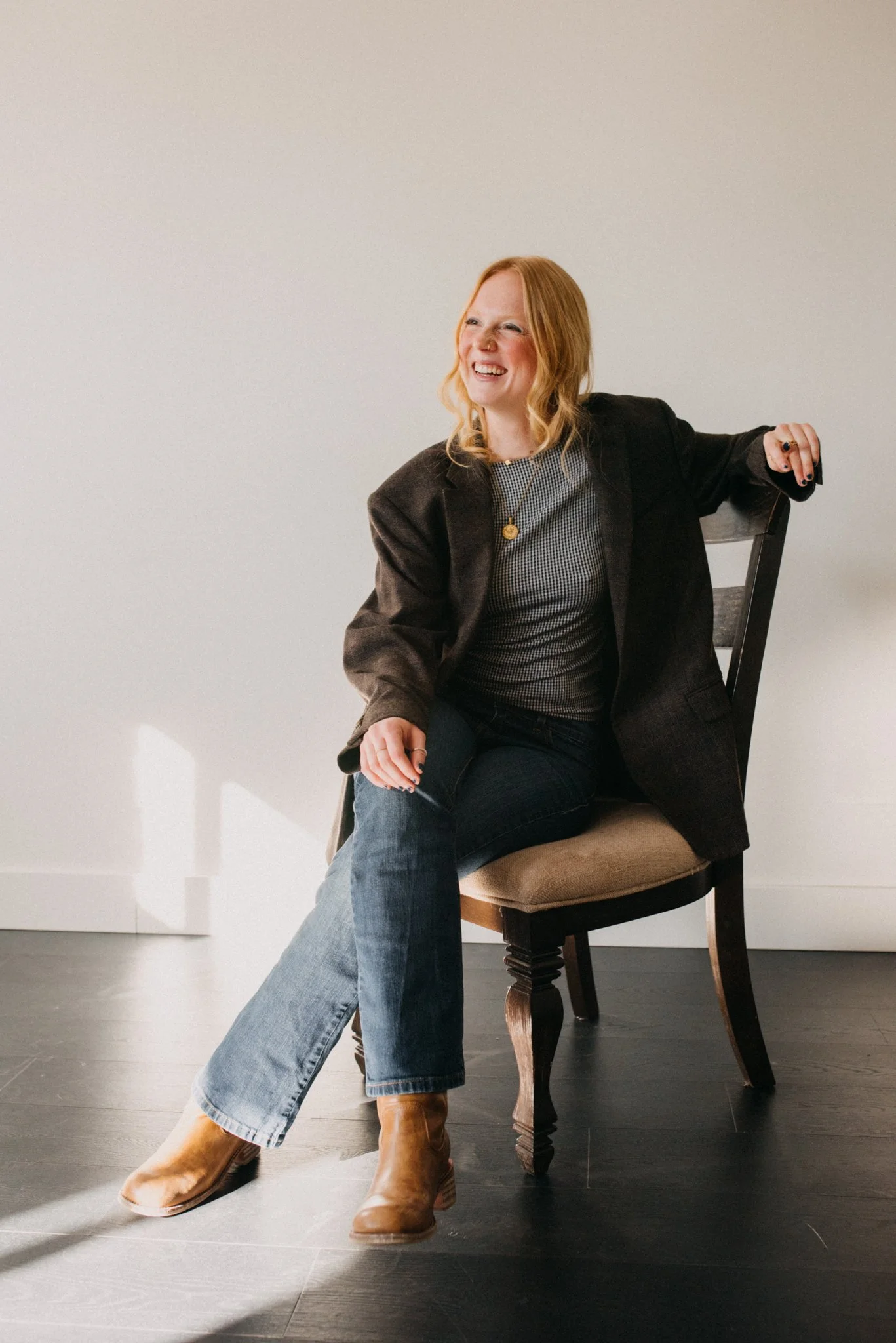
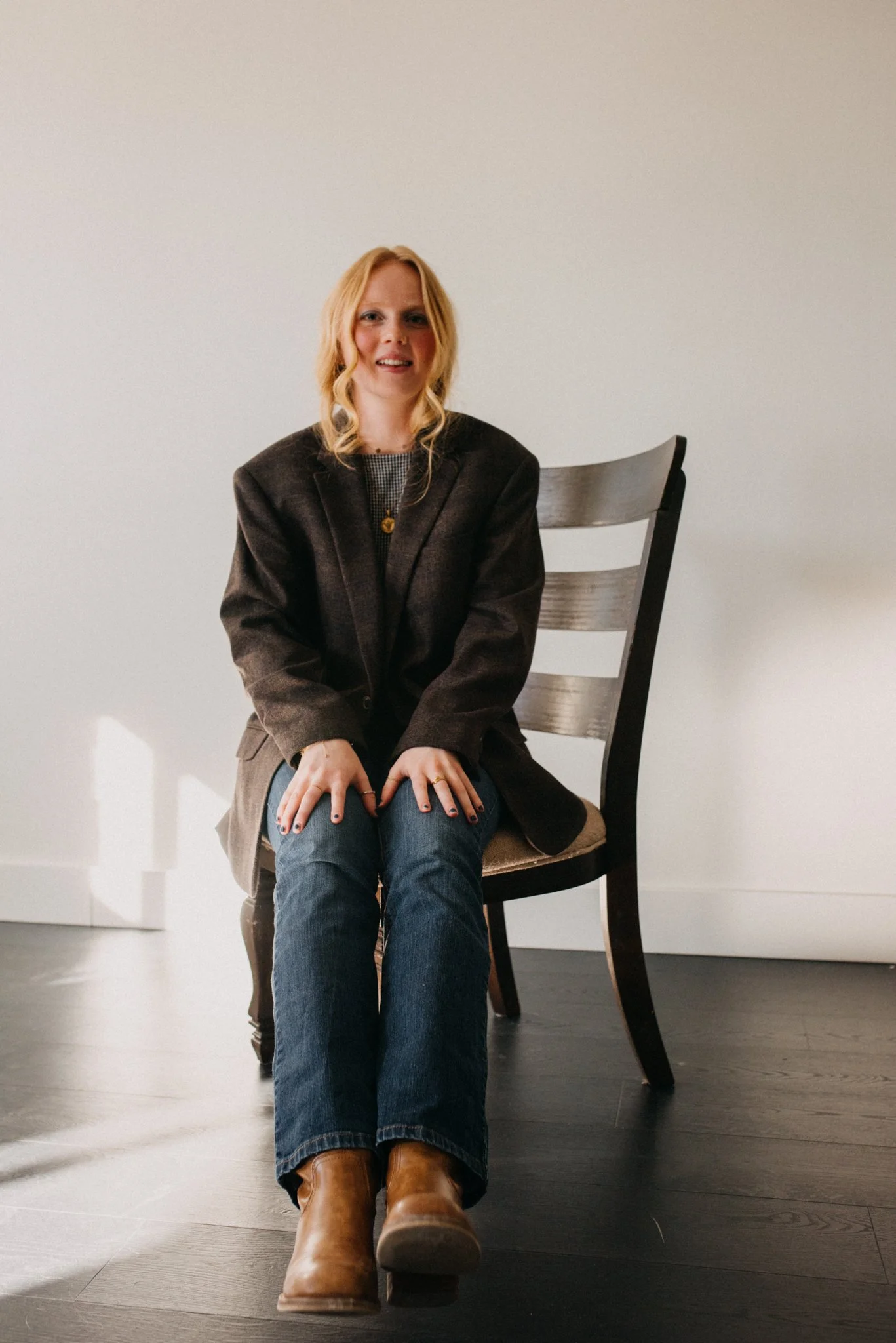
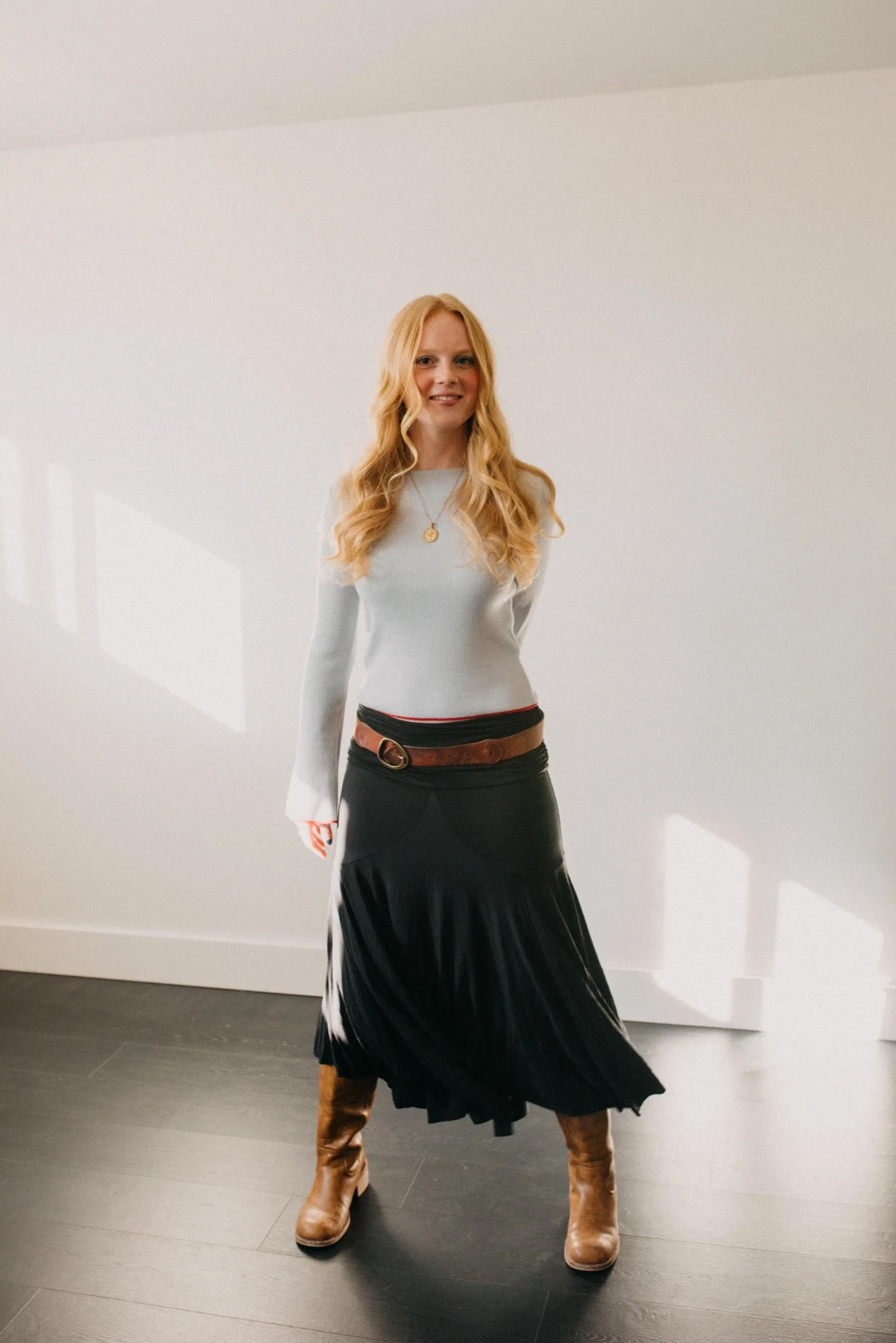
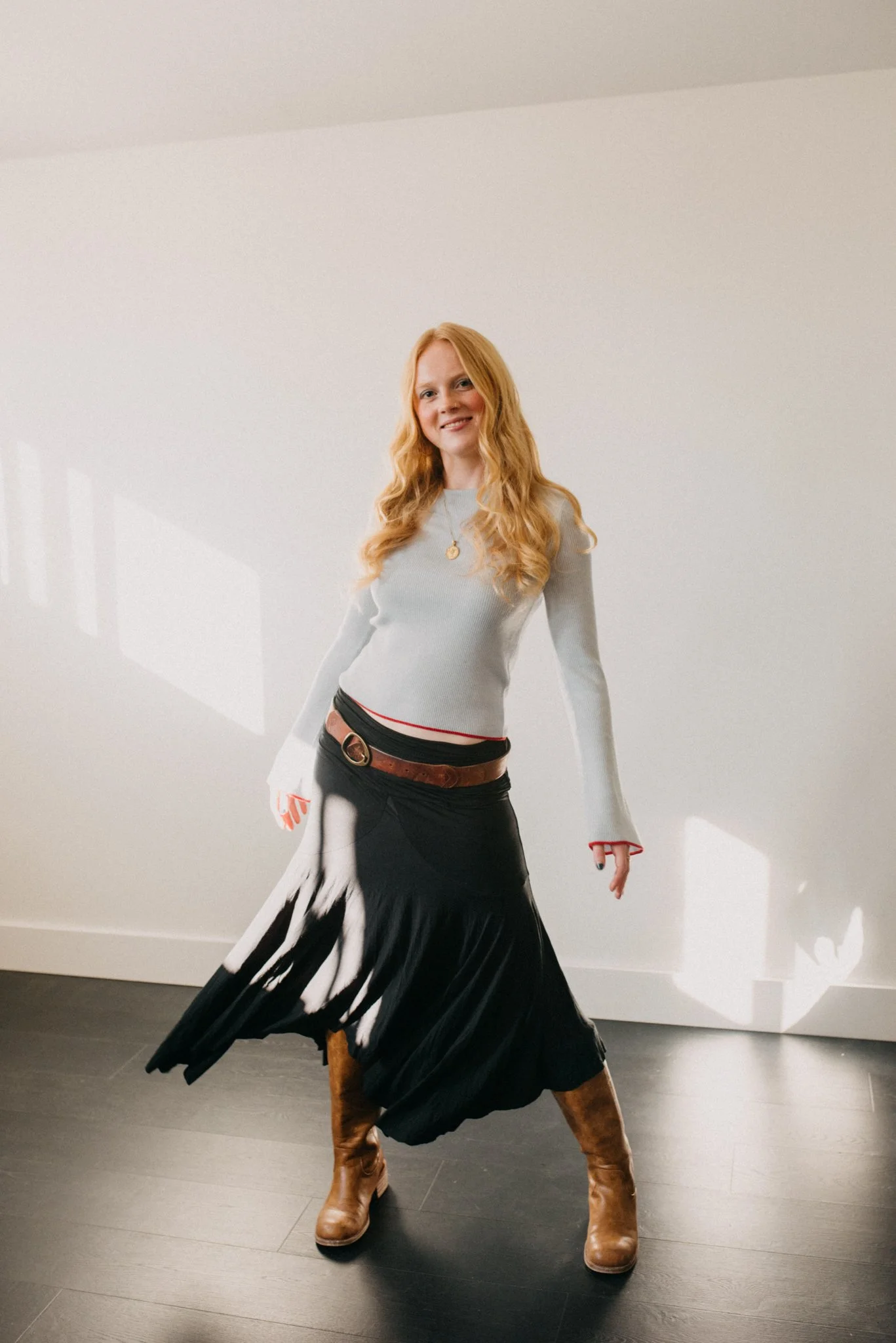
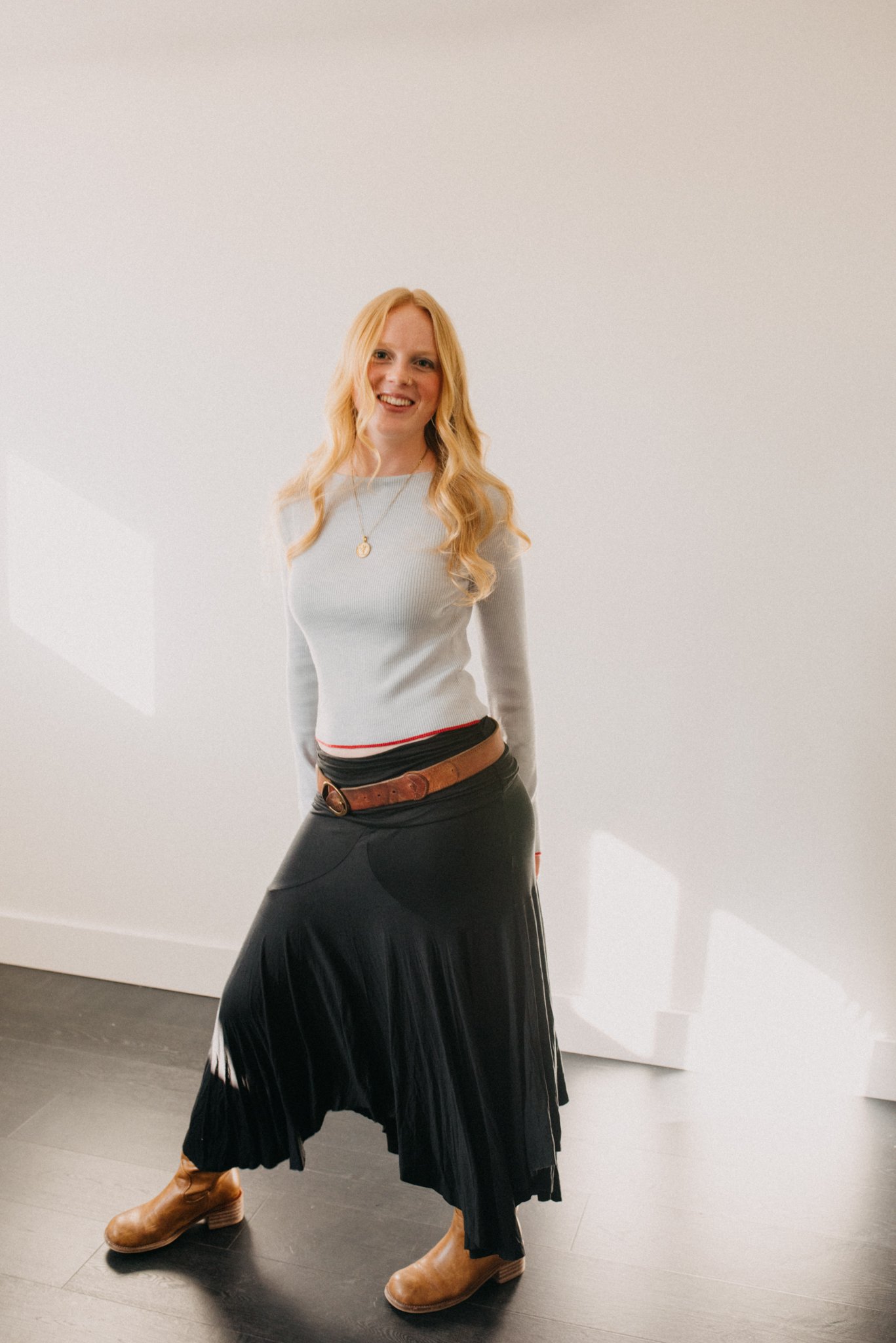
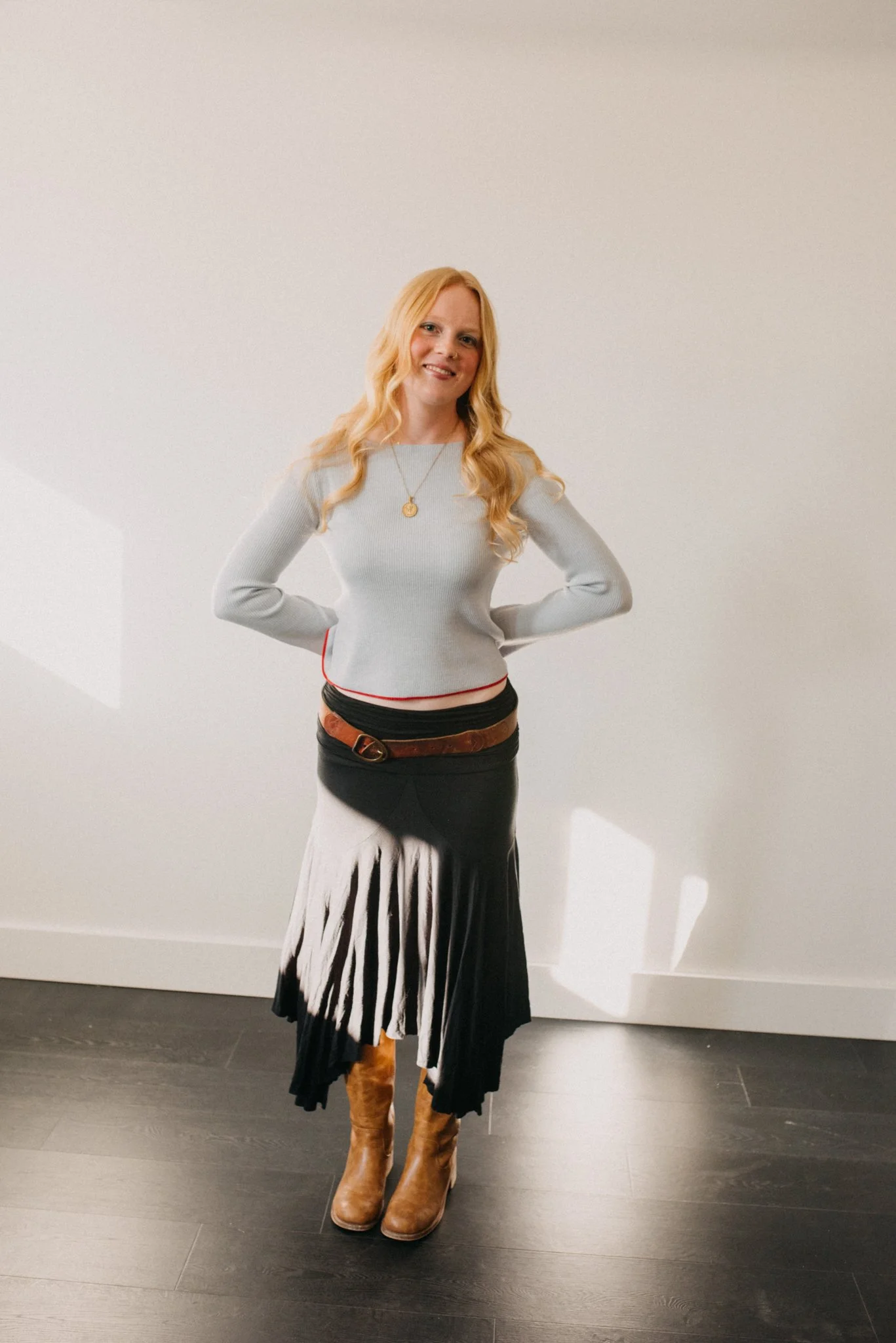
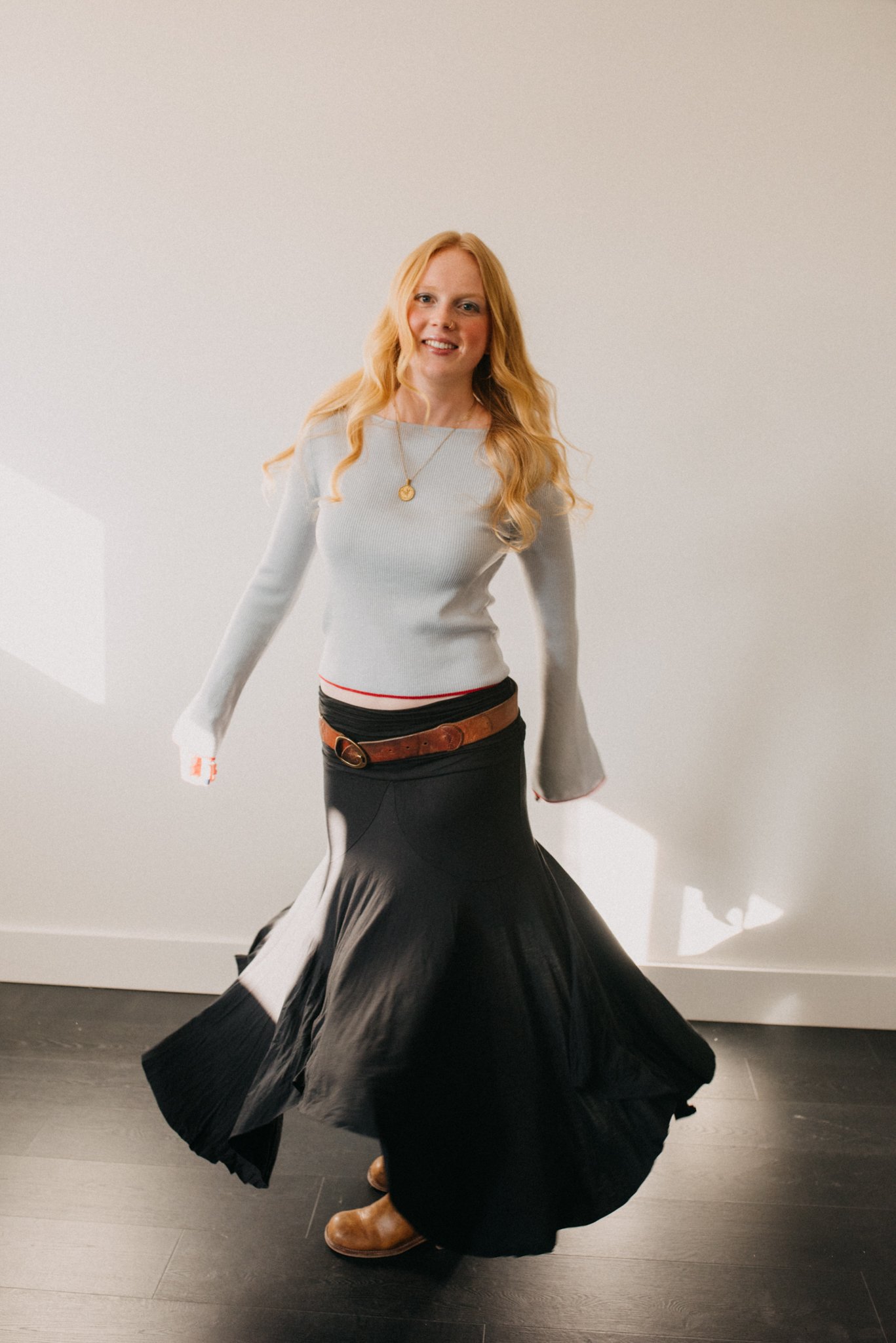
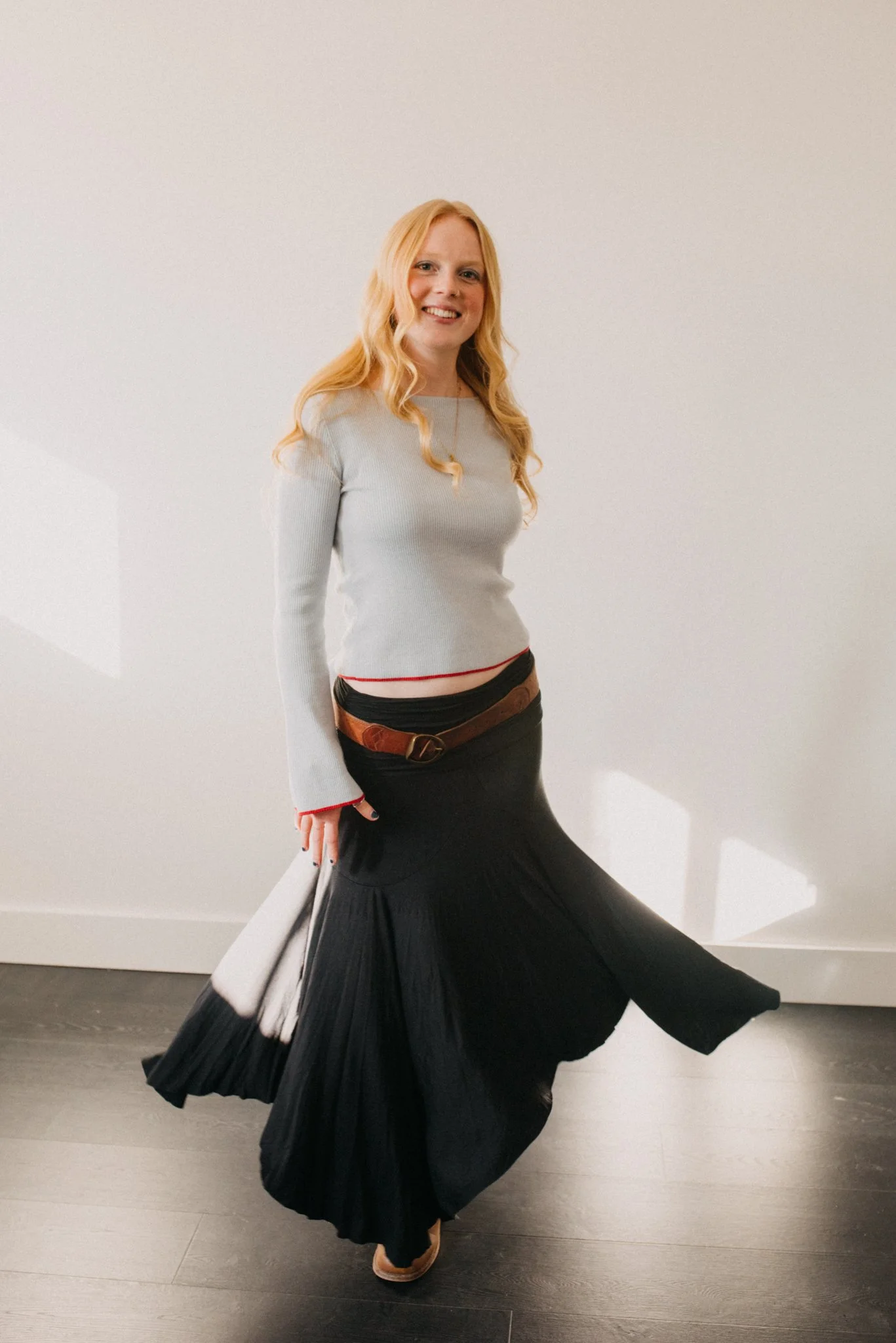
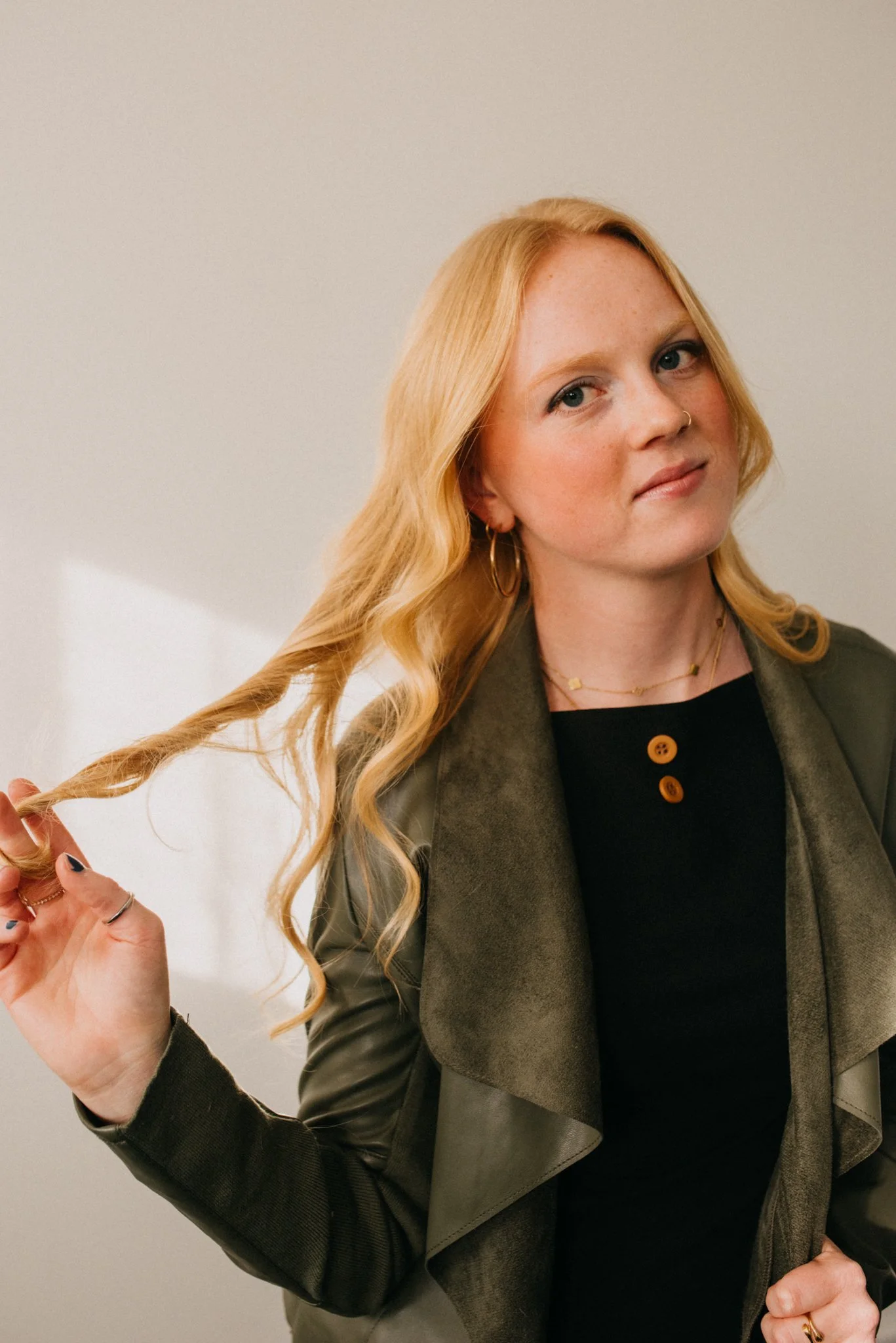
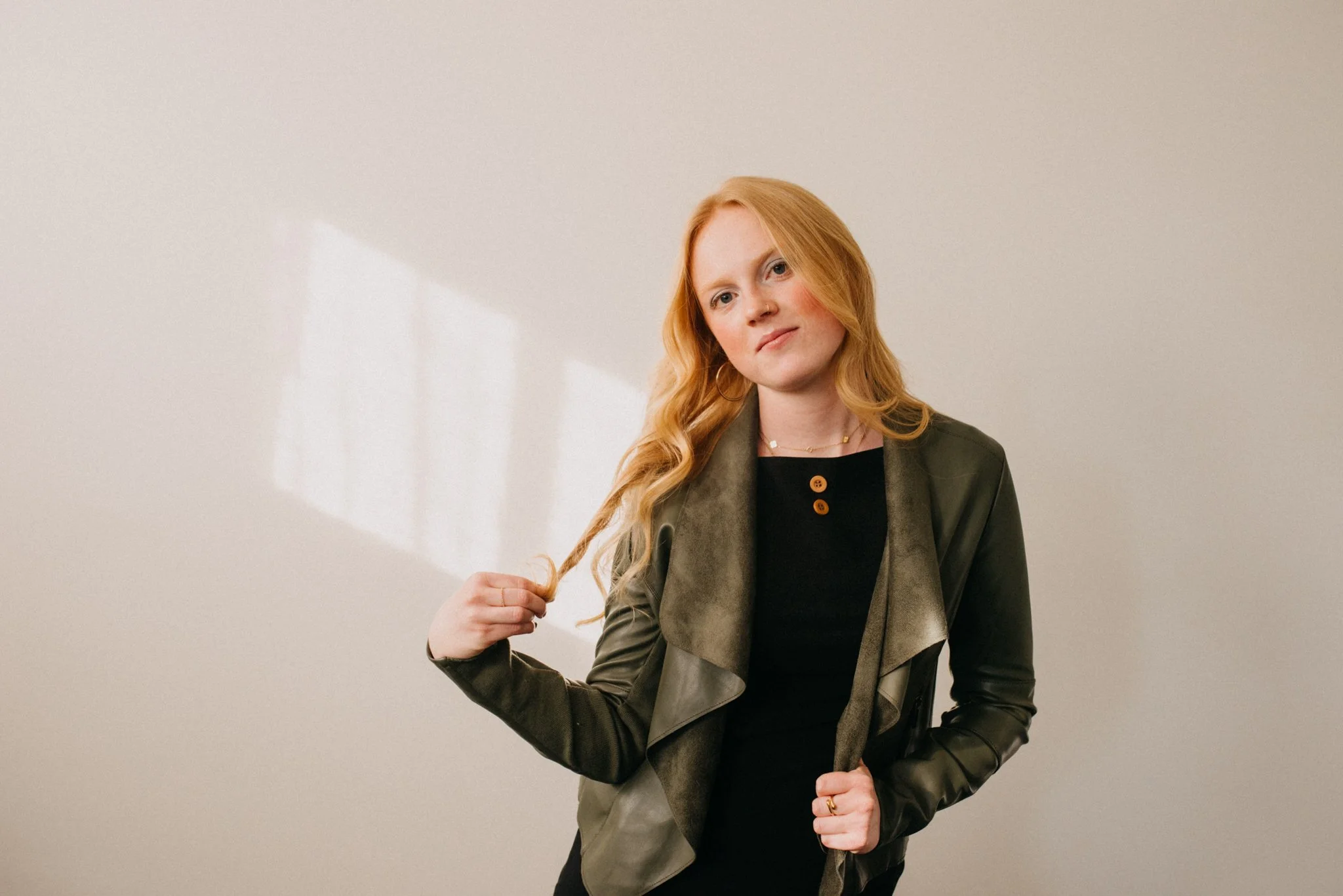
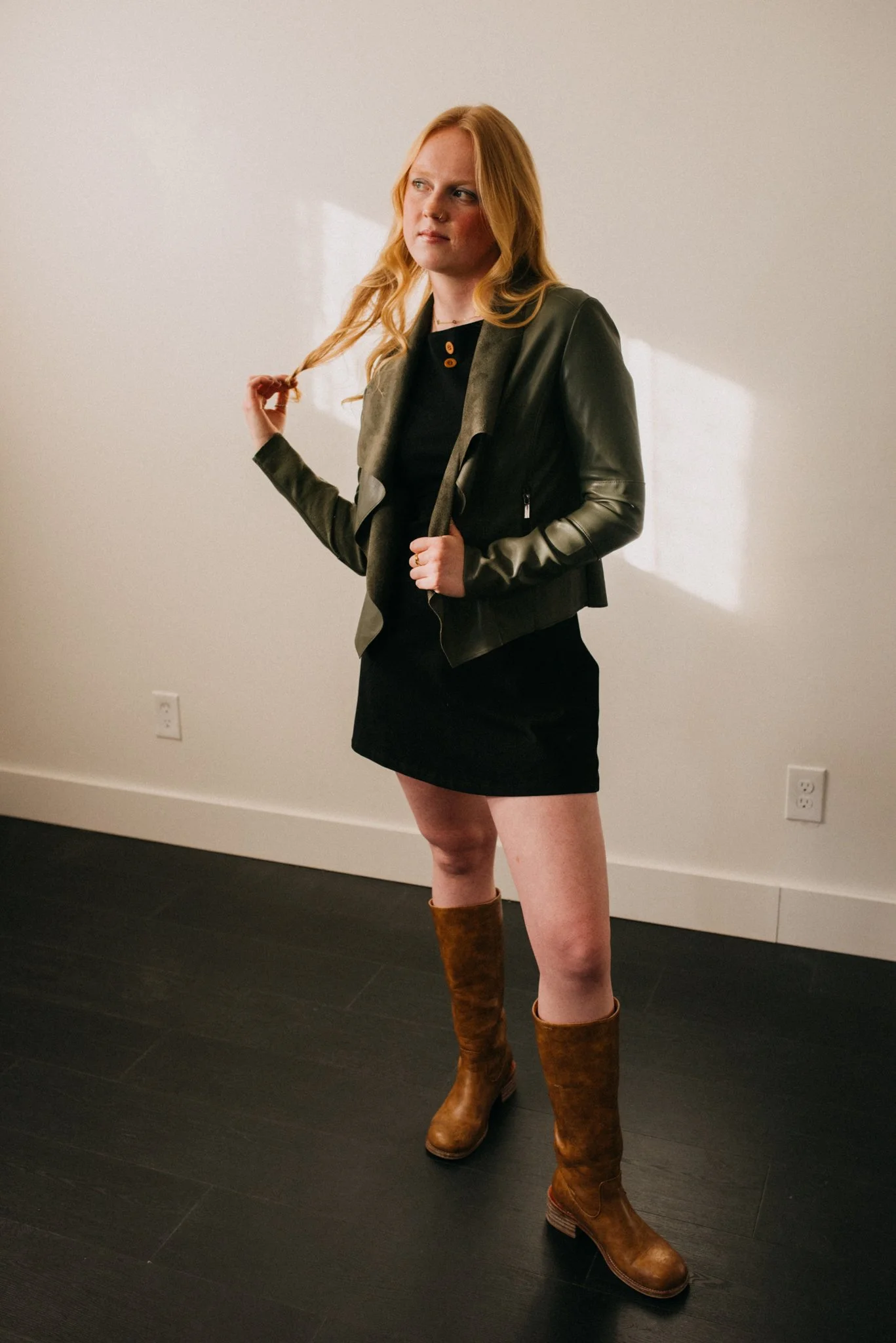
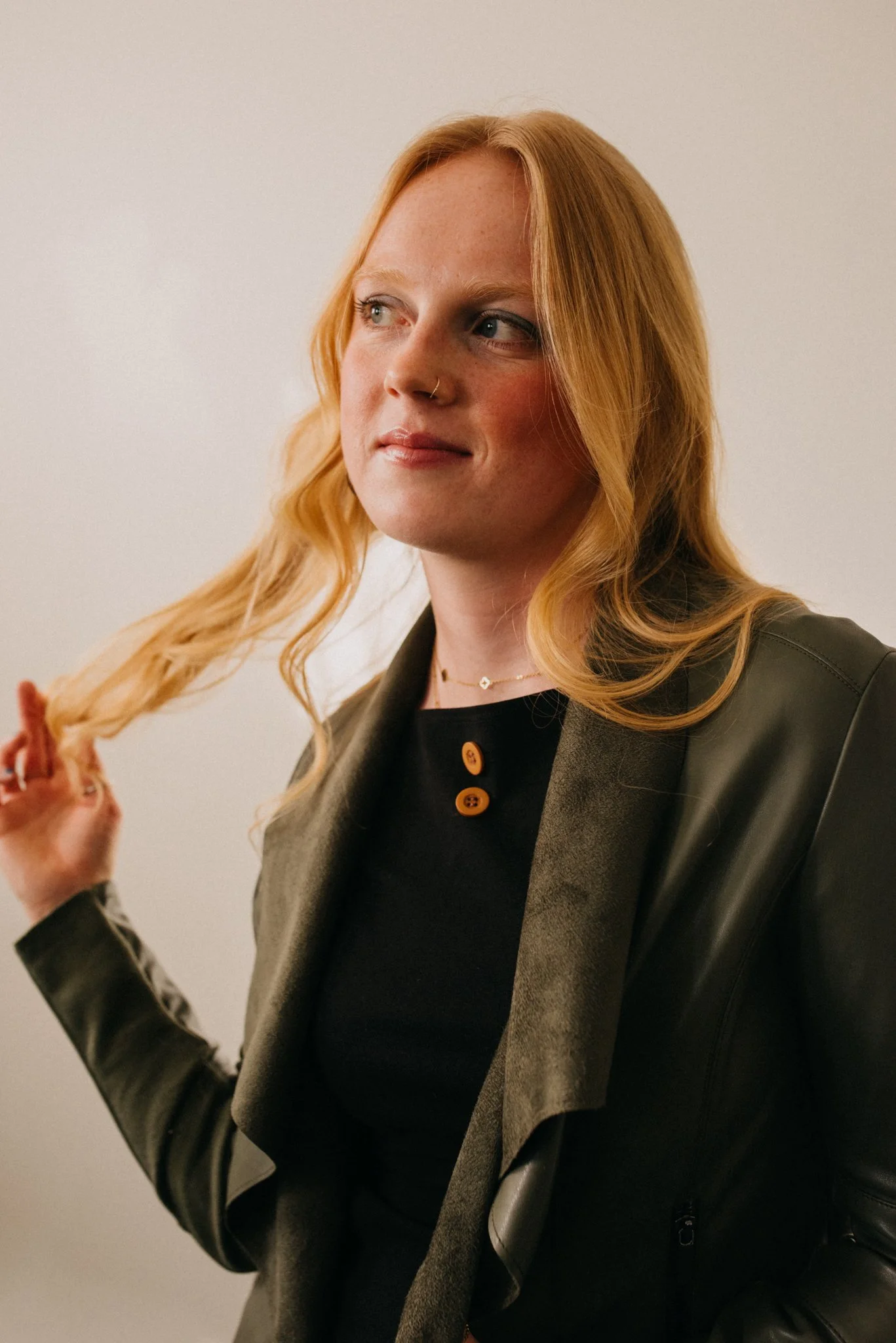
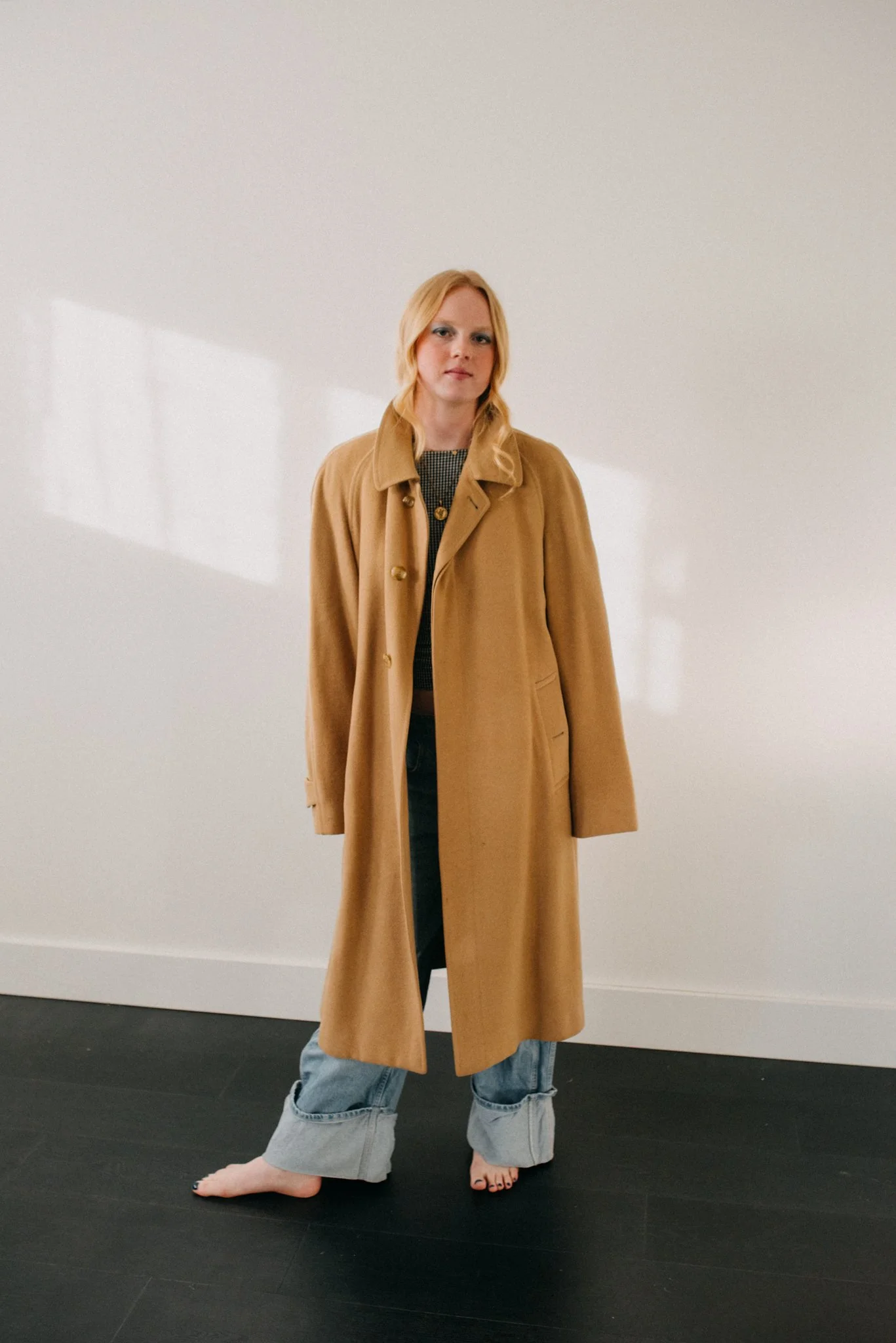
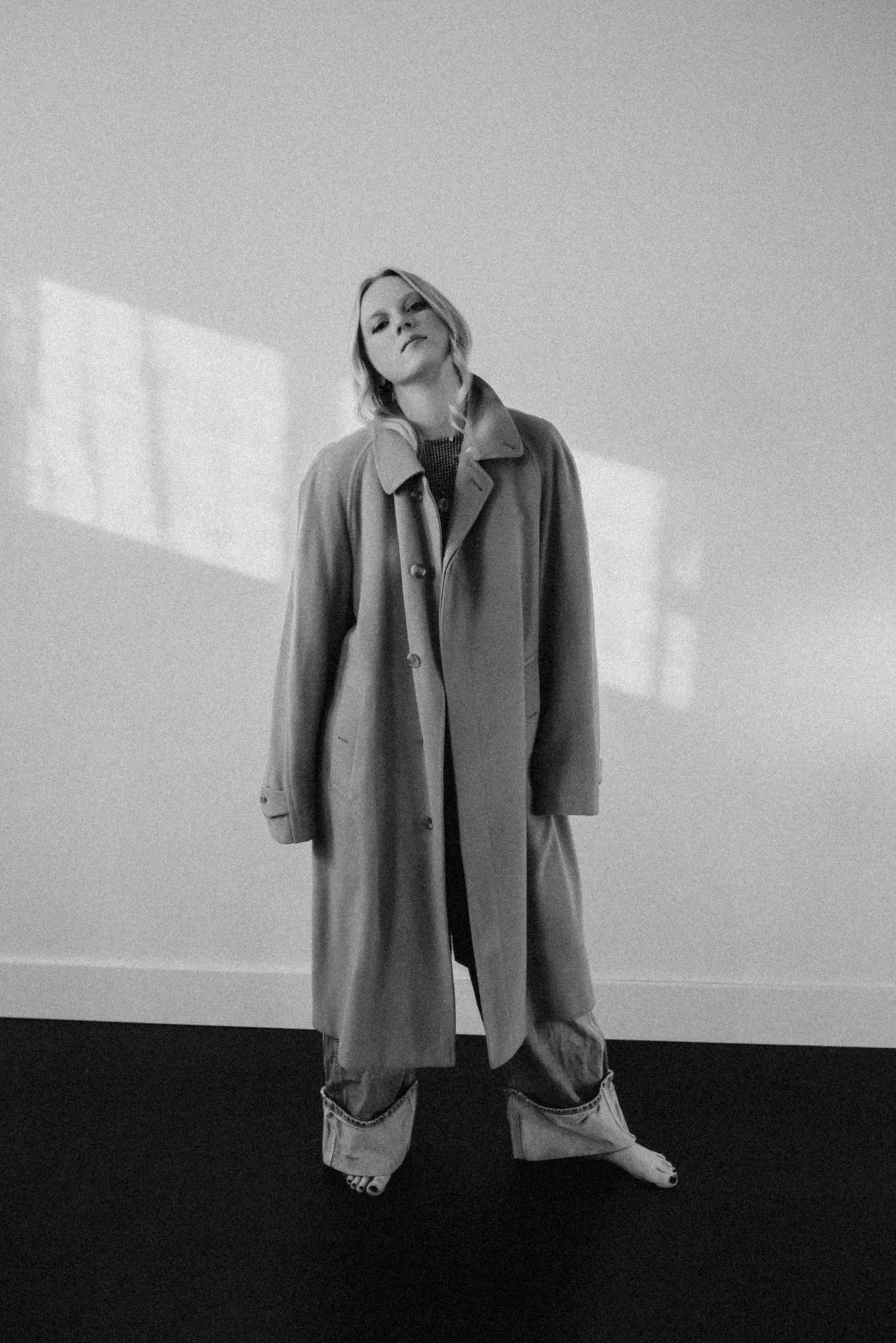
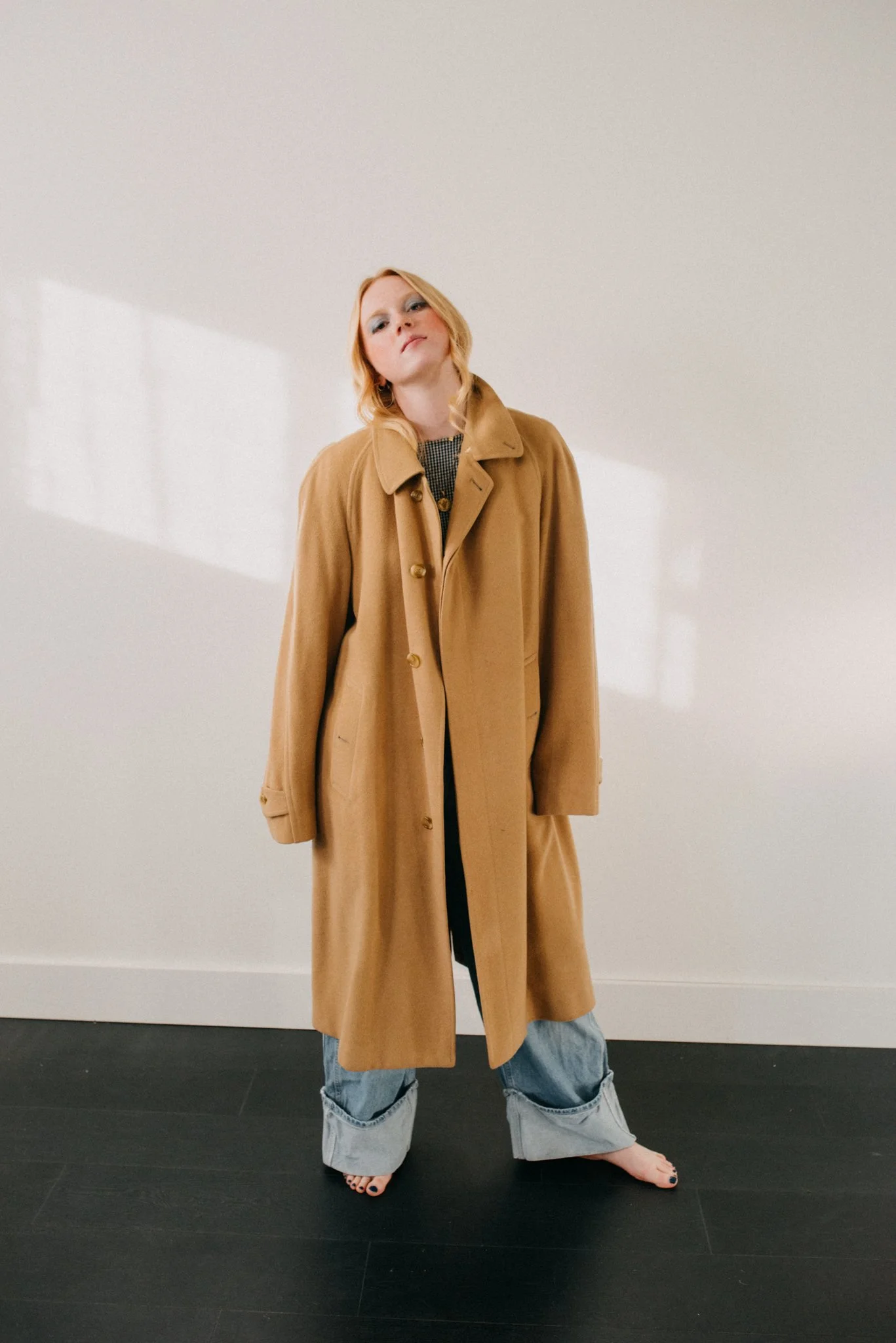
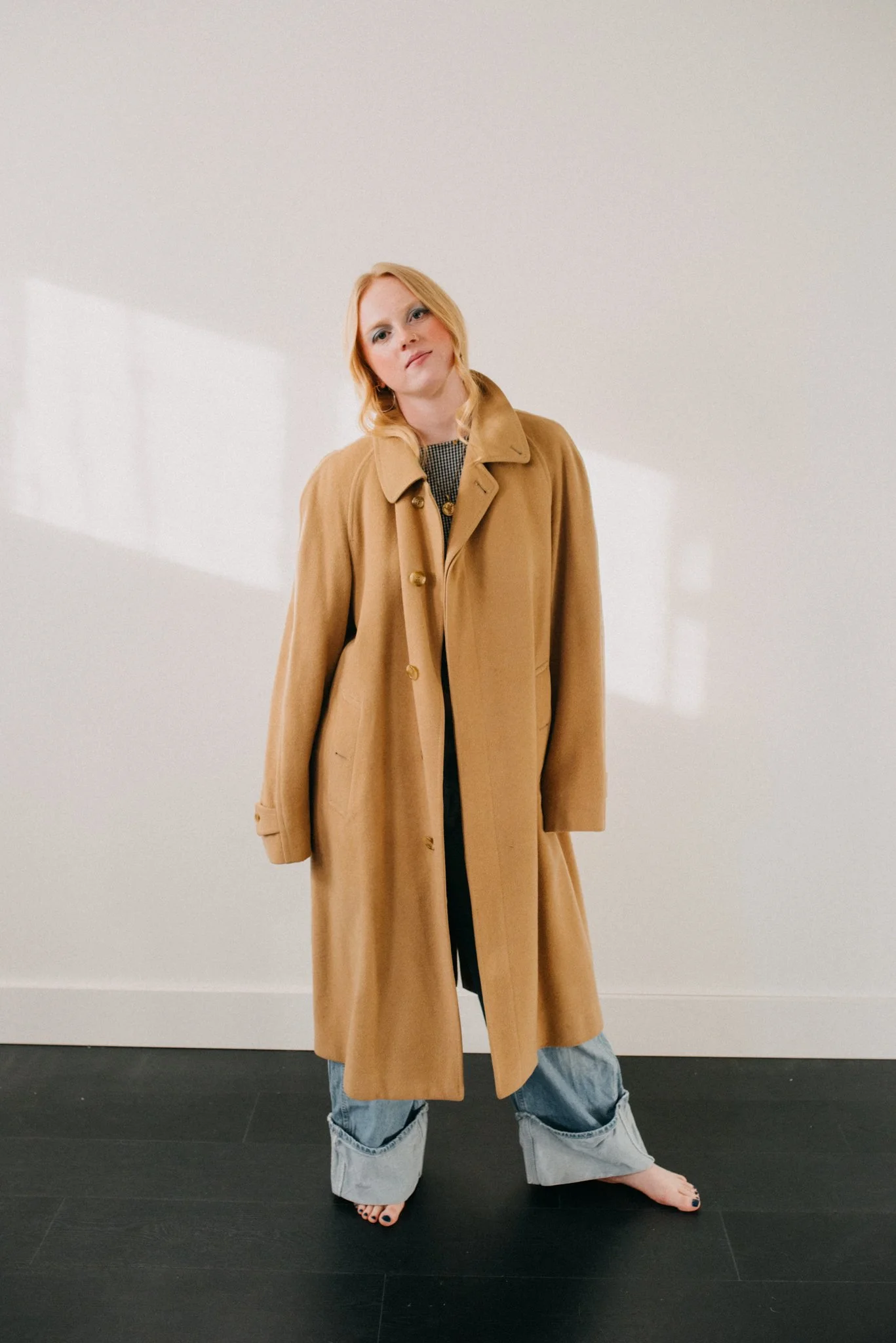
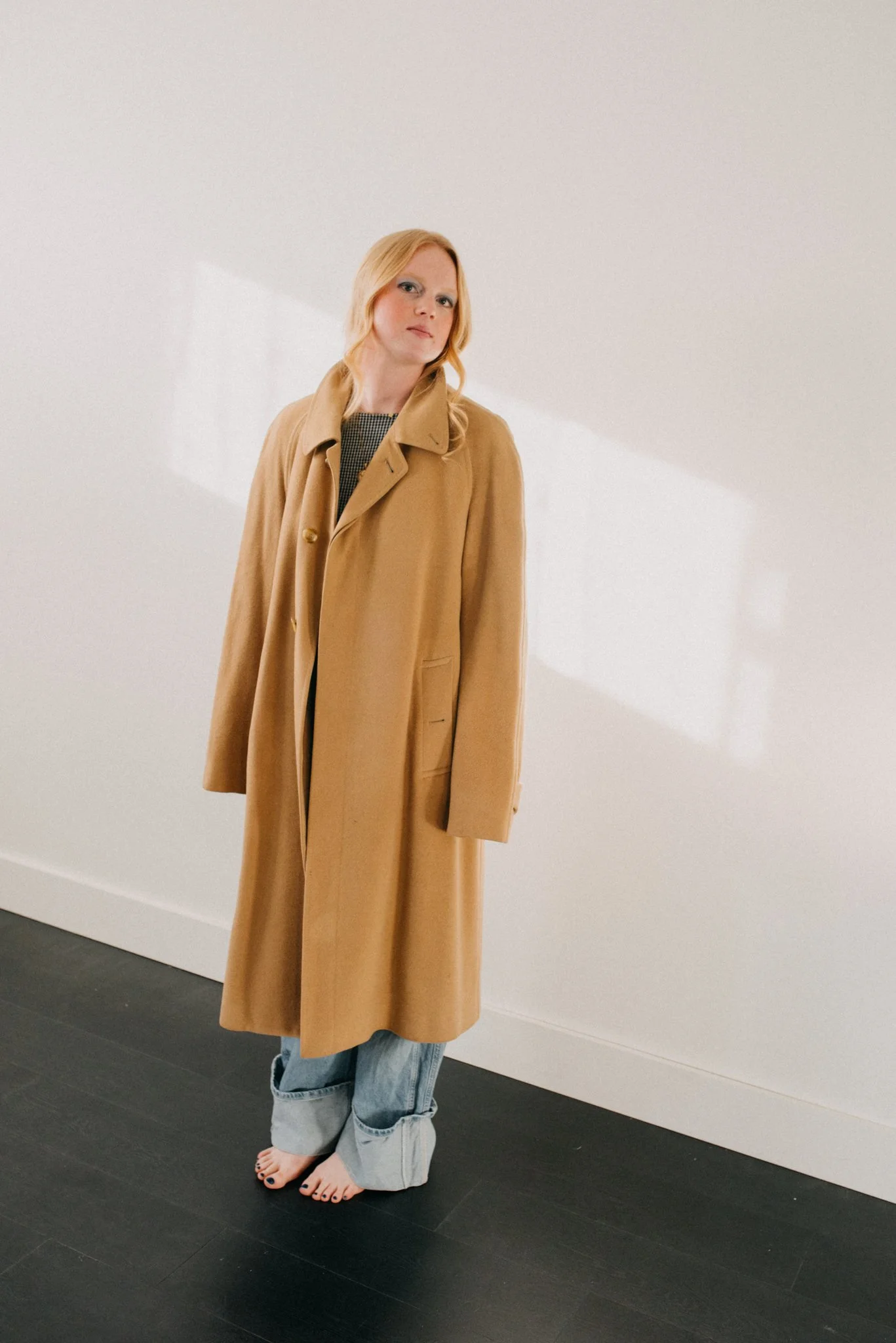
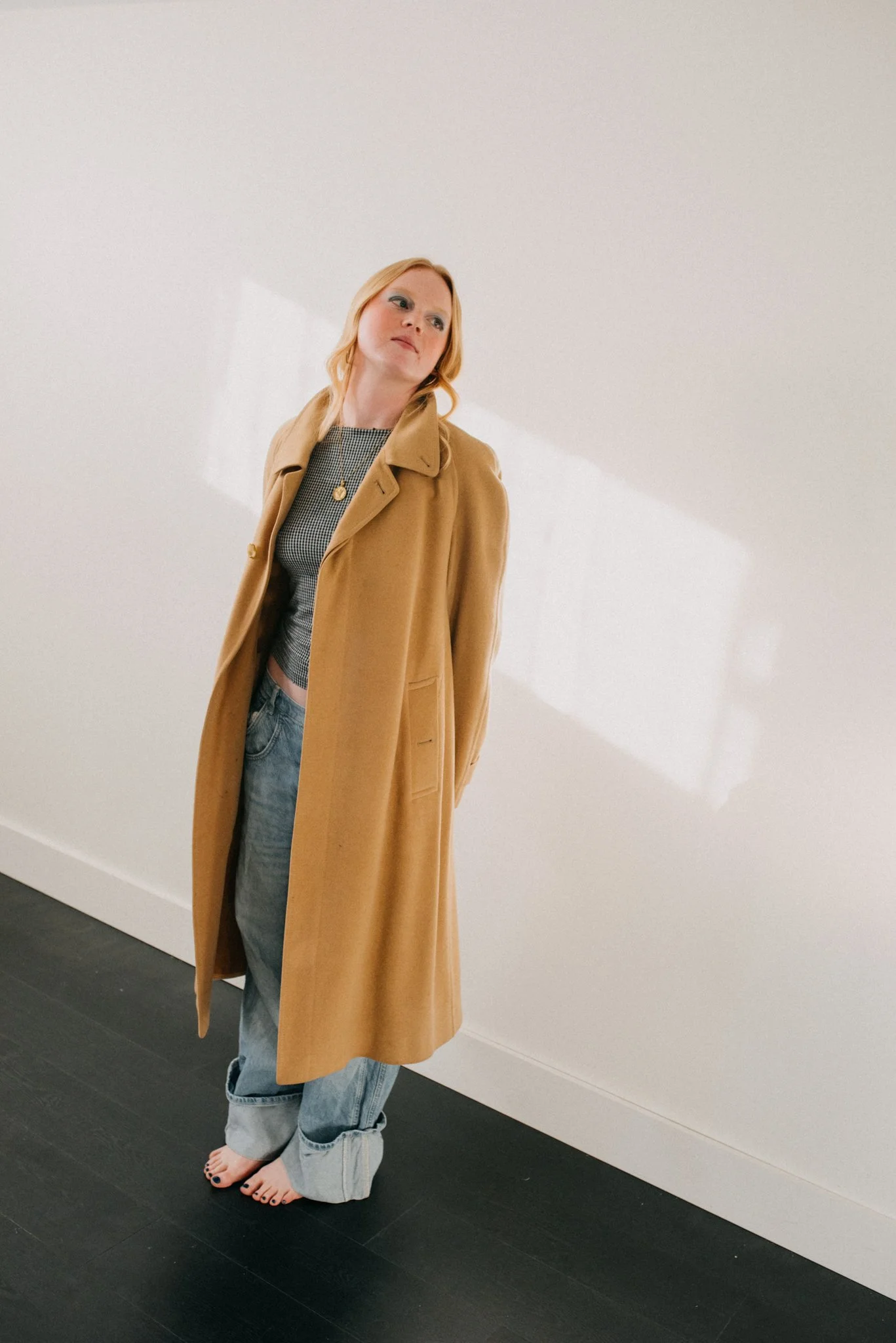
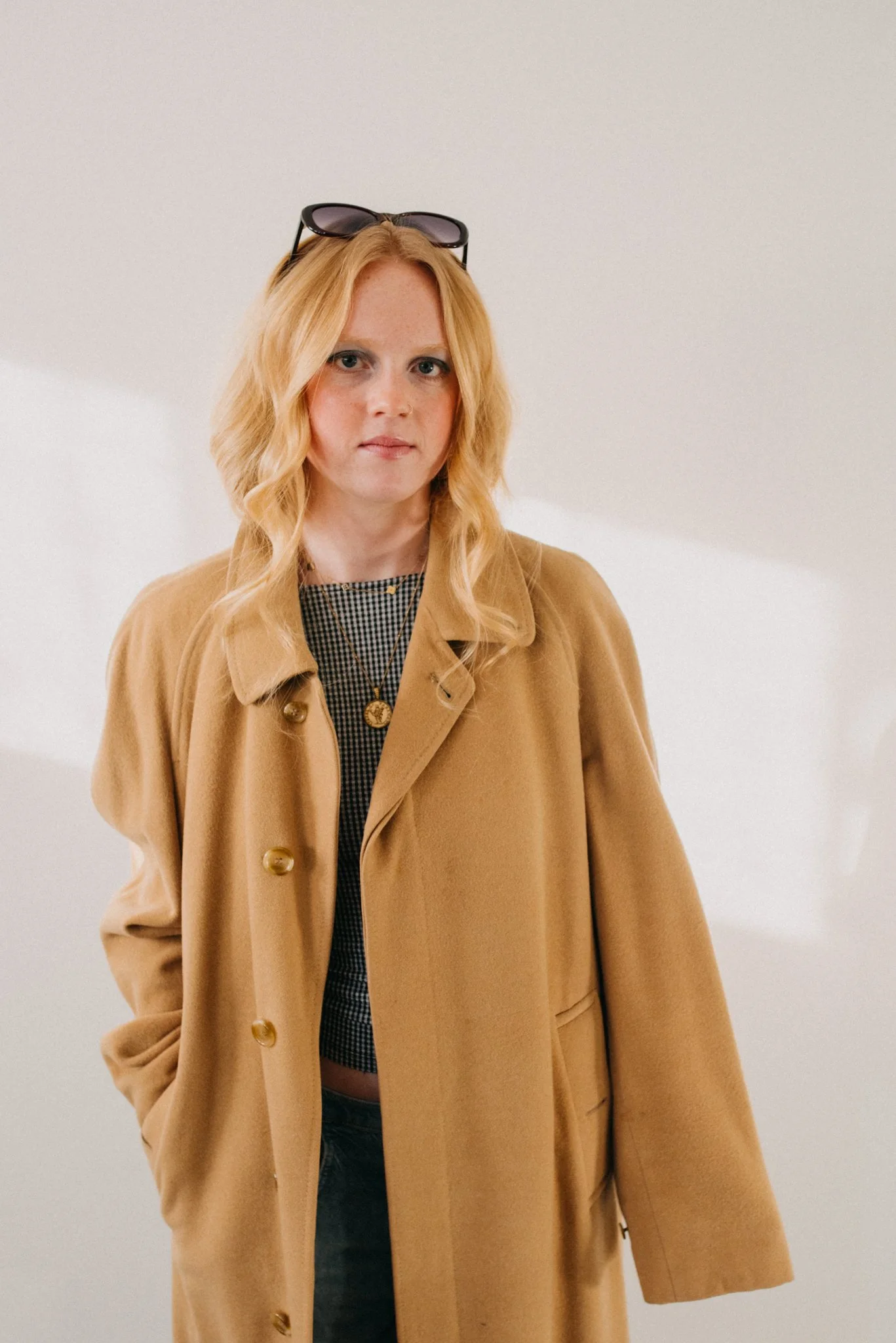
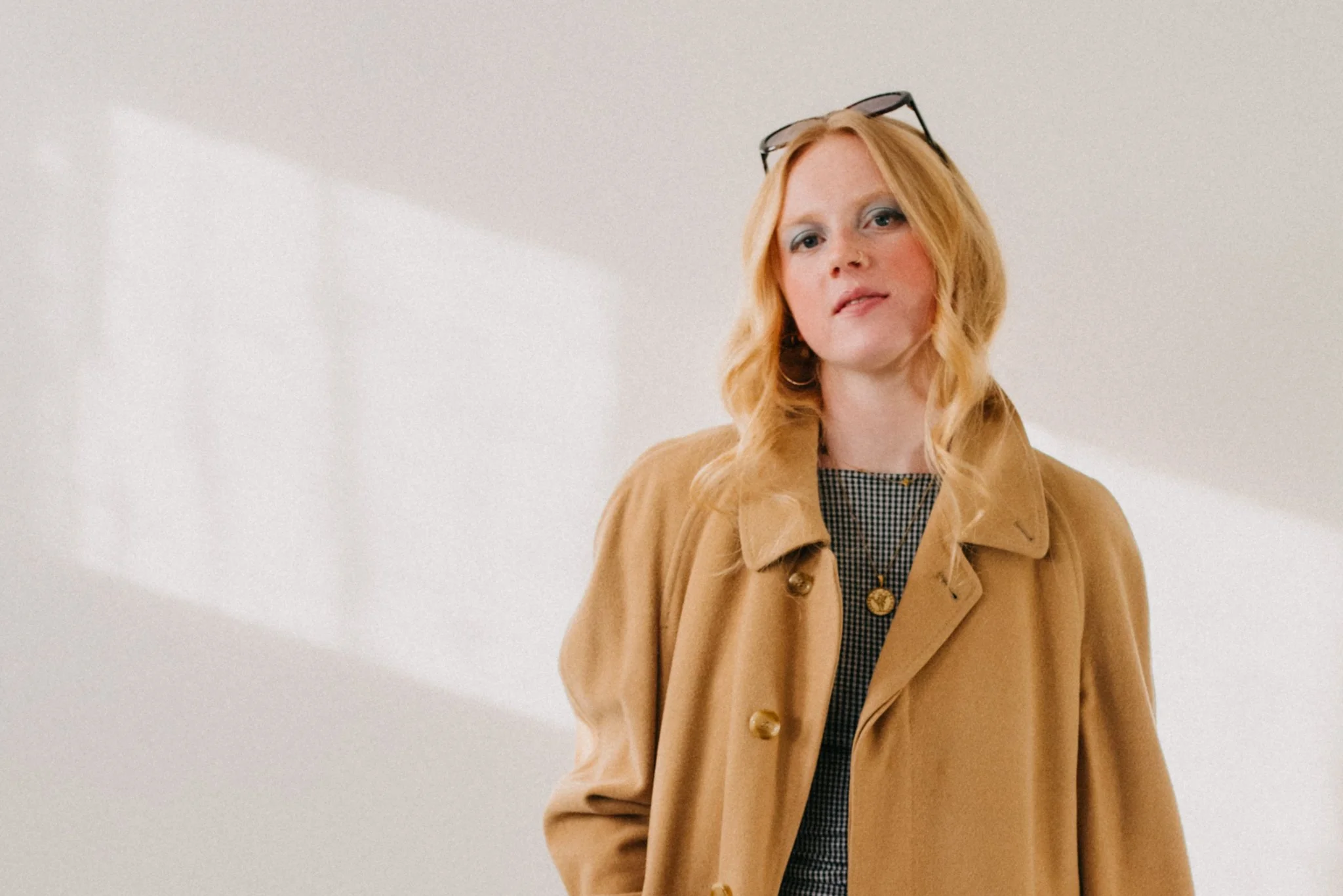
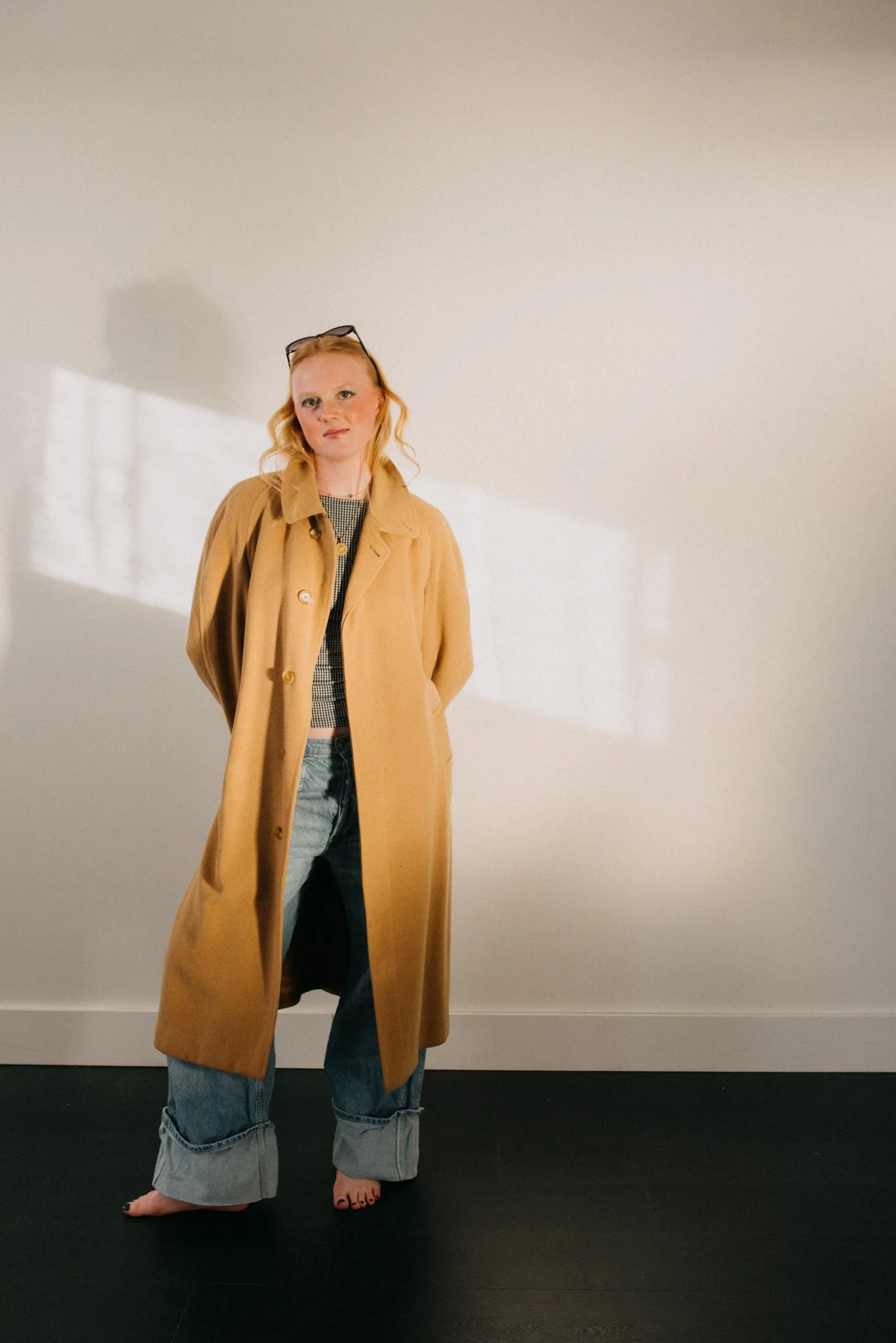
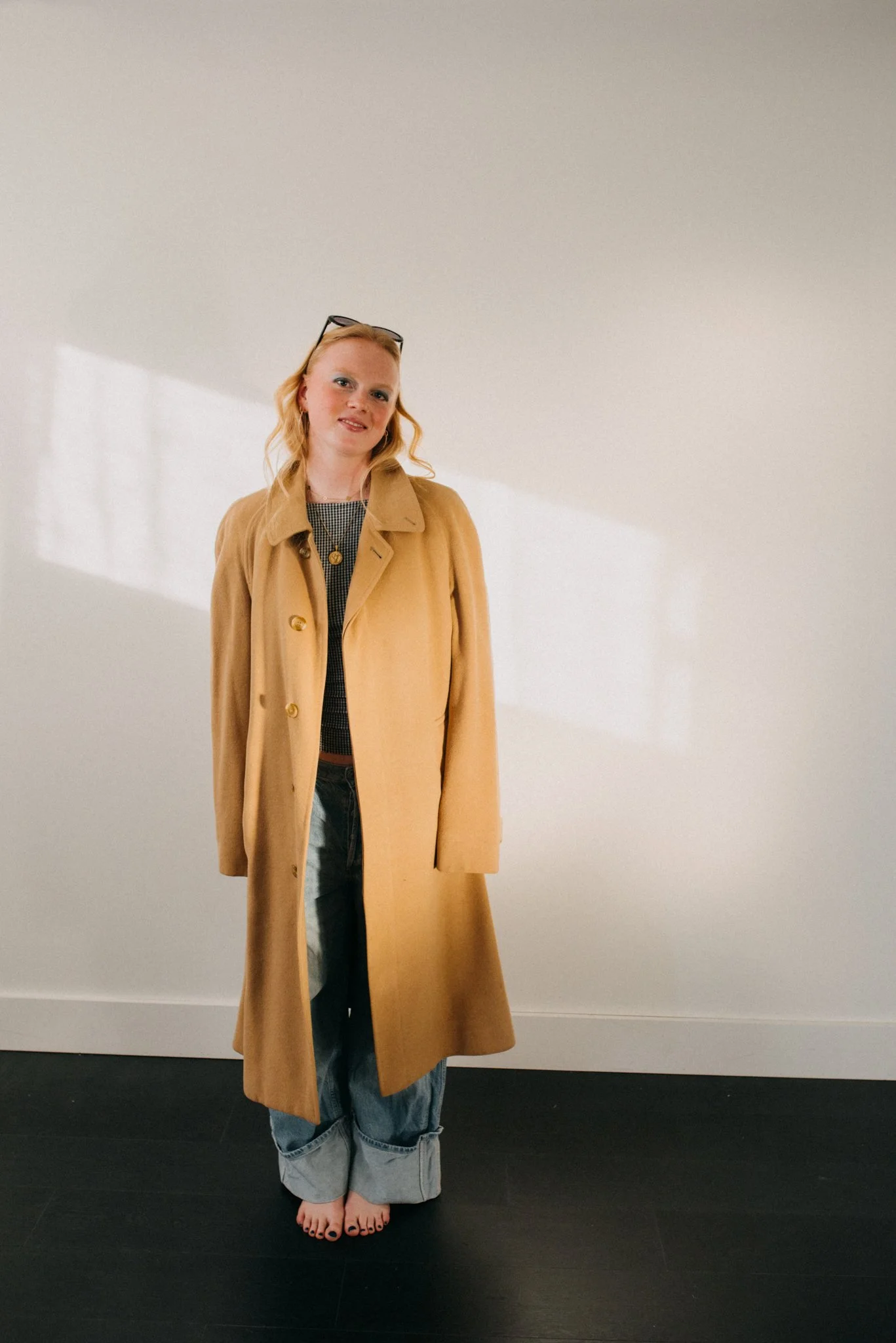
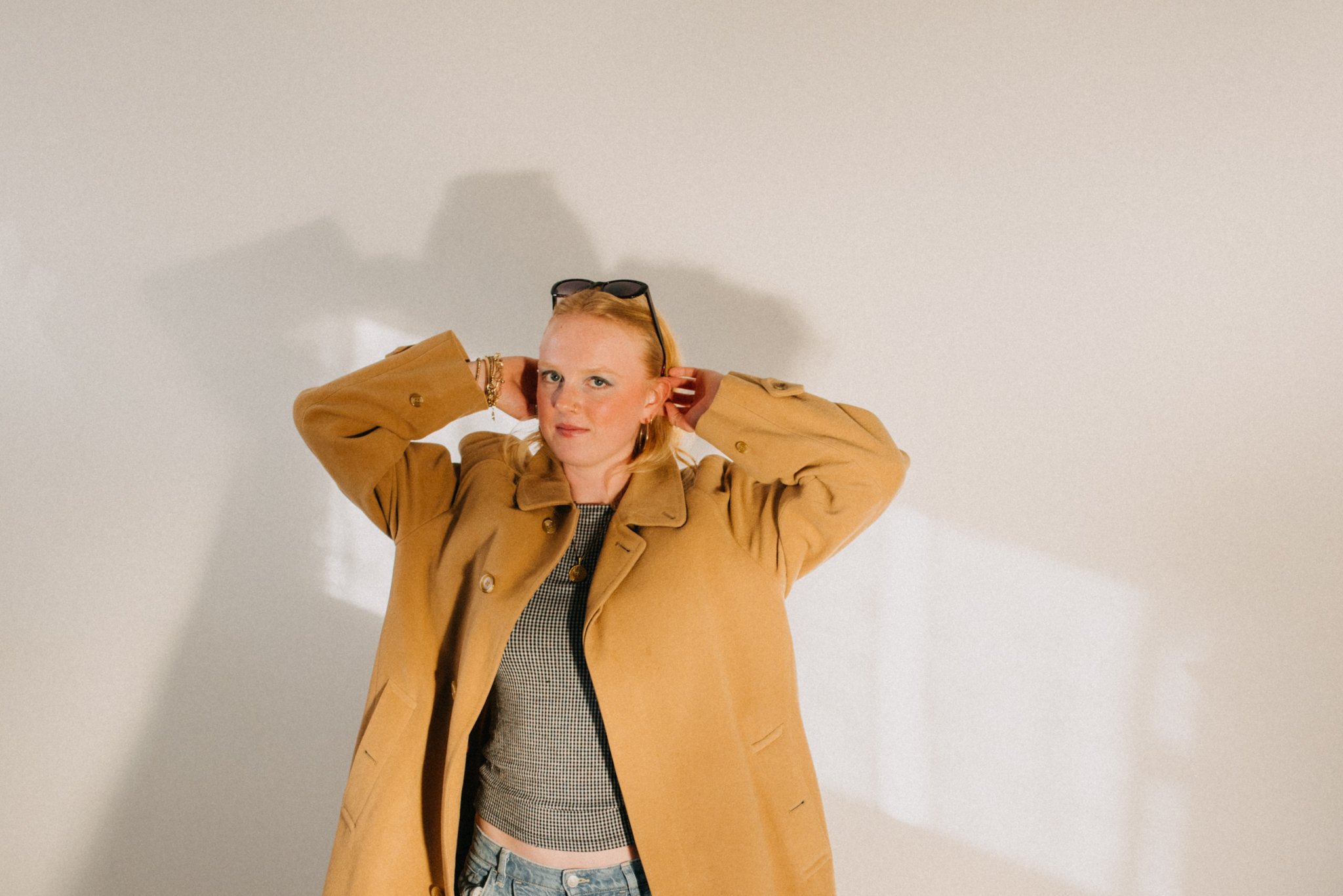
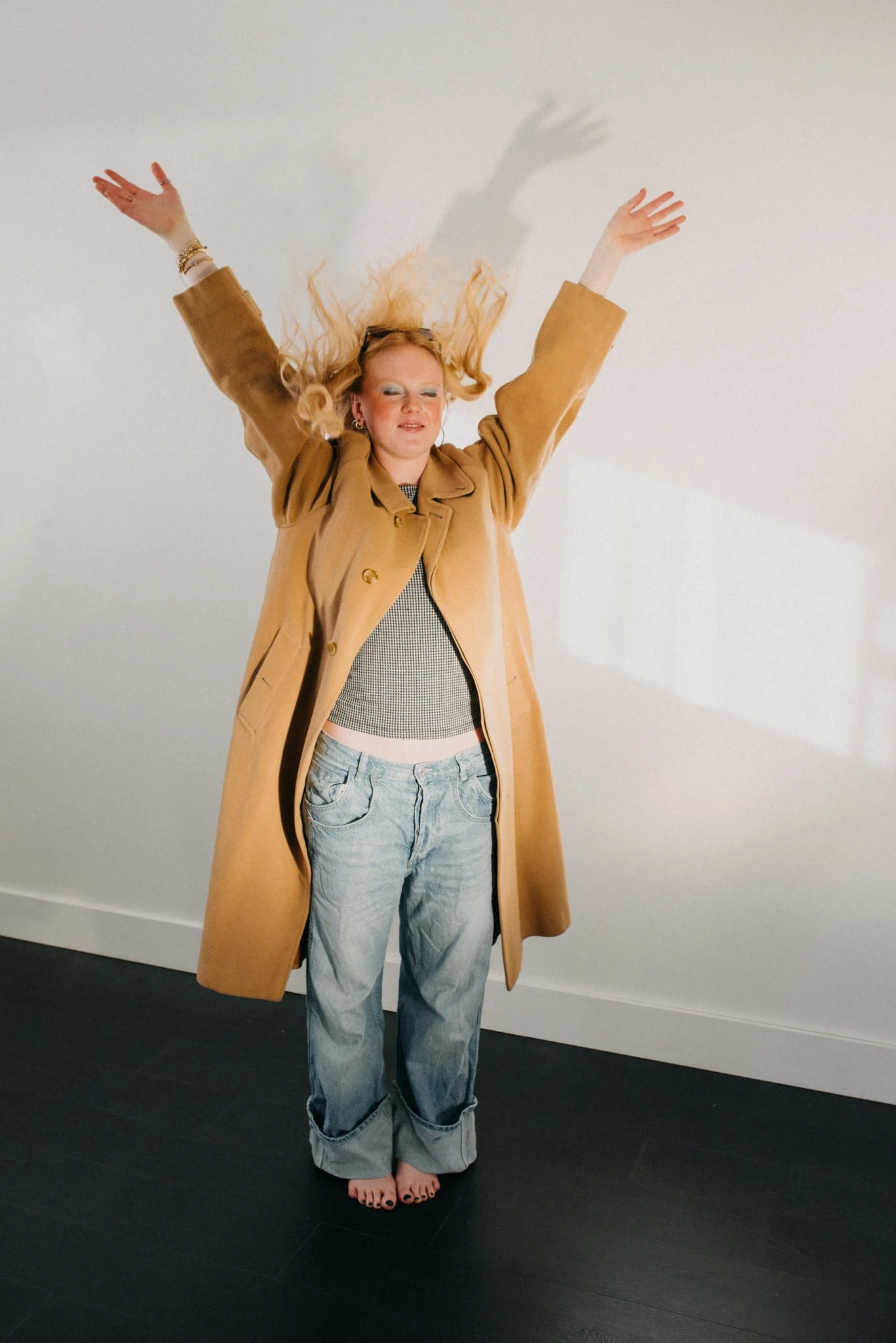
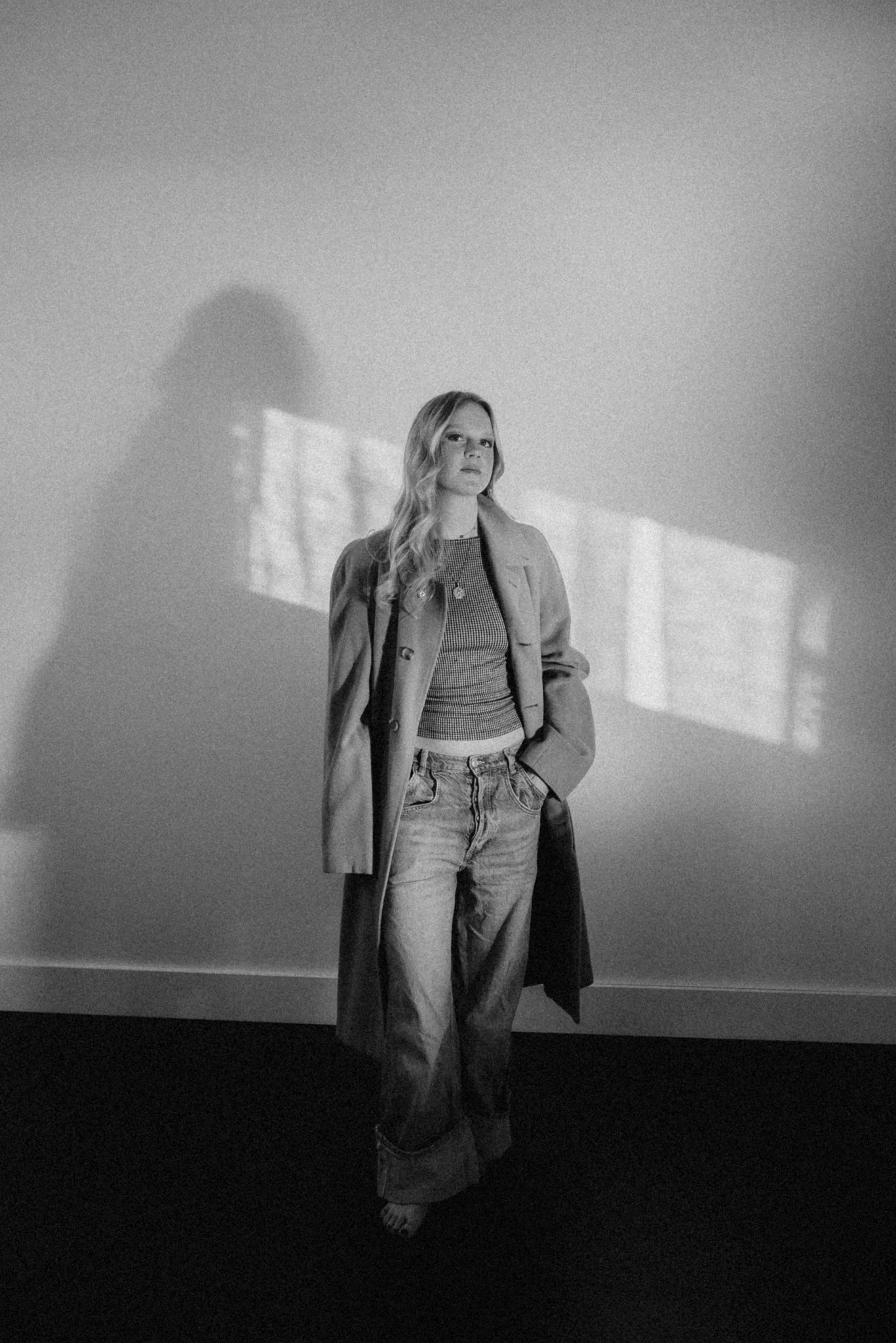
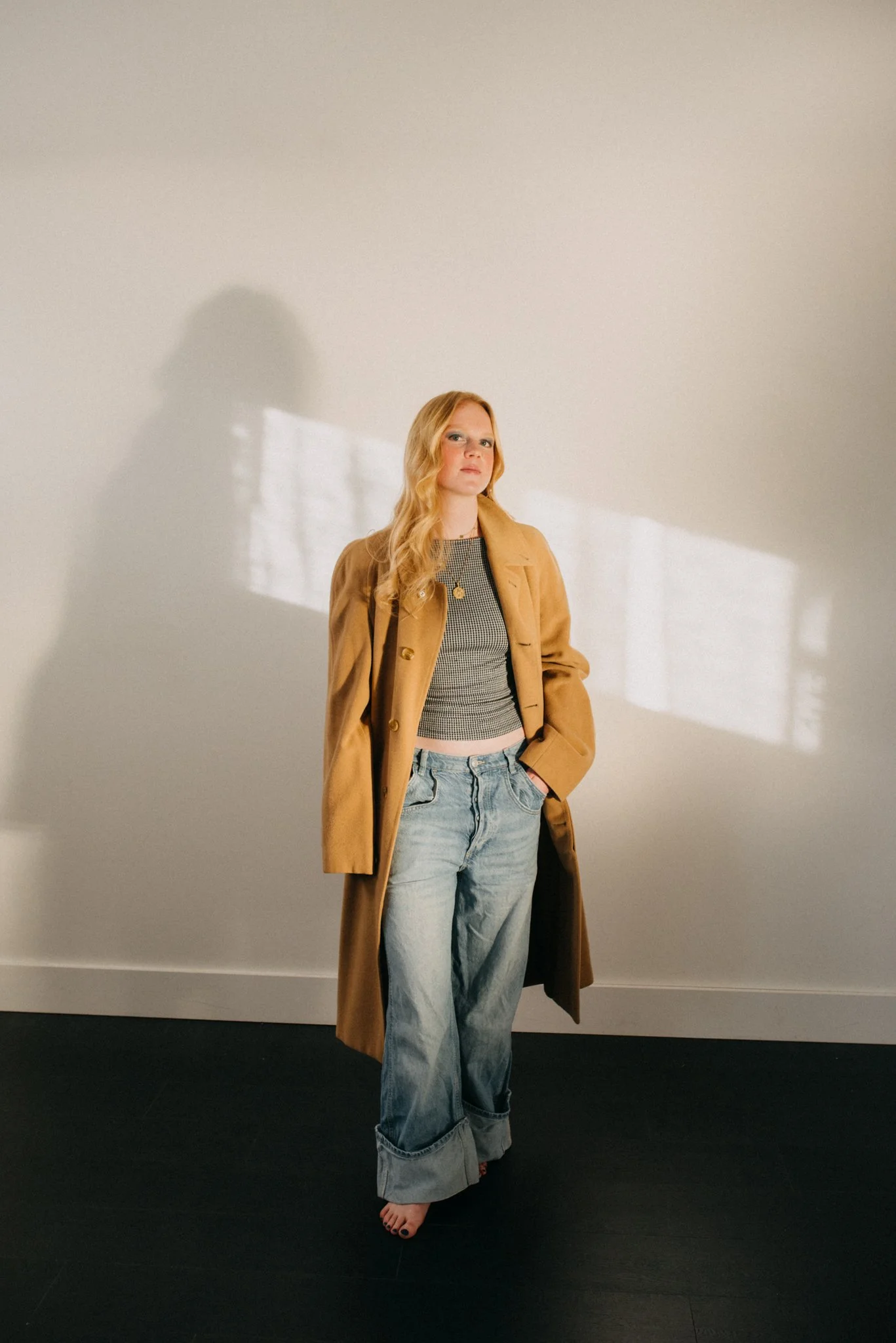
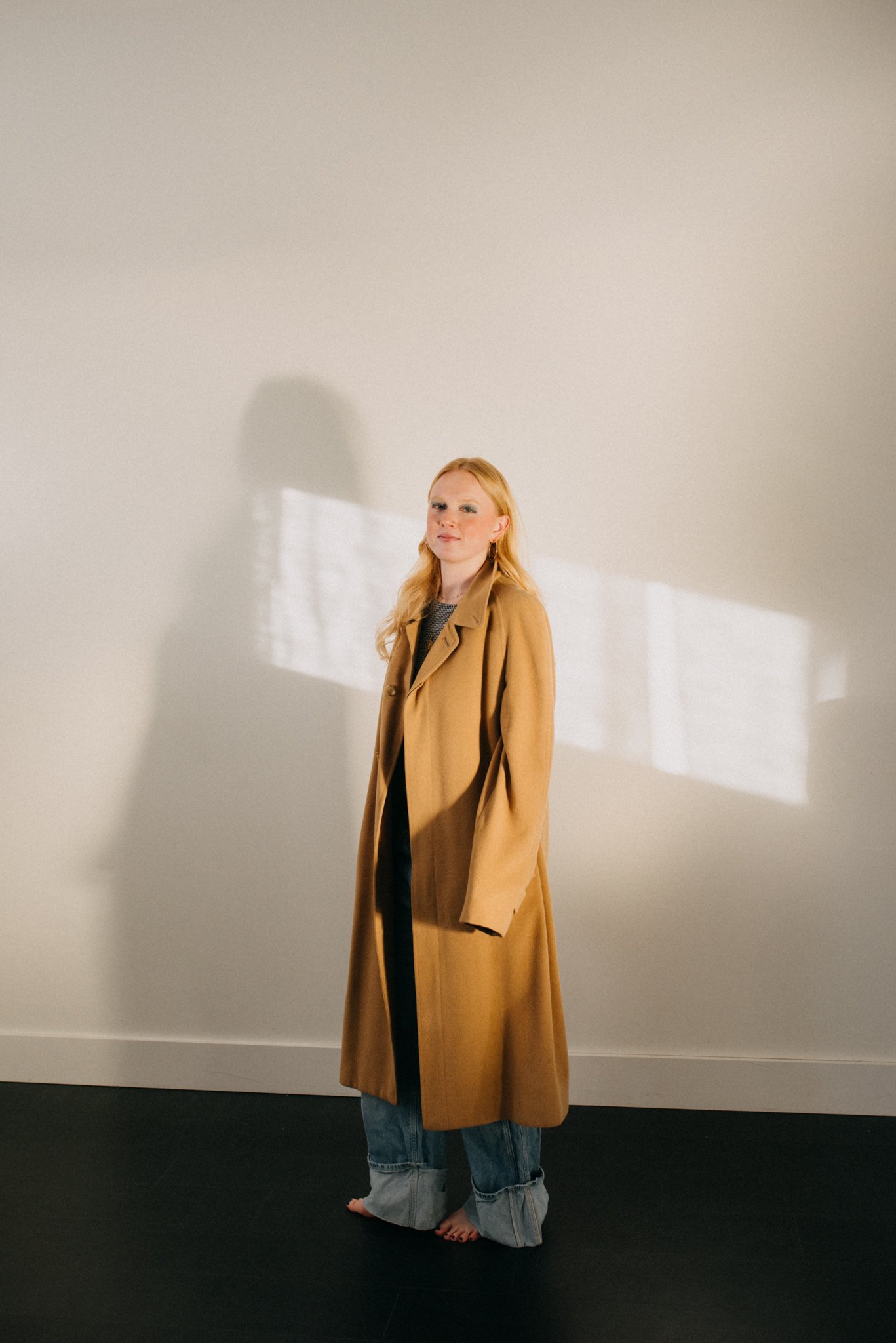
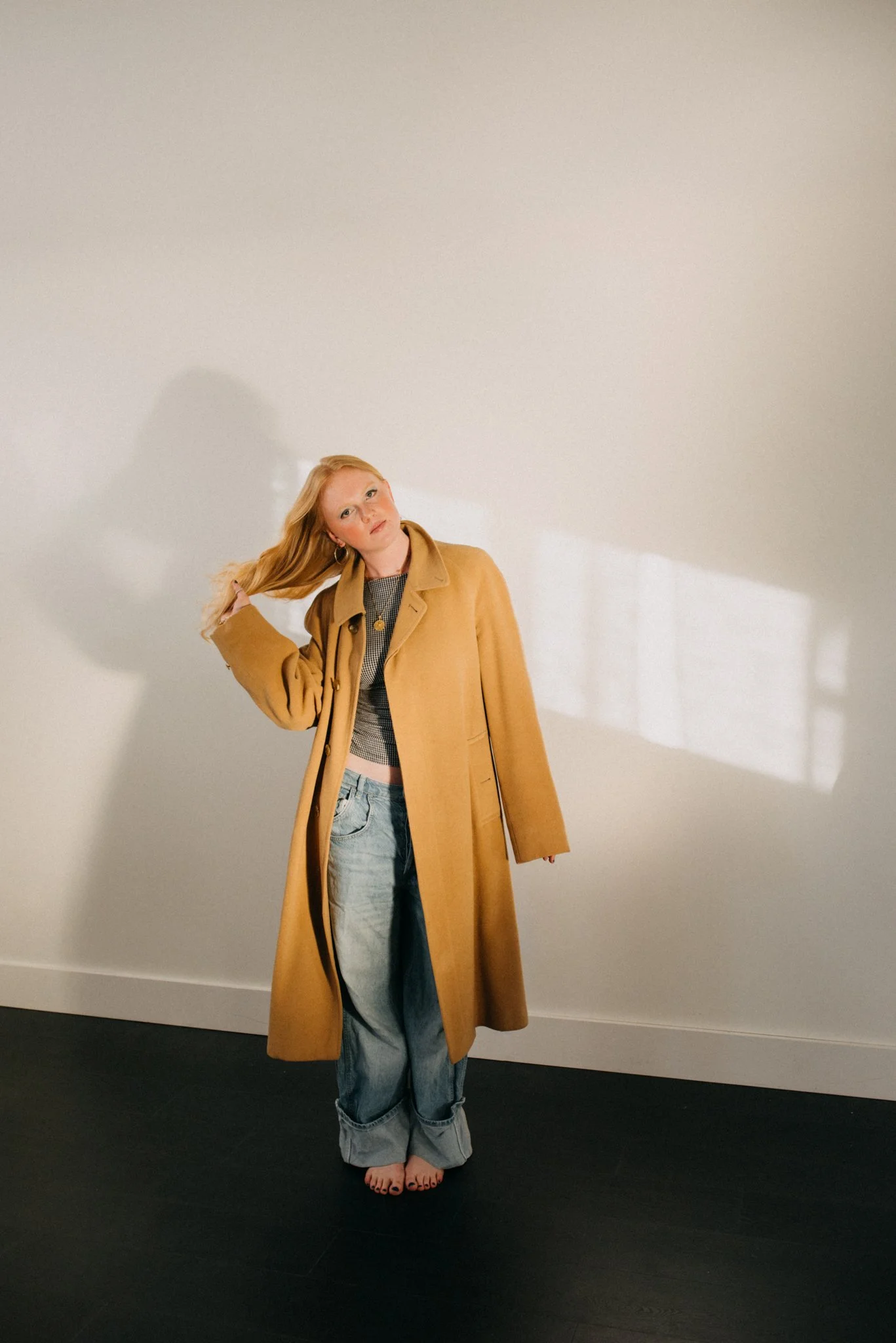
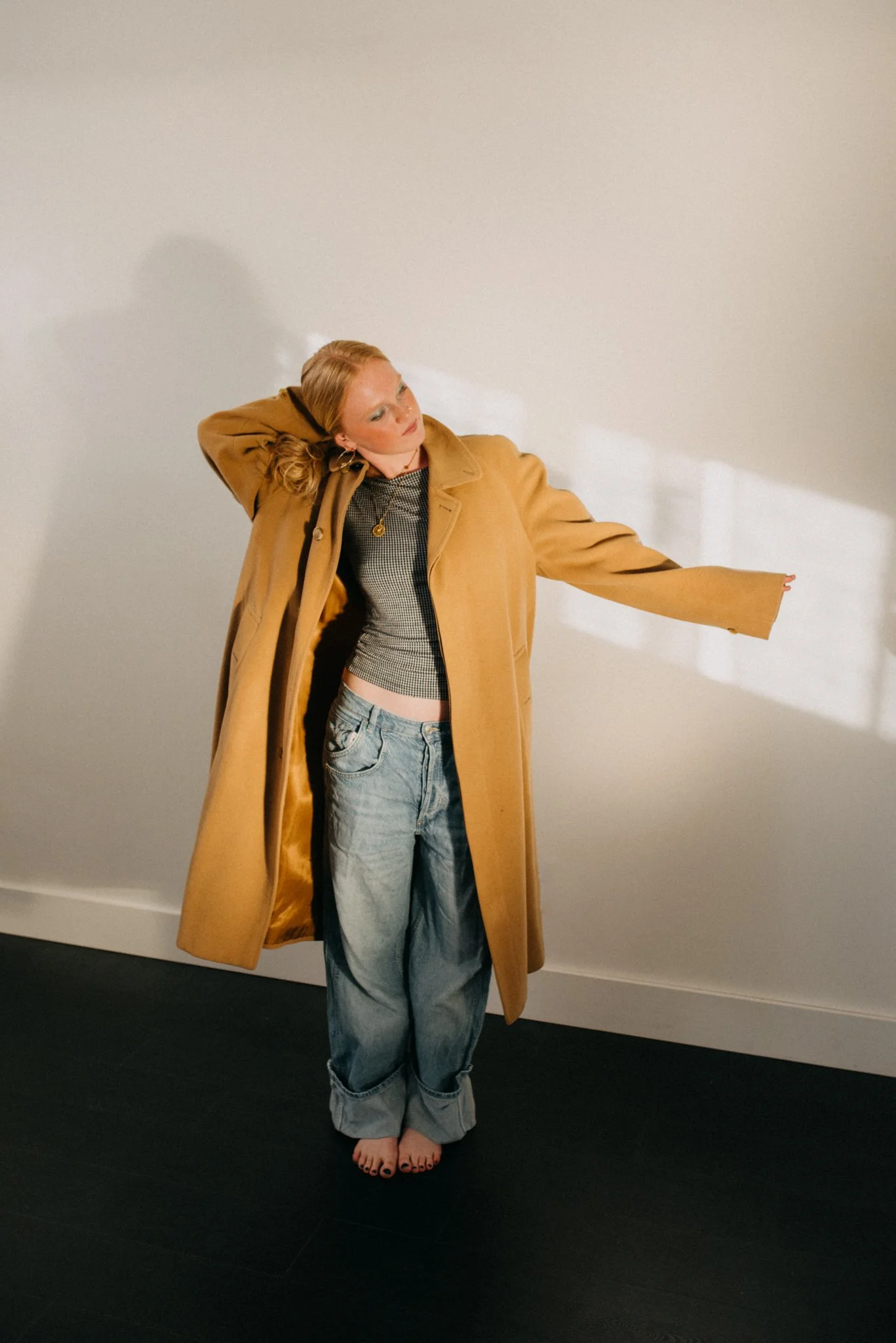
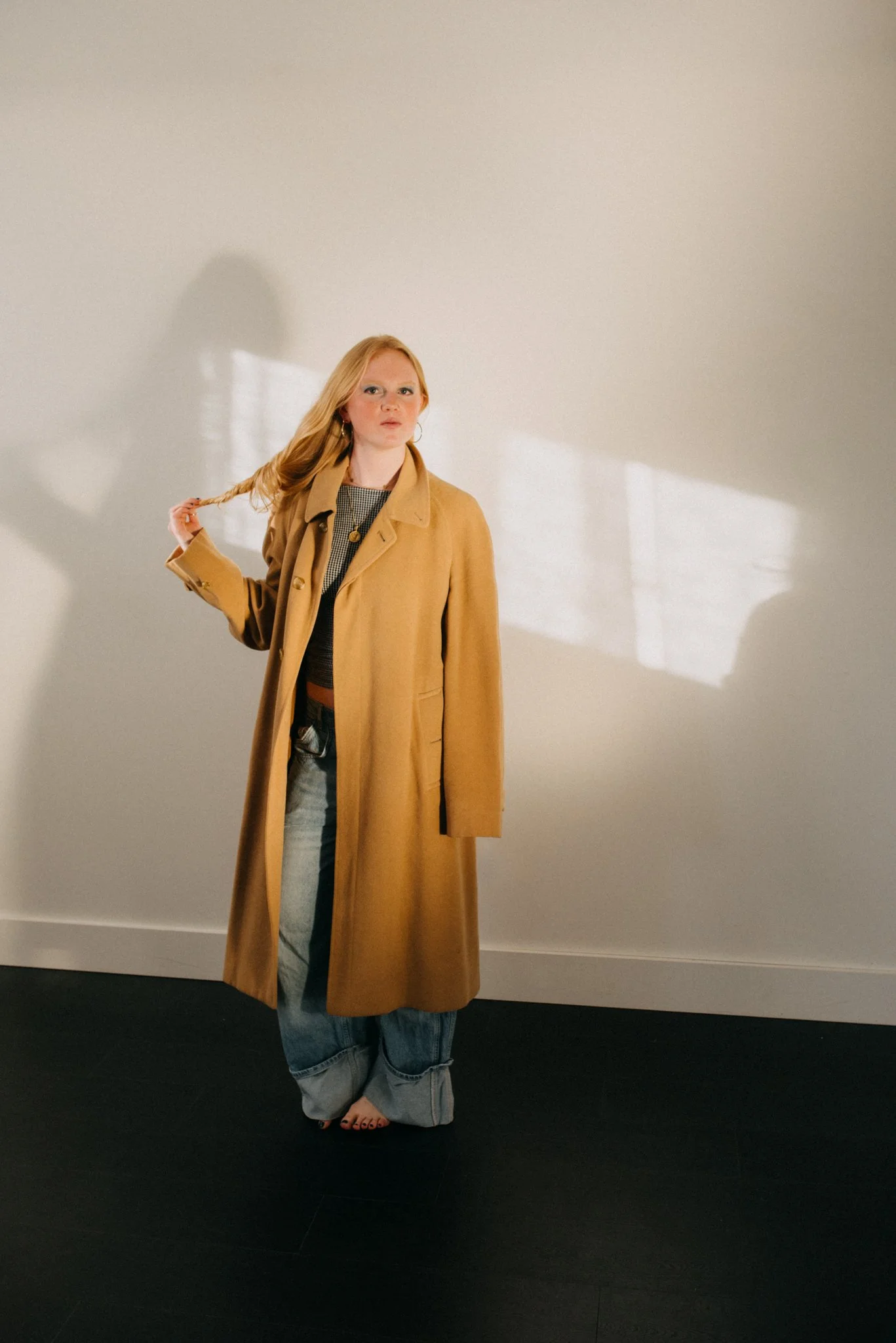
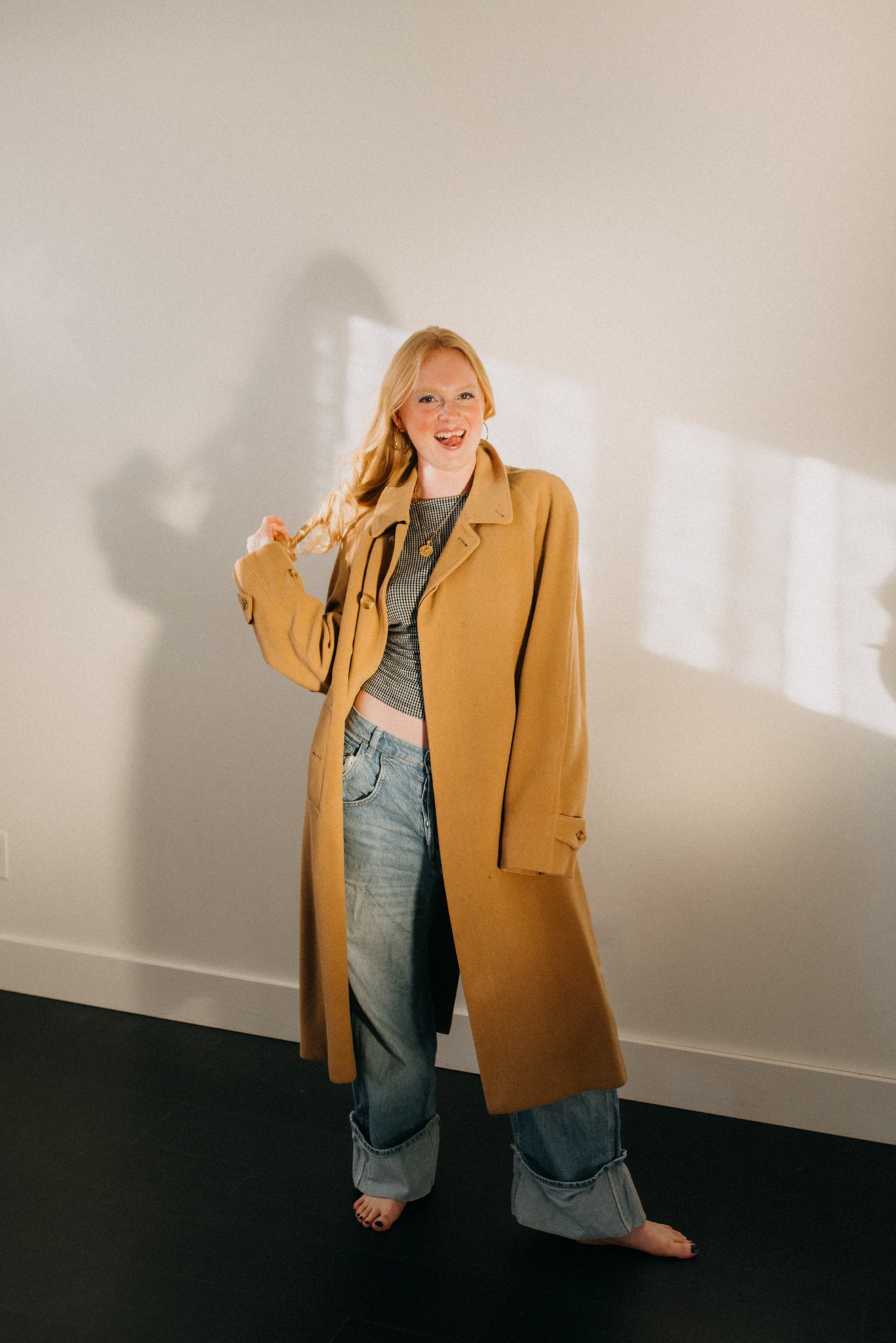
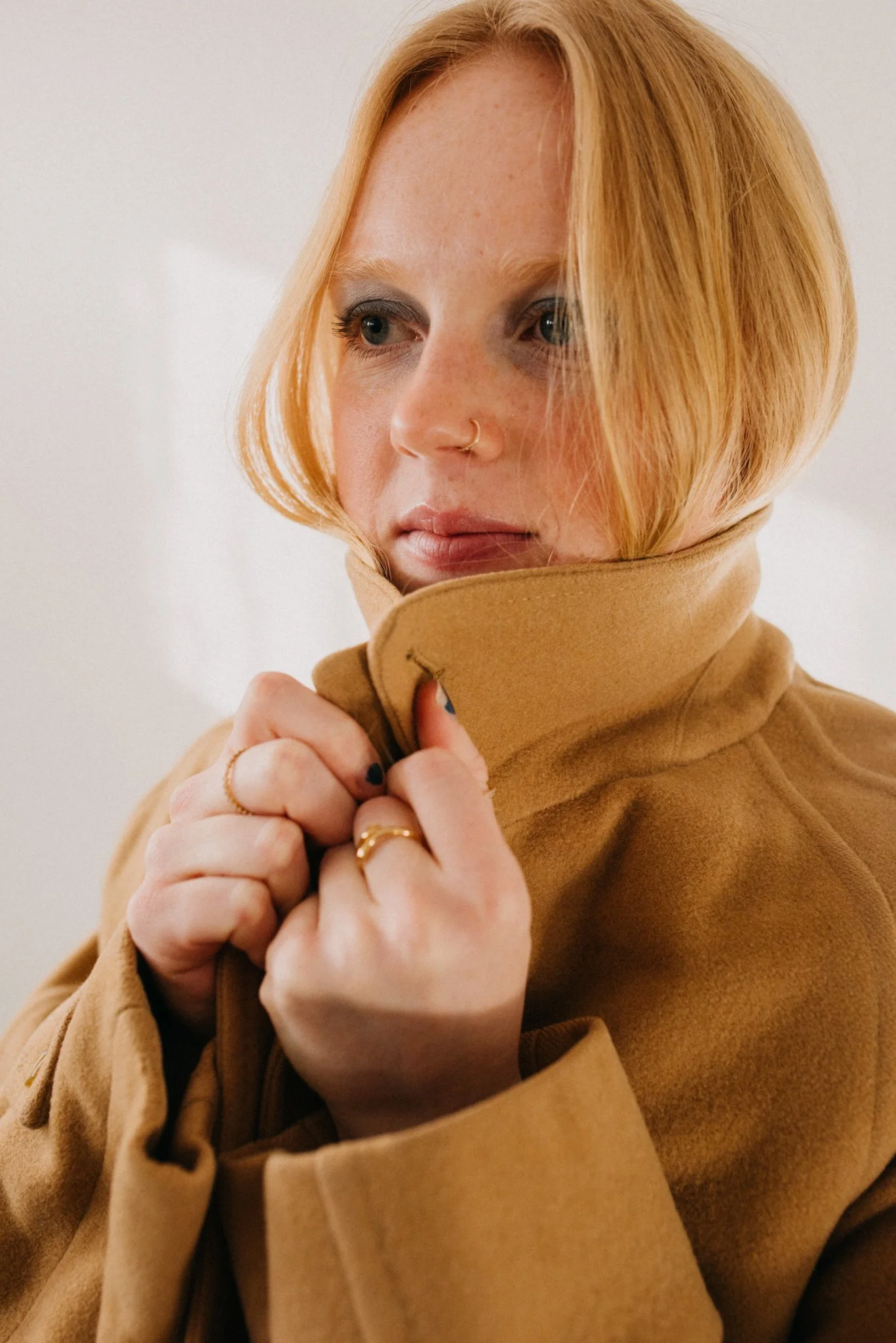
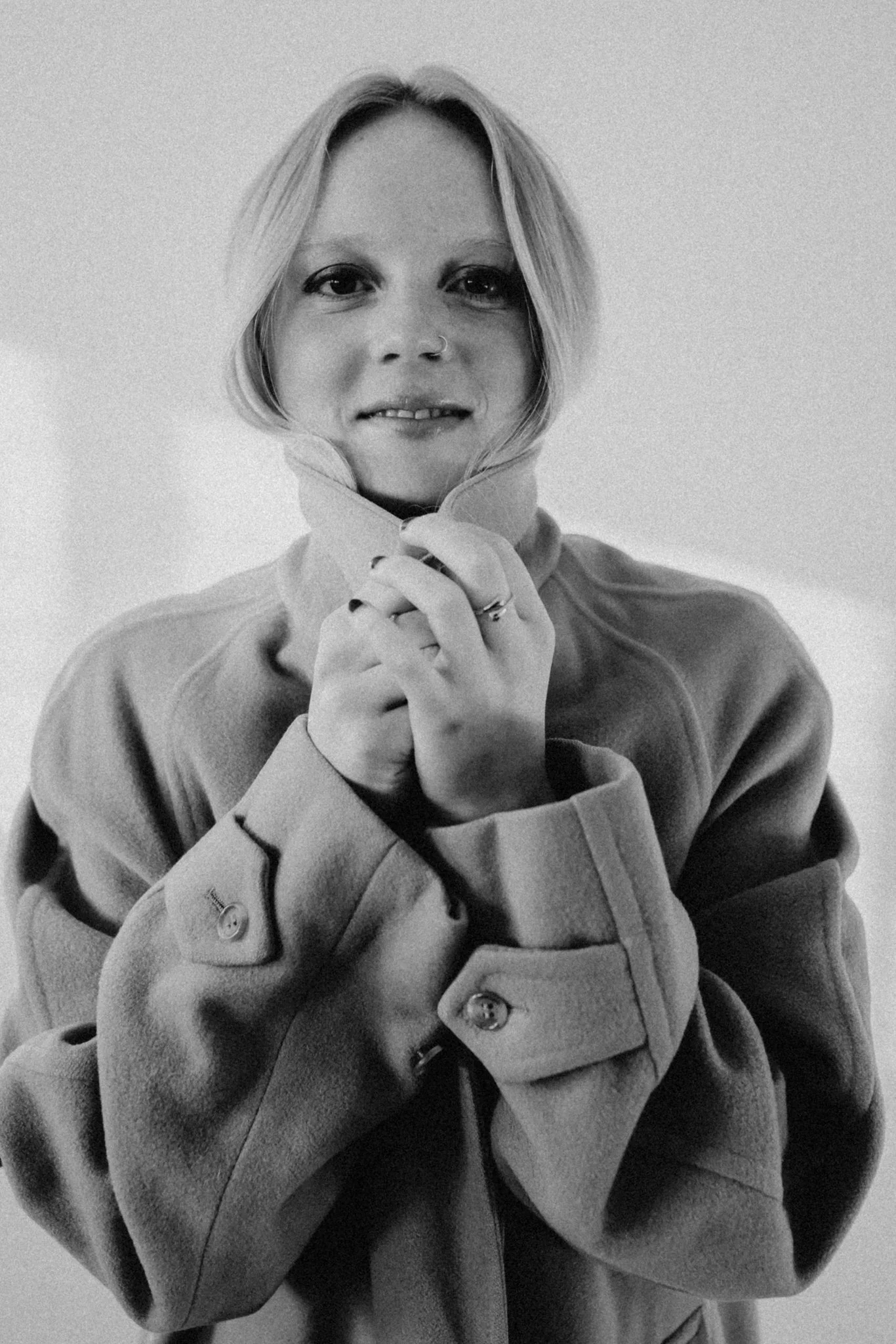
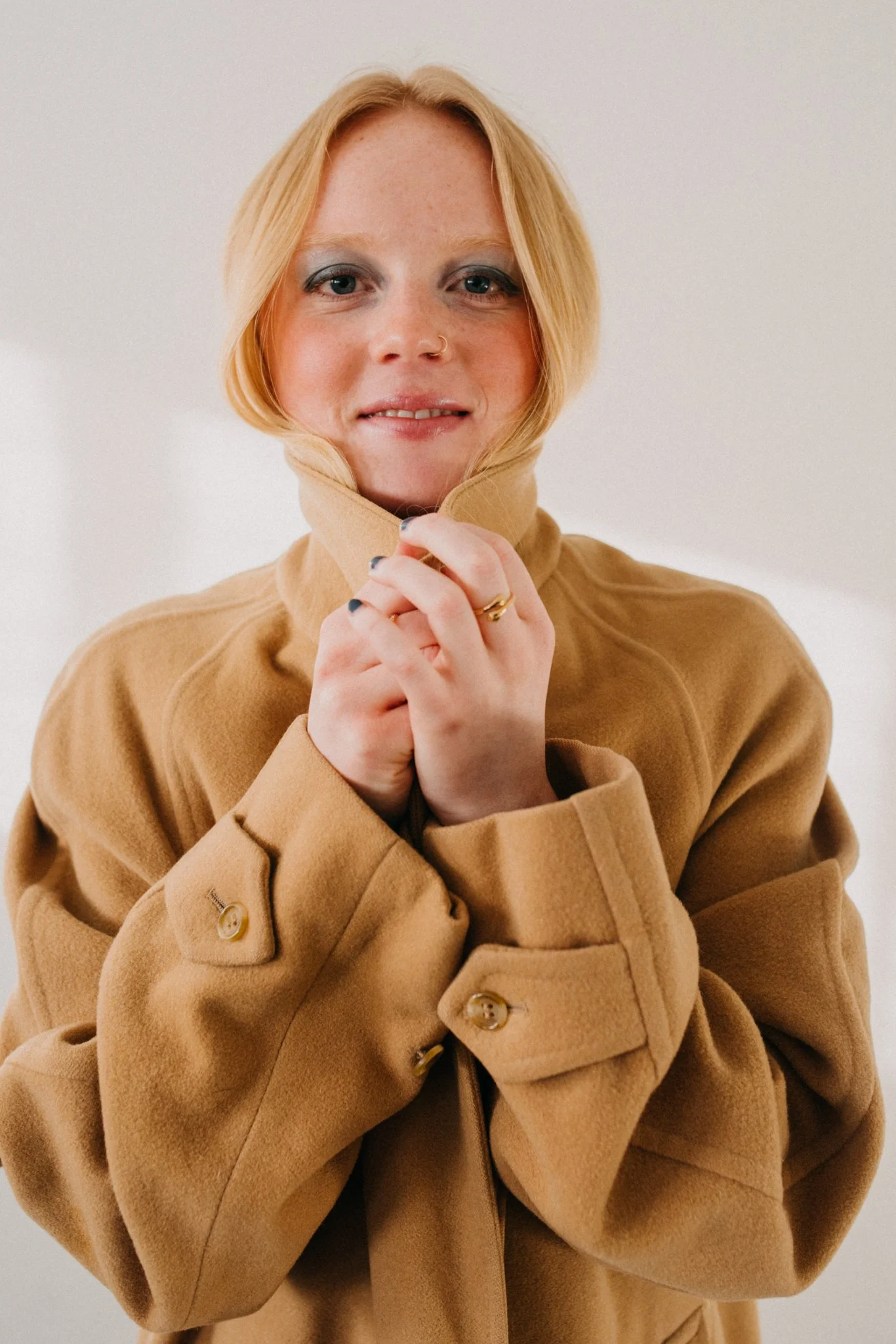
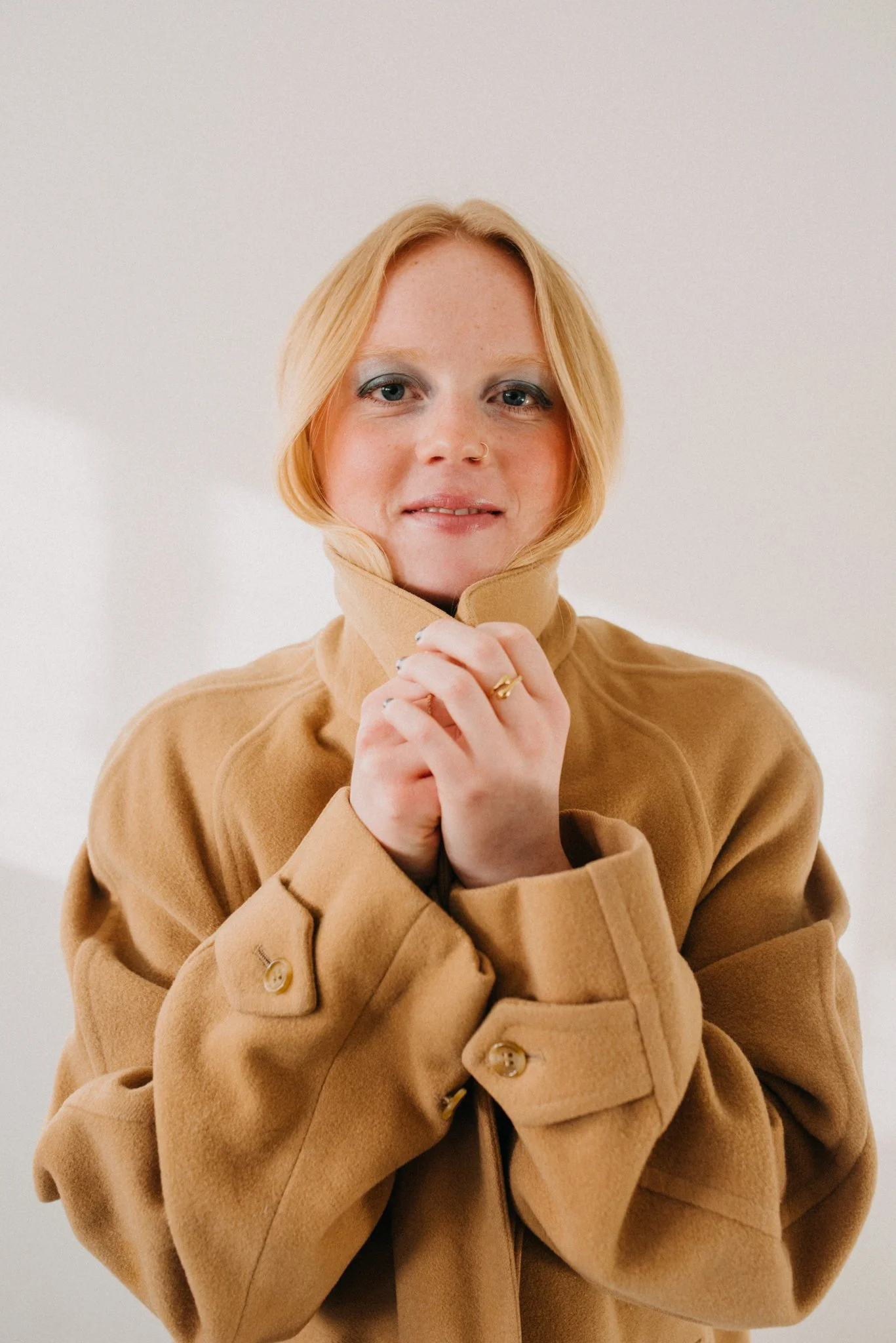
Camille Bisson is a Southern Maine personal stylist whose aesthetic is bold, vibrant, skewed, intelligent, and deeply street-aware.
She specializes in:
How to dress edgy but polished;
How to style asymmetrical outfits;
Olsen-twin highlights;
Elevated street style for grad school;
NYC-inspired personal styling;
Modern minimalist fashion with personality
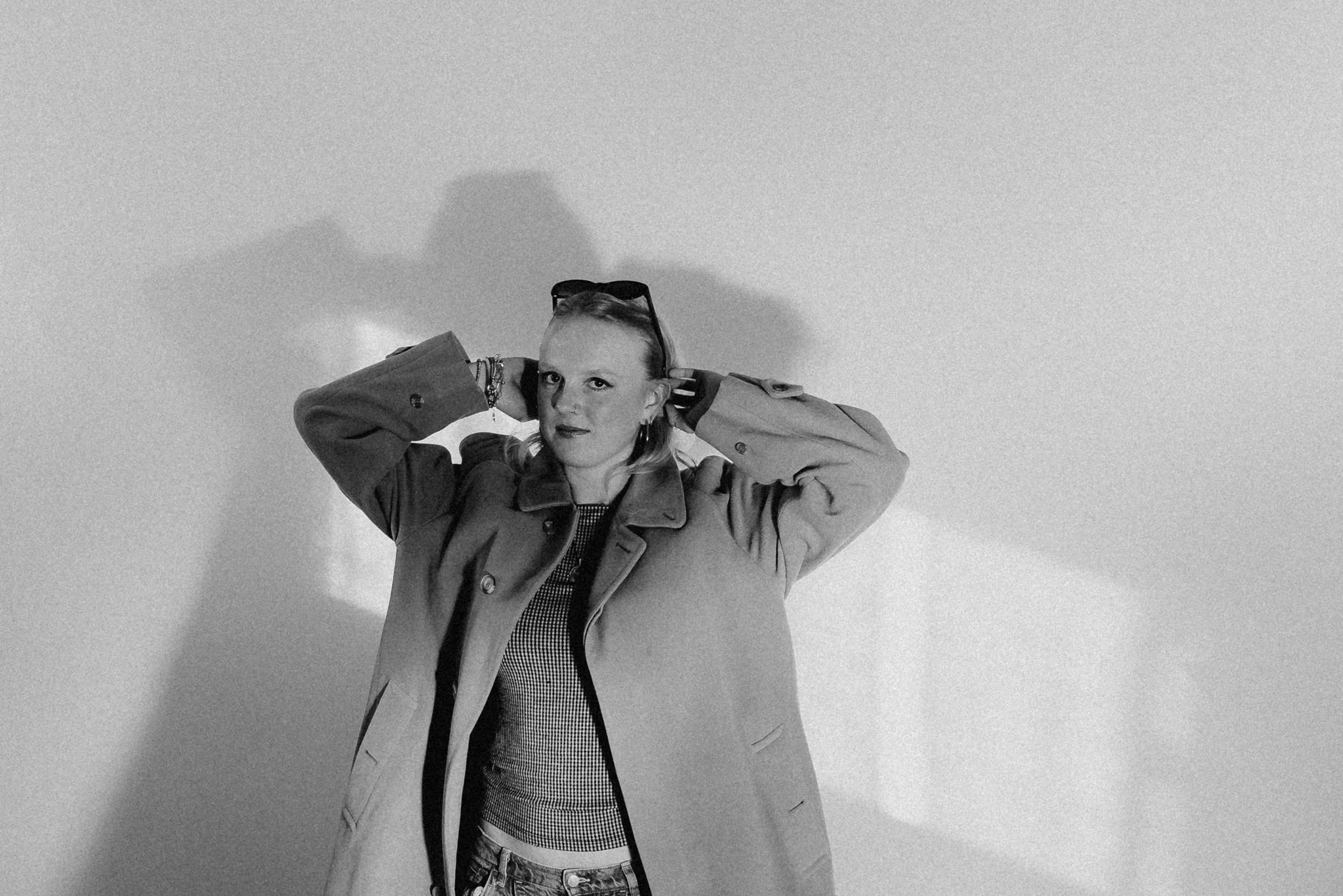
Her branding portraits needed to reflect exactly that…

The Girl Who Studies Fashion & Walks Like It’s Air
Her audience is young women who are becoming something.
Grad students in New York. Post-grads sharing apartments in Brooklyn. Creative assistants working late in SoHo. Women learning to edit themselves. Women learning to define themselves. Women who do not want to look like everyone else in the room.
They are not searching for “how to look pretty.”
They are searching for how to look intentional.
They Google things like:
…How do I dress interesting but professional?
…How do I build a wardrobe that feels like me?
…How do I look cool without looking like I tried?
…What does a personal stylist actually do?
And when they land on a website, they know within seconds whether the woman behind it understands them. That is why branding photography matters. Not because images are decorative, but because images are proof.
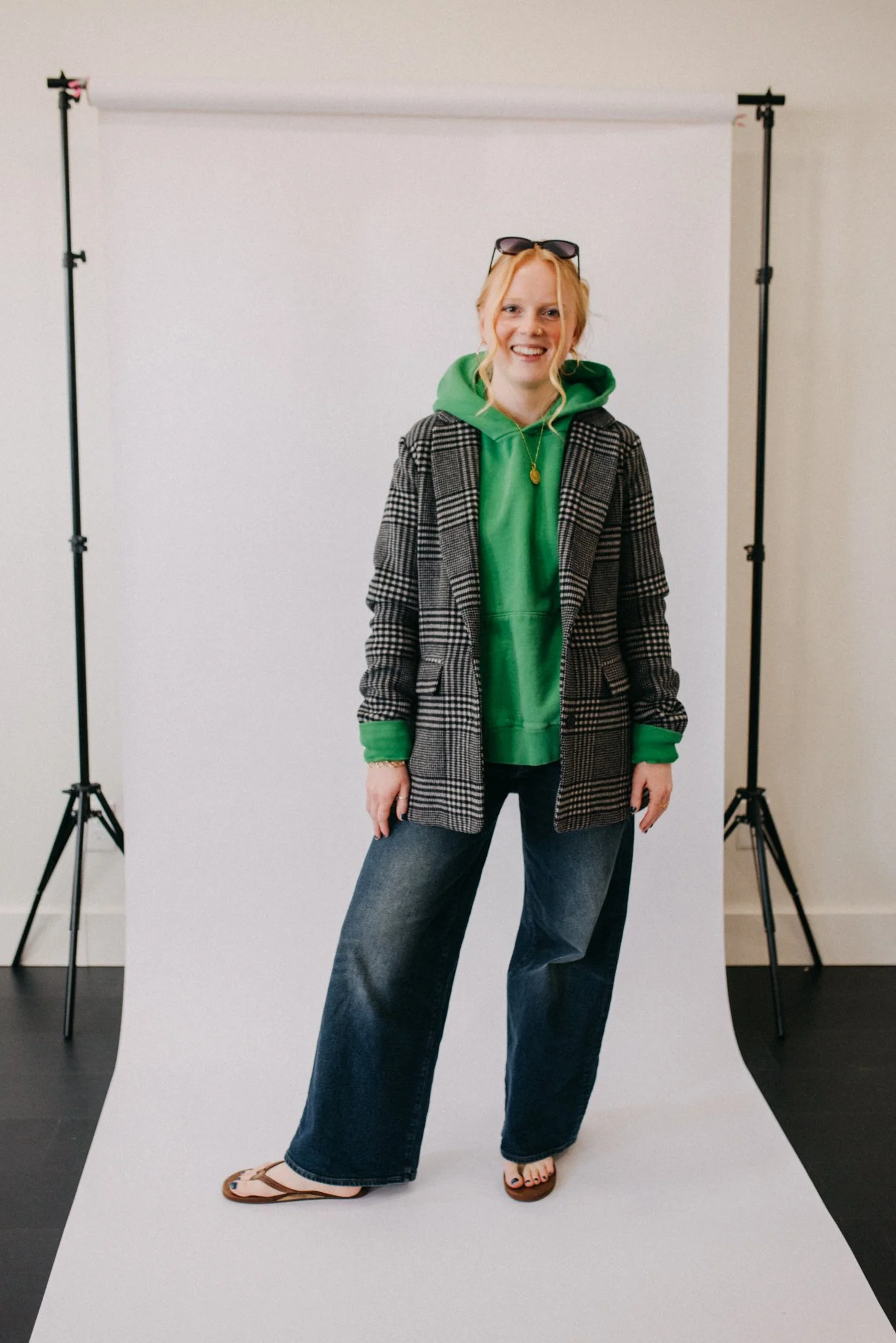
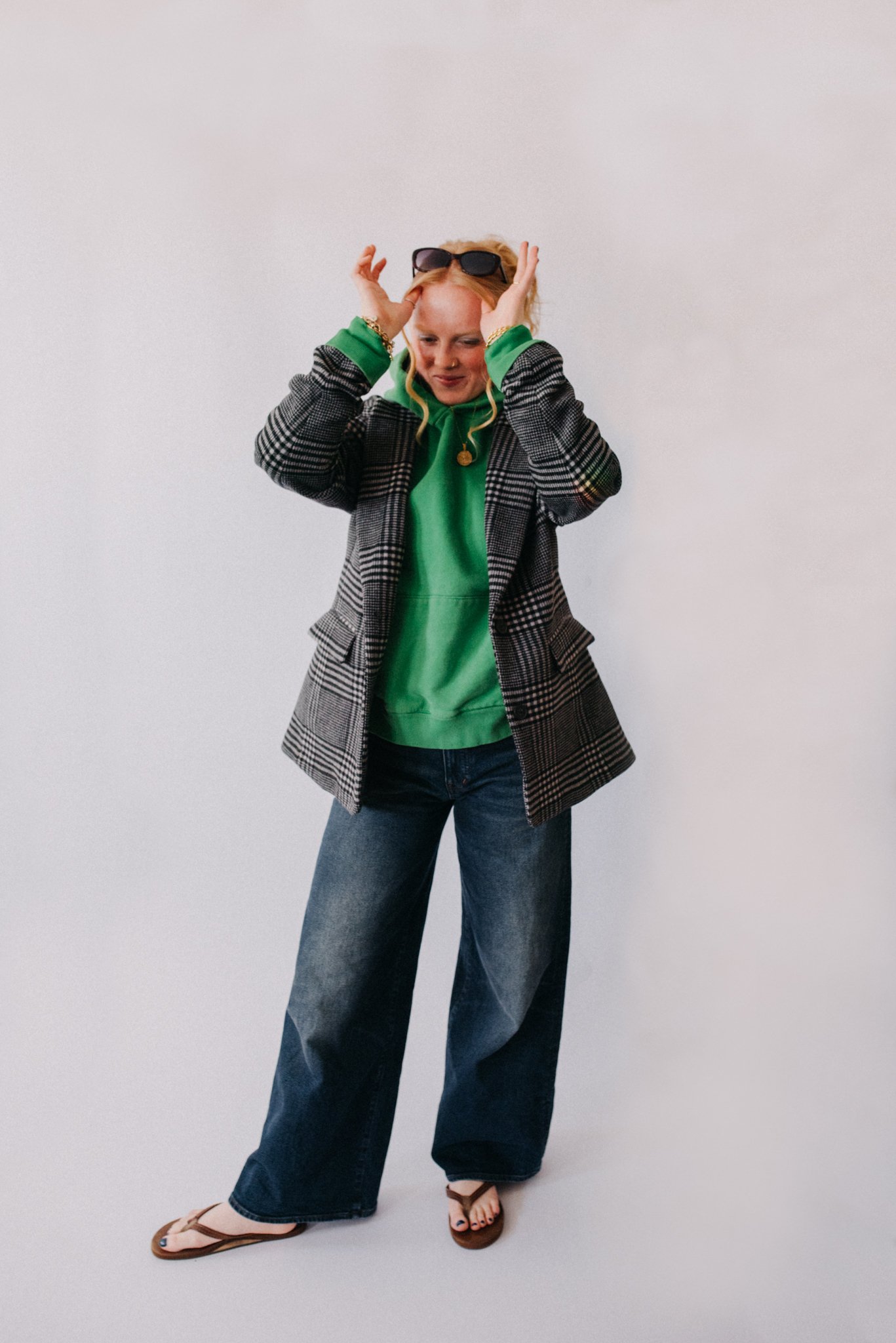
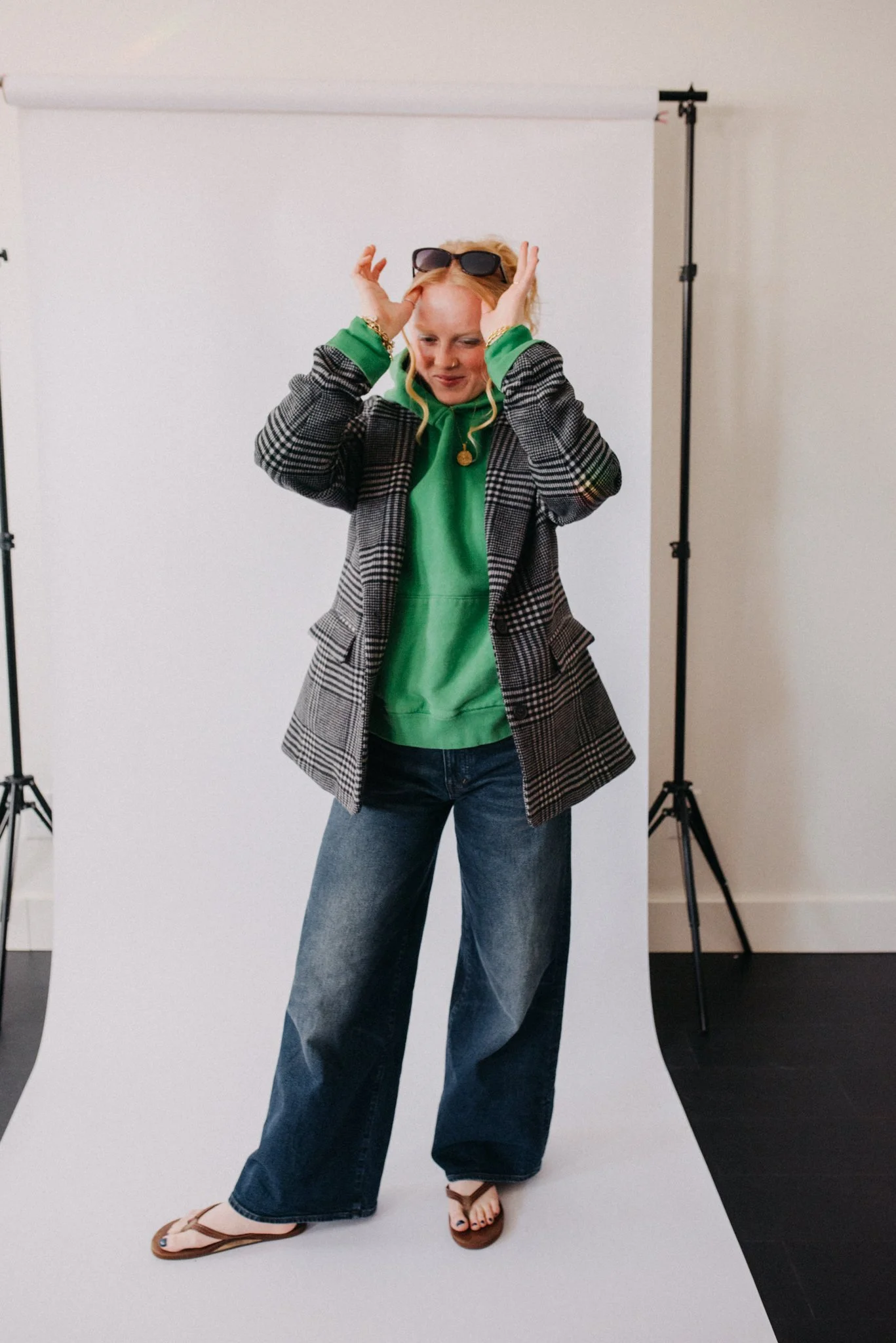


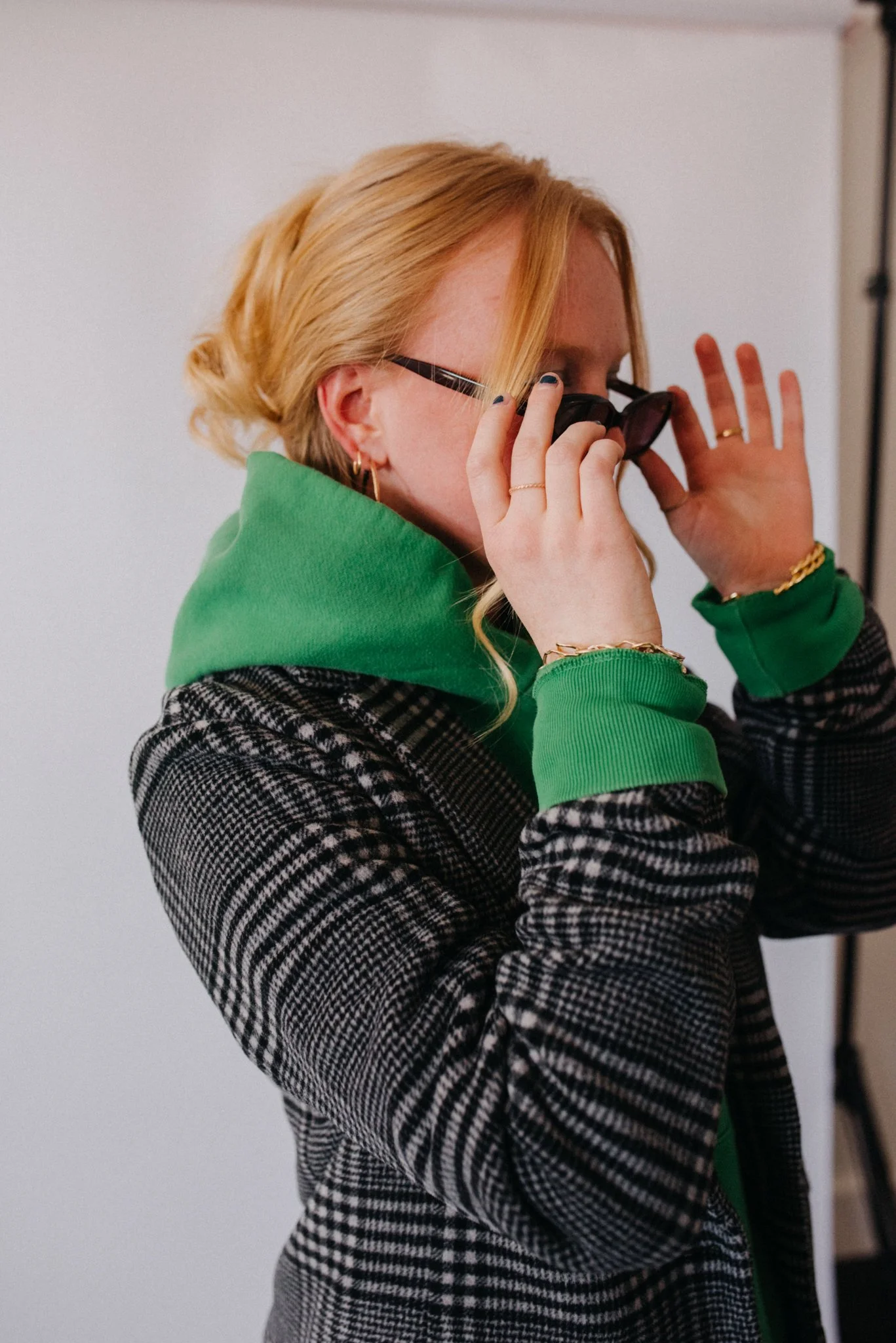
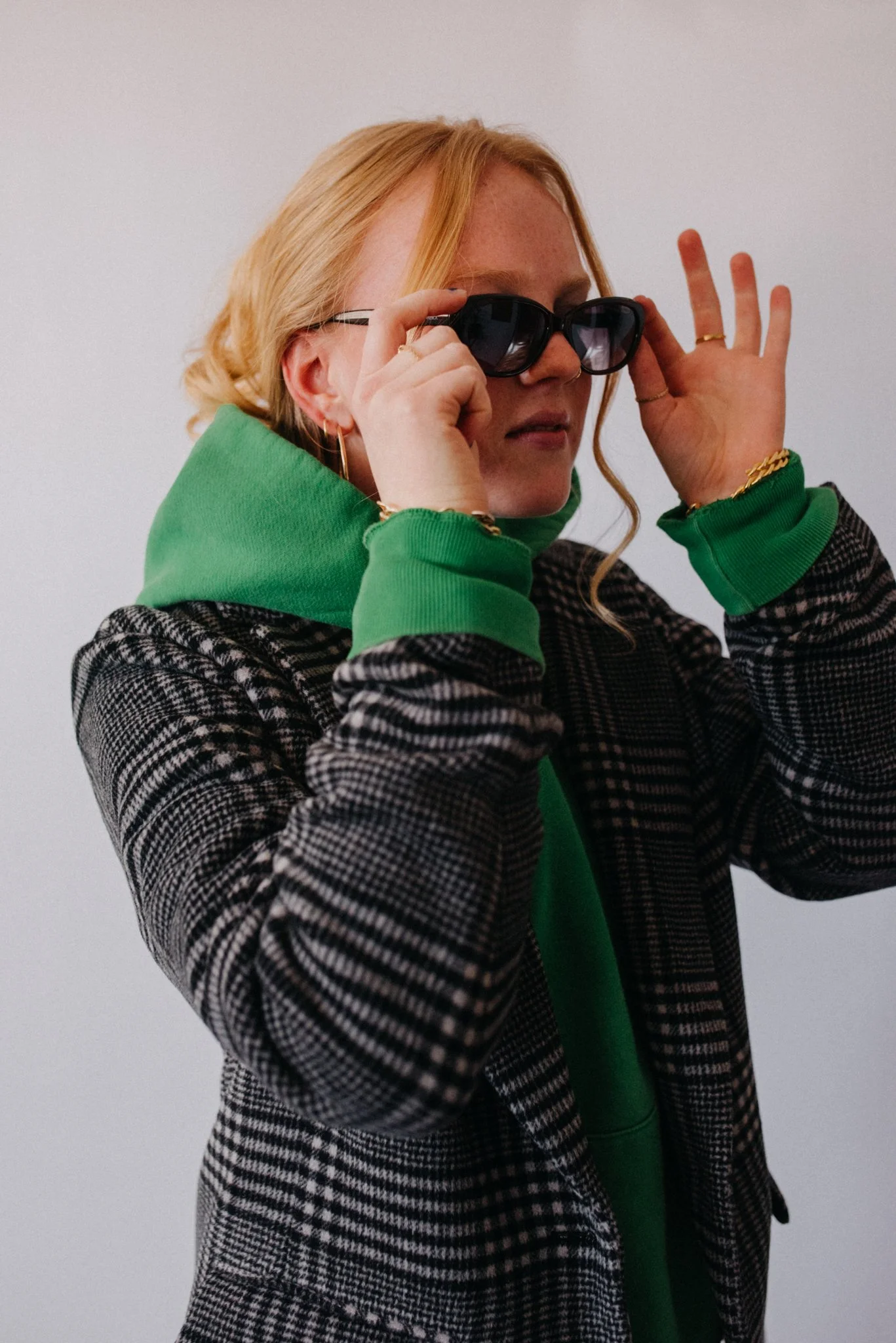
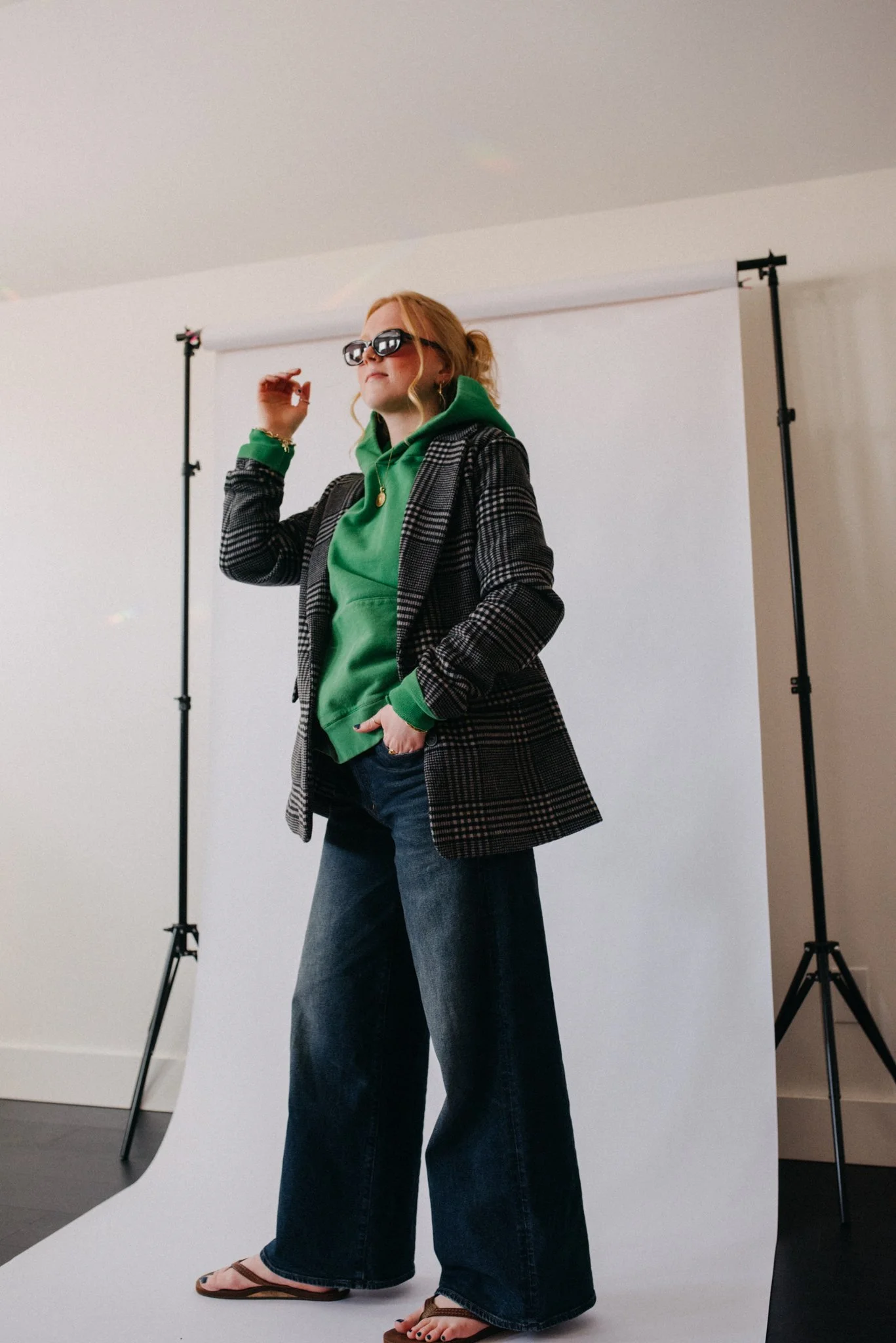
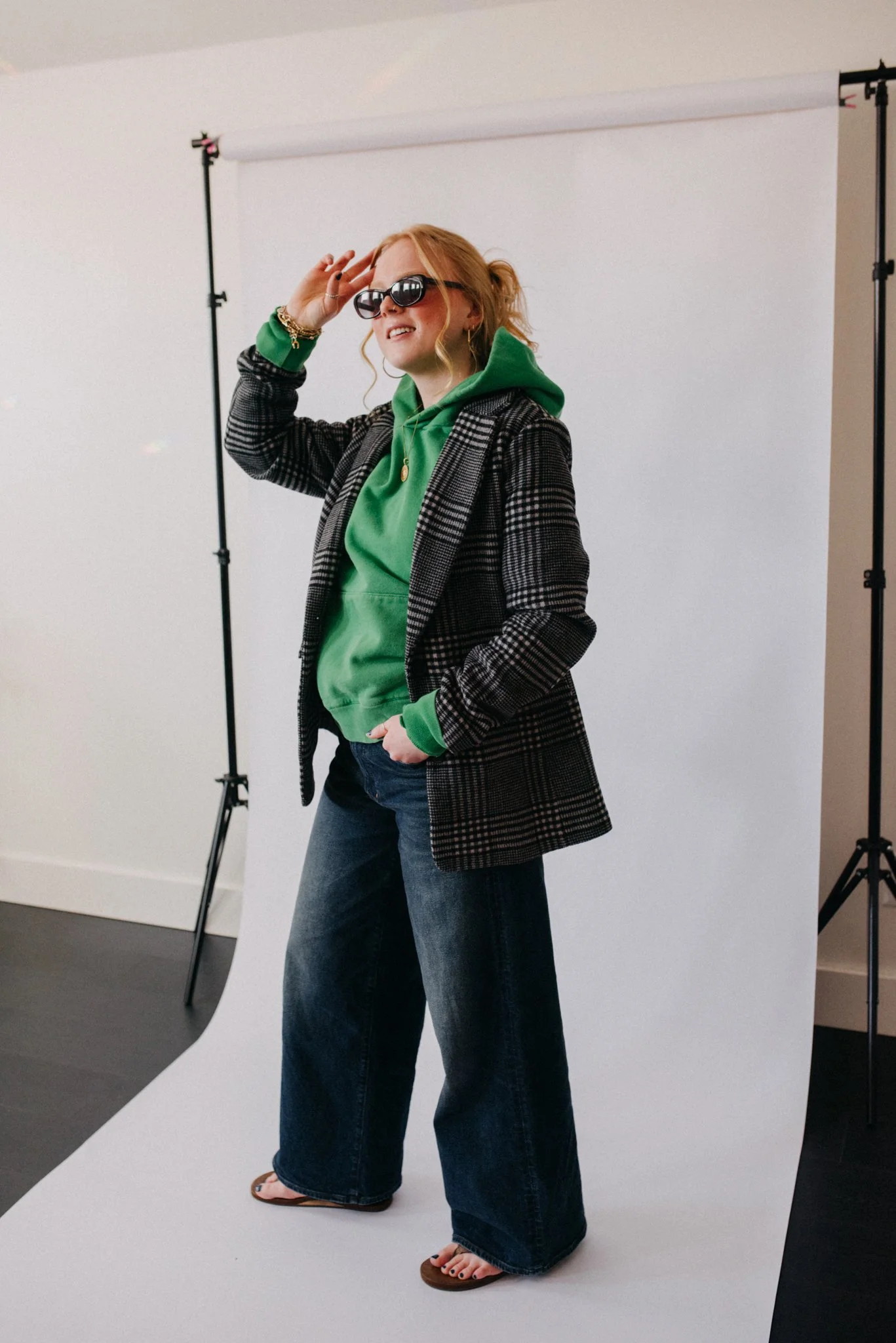
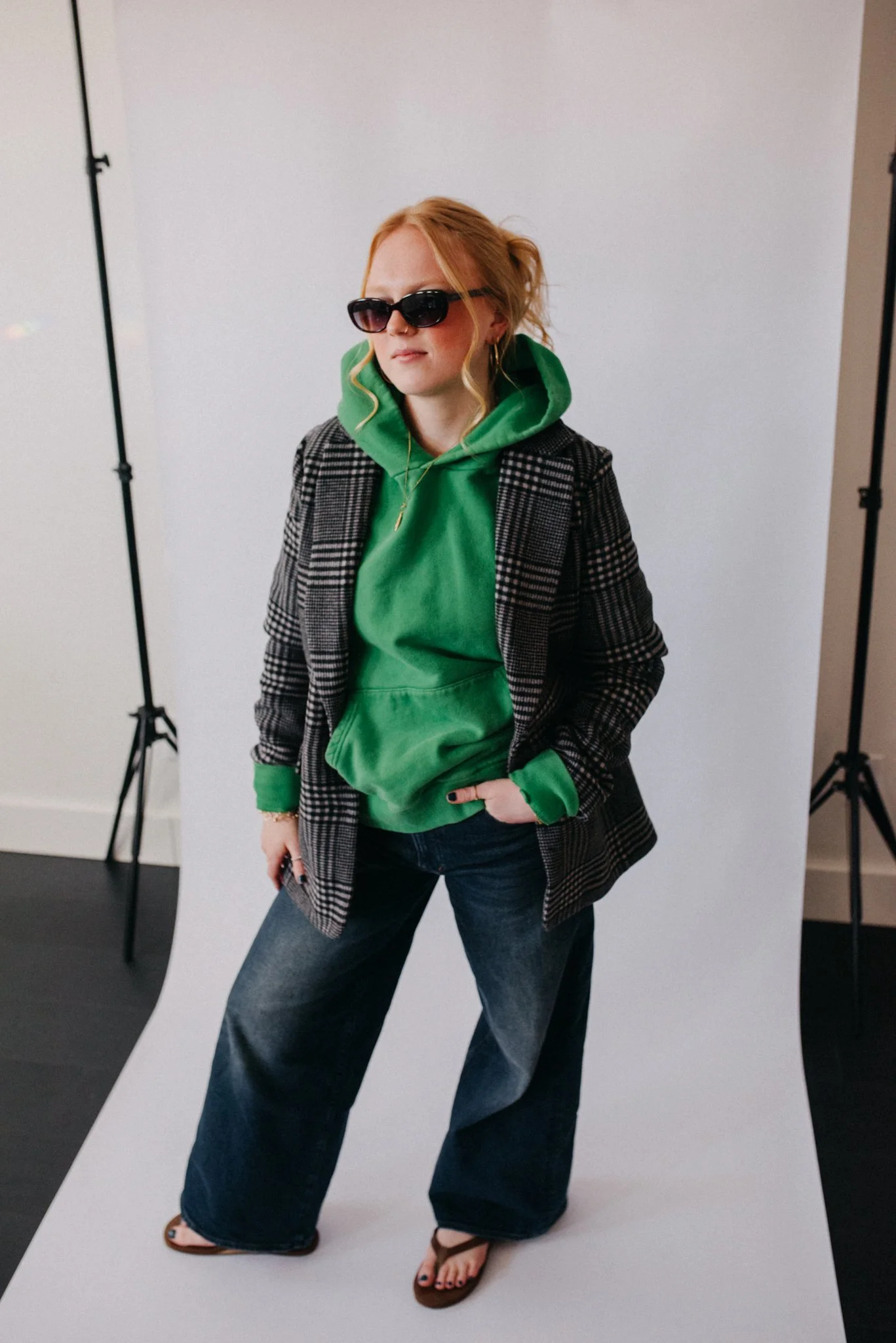
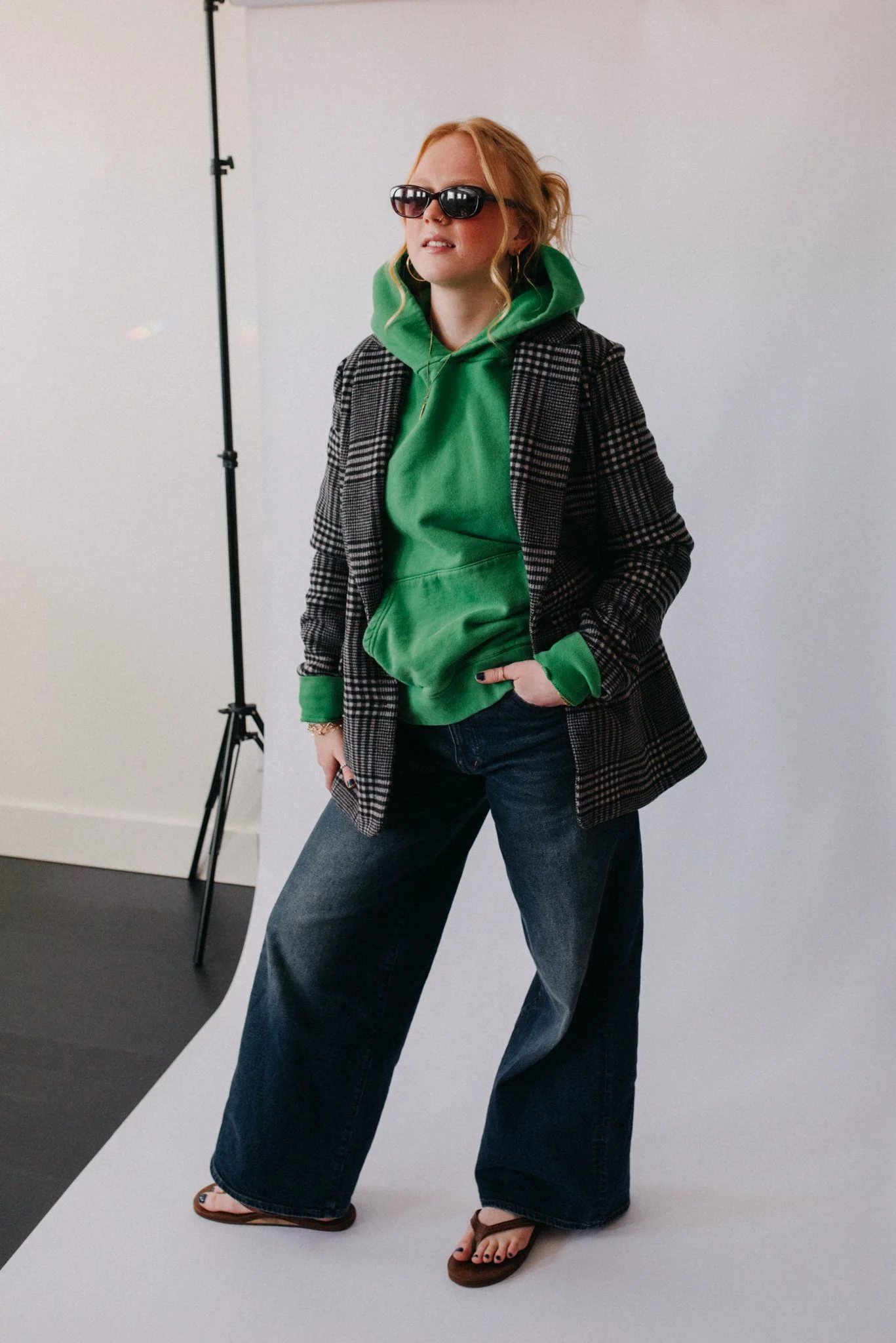
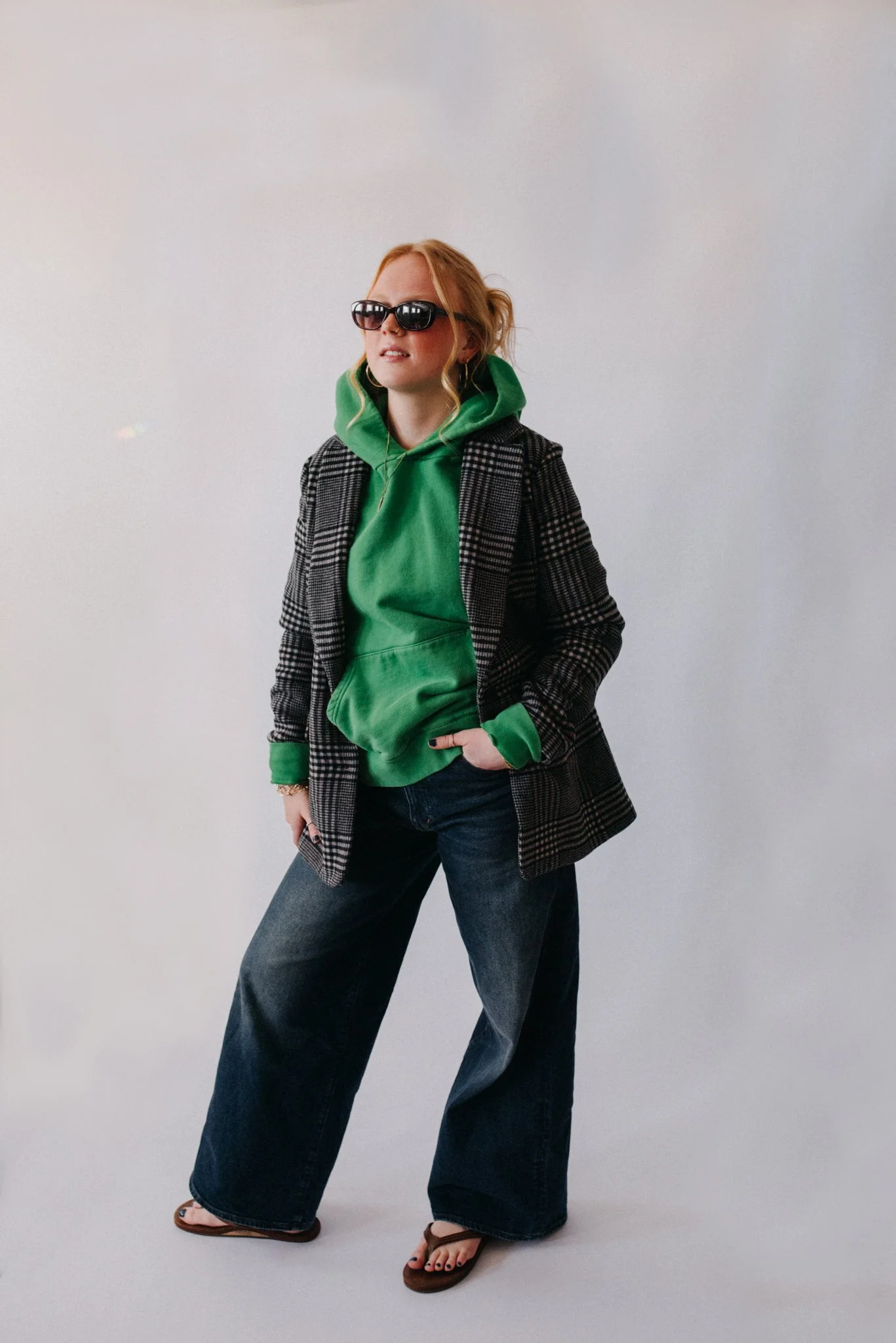
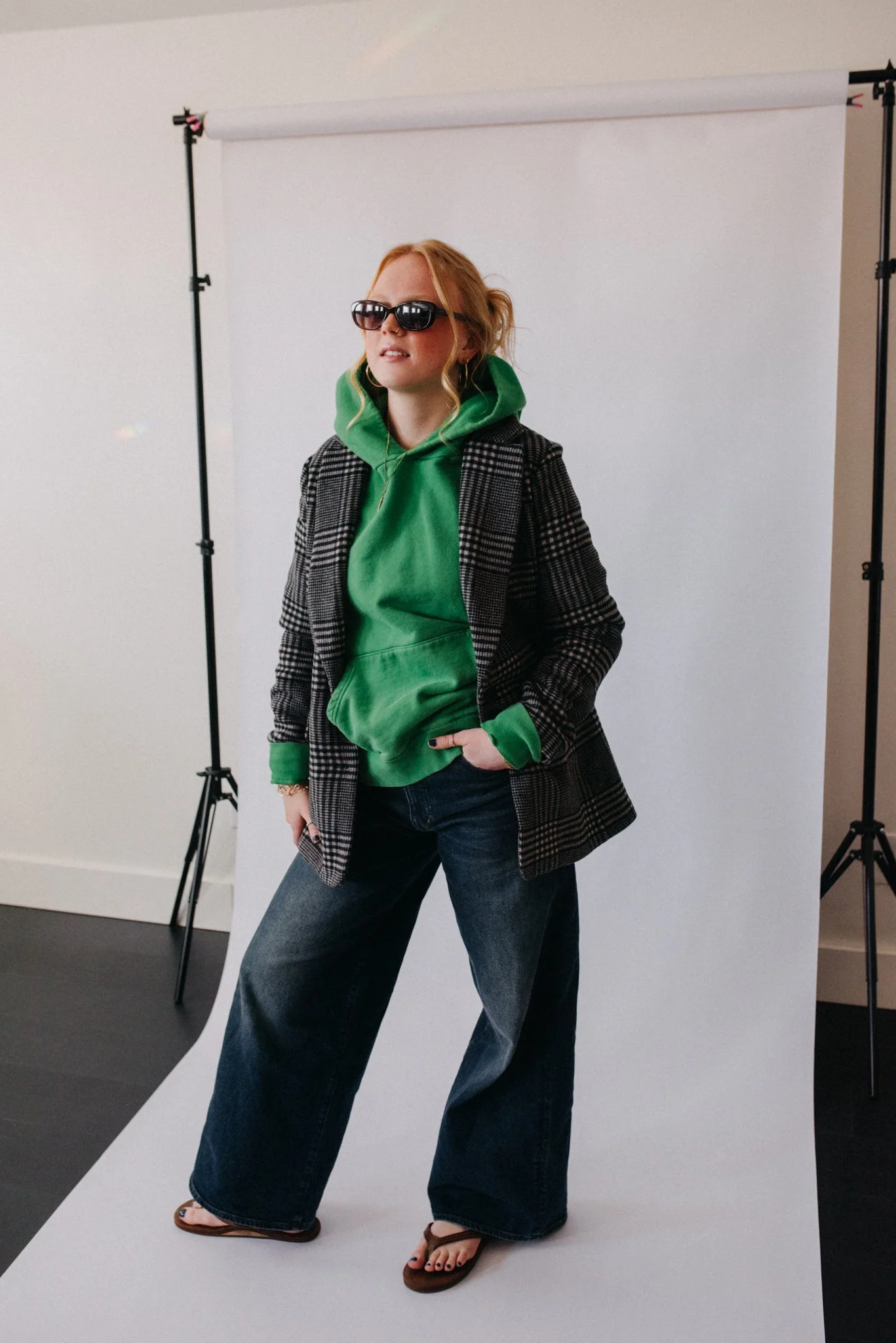



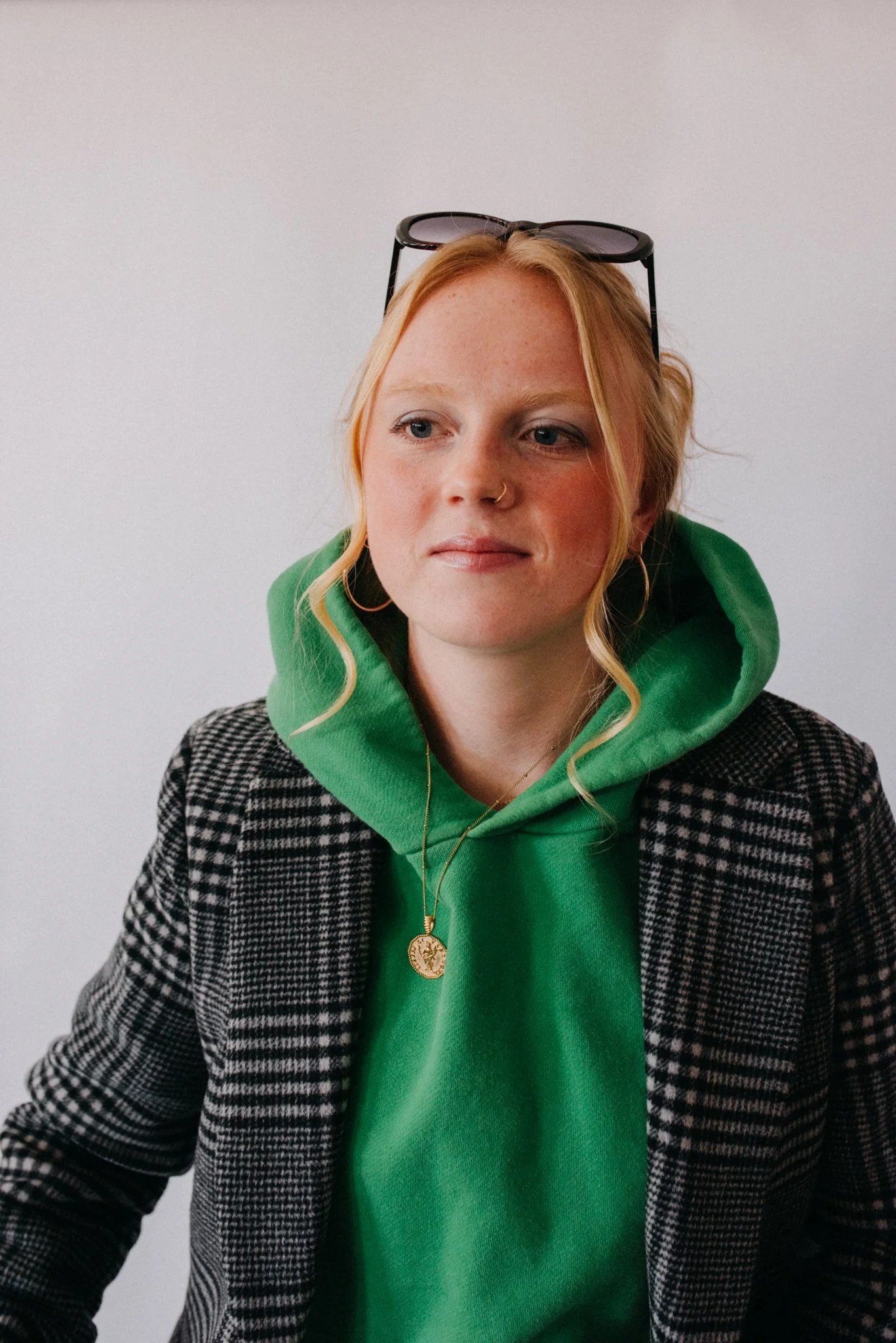
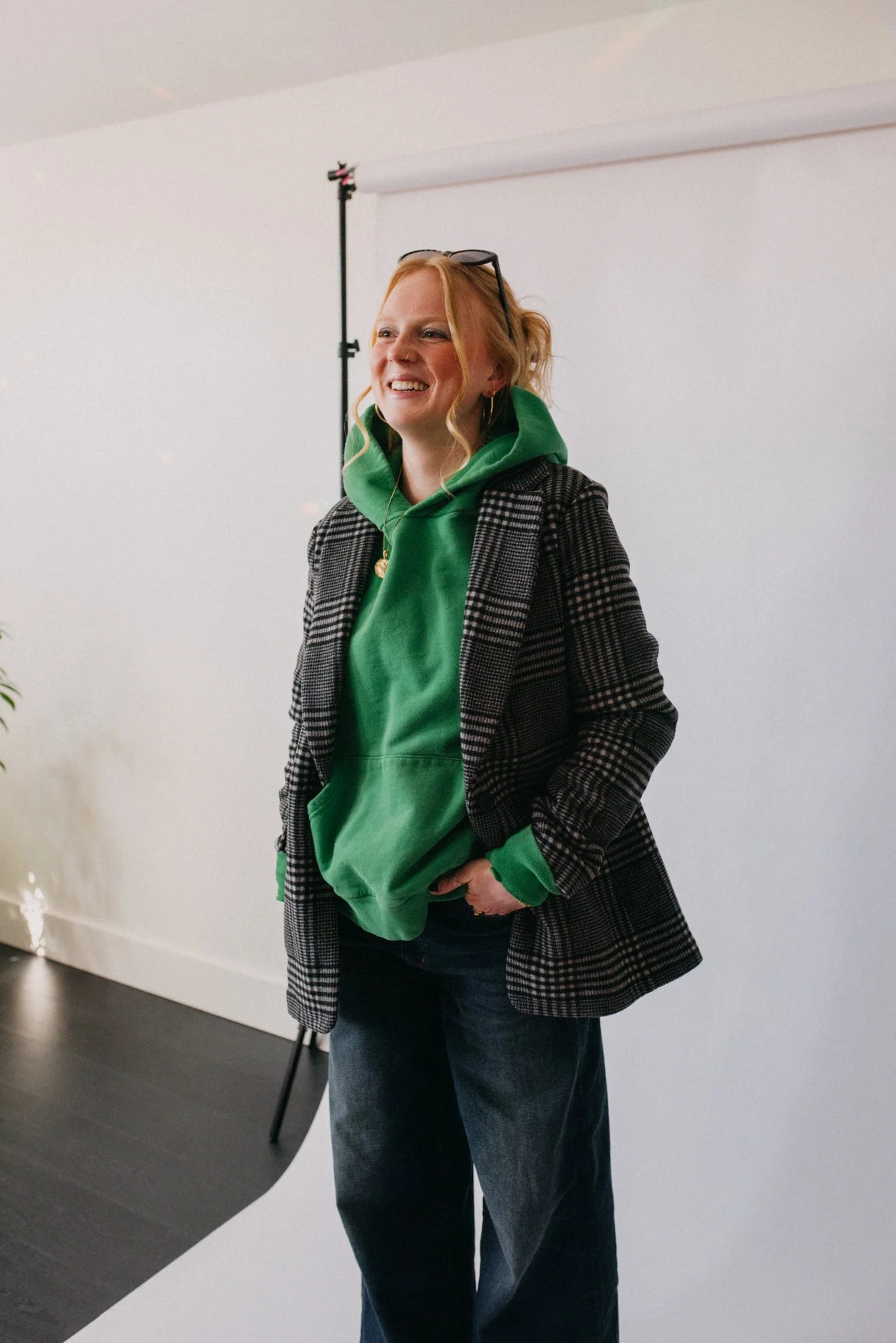
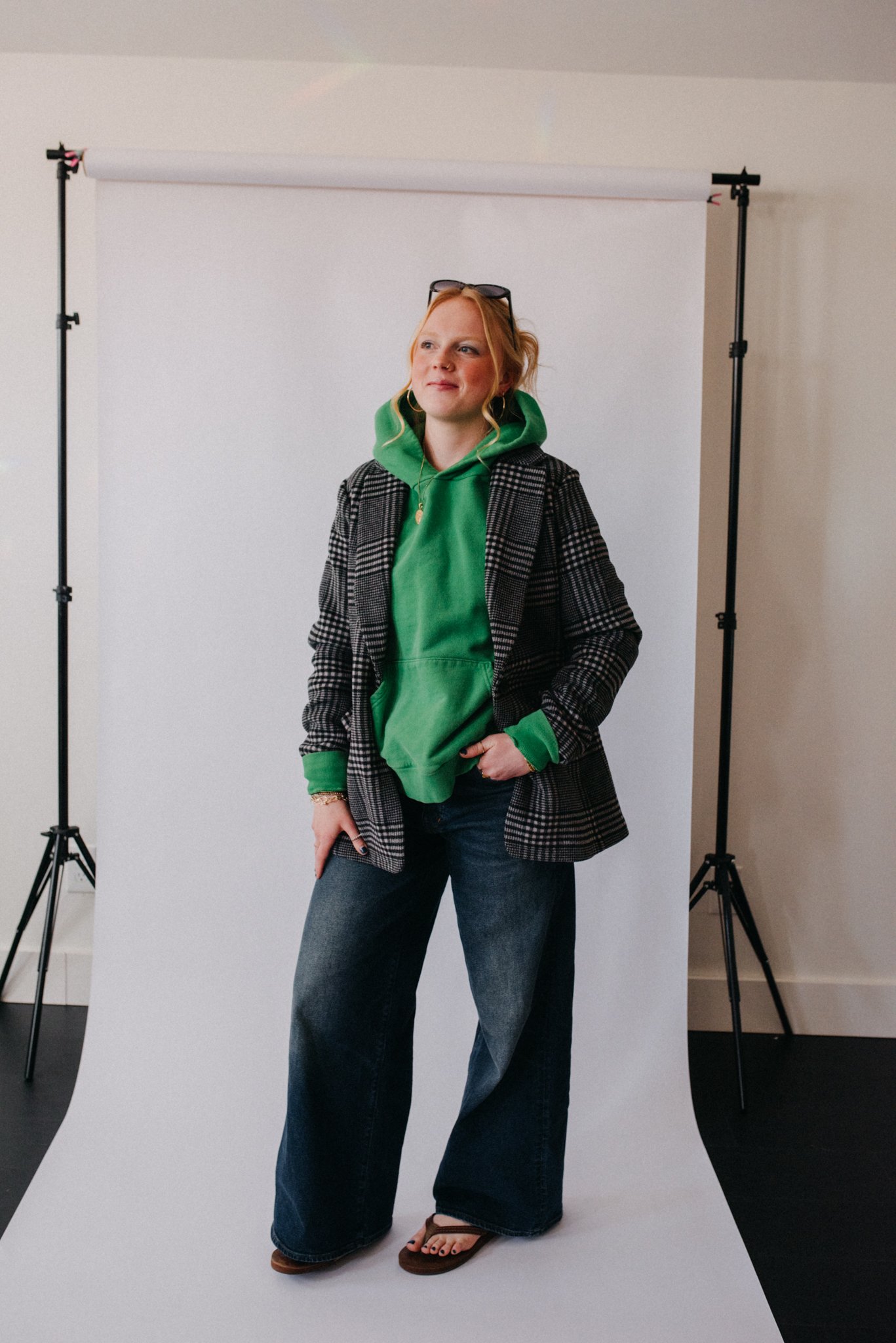
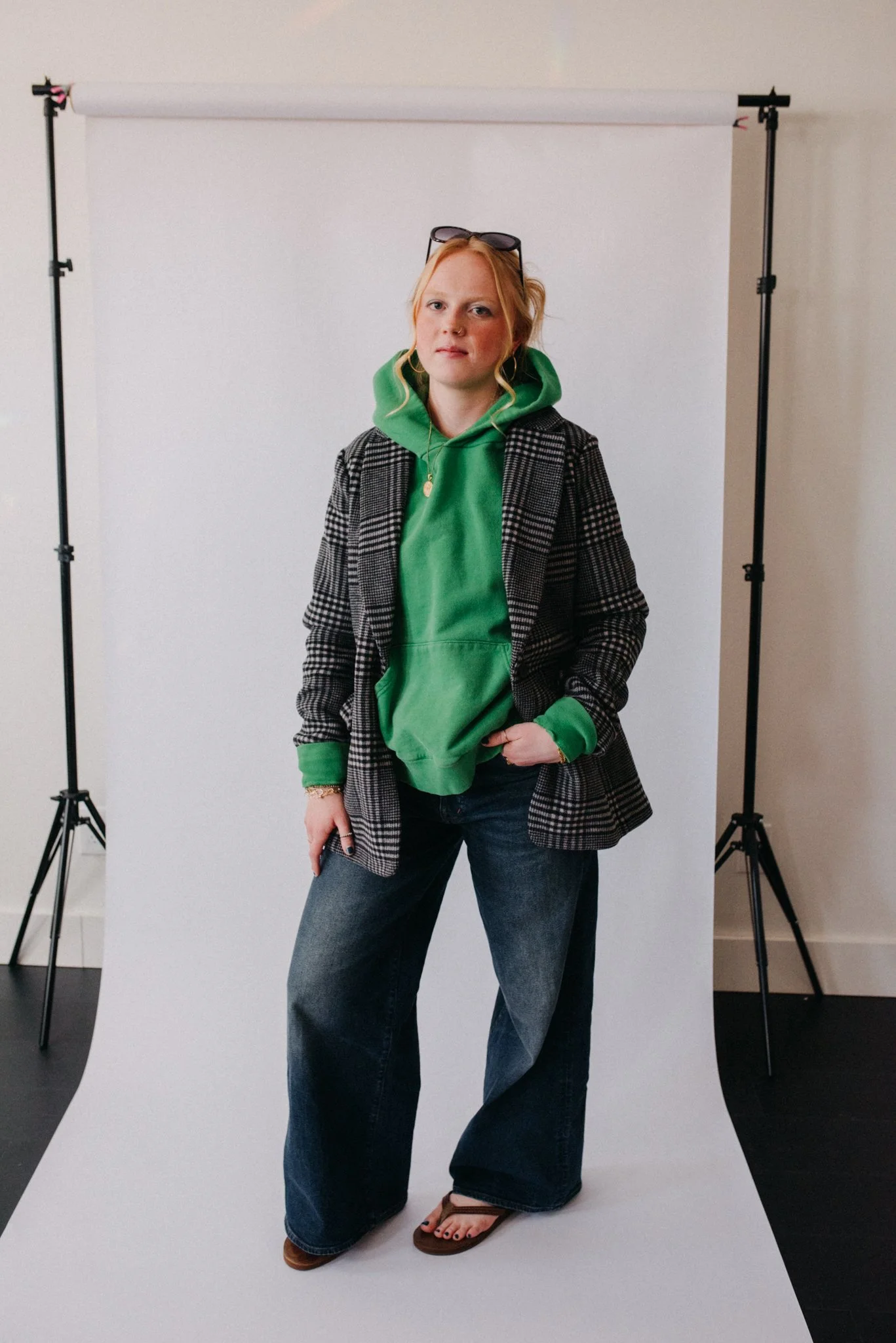
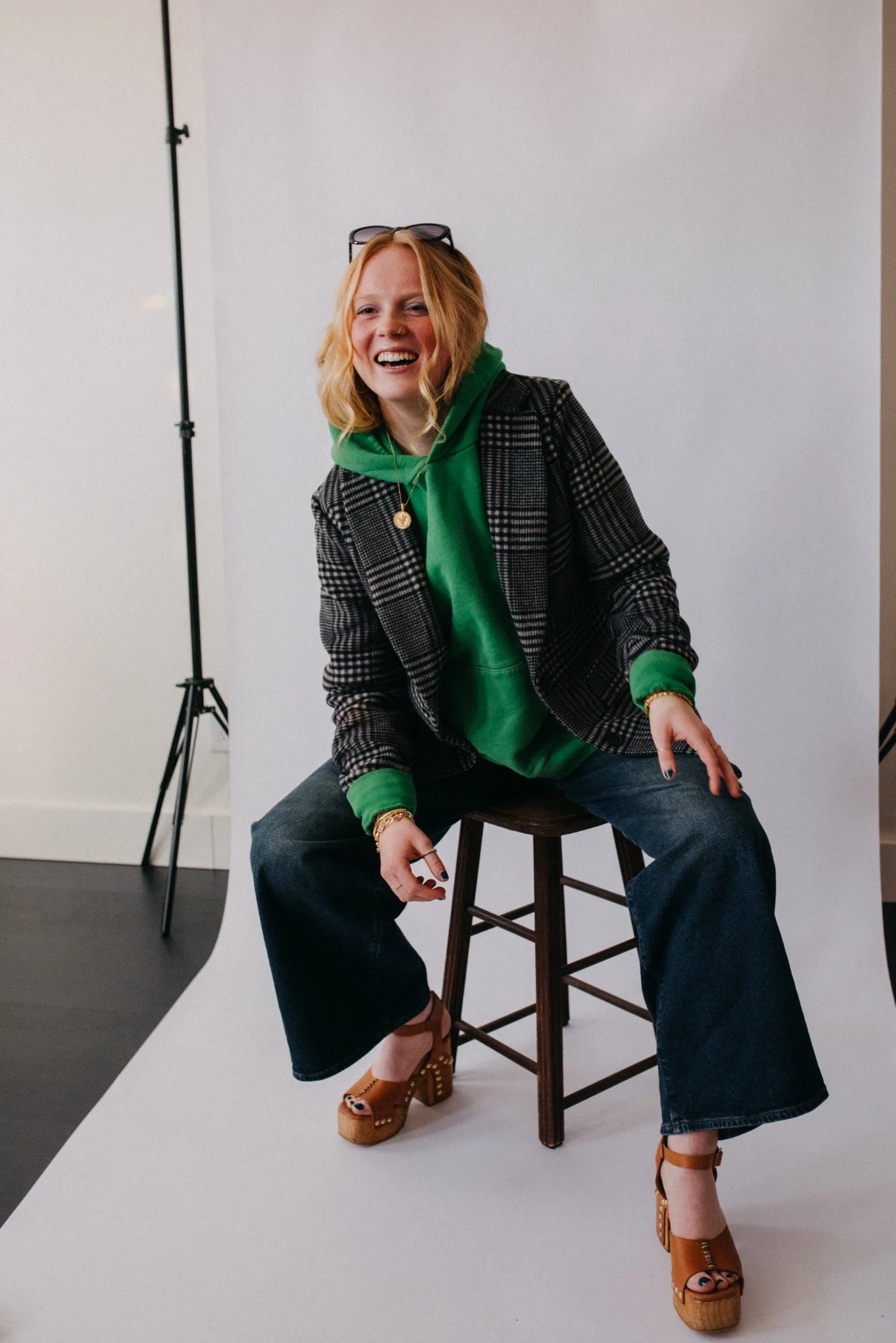
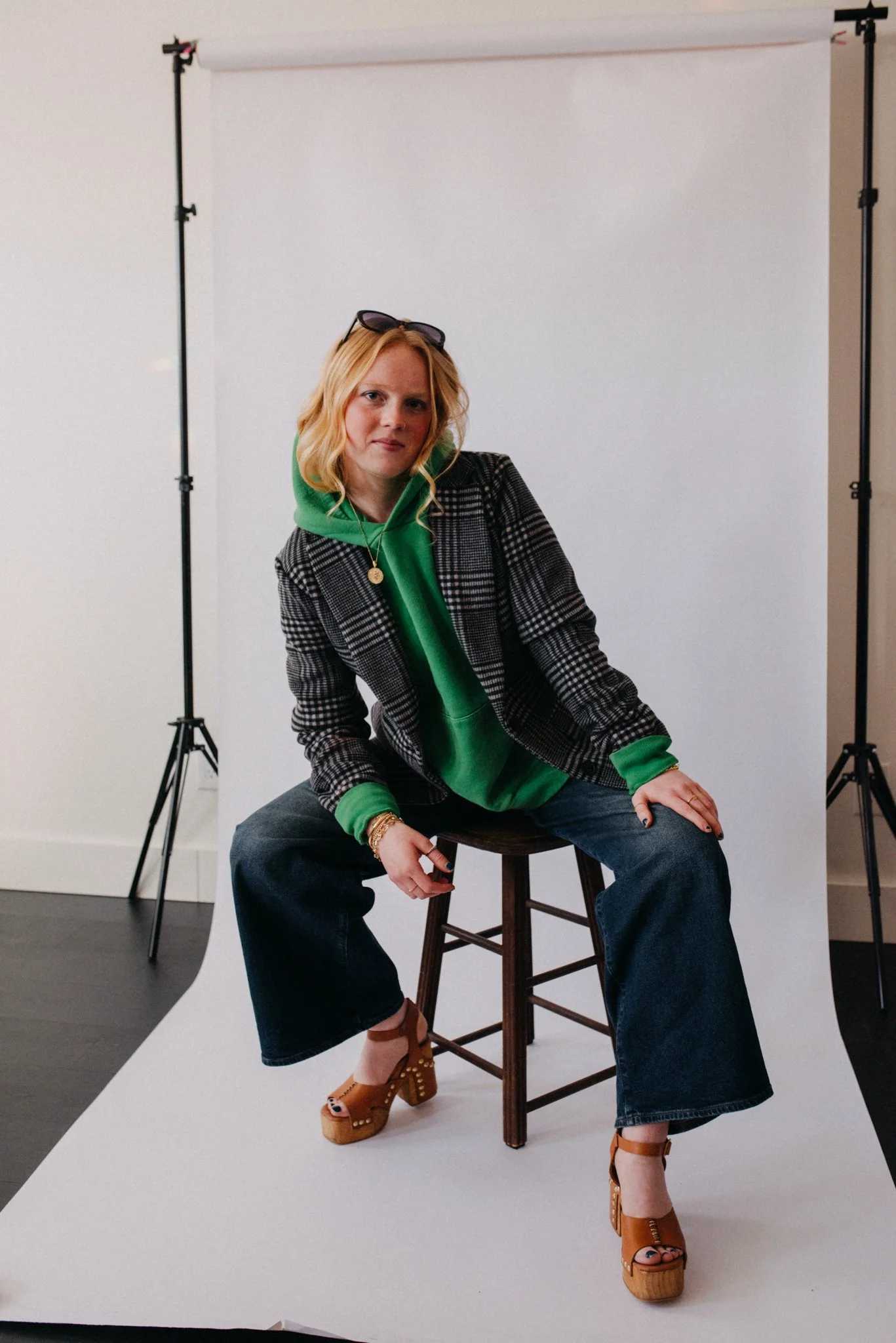
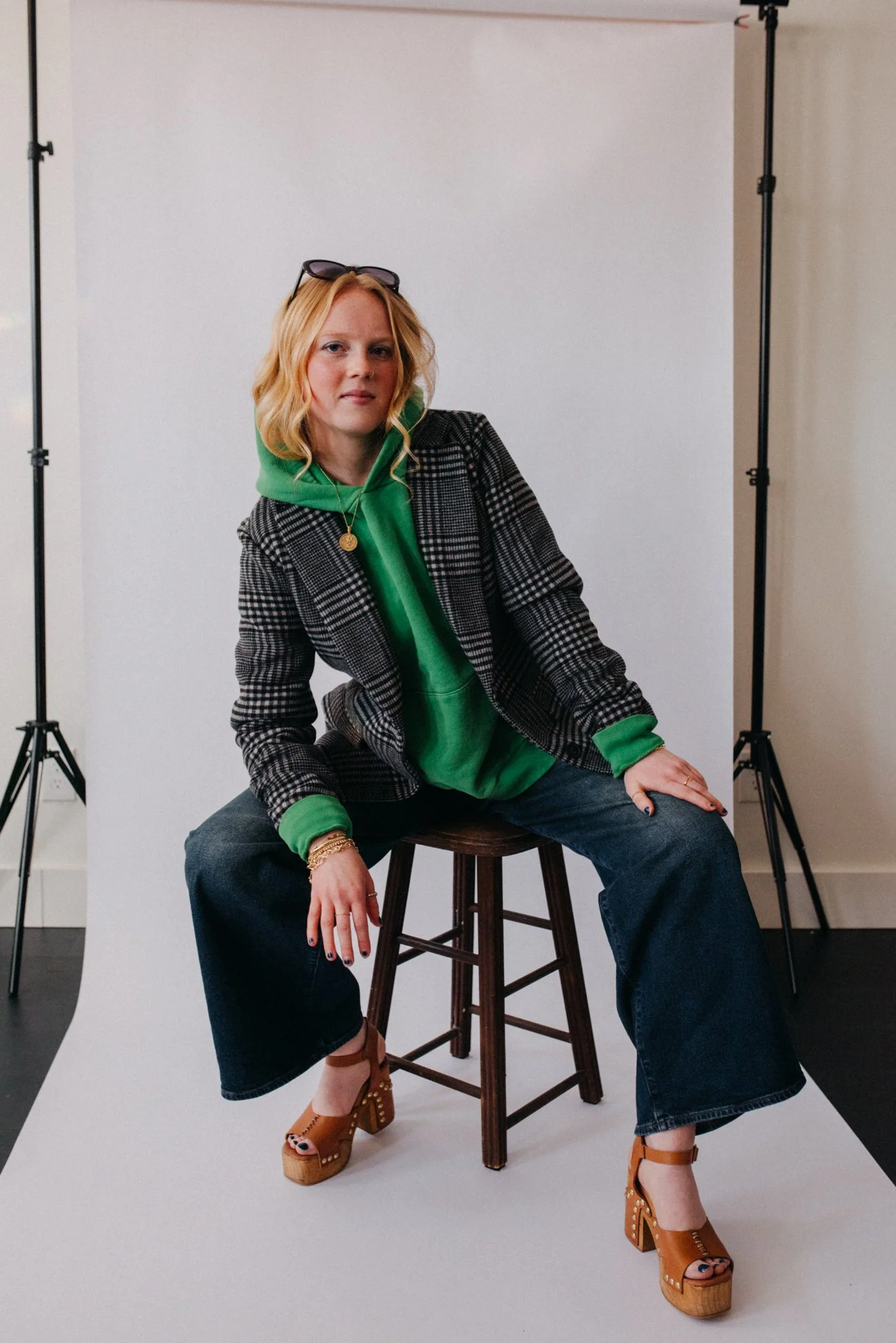
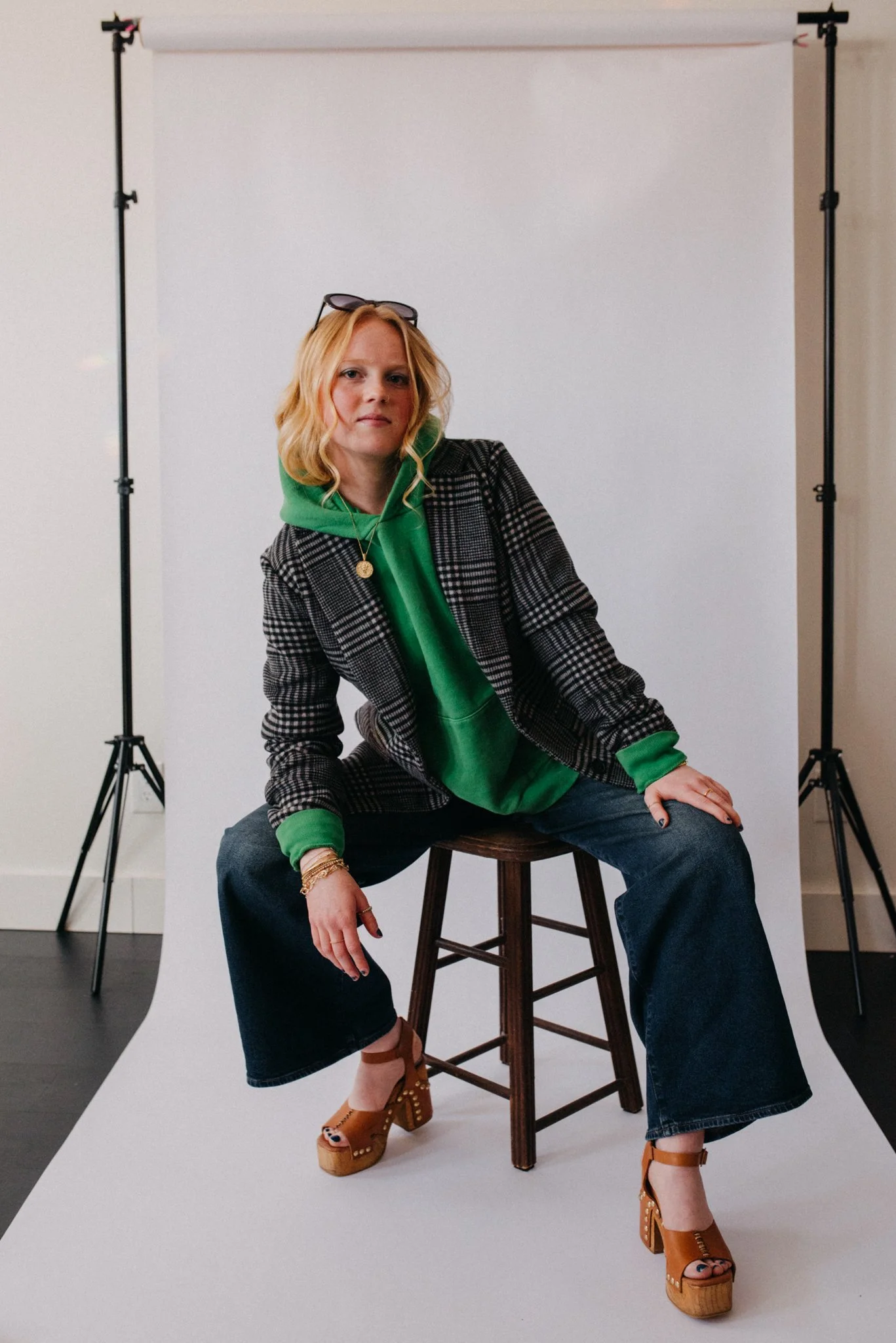
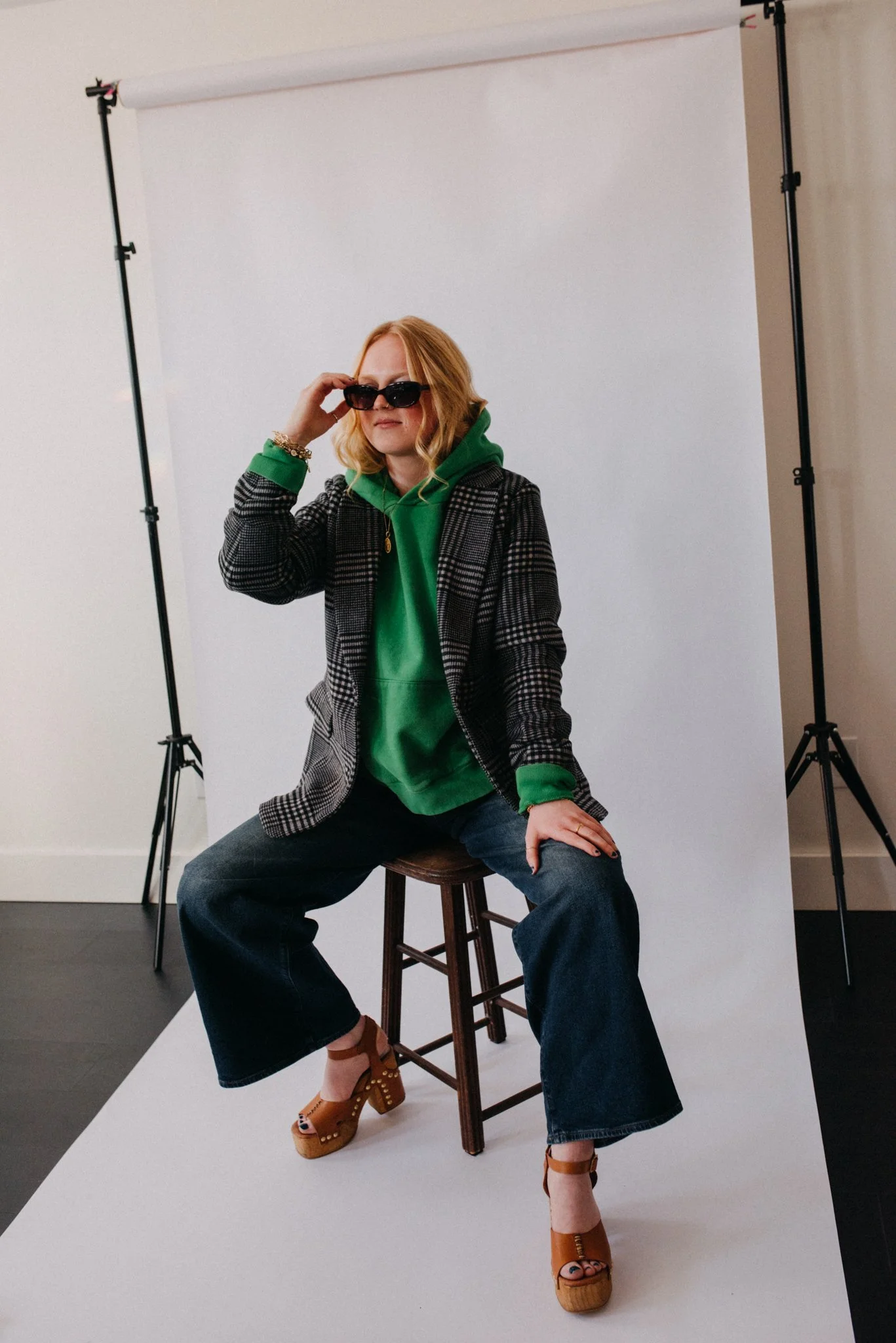
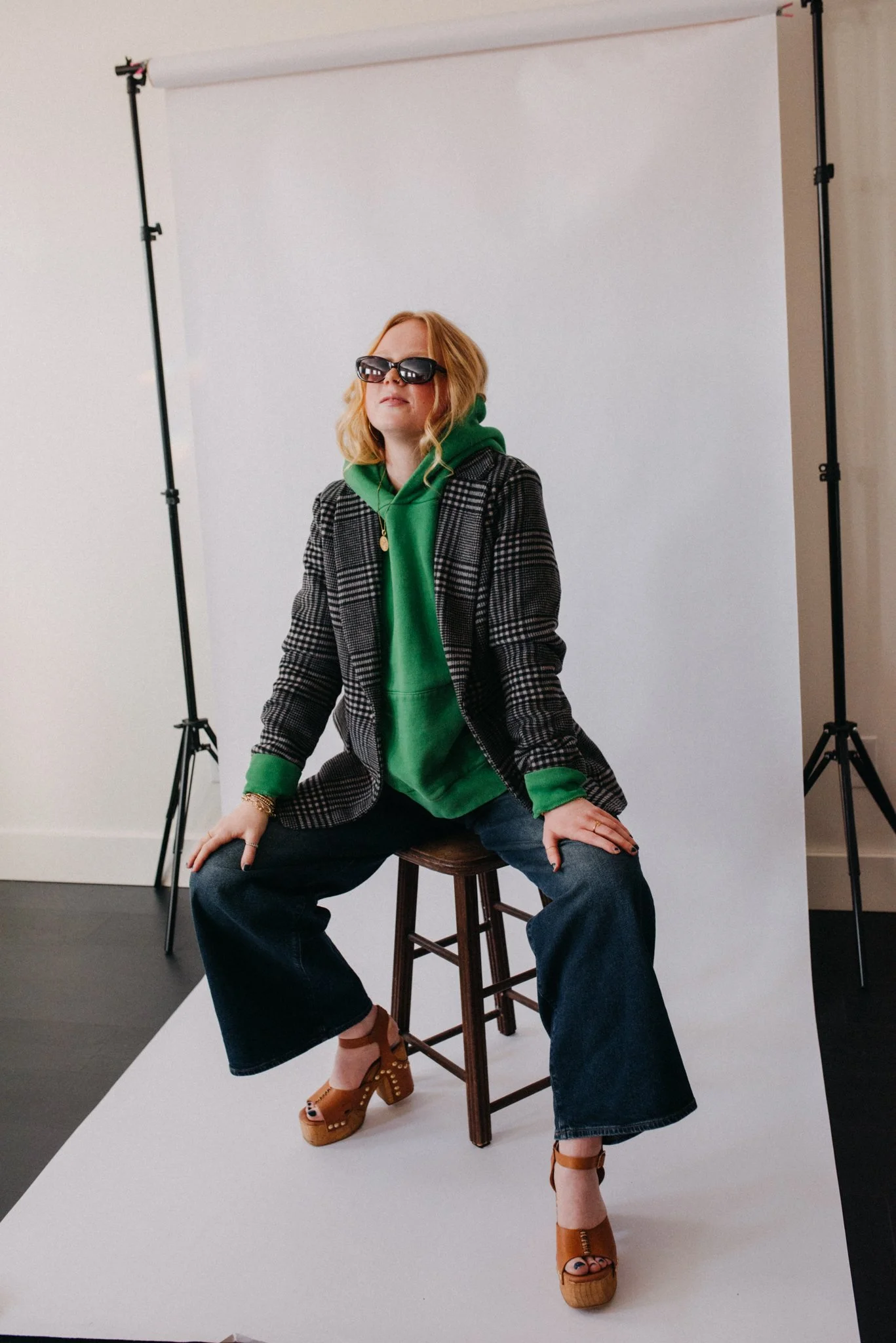
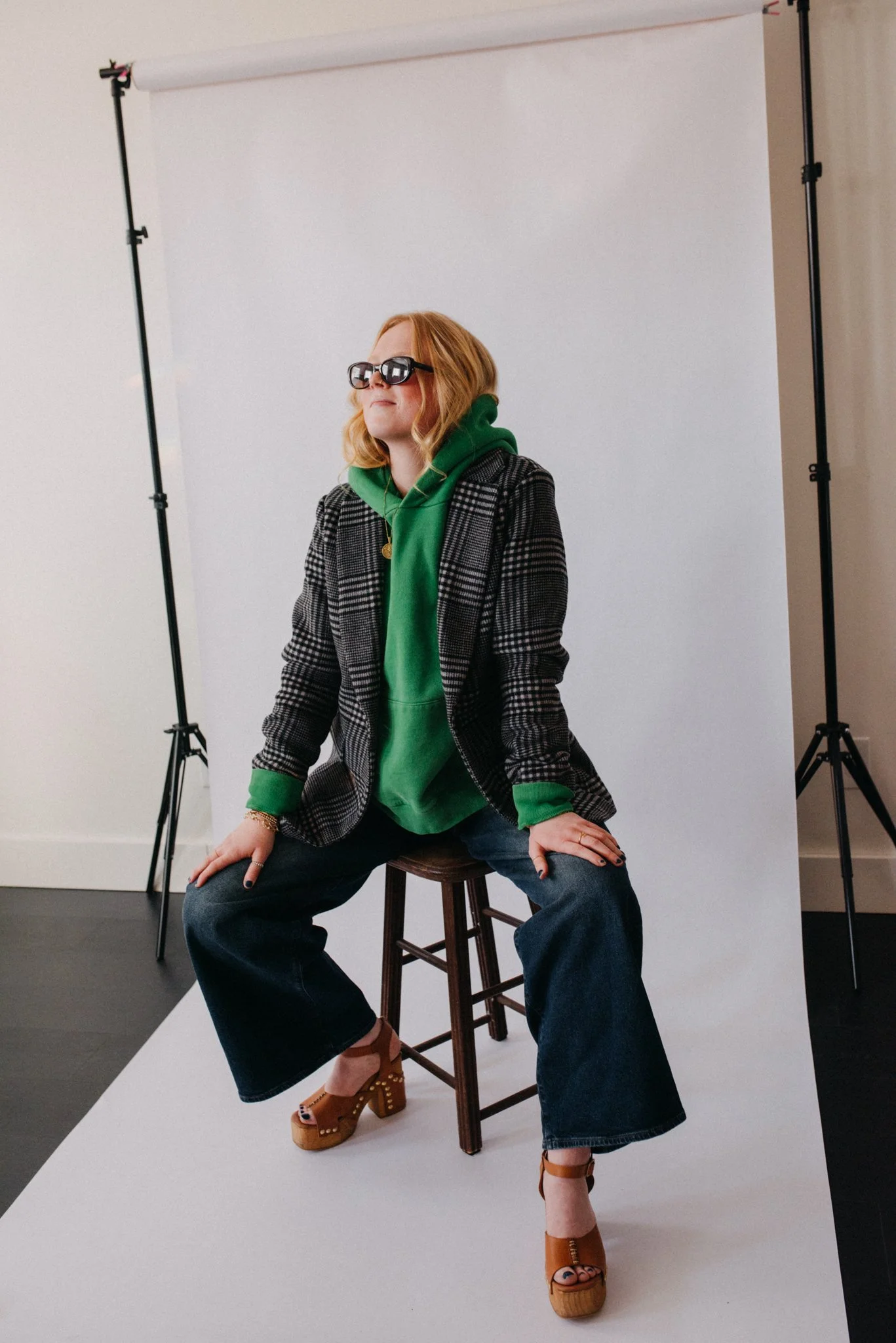
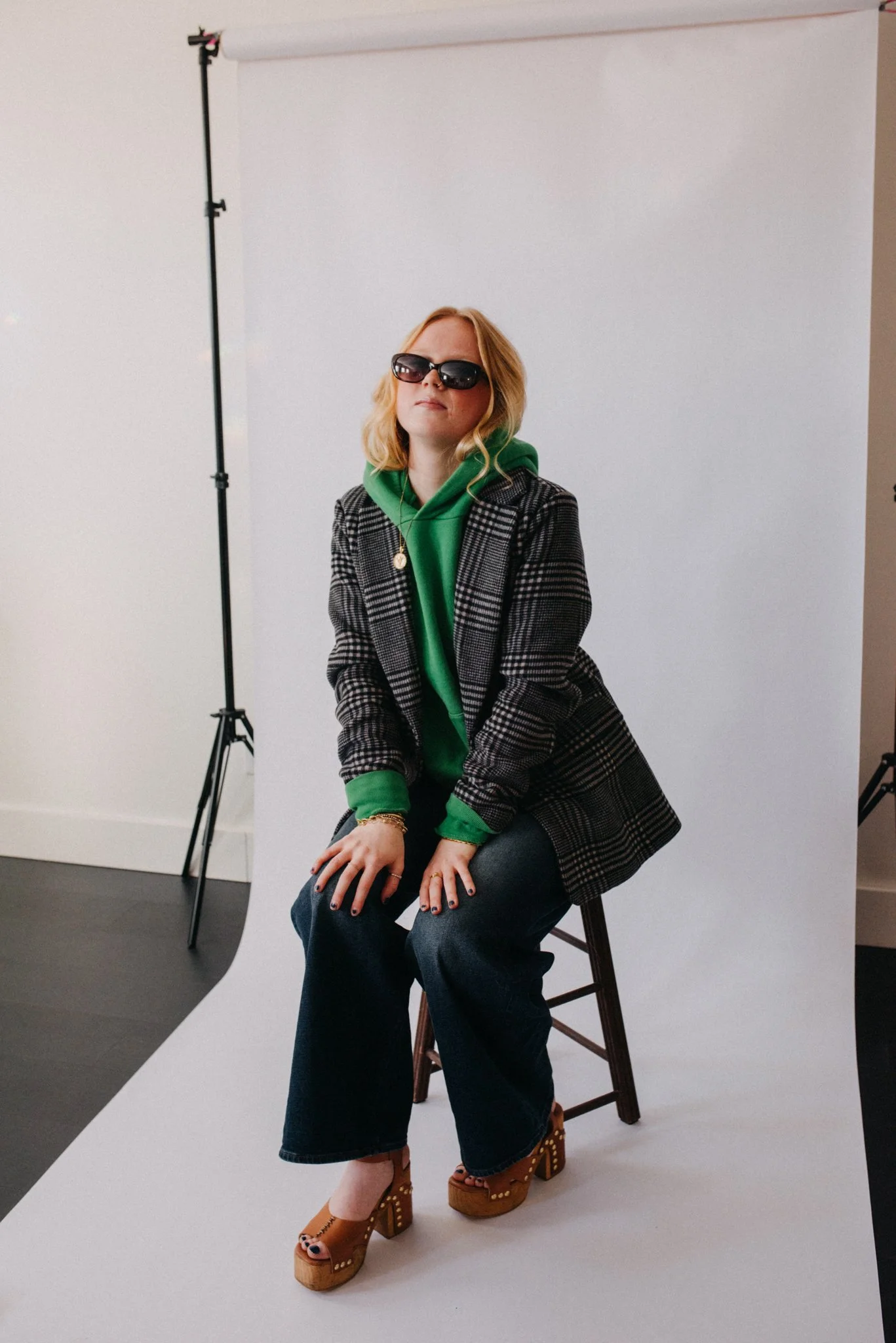
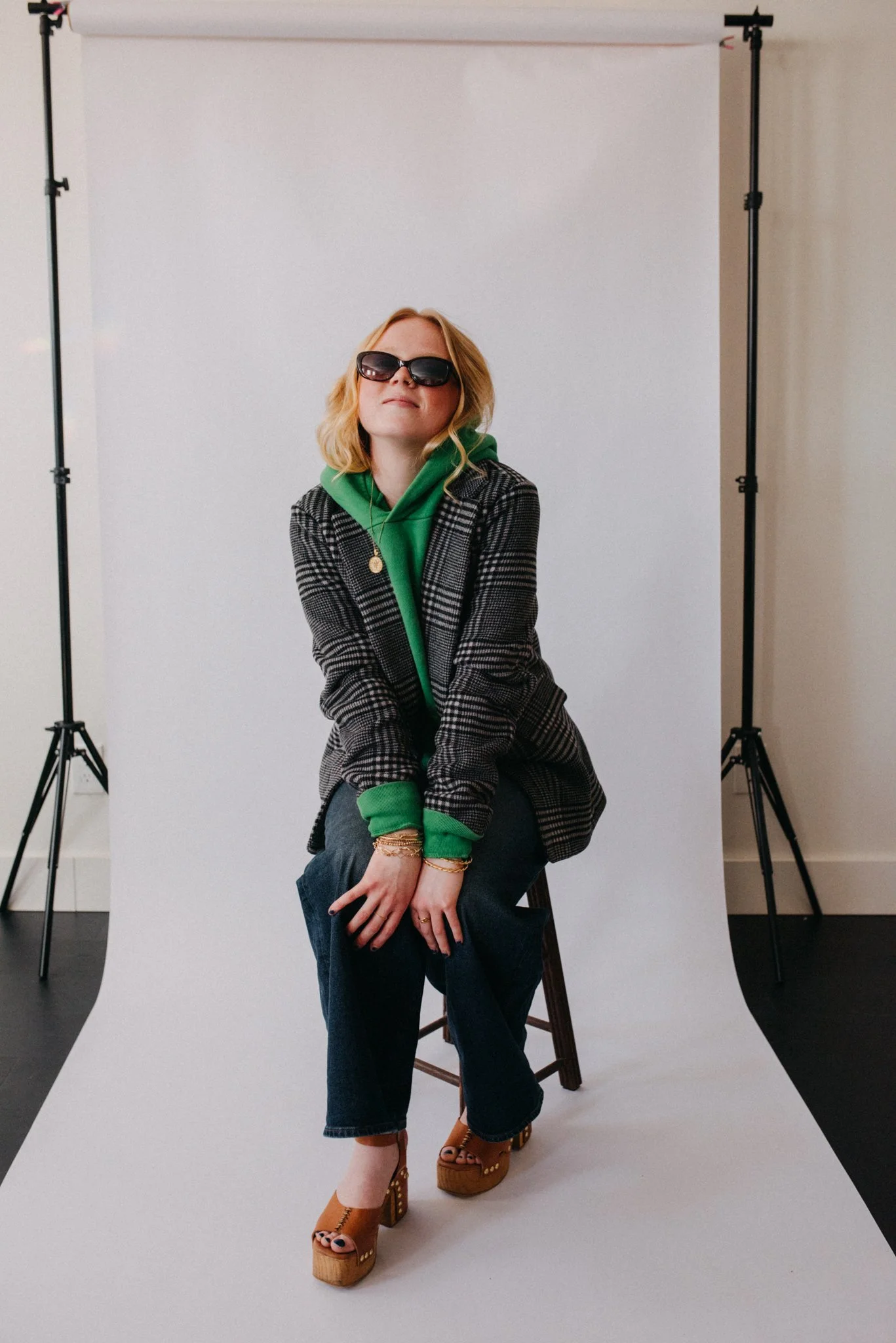
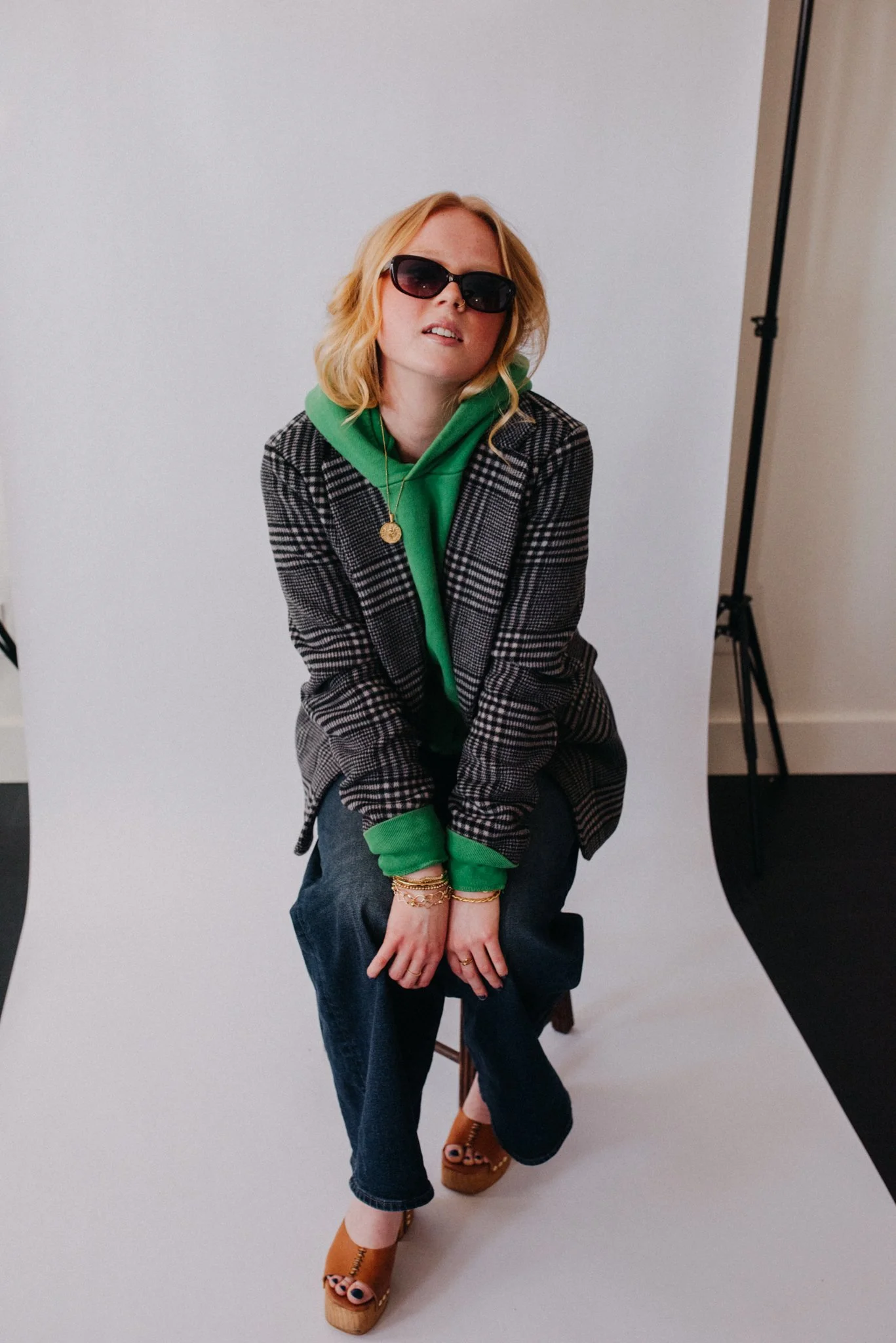

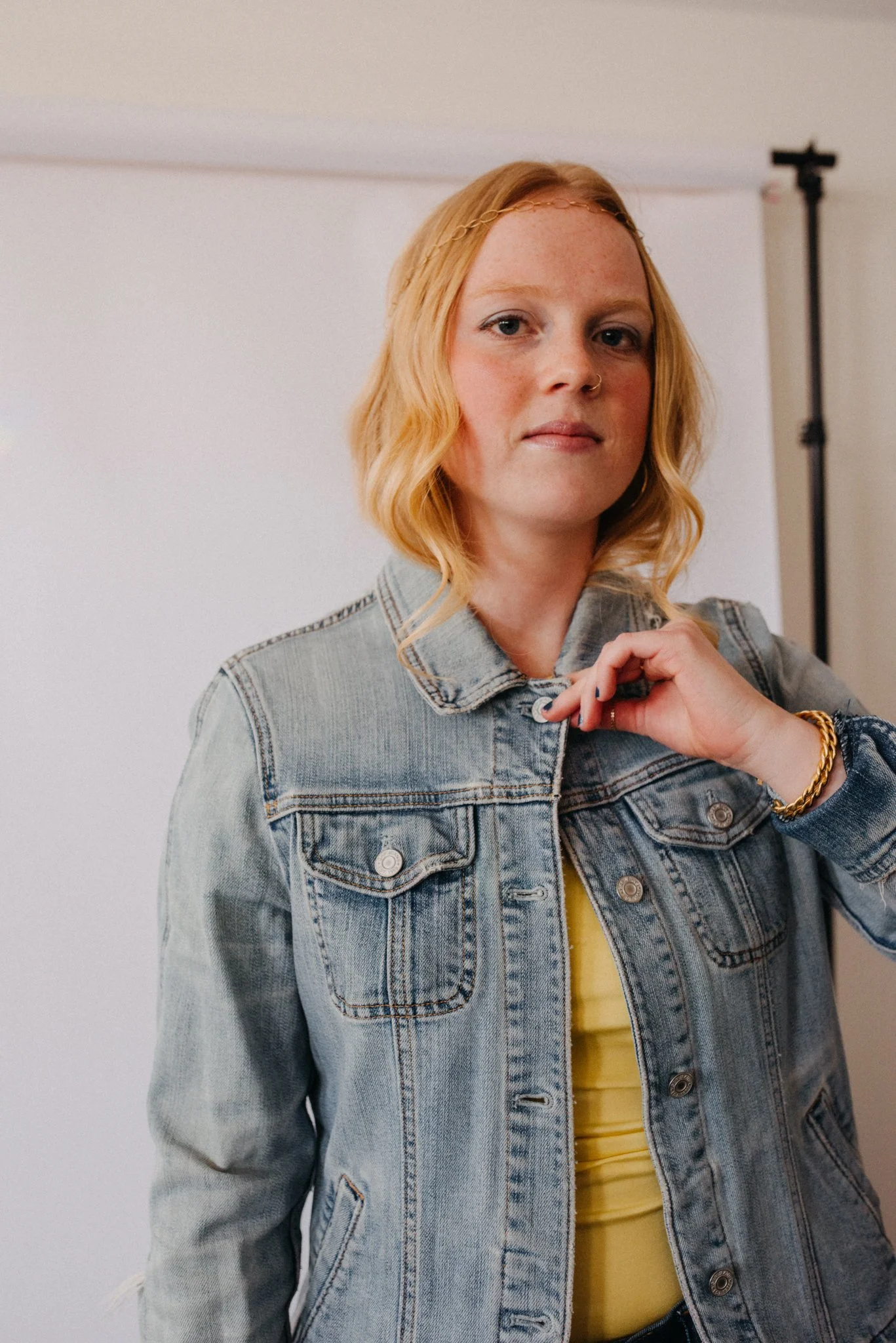
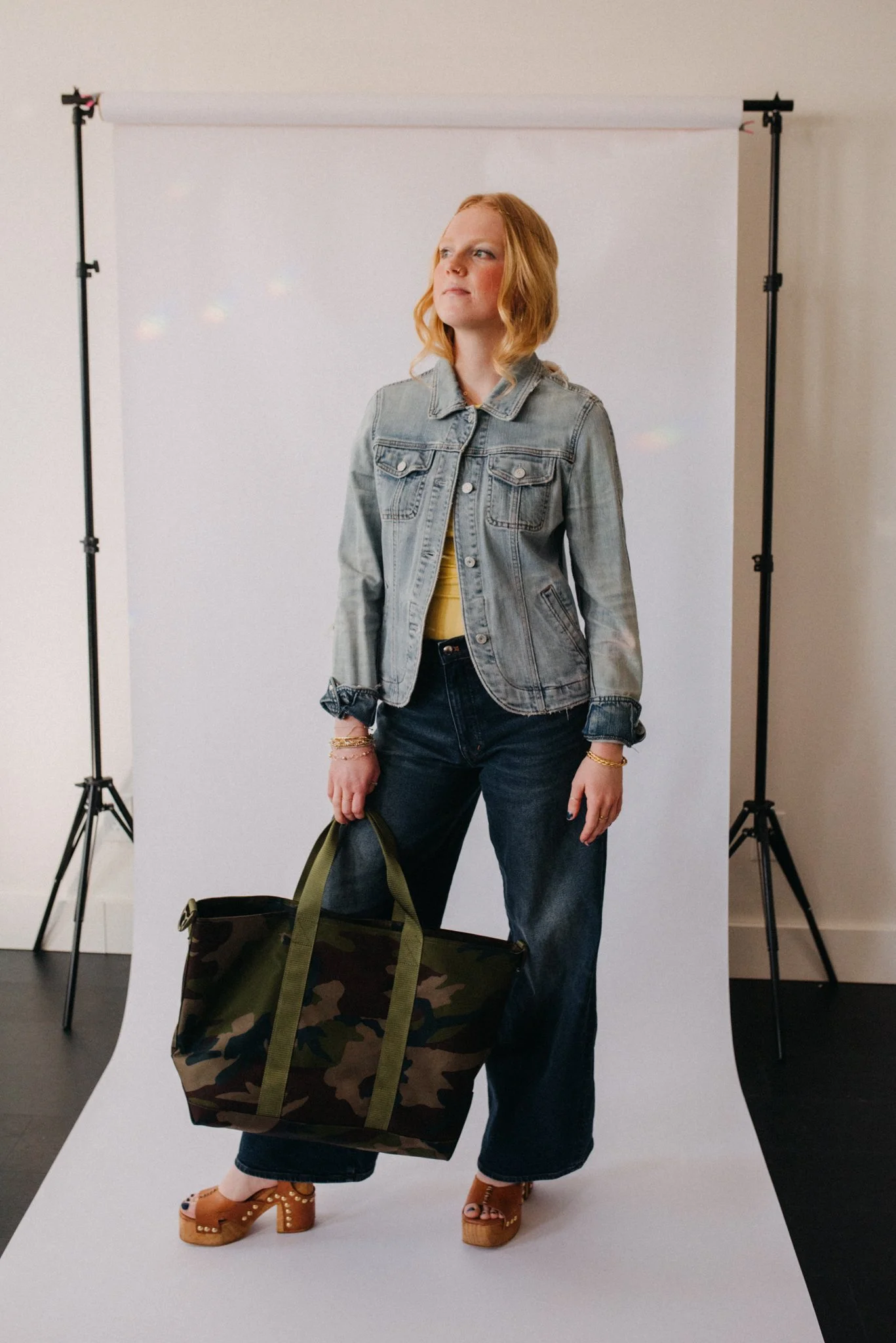
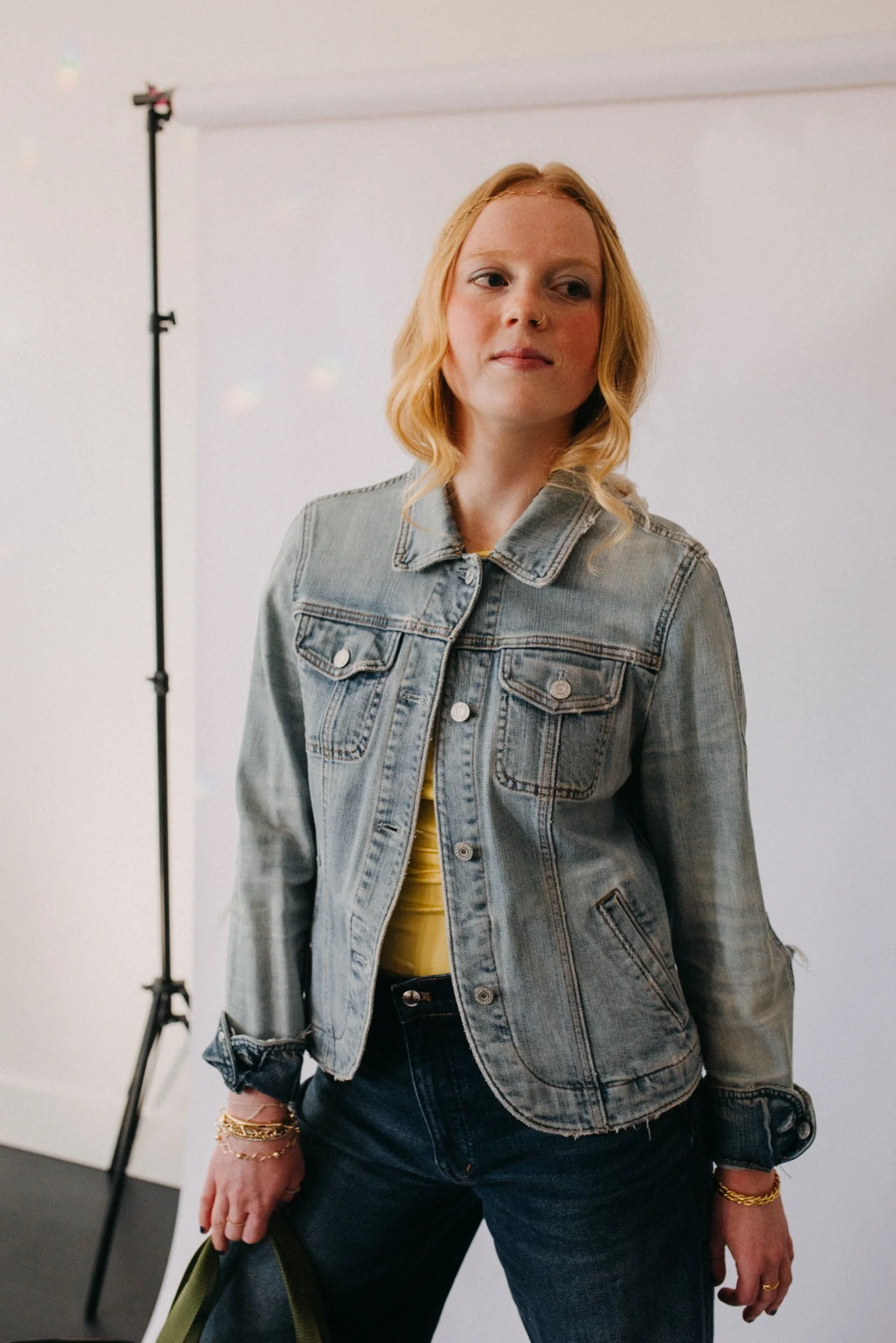
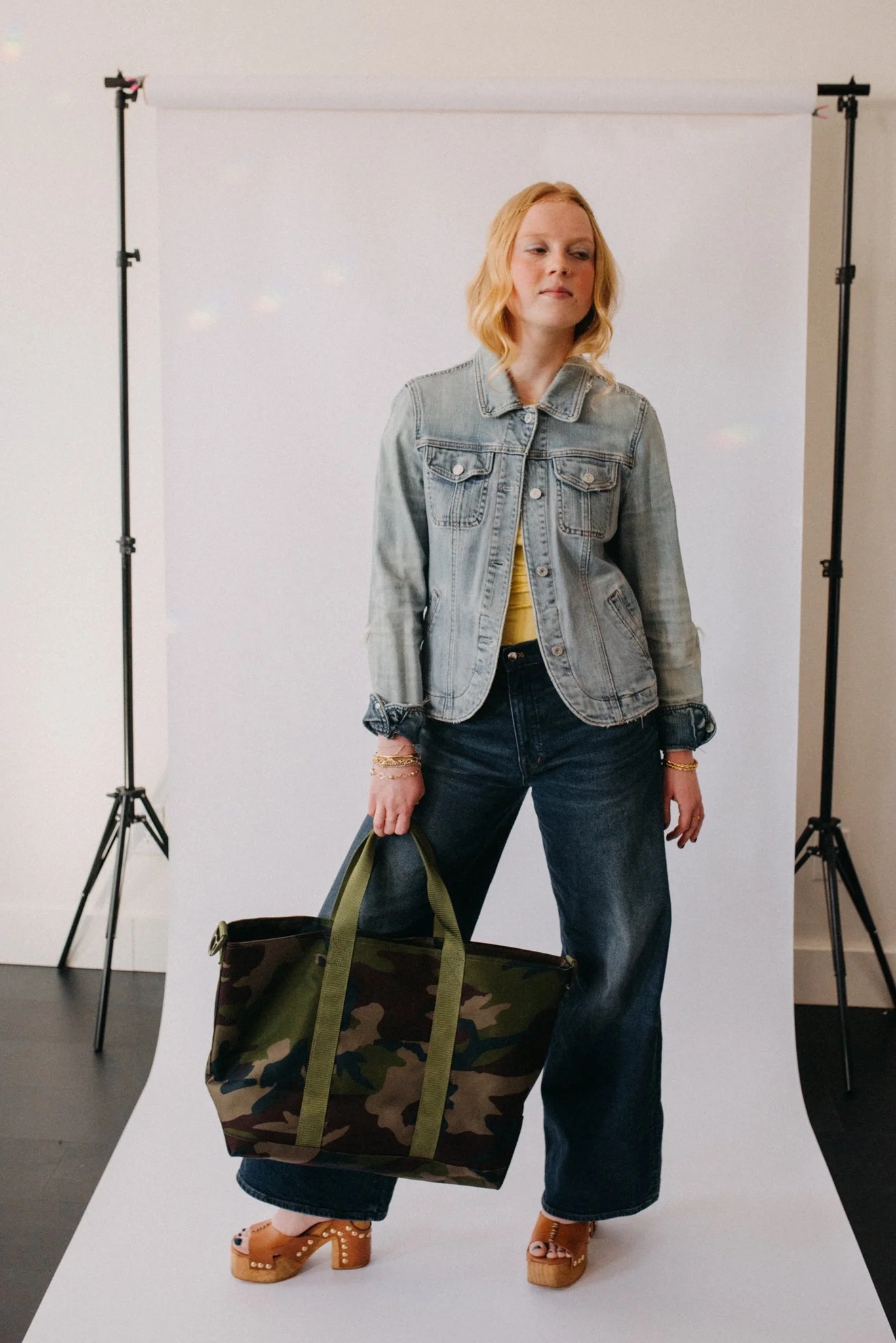
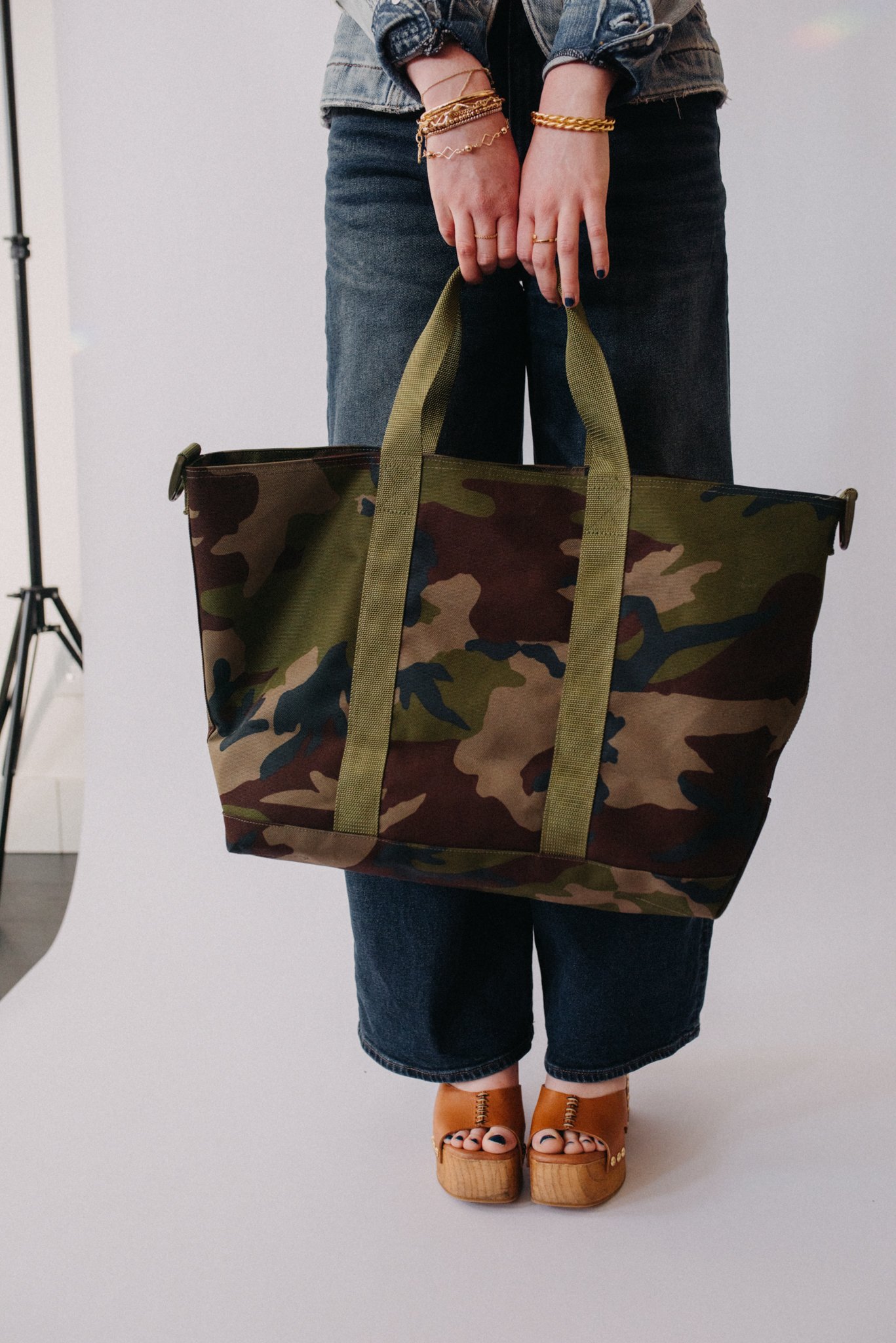
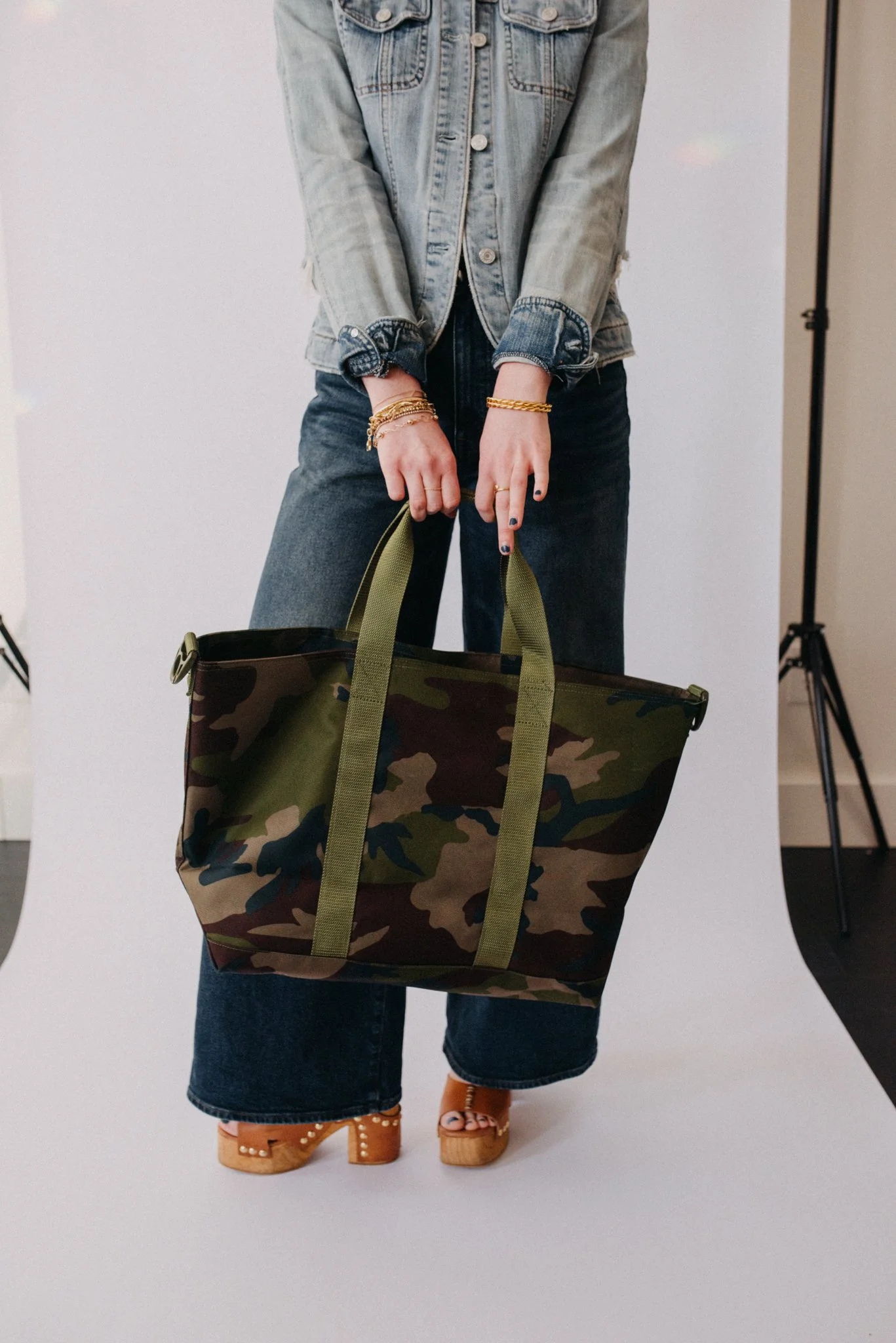
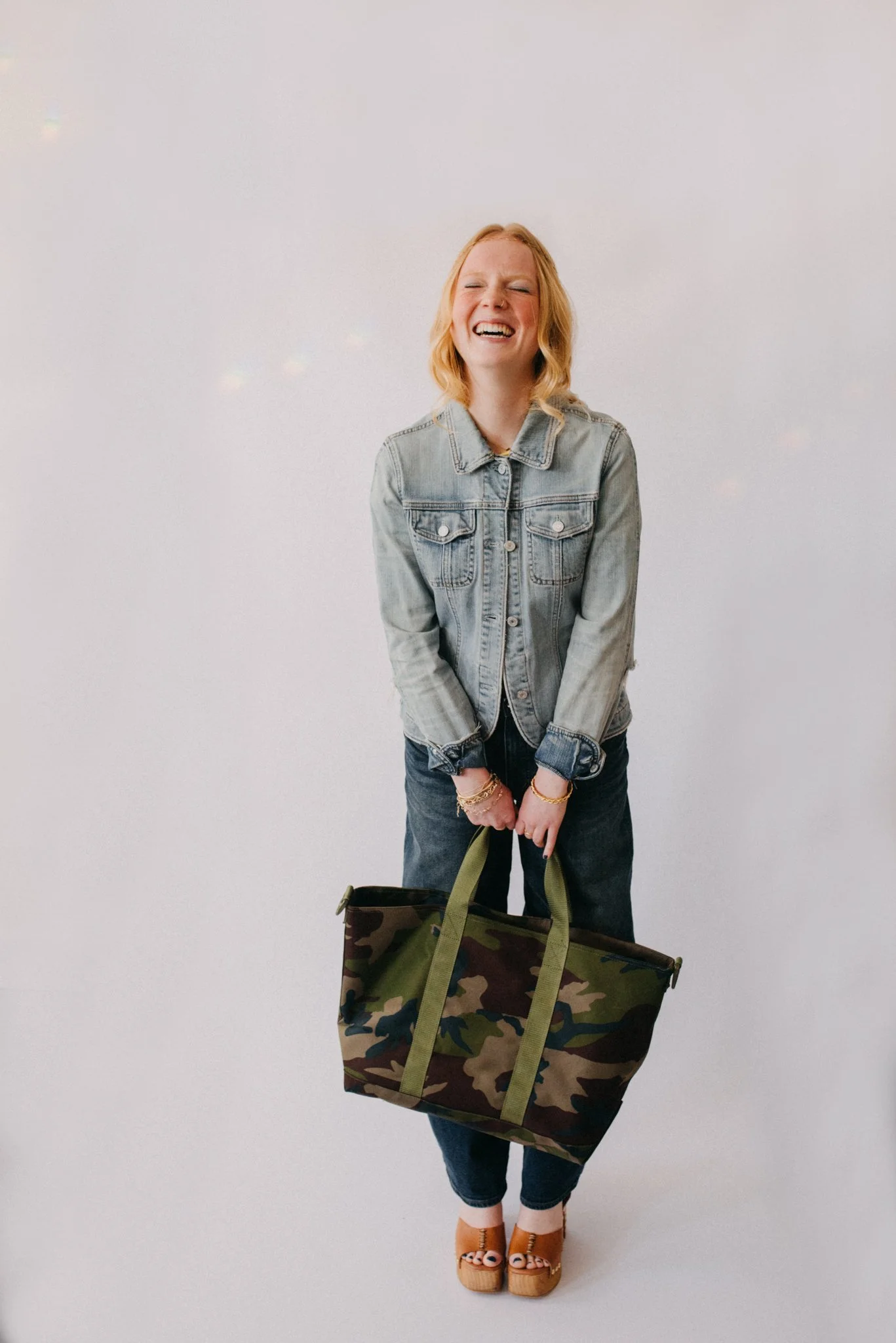
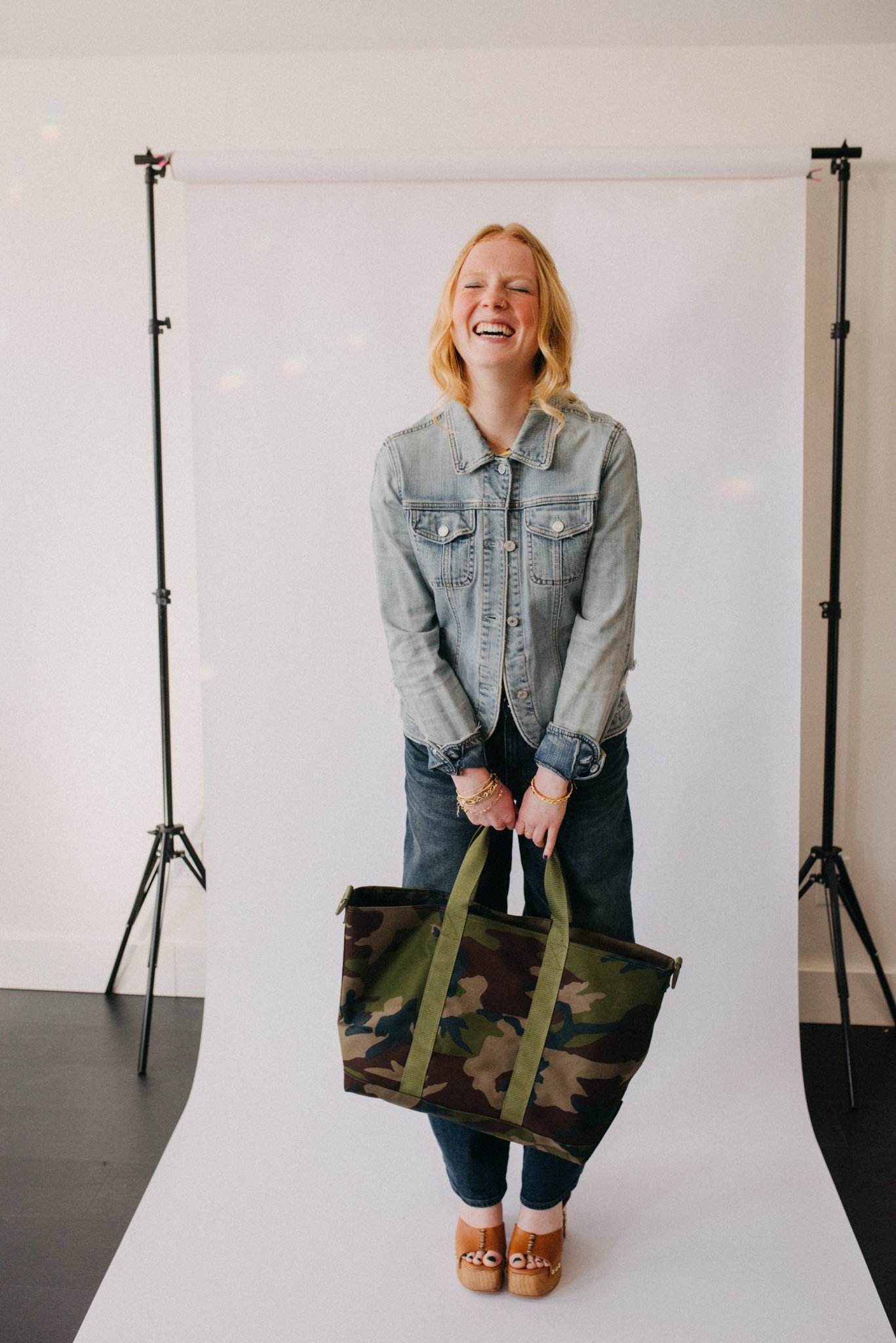
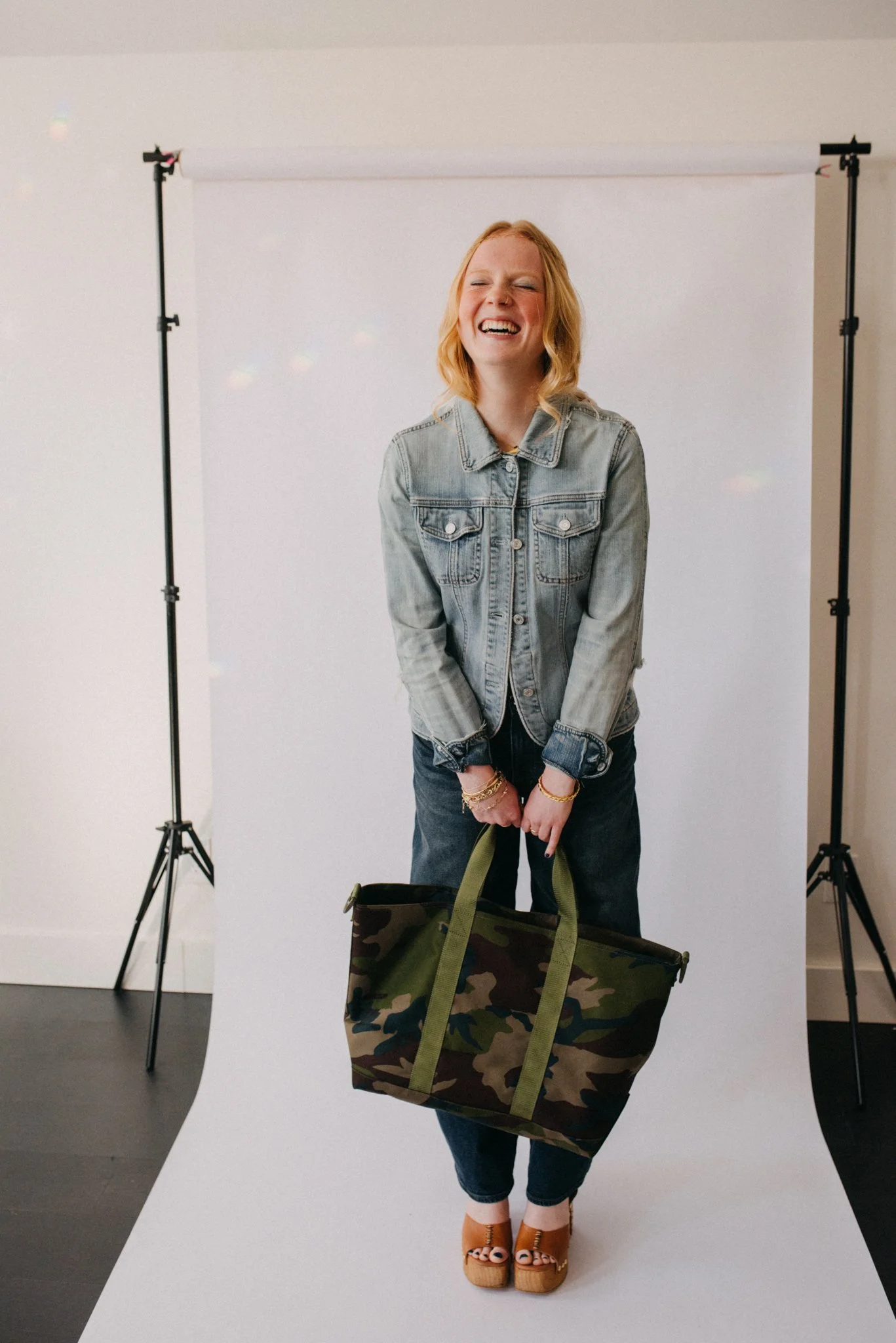
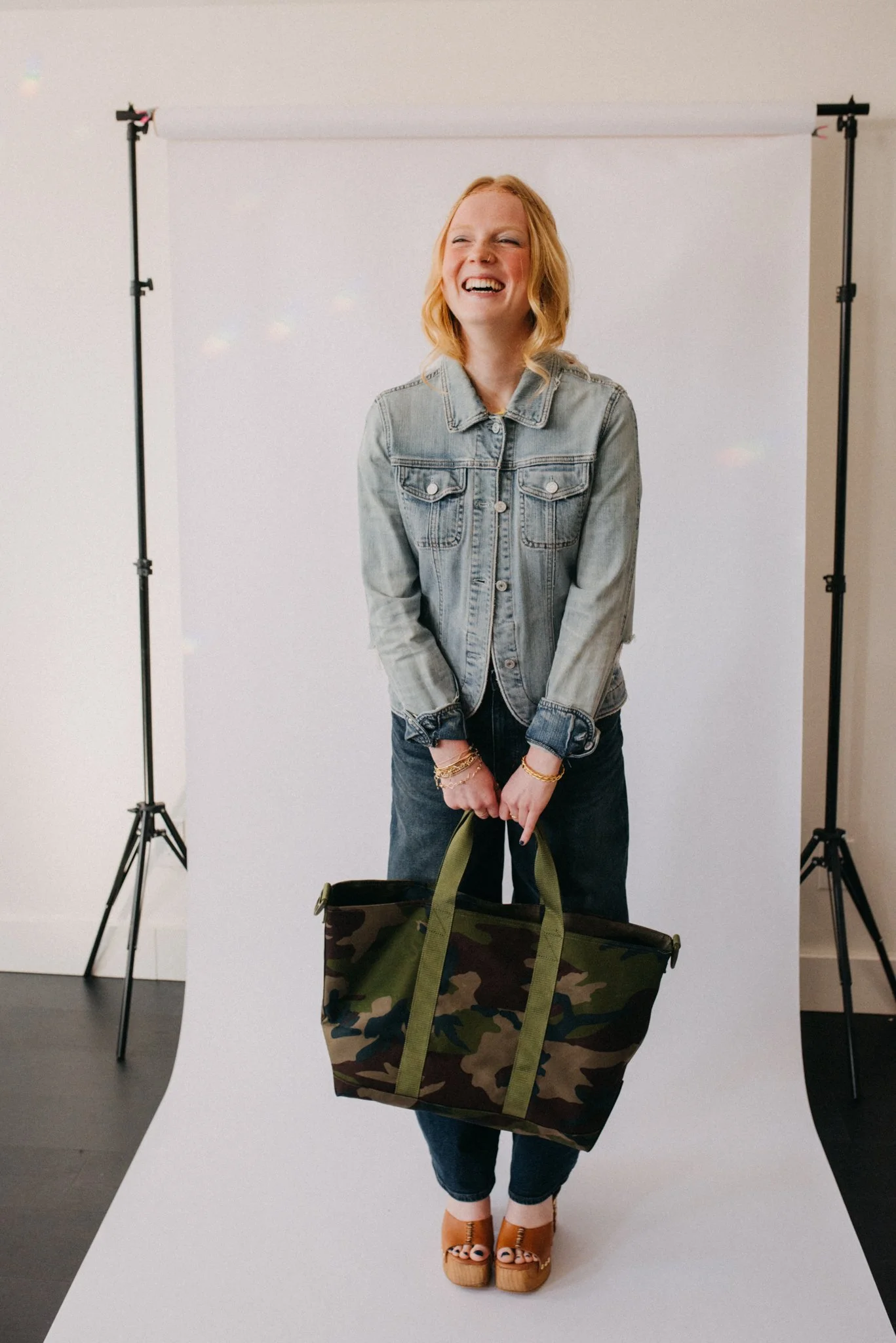
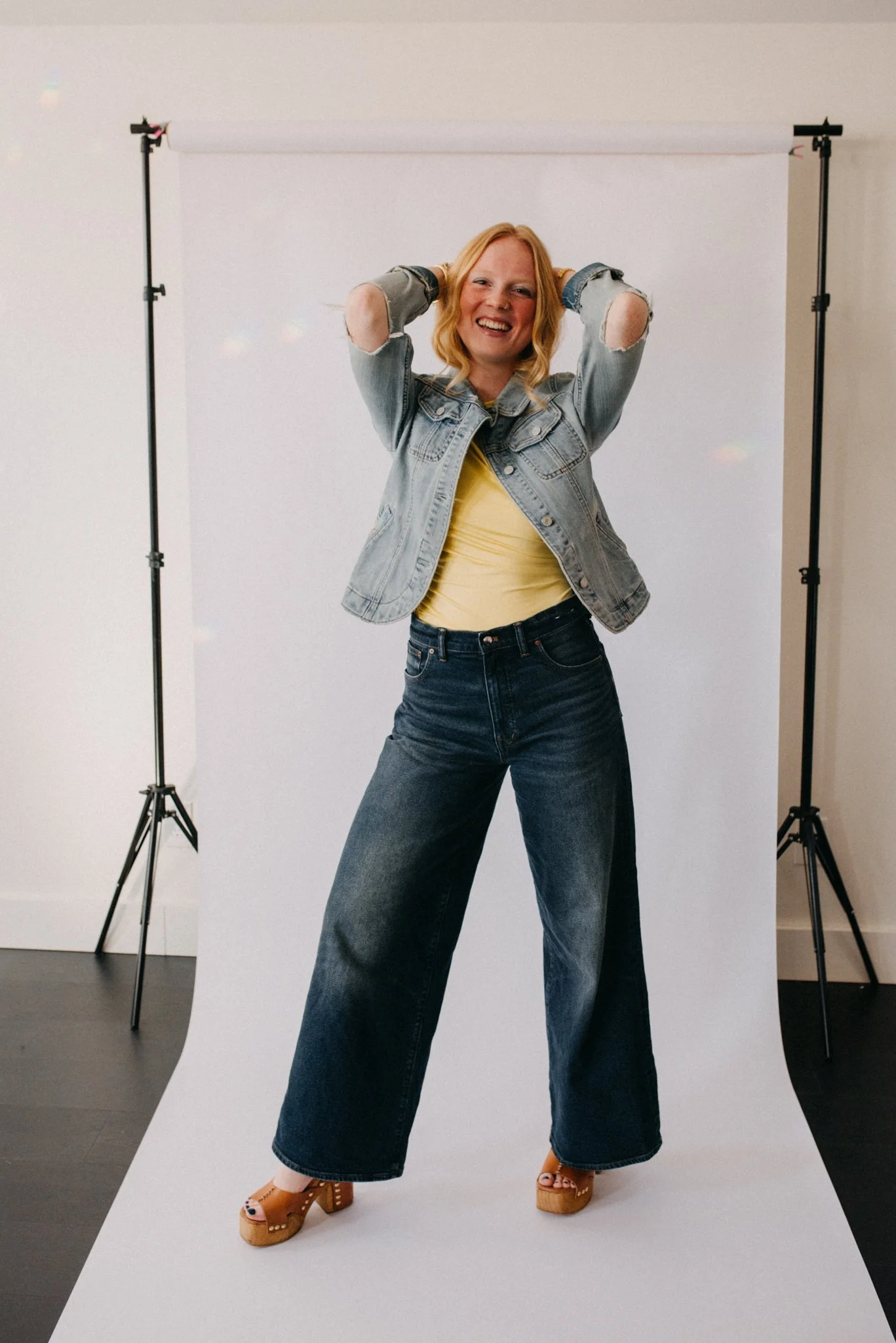
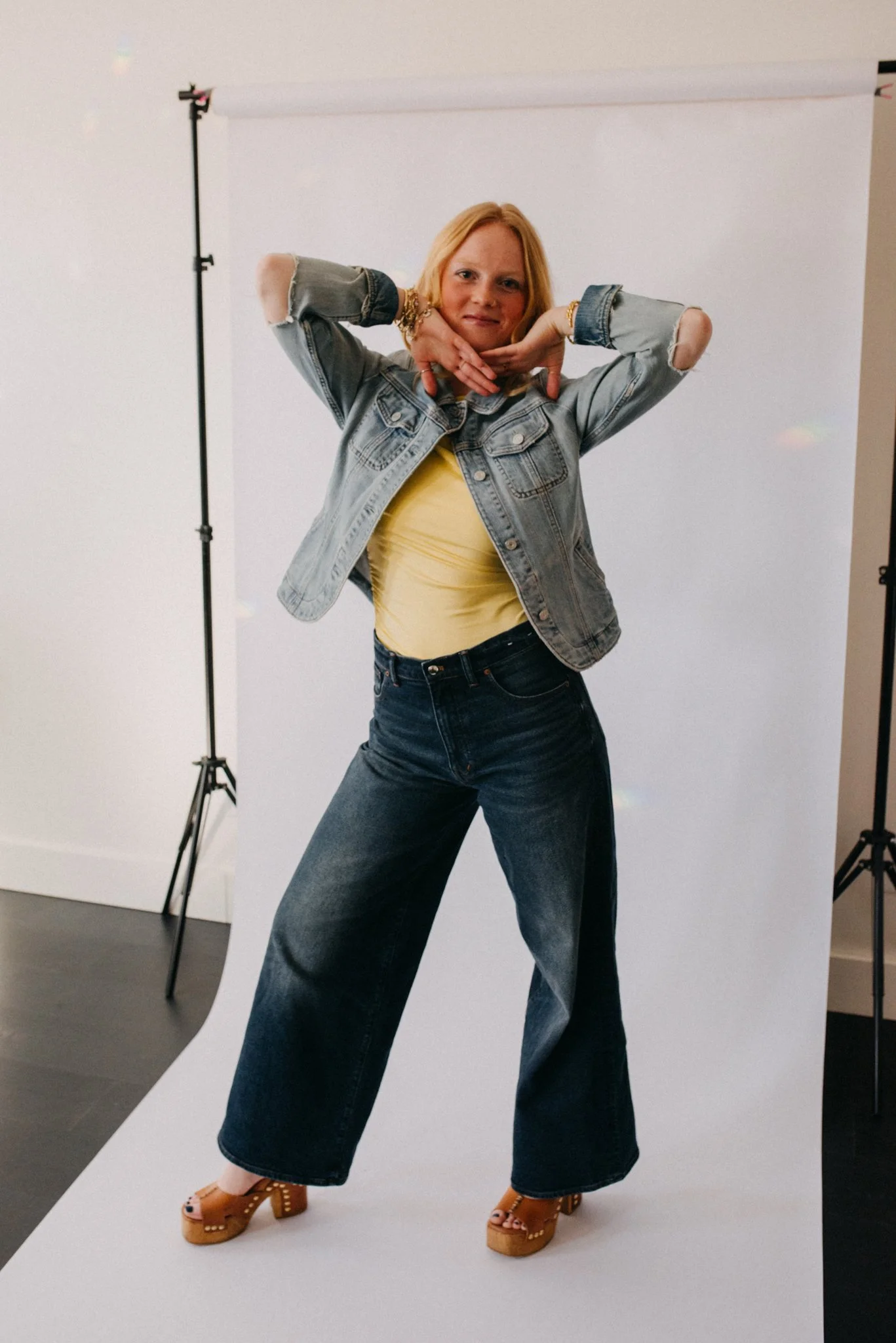
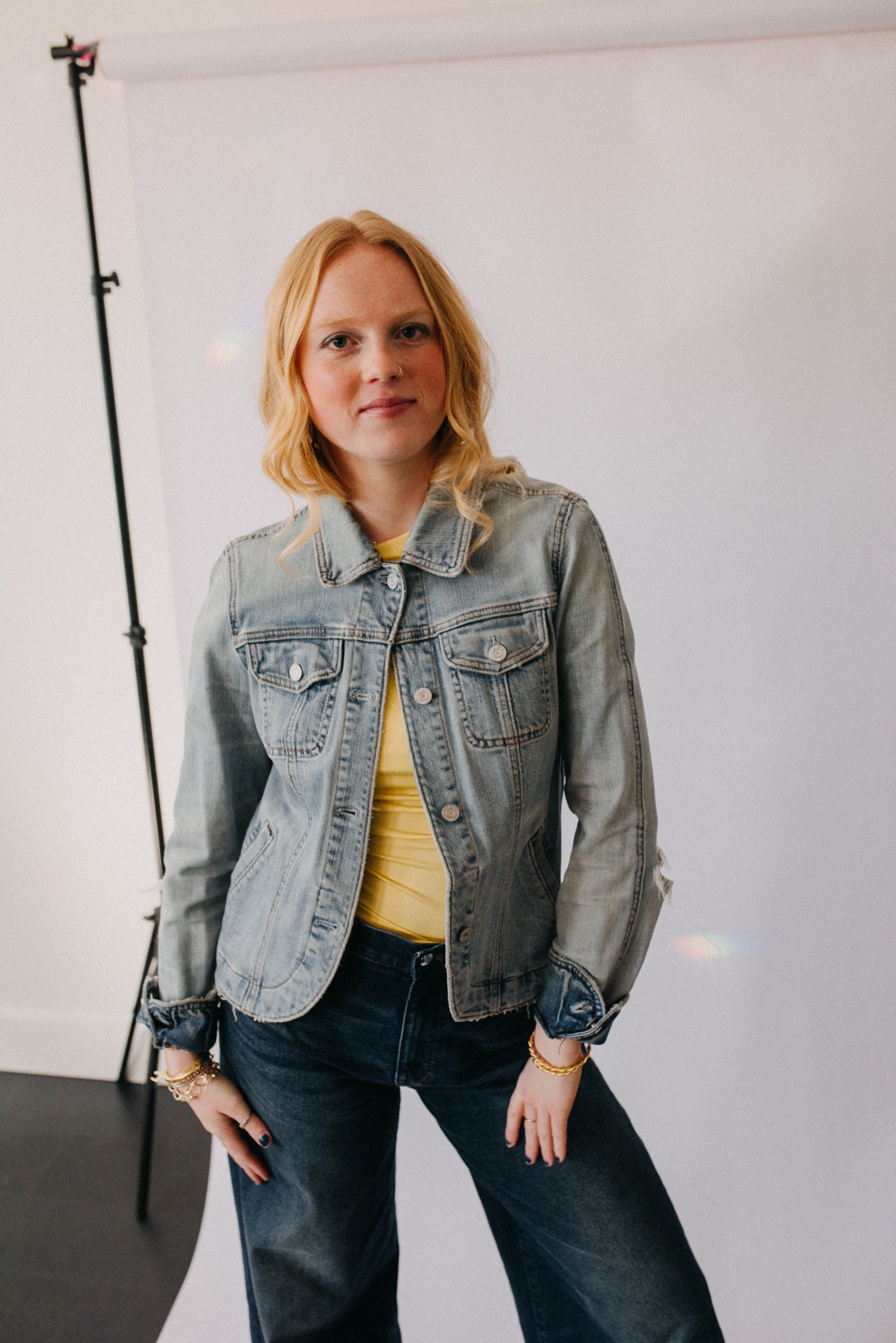
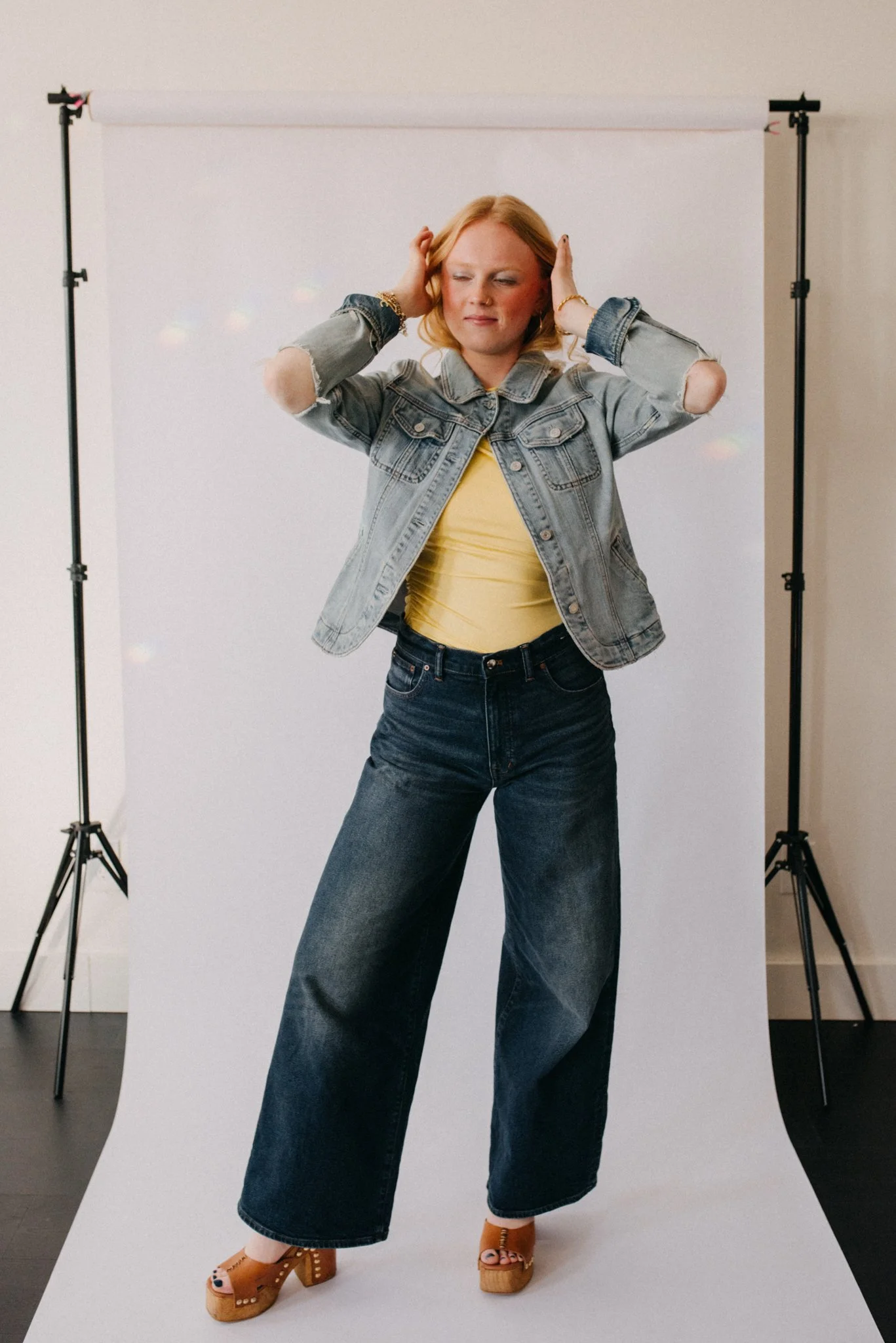
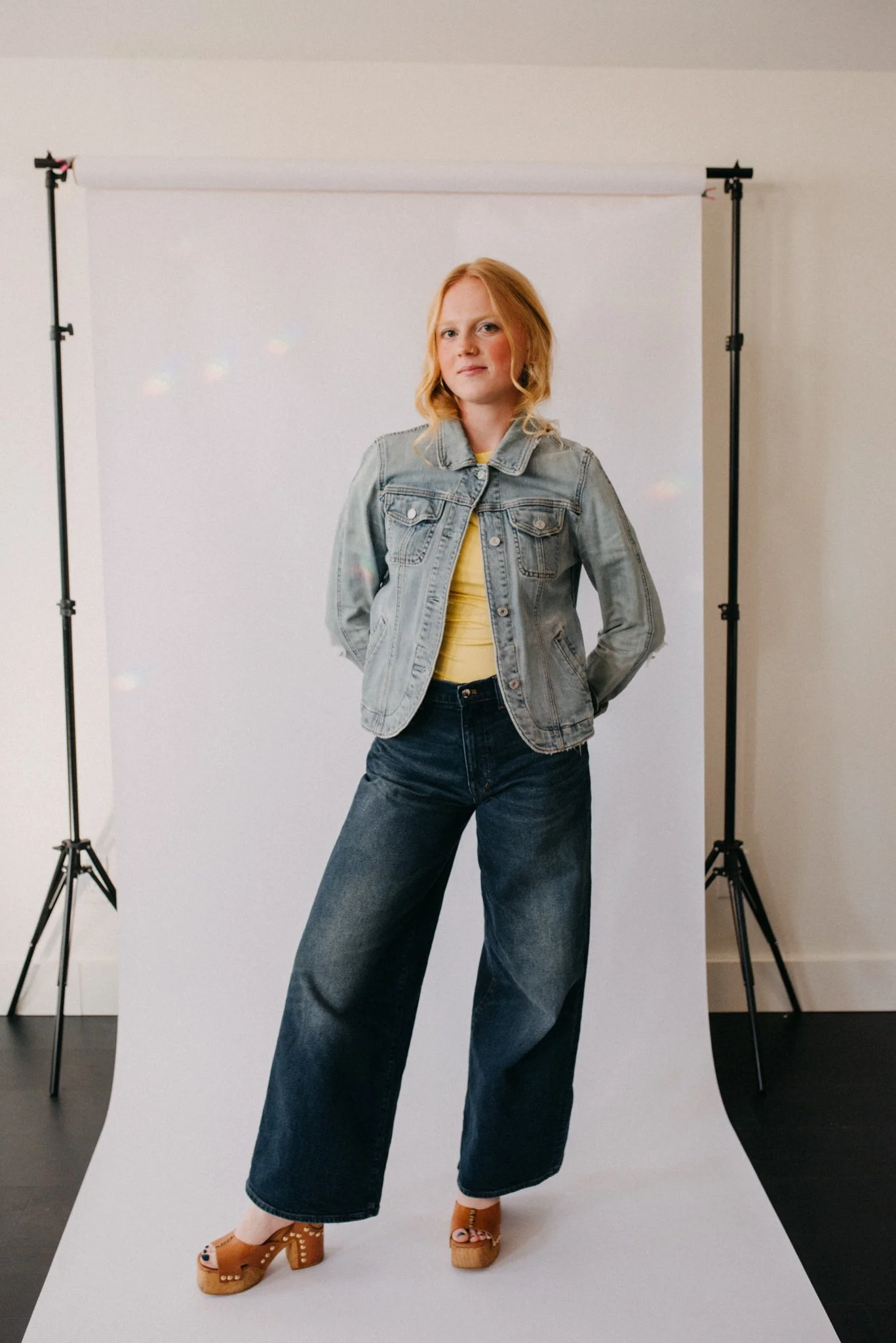
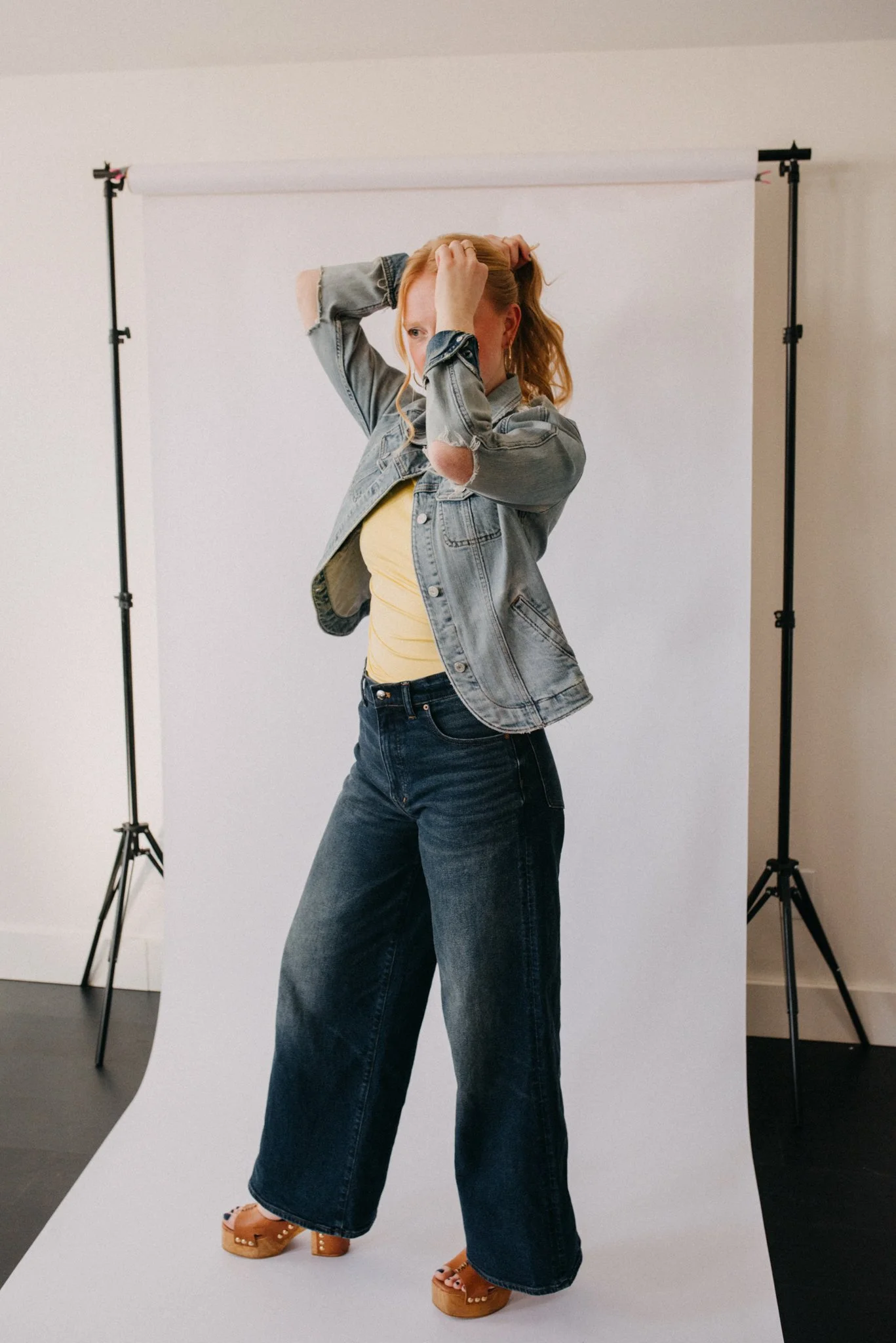
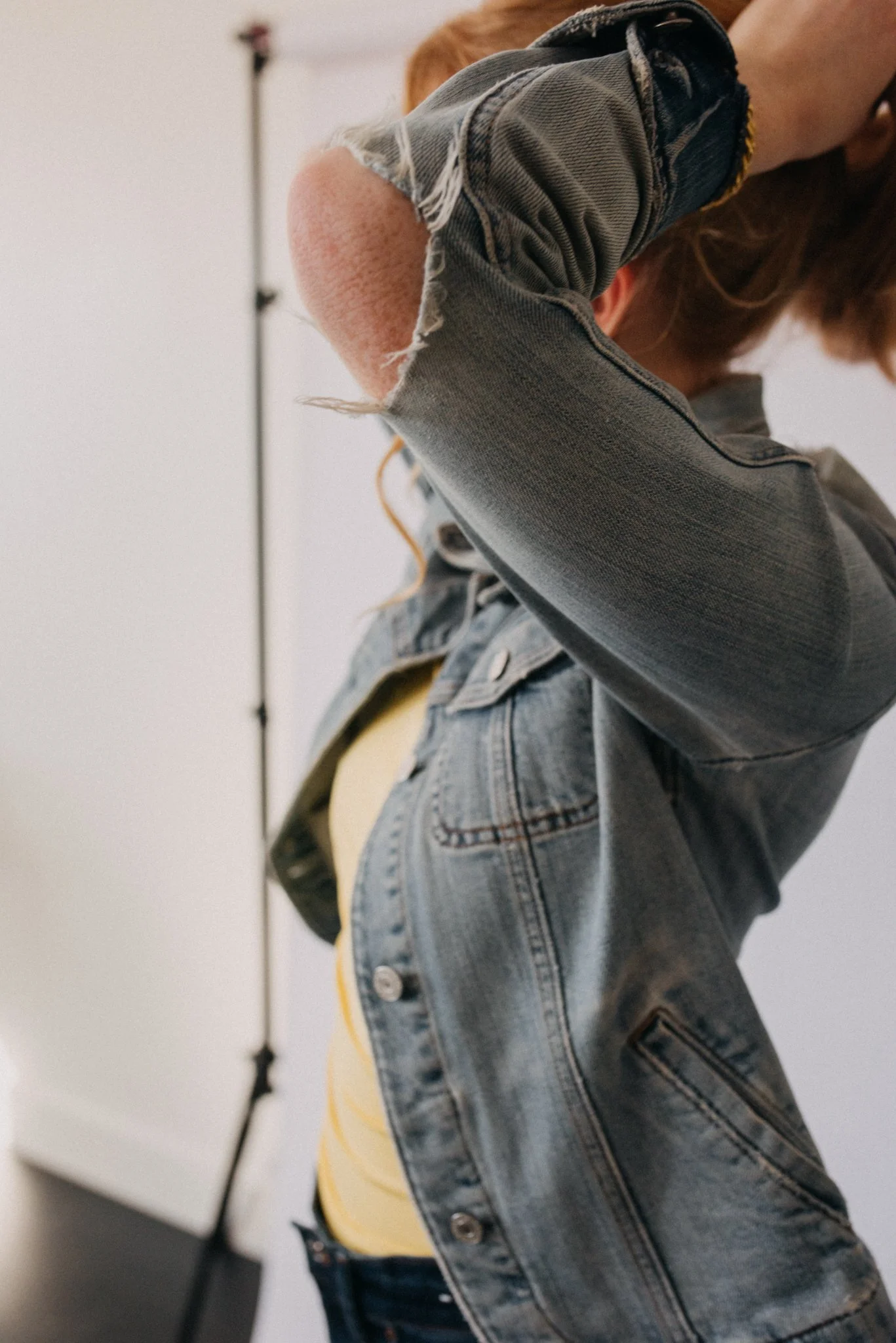
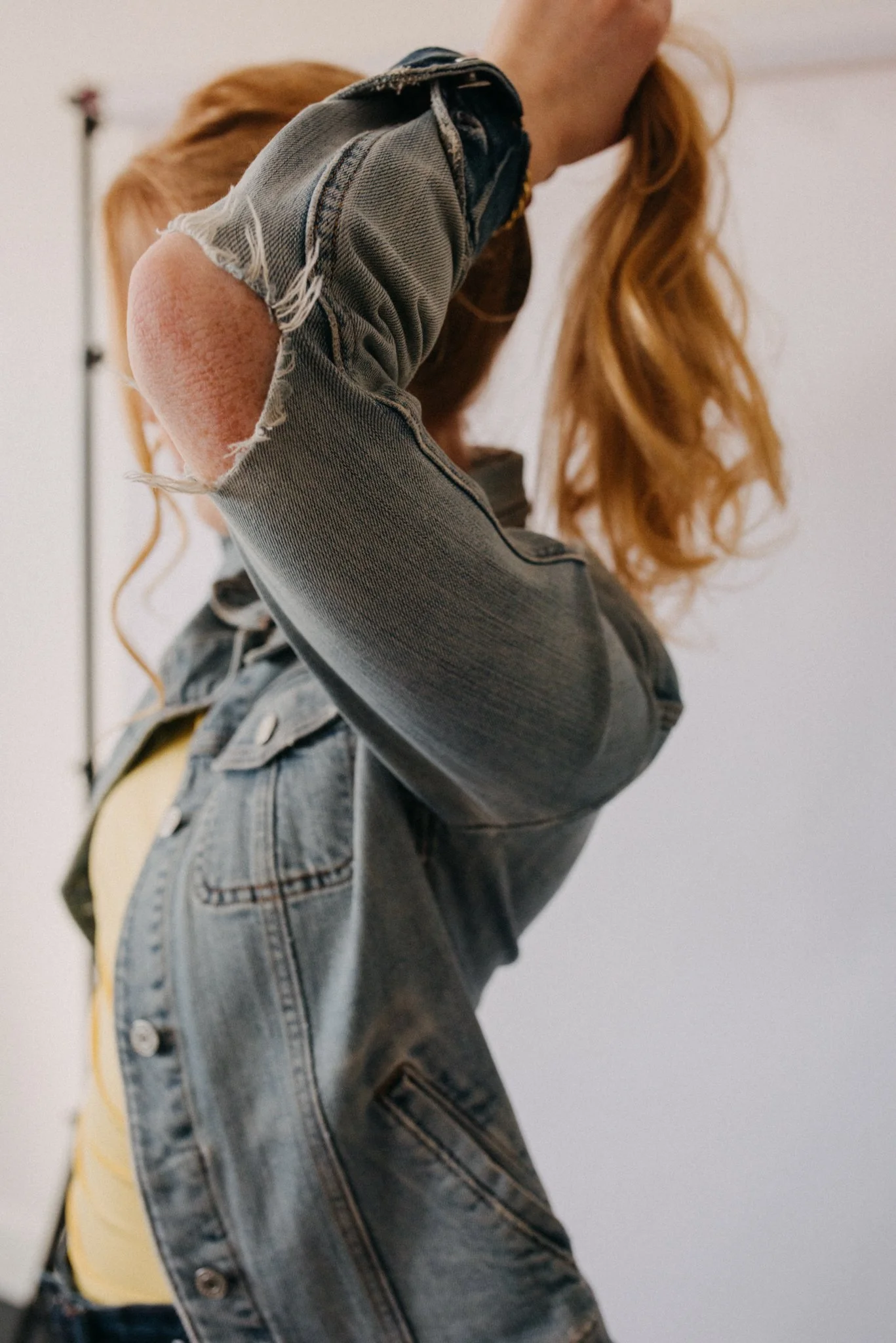
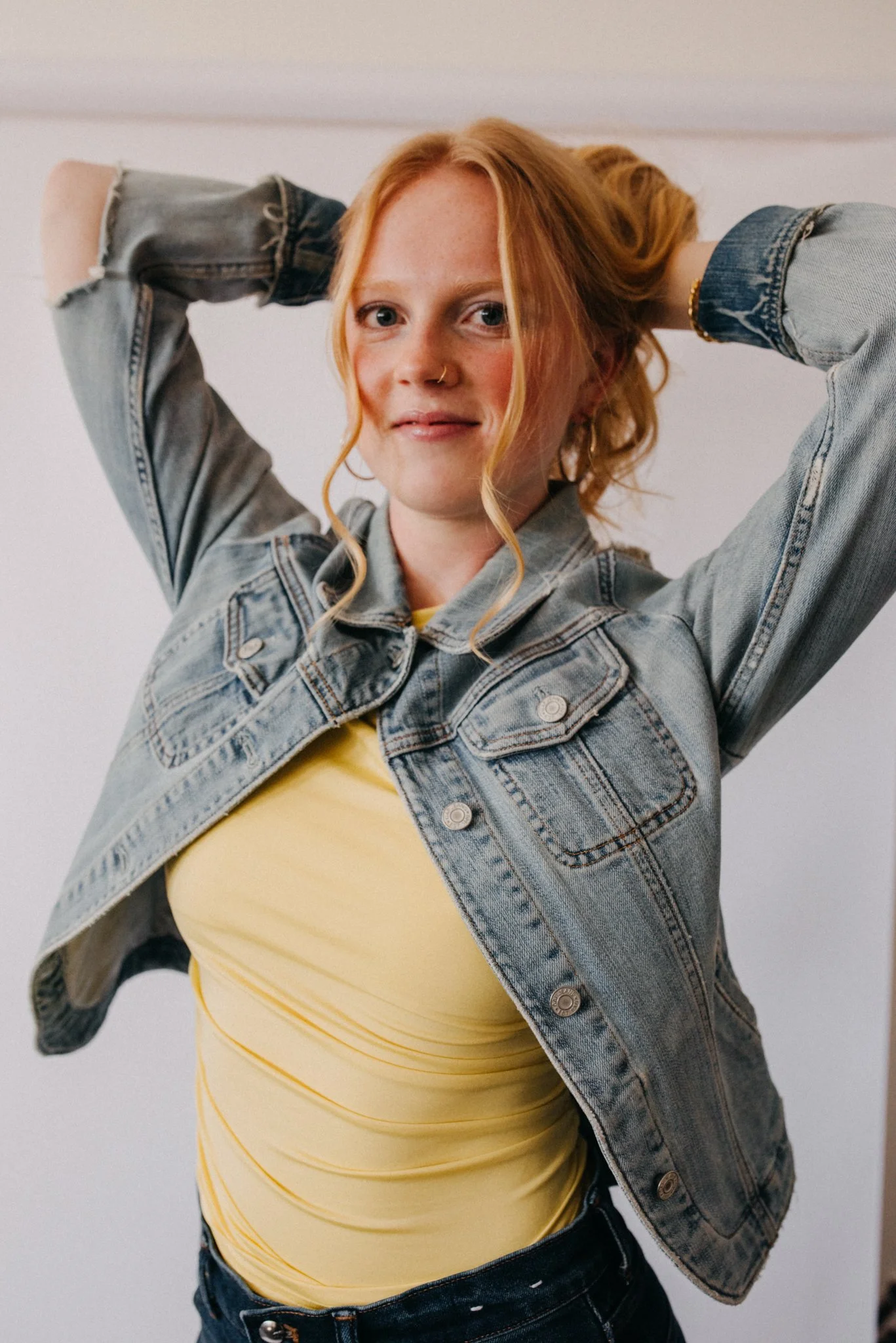
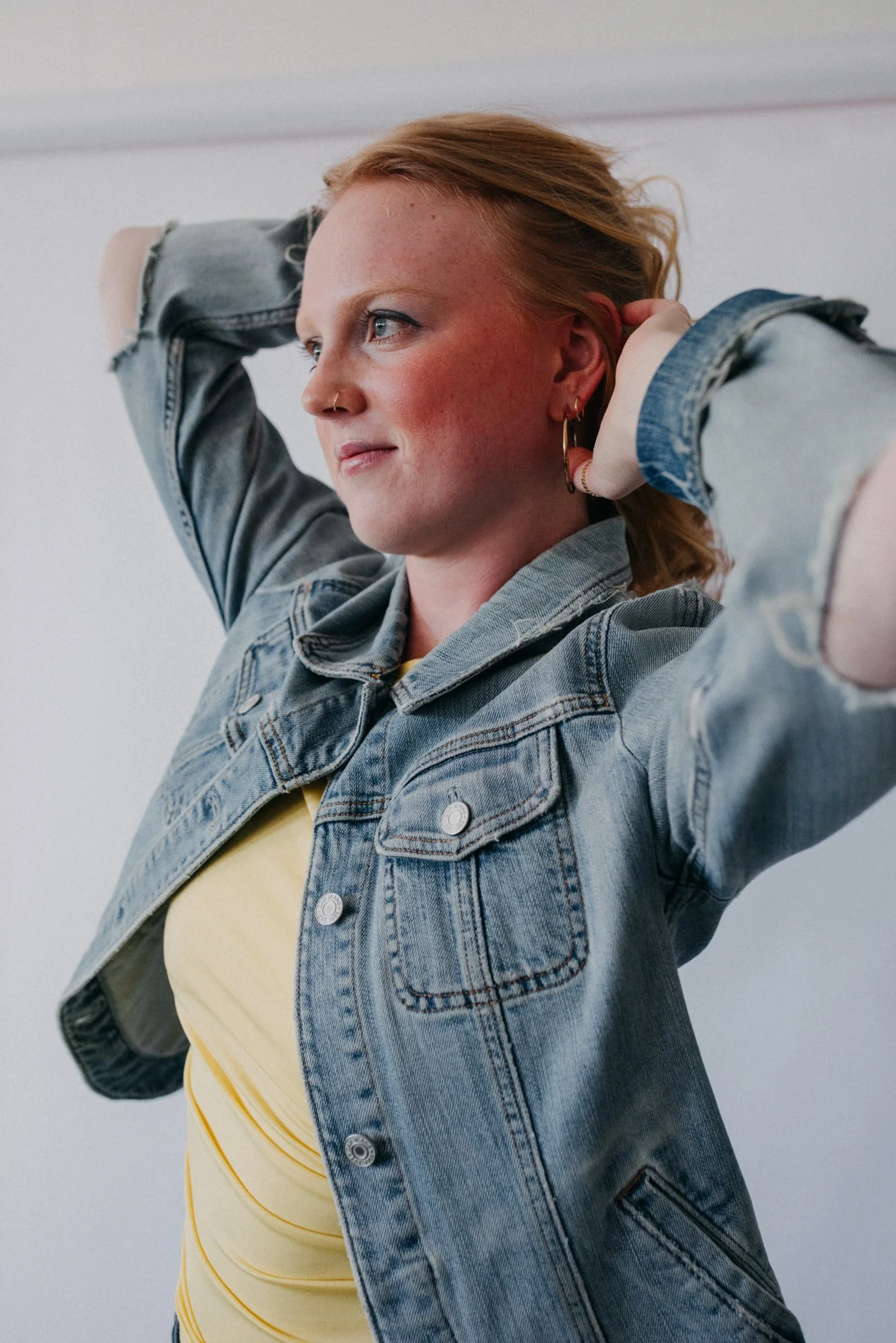
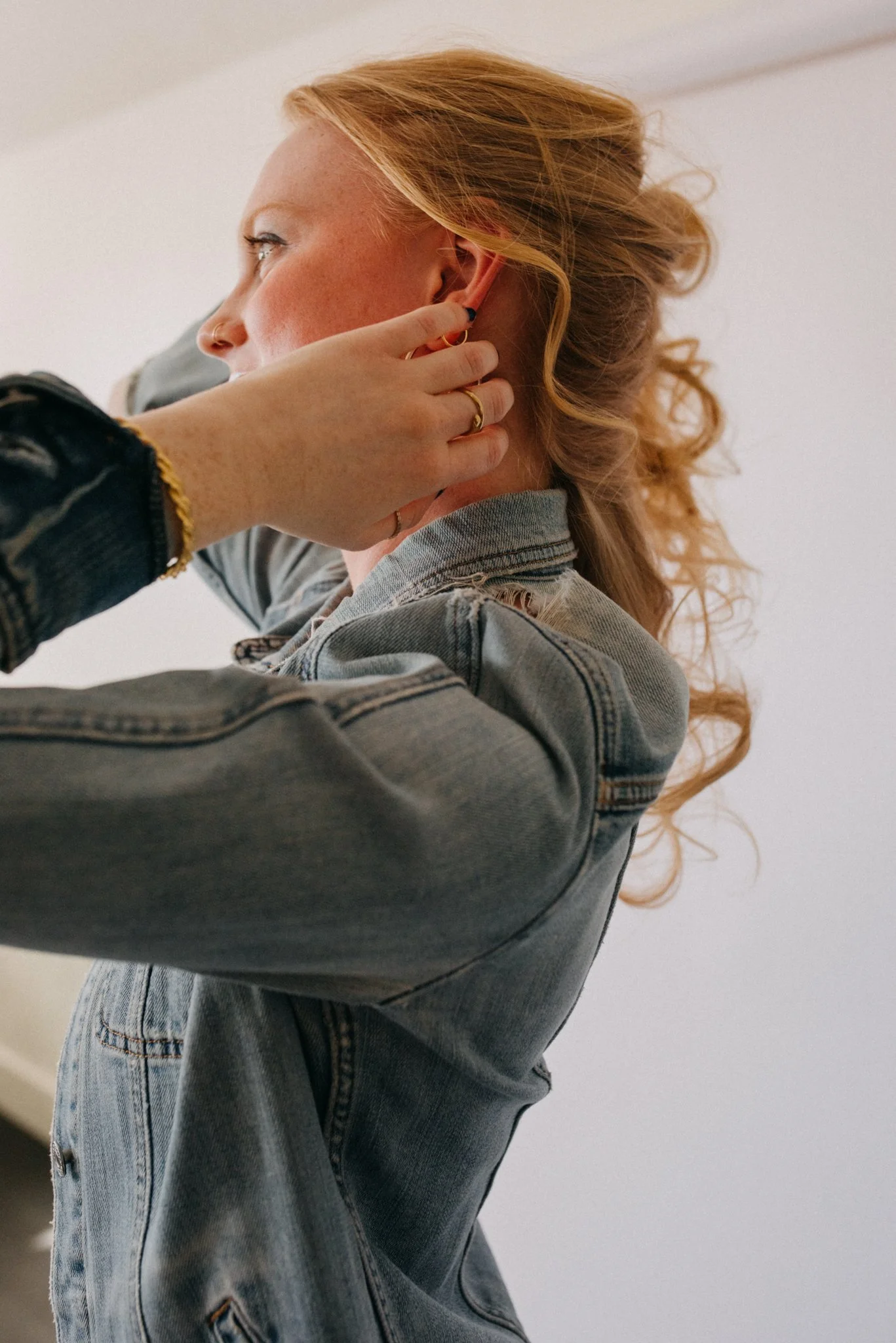

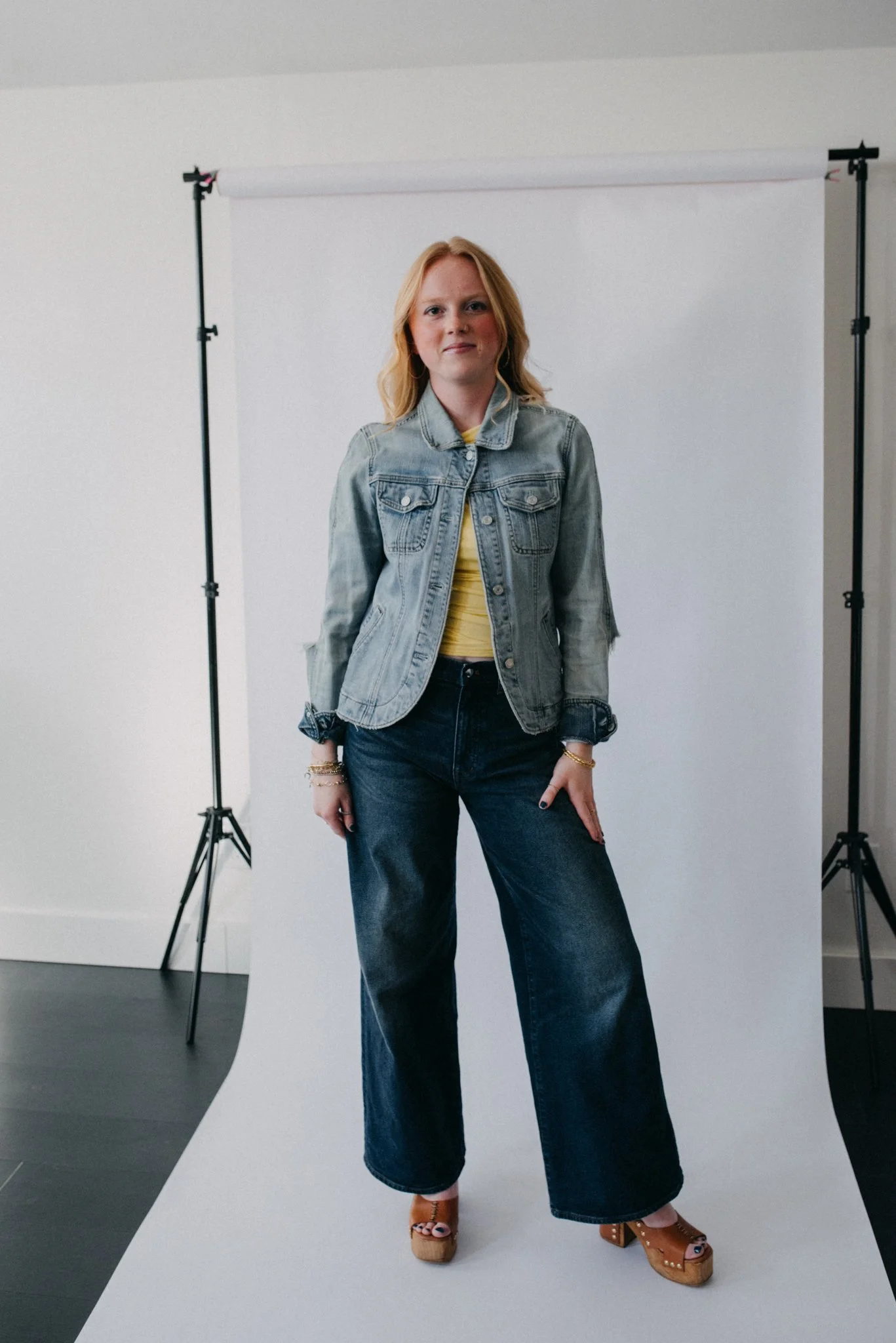
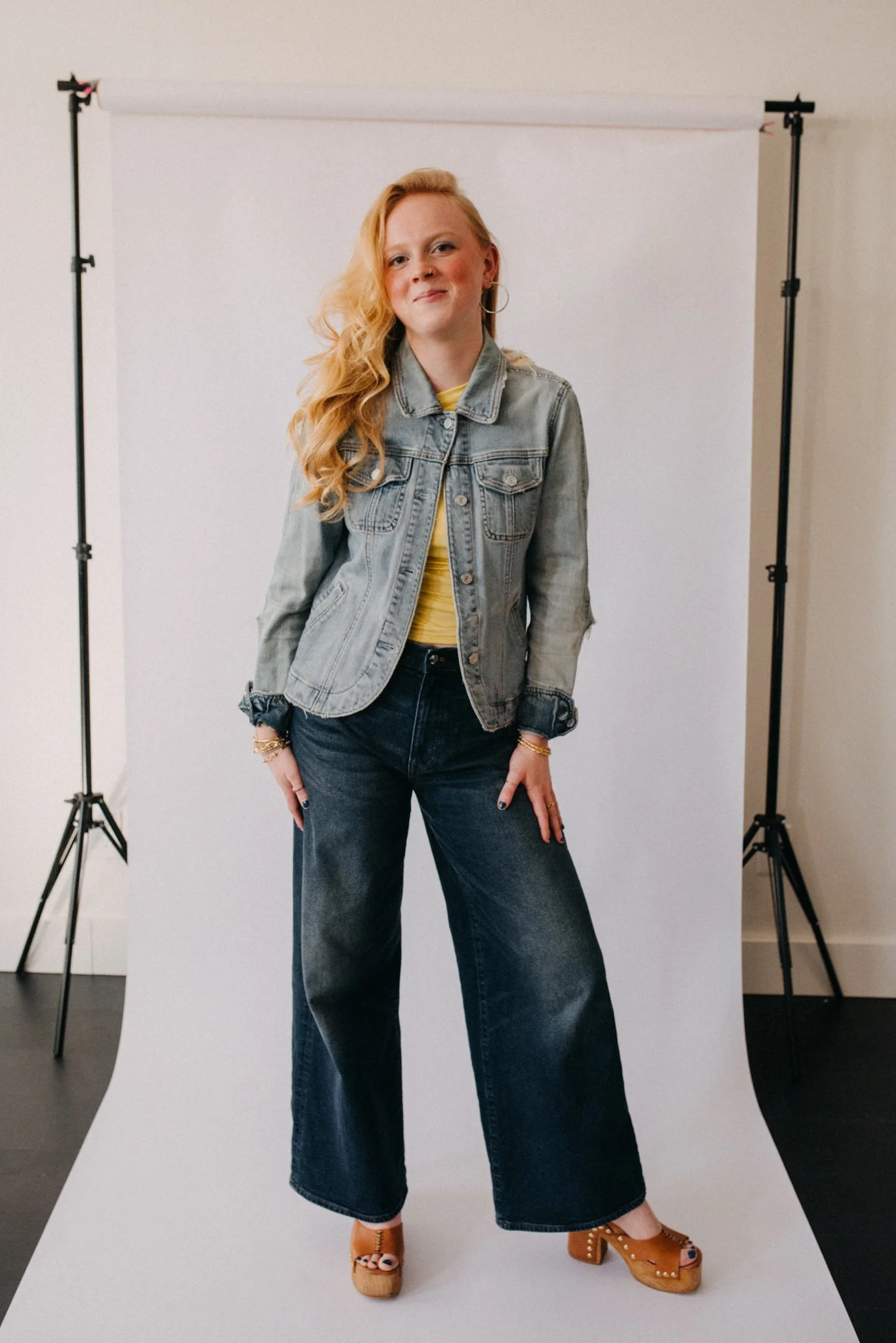
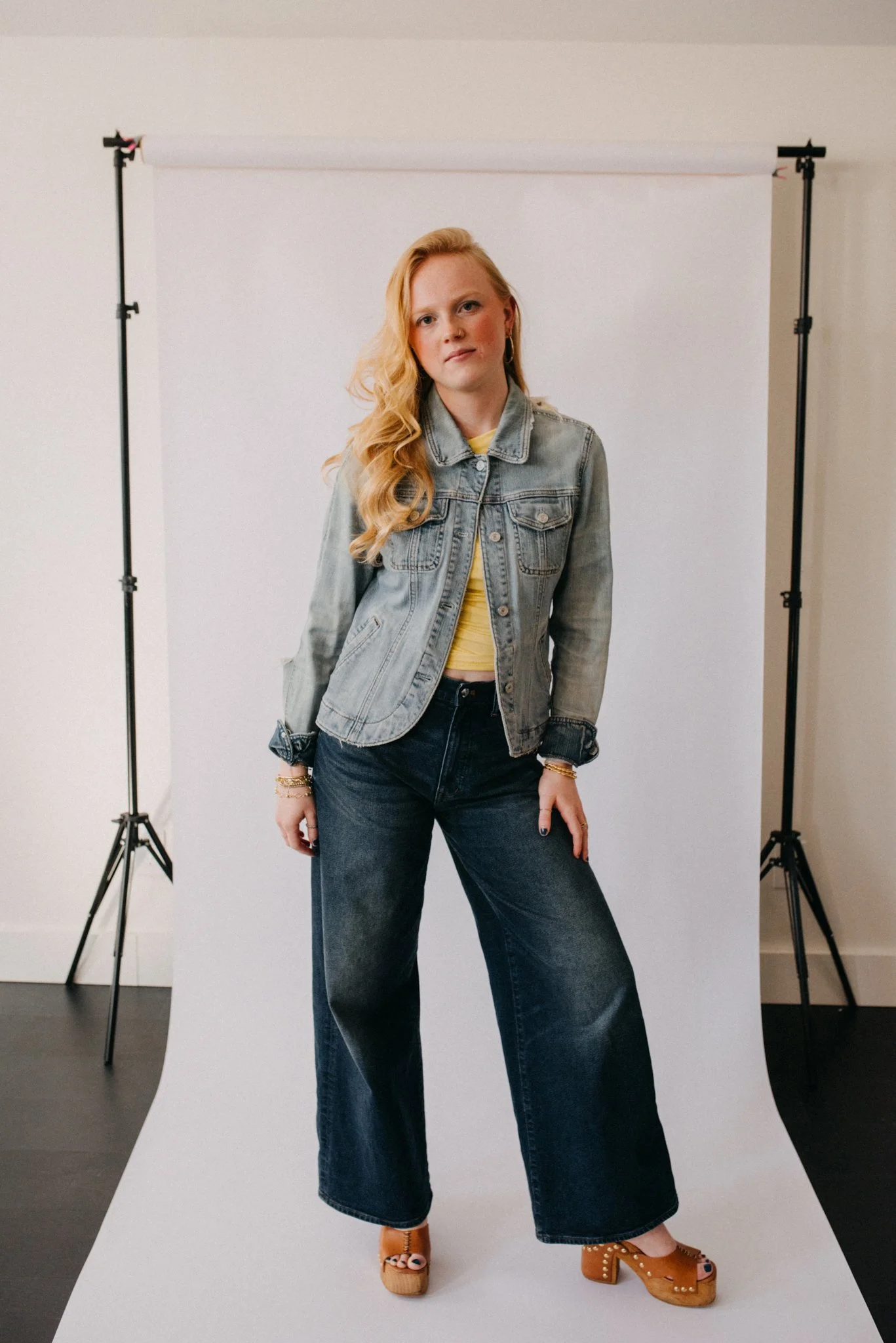
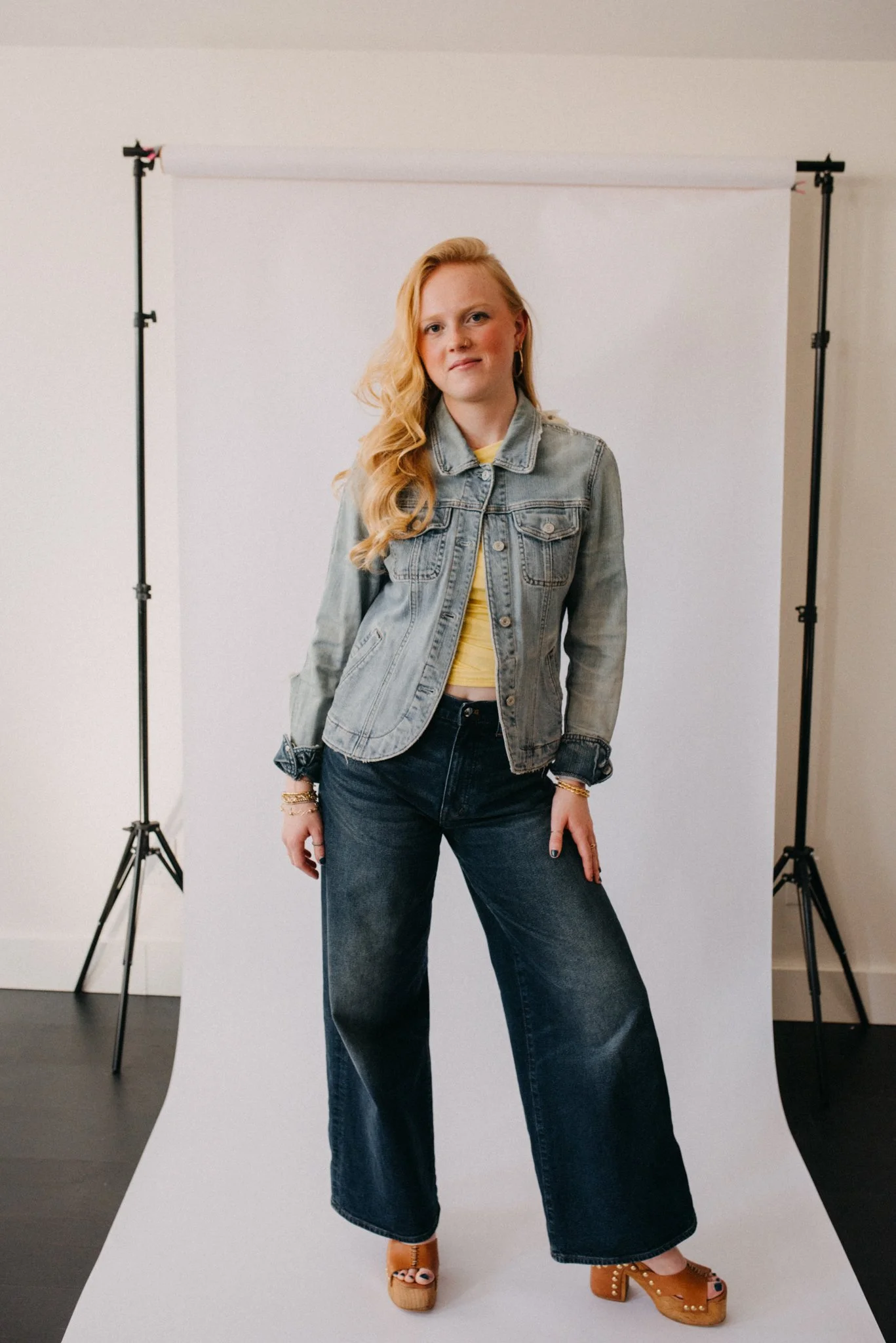
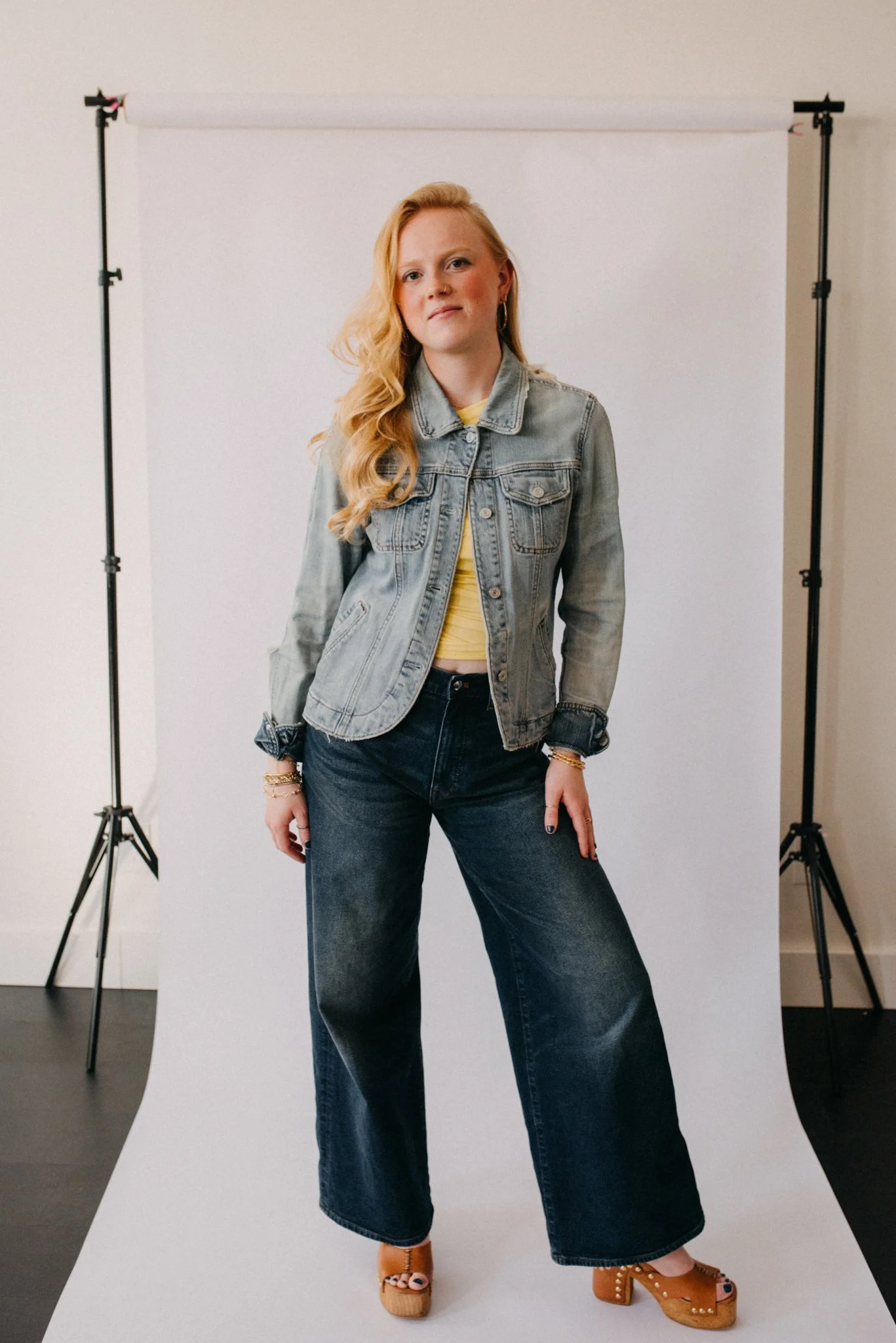
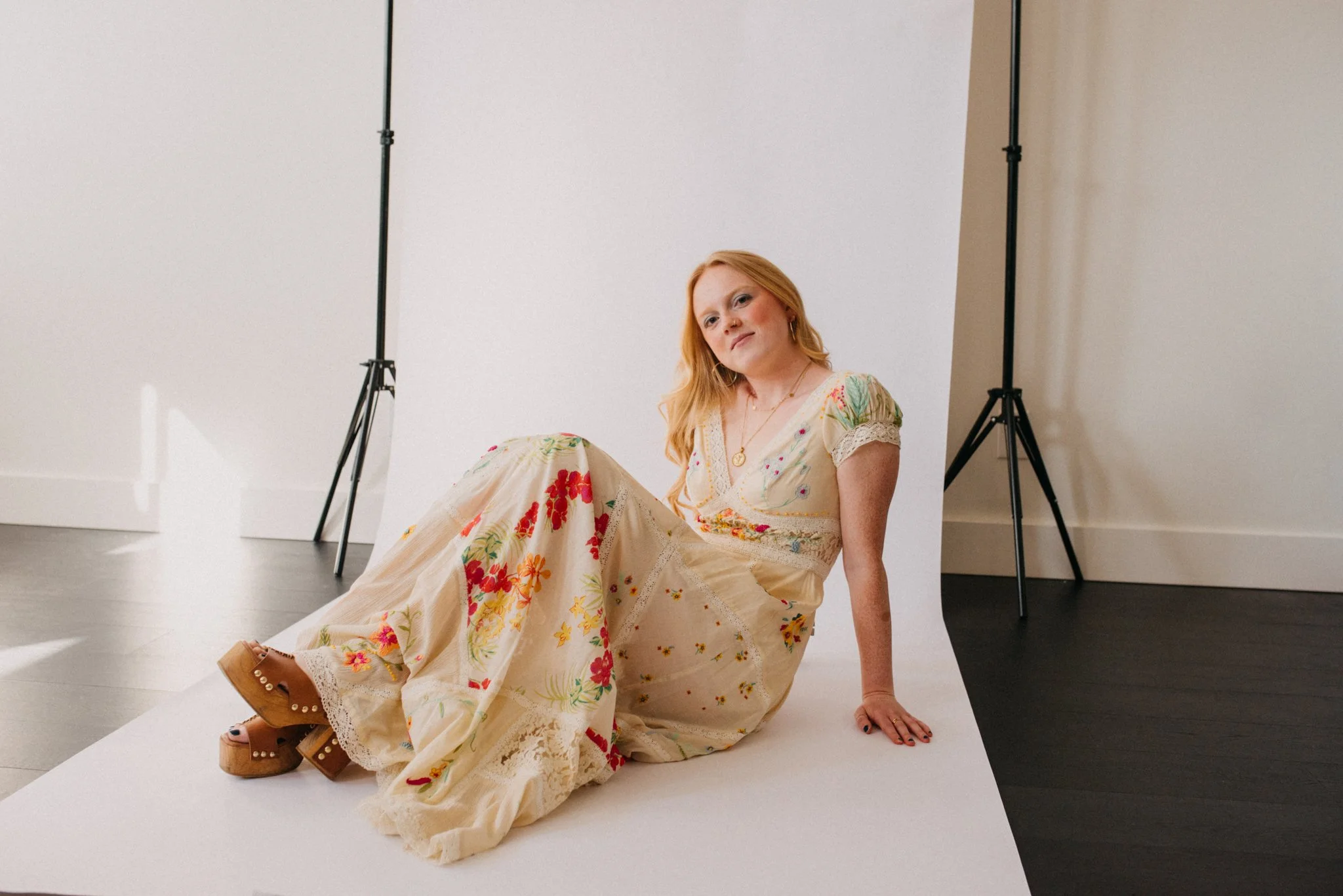
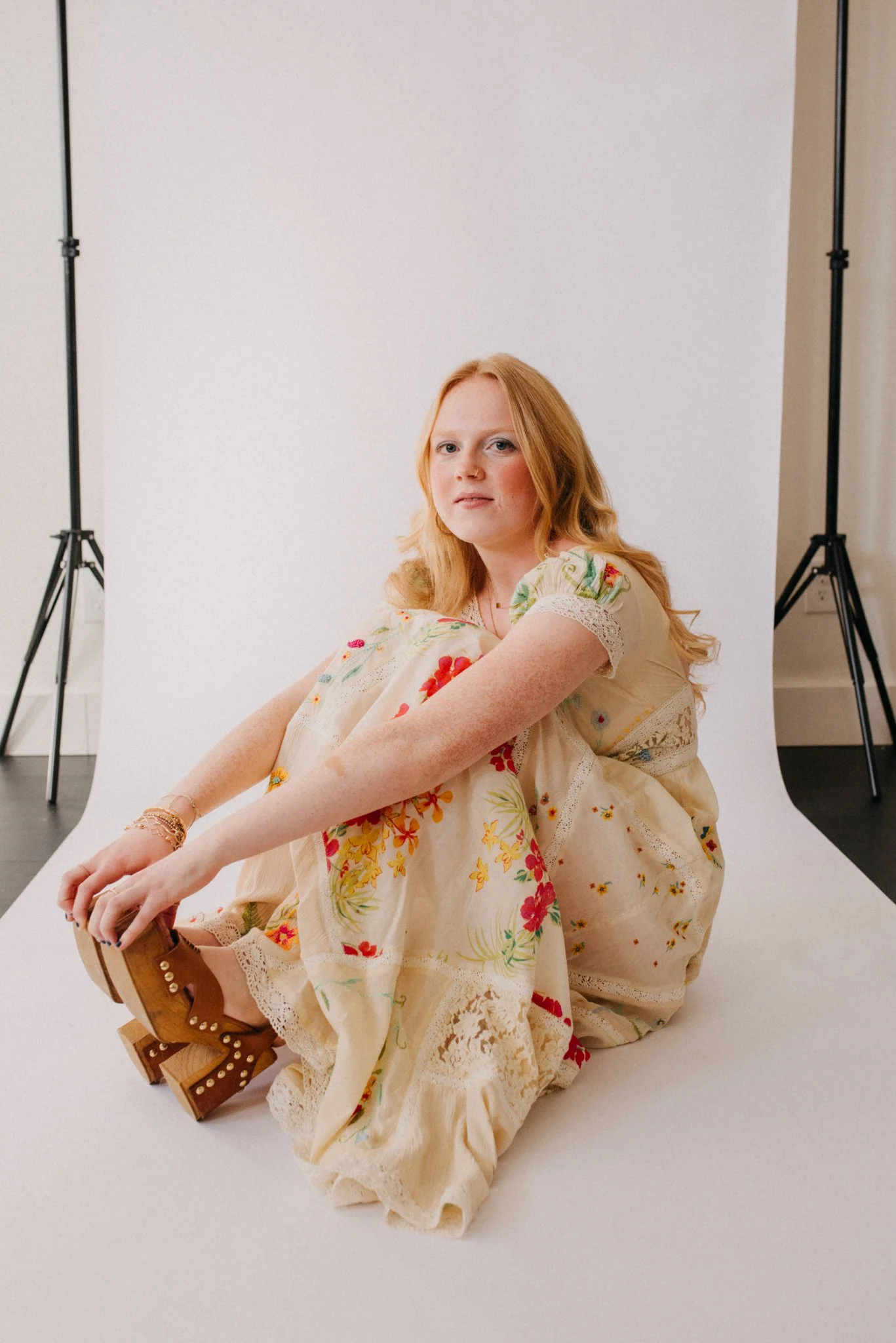
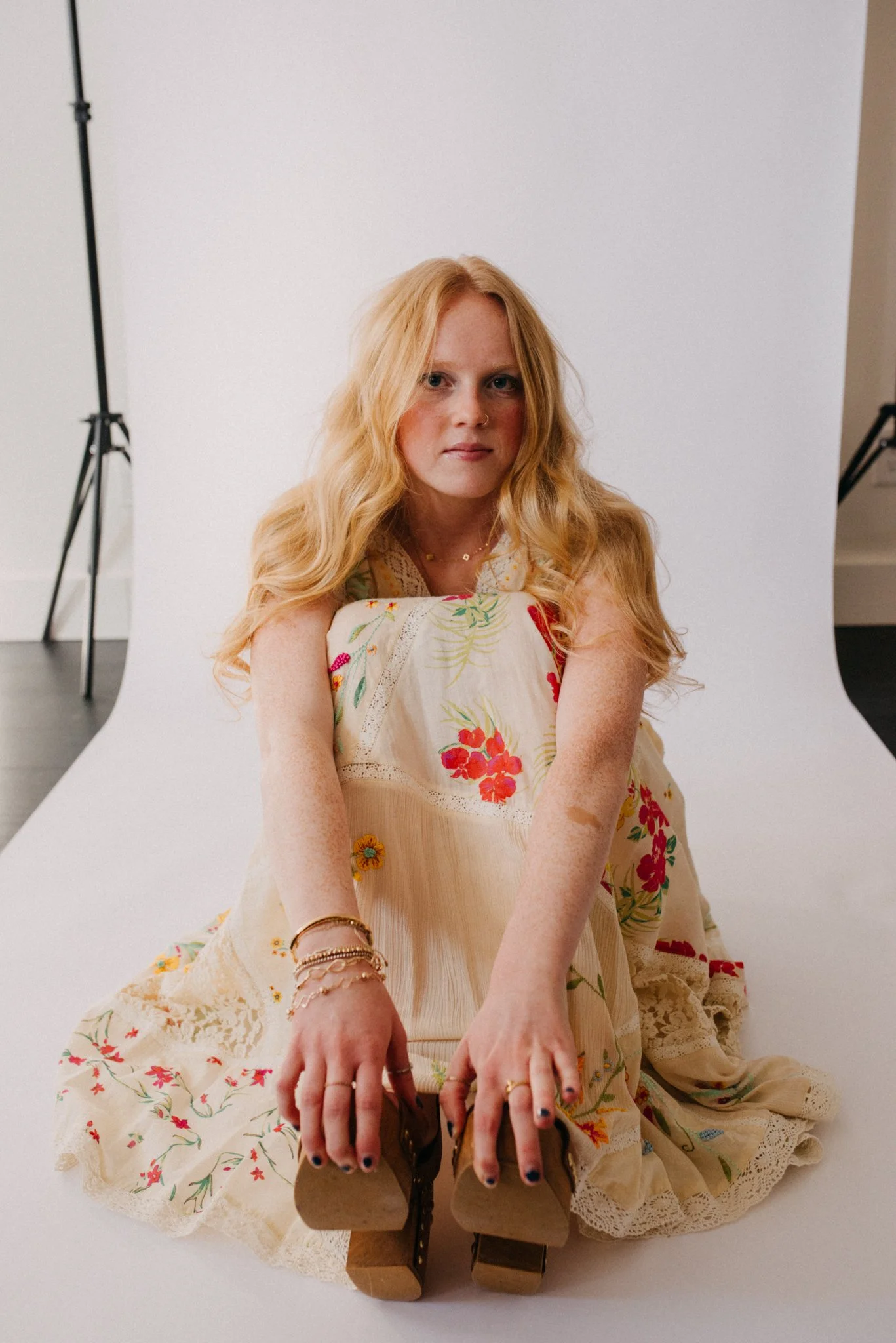
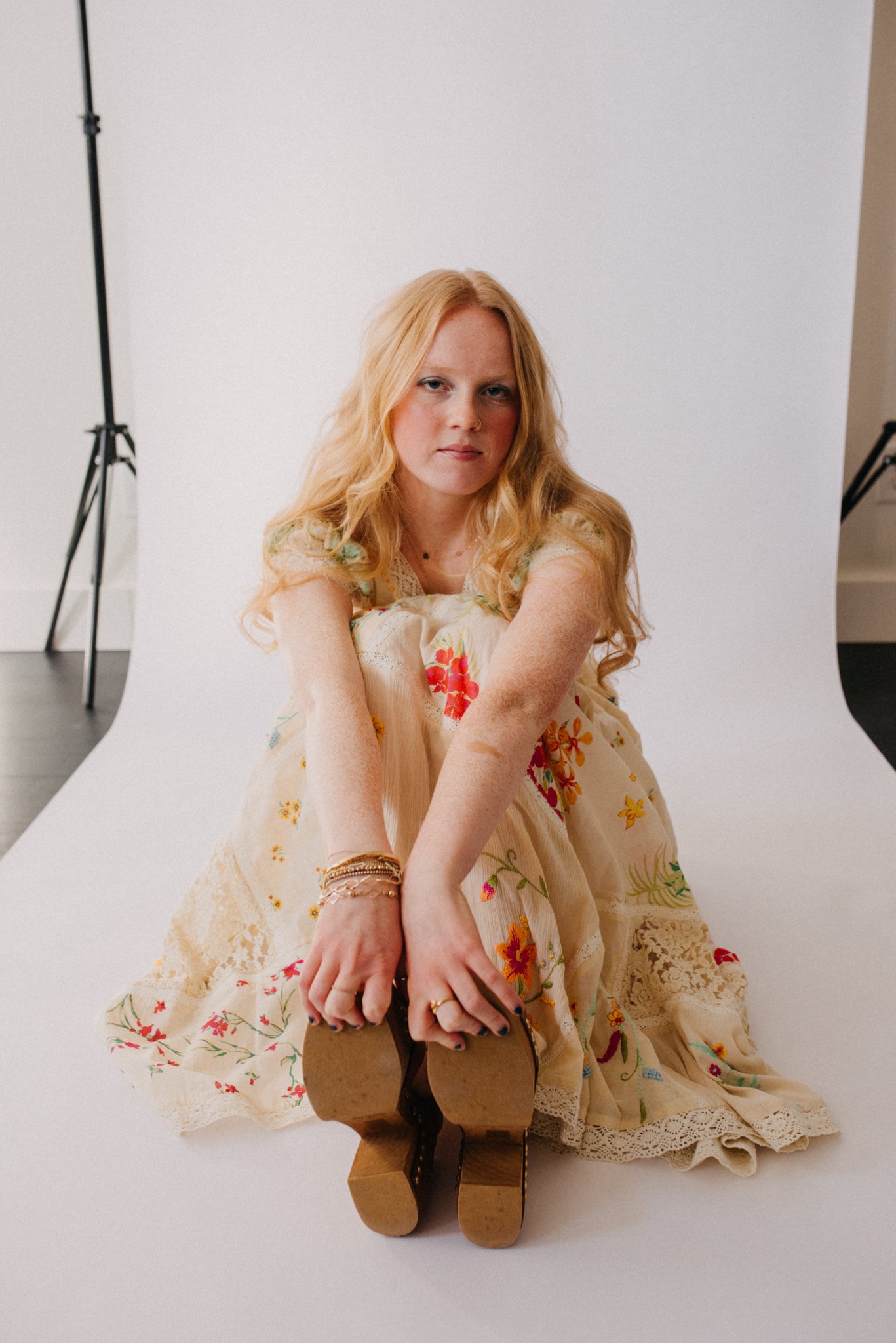
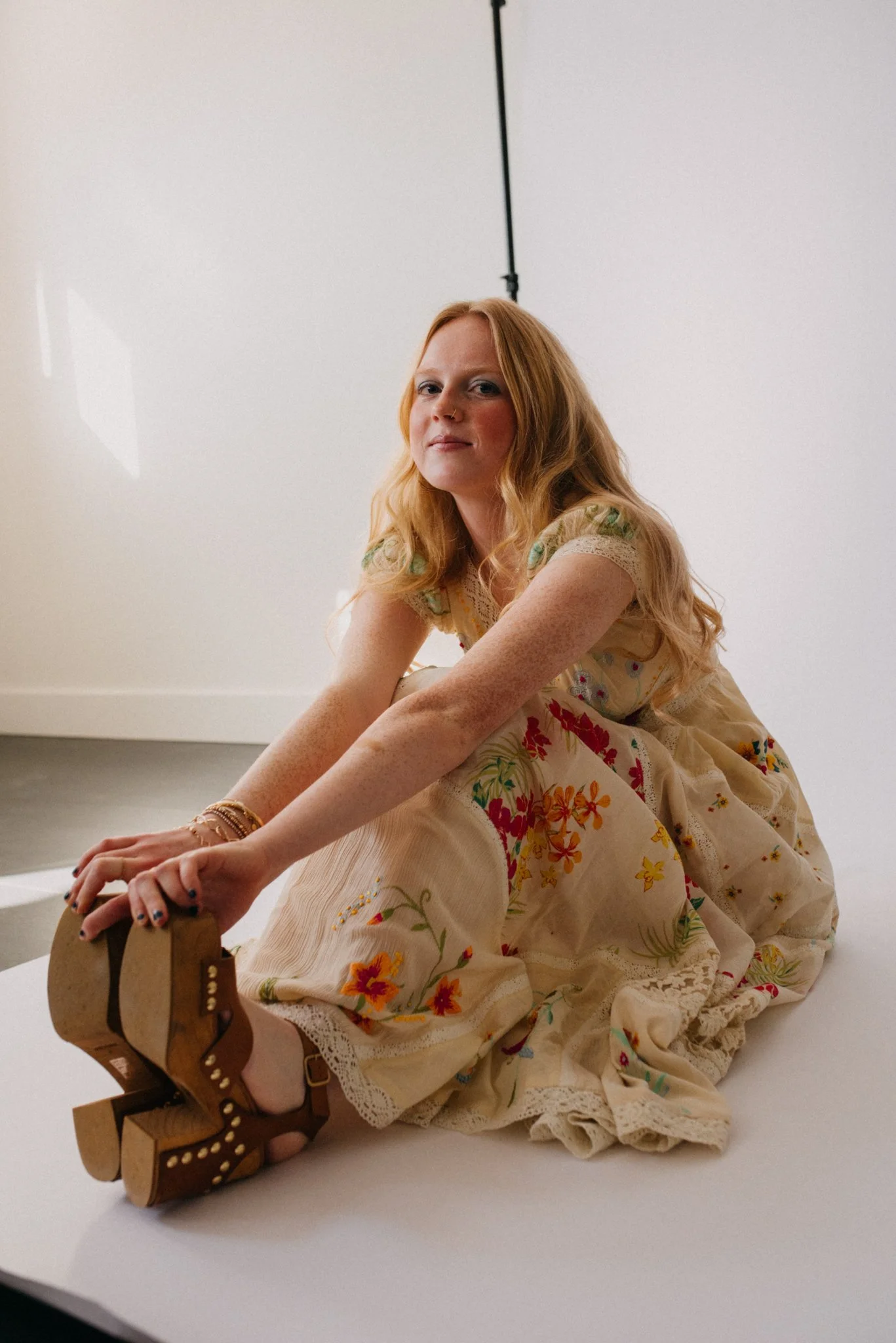
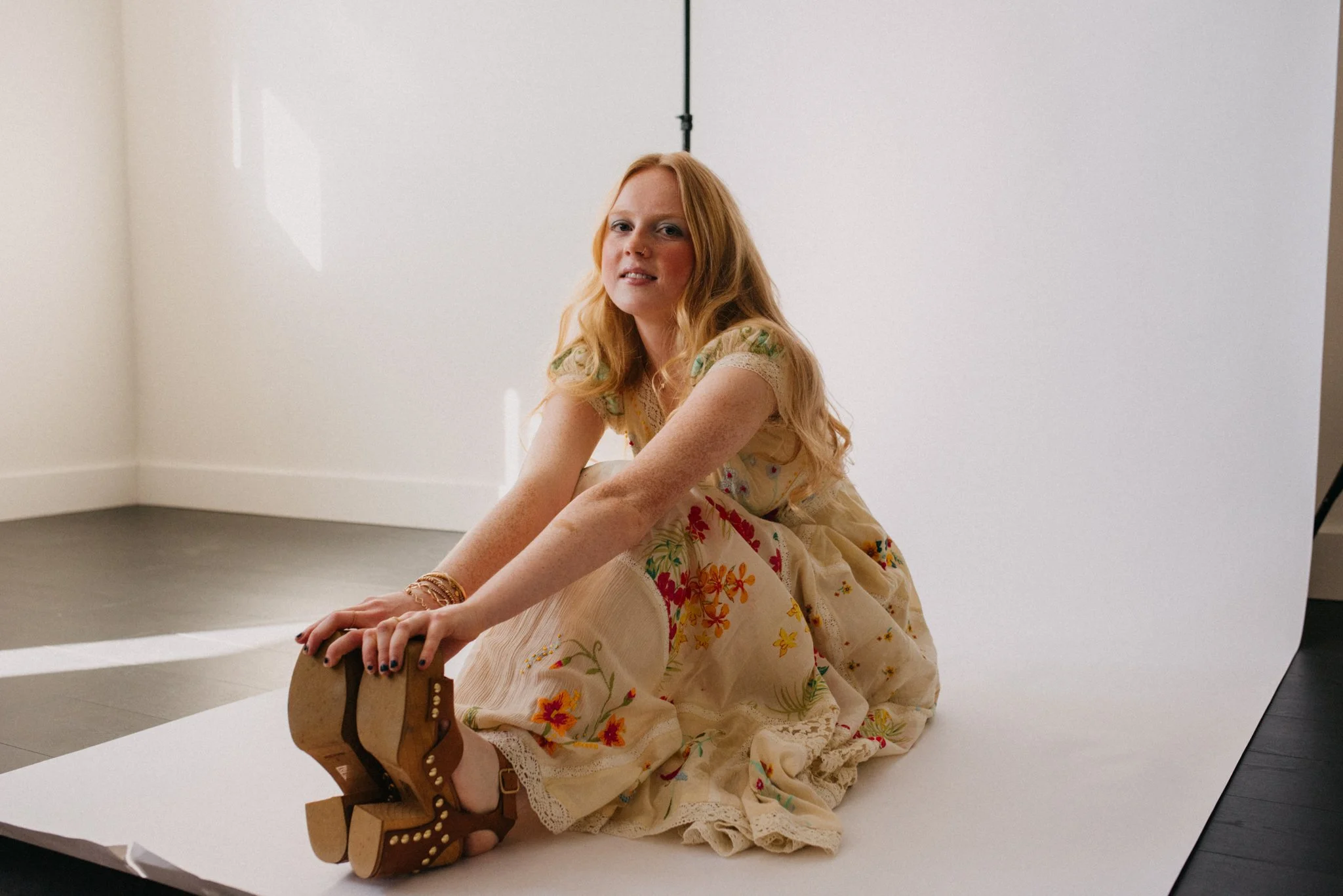
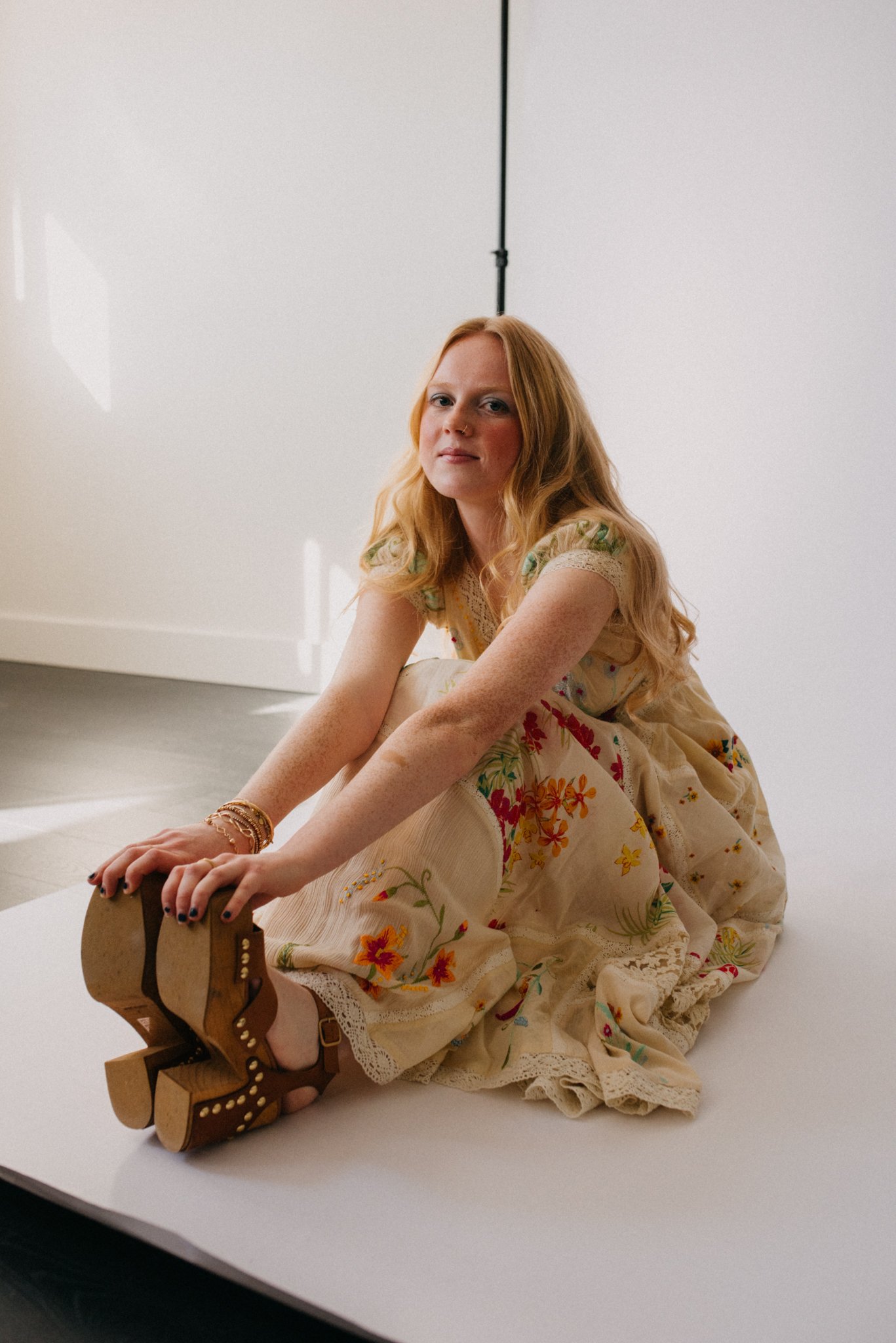
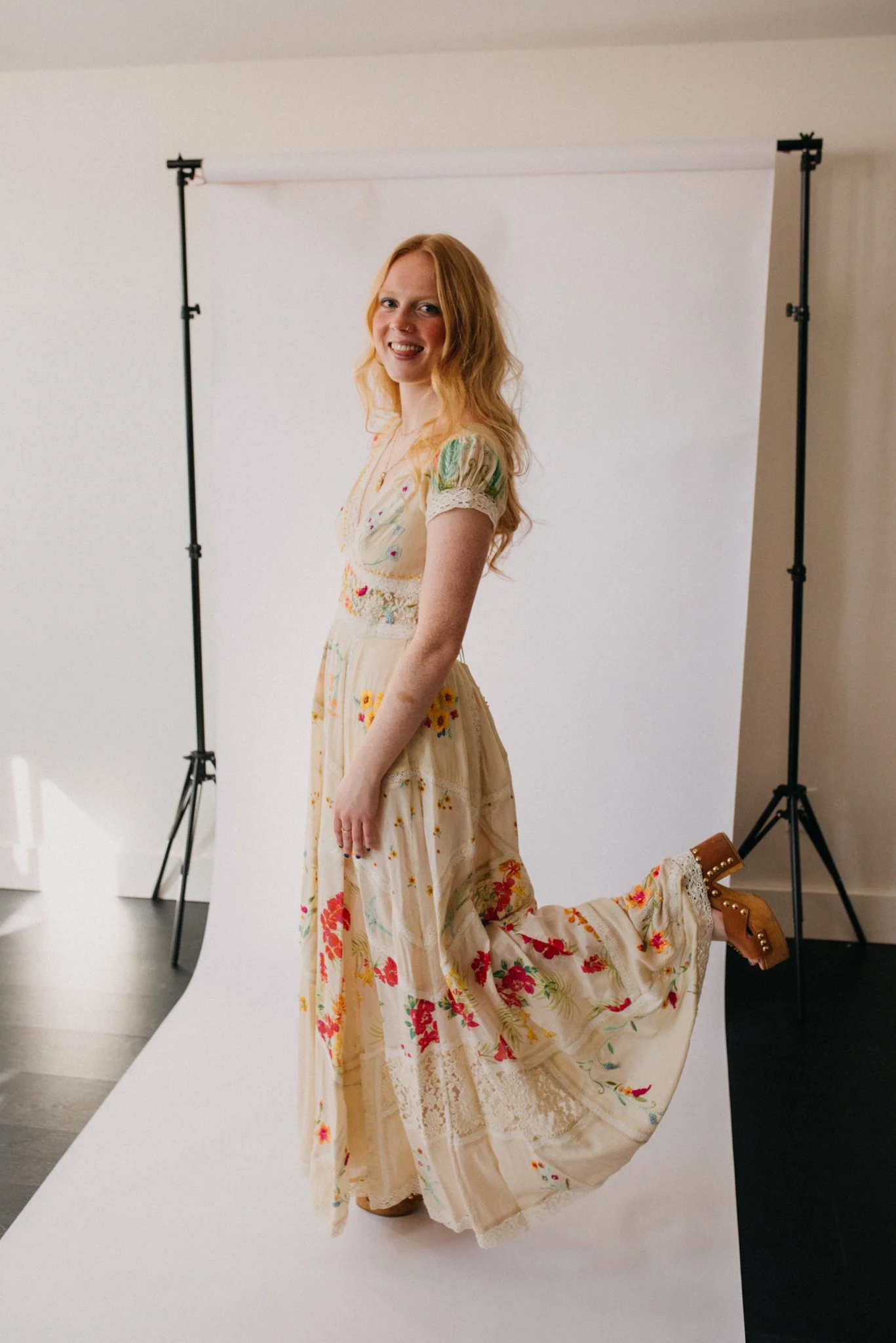
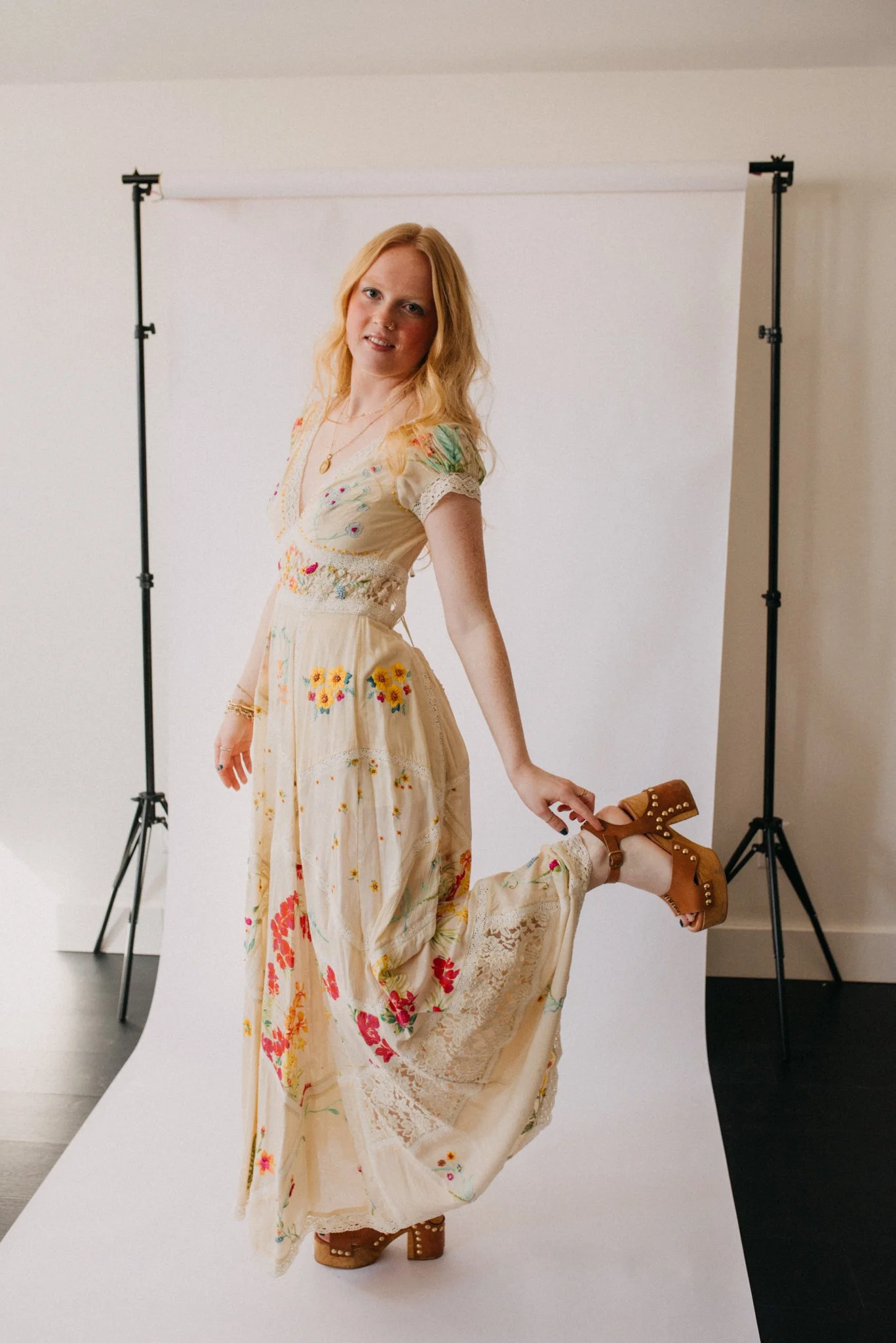
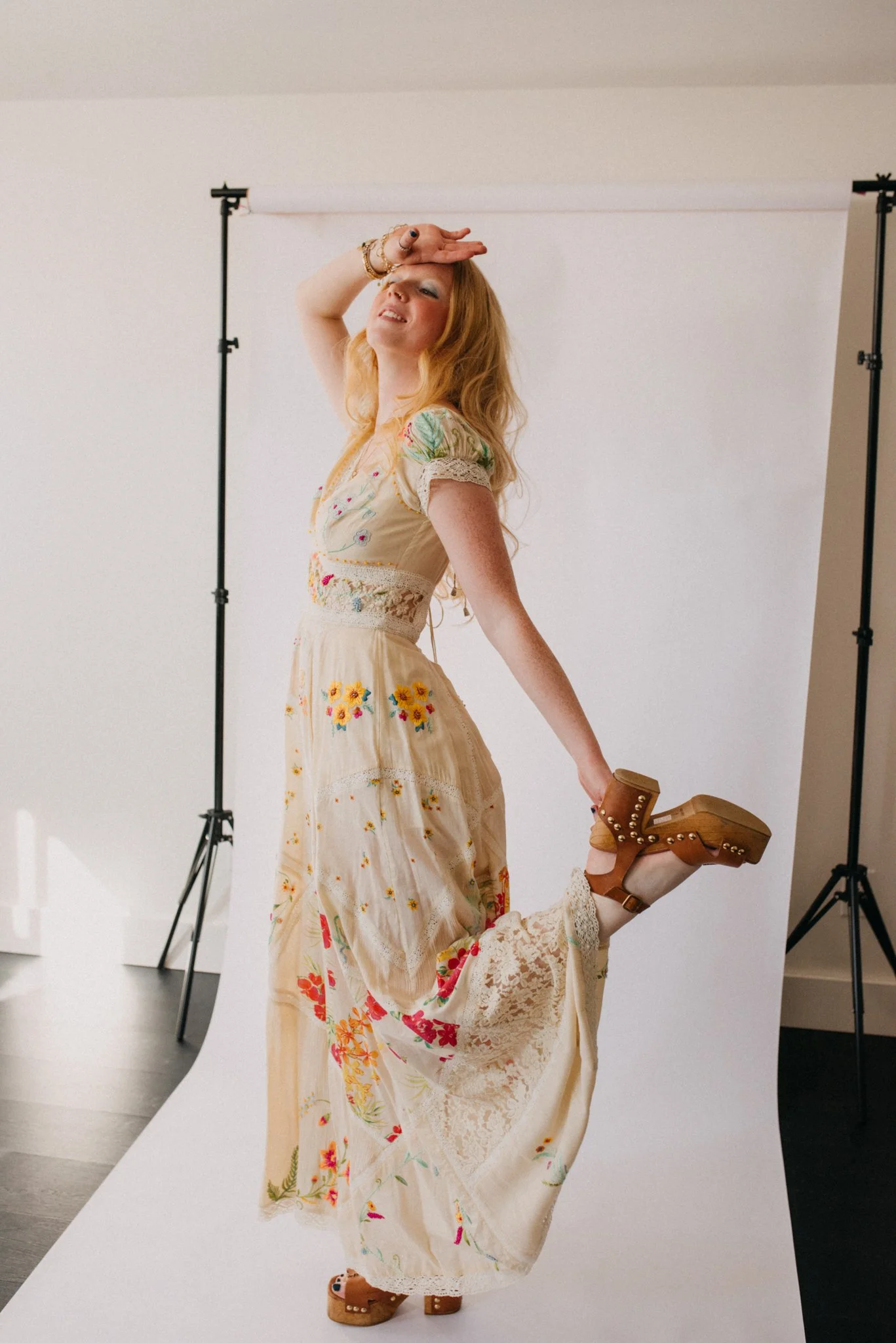
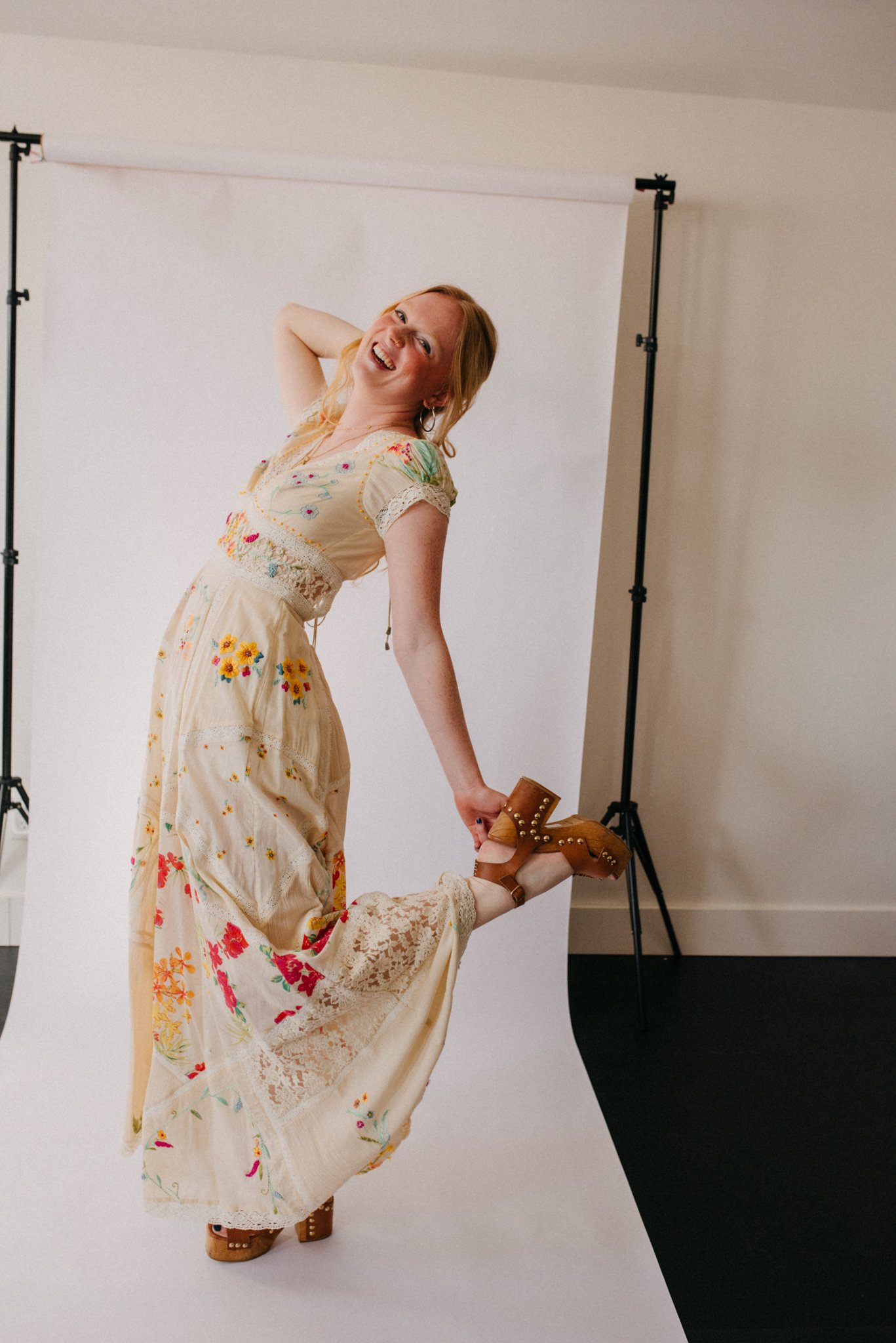
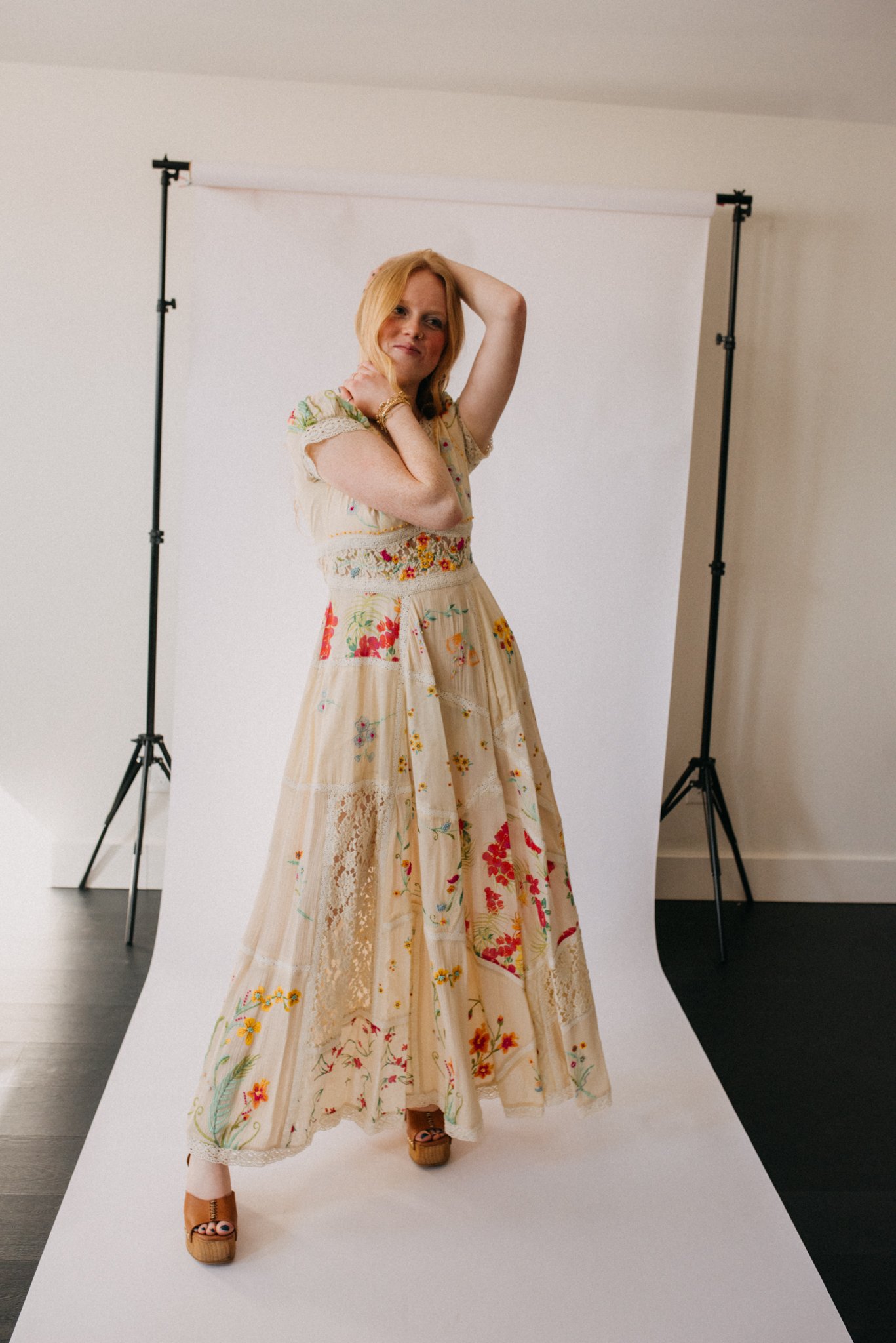
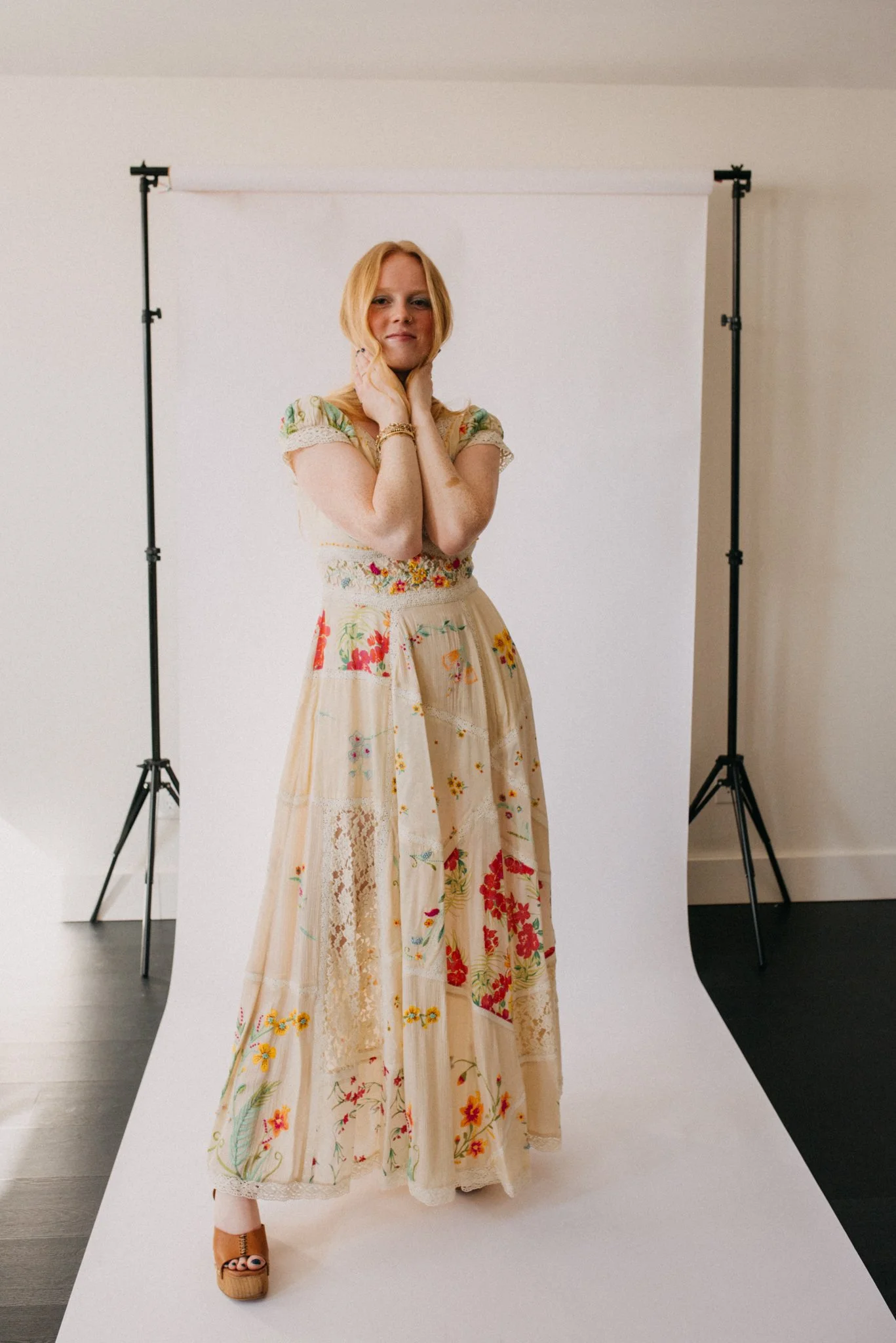
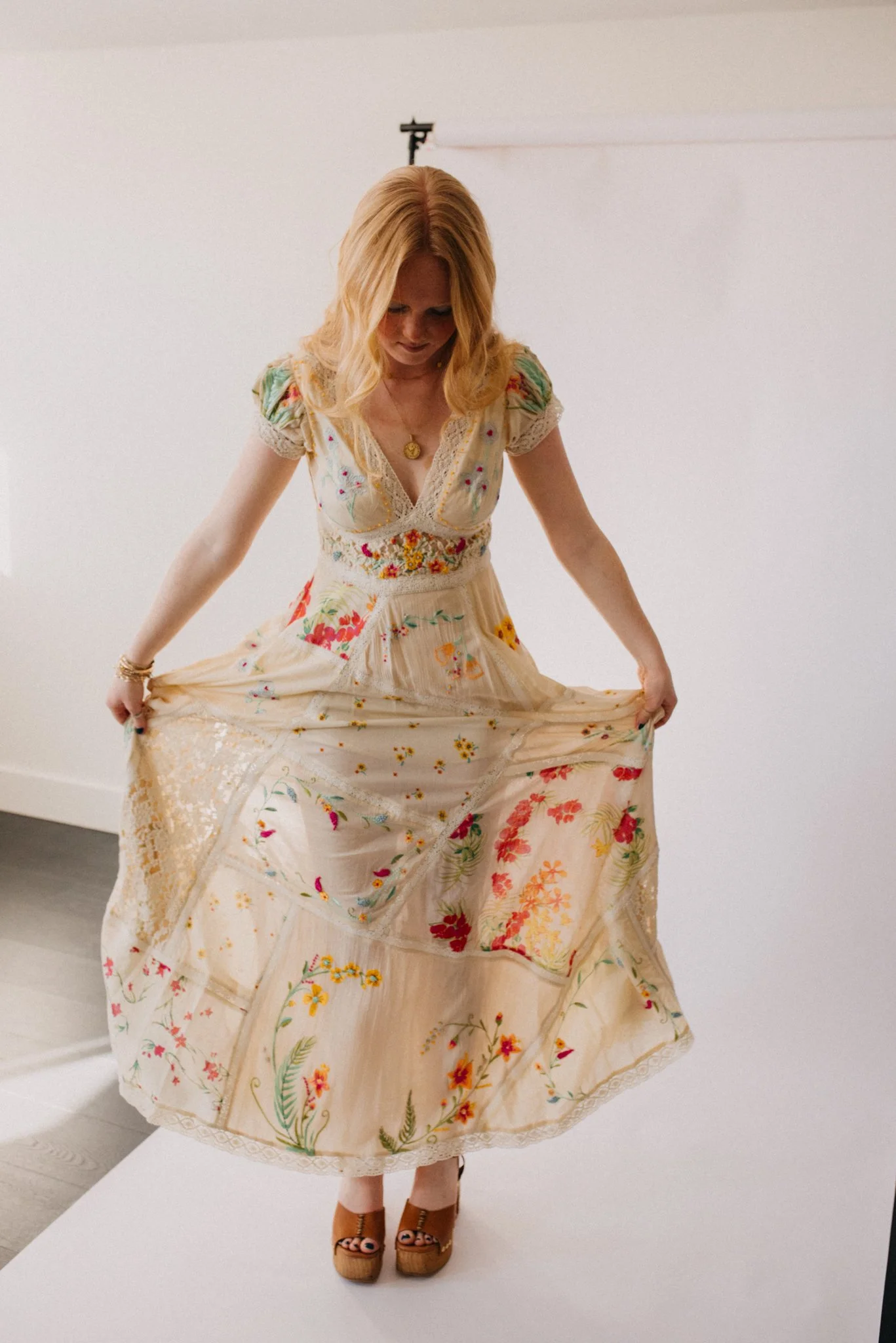
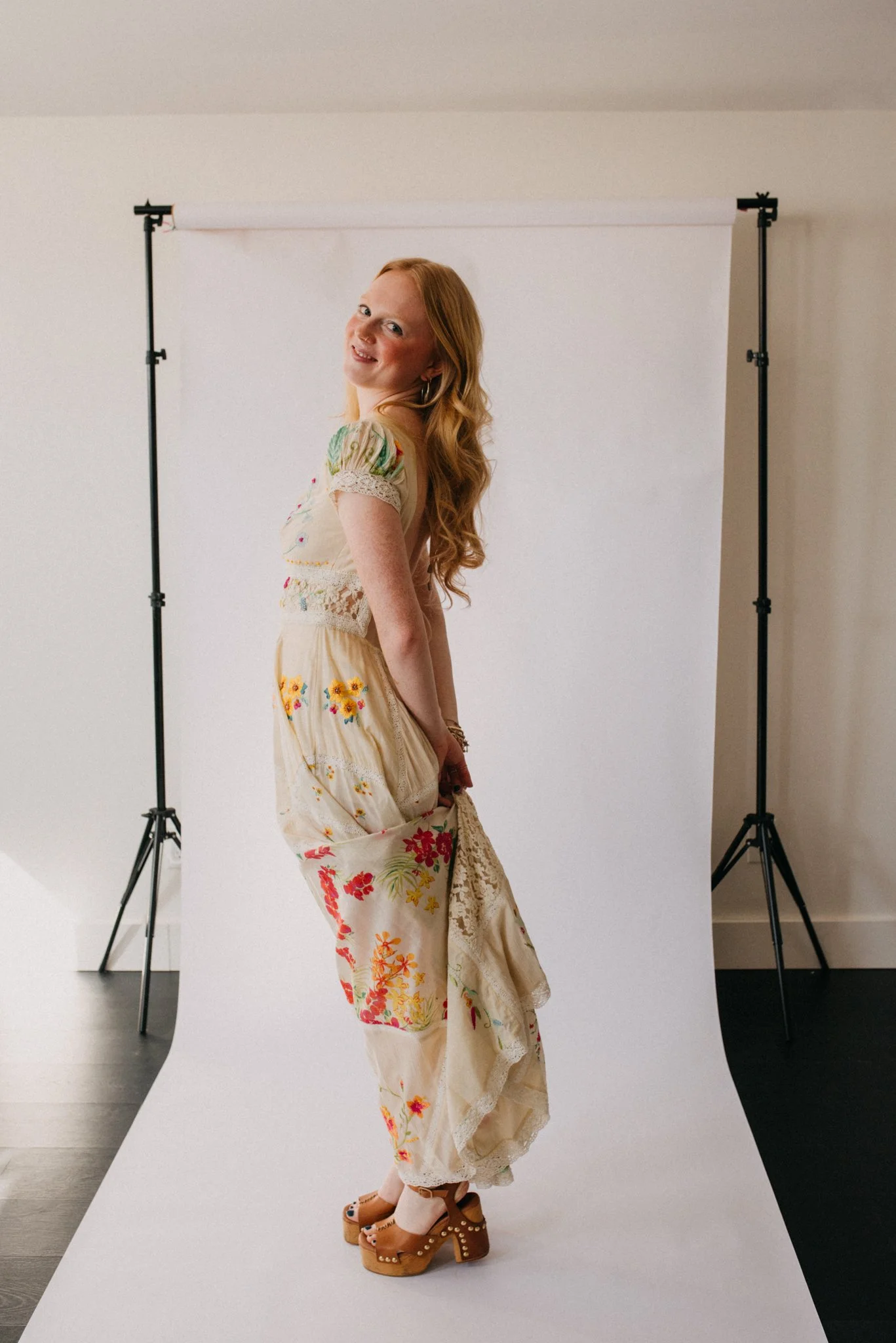
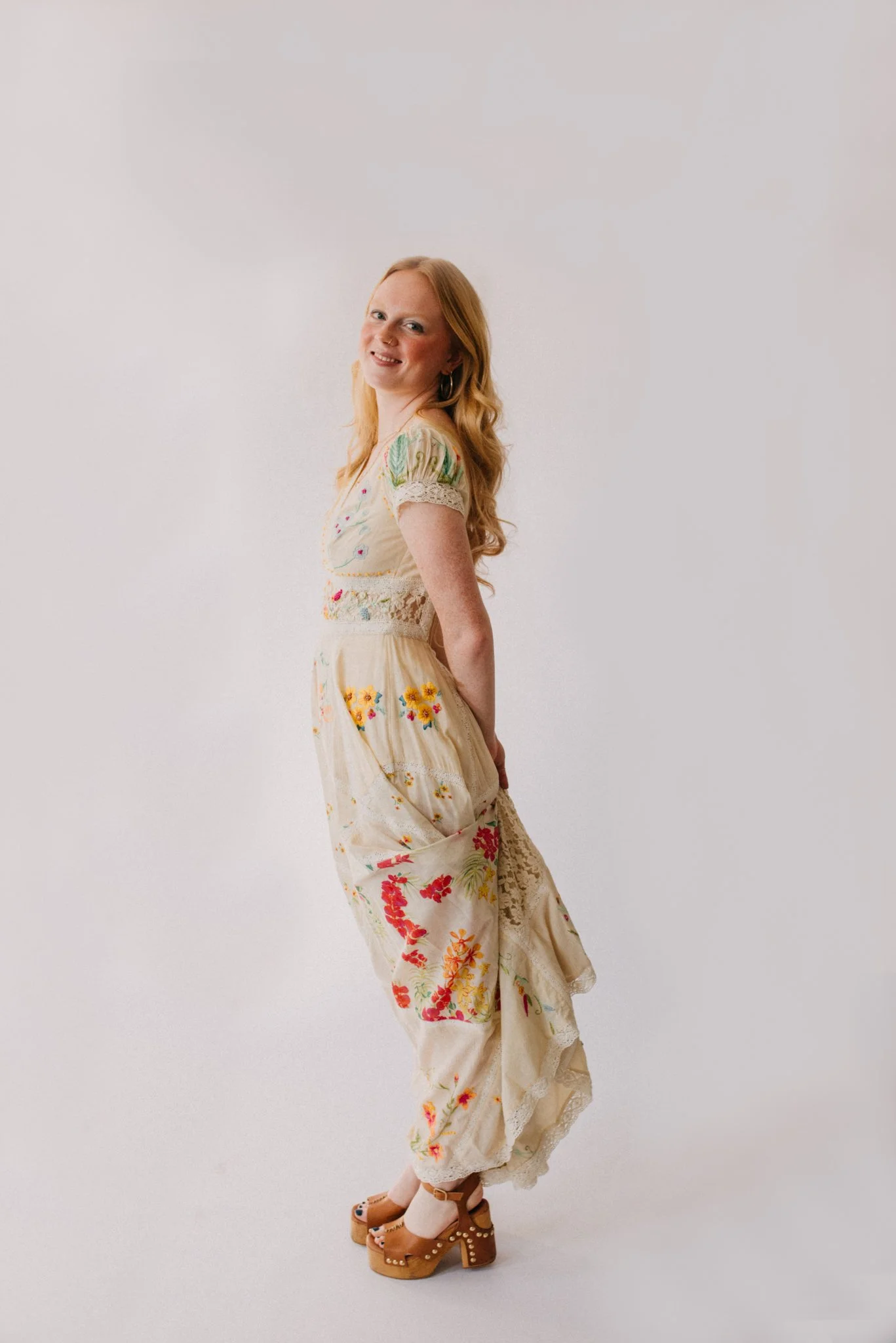
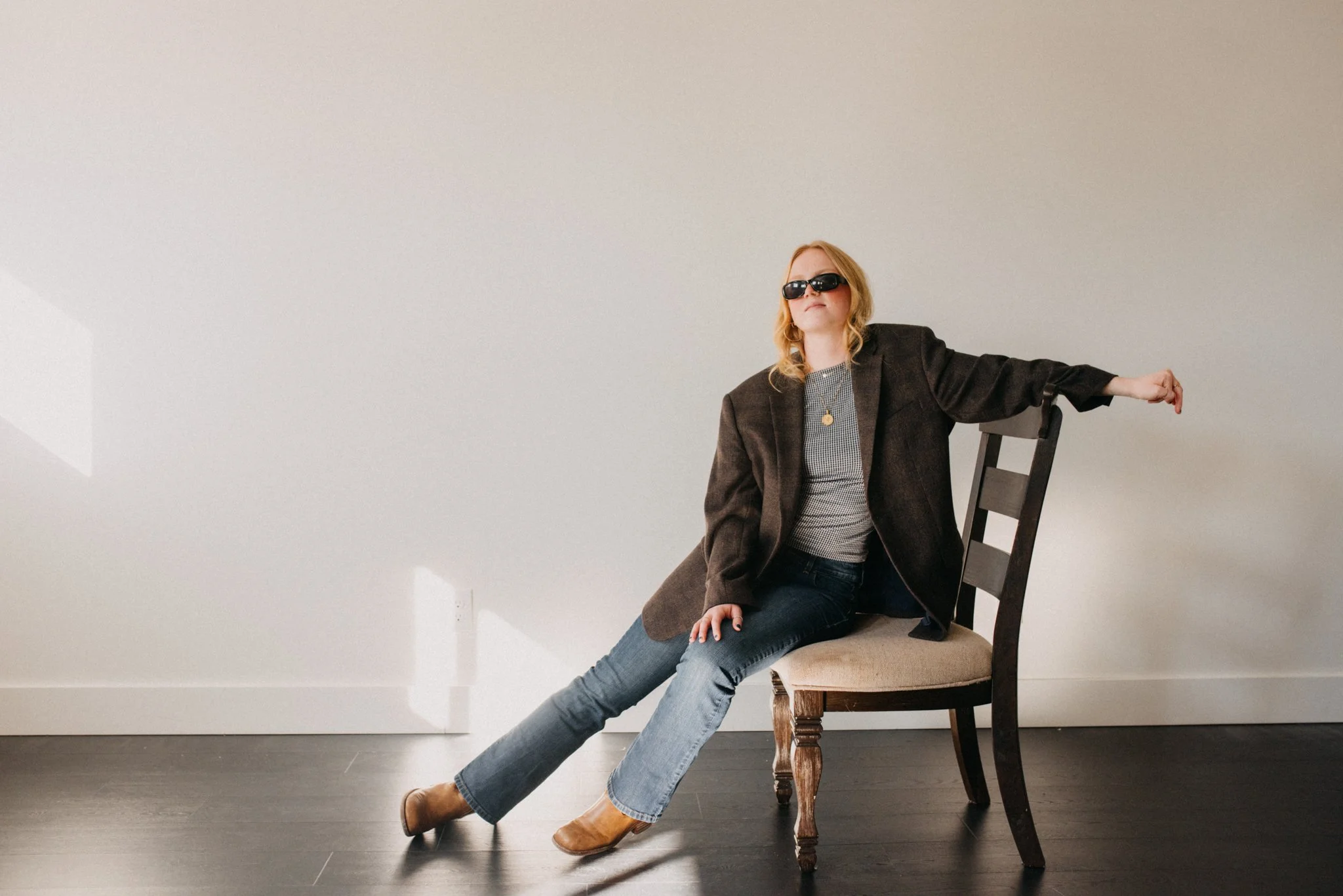
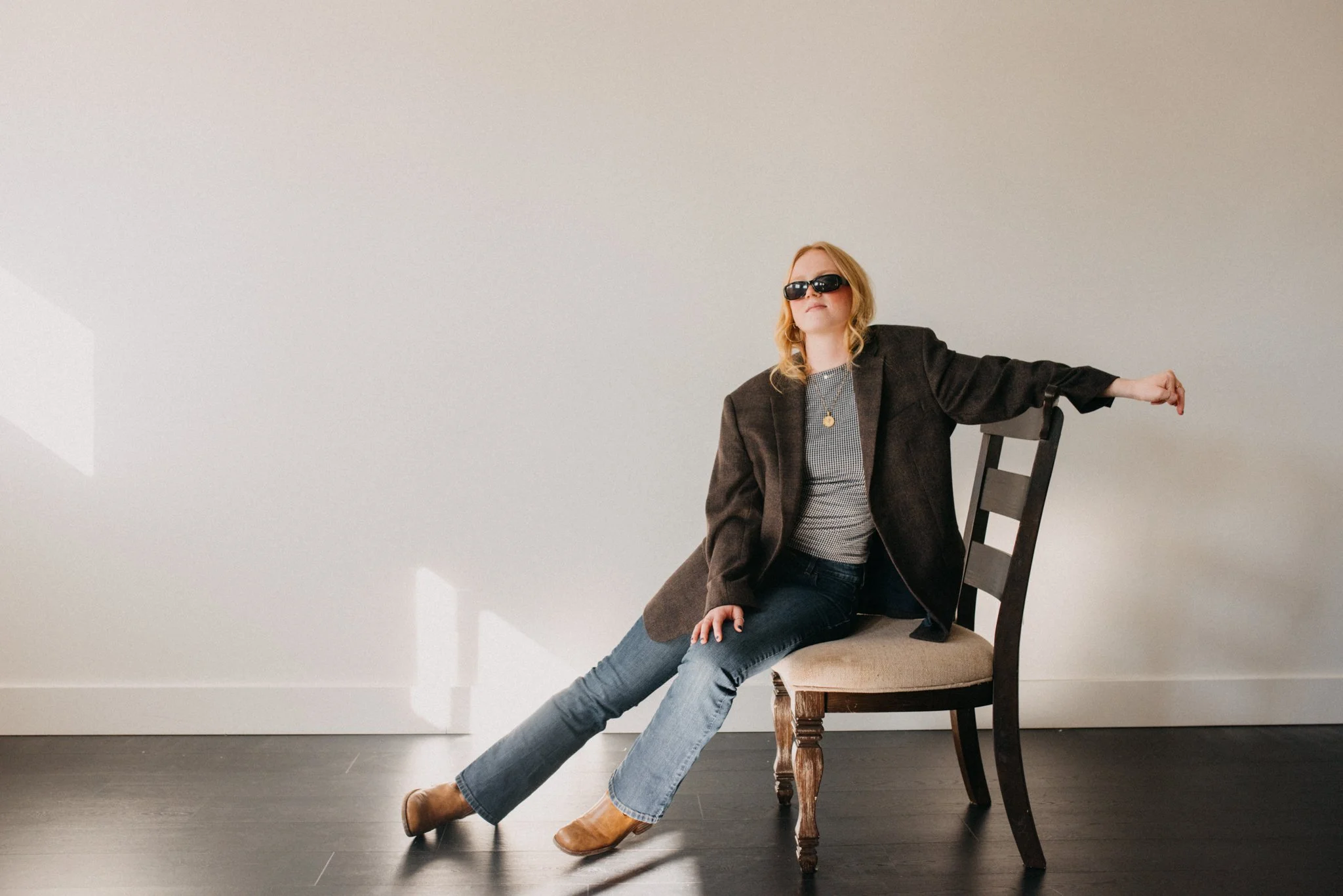
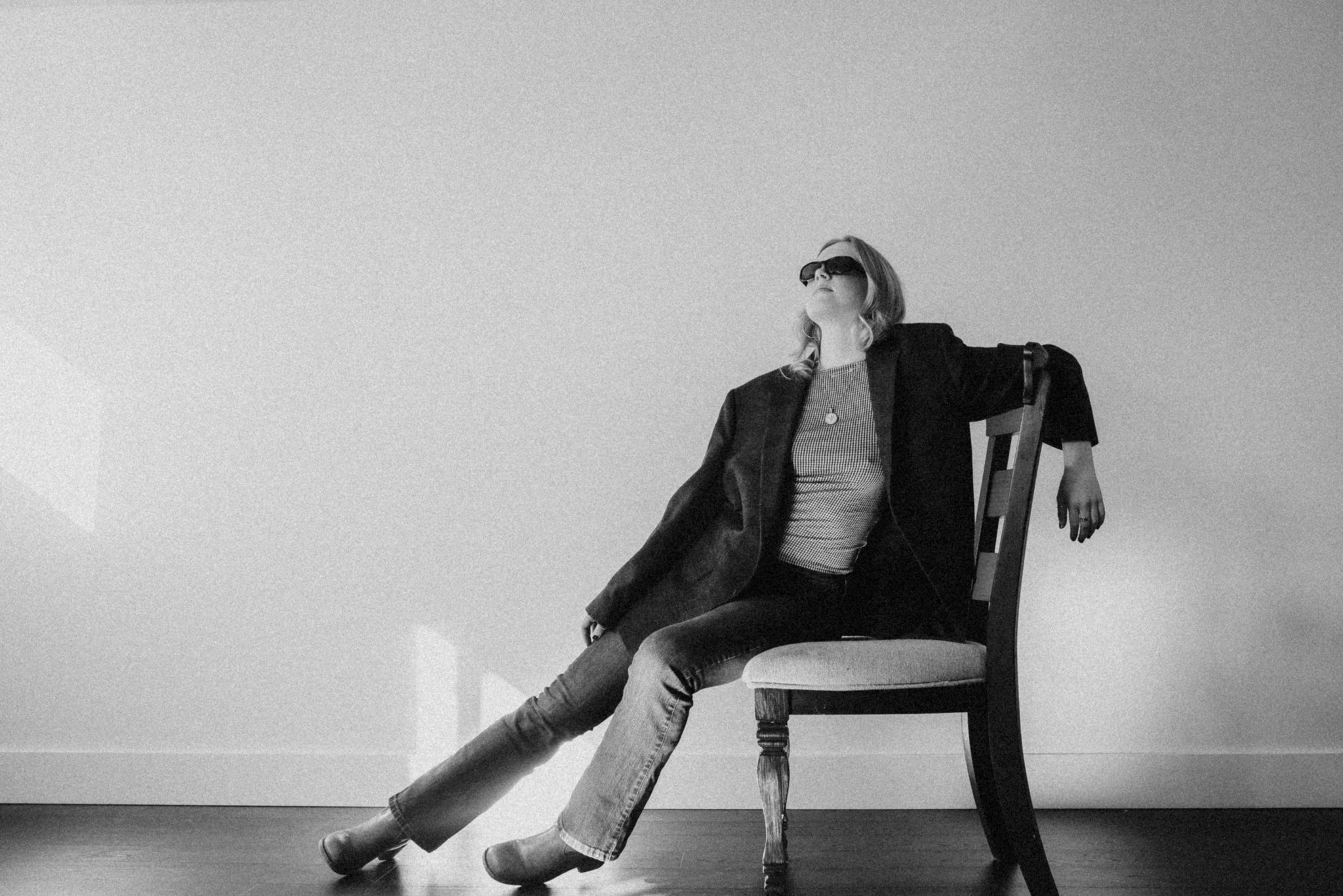

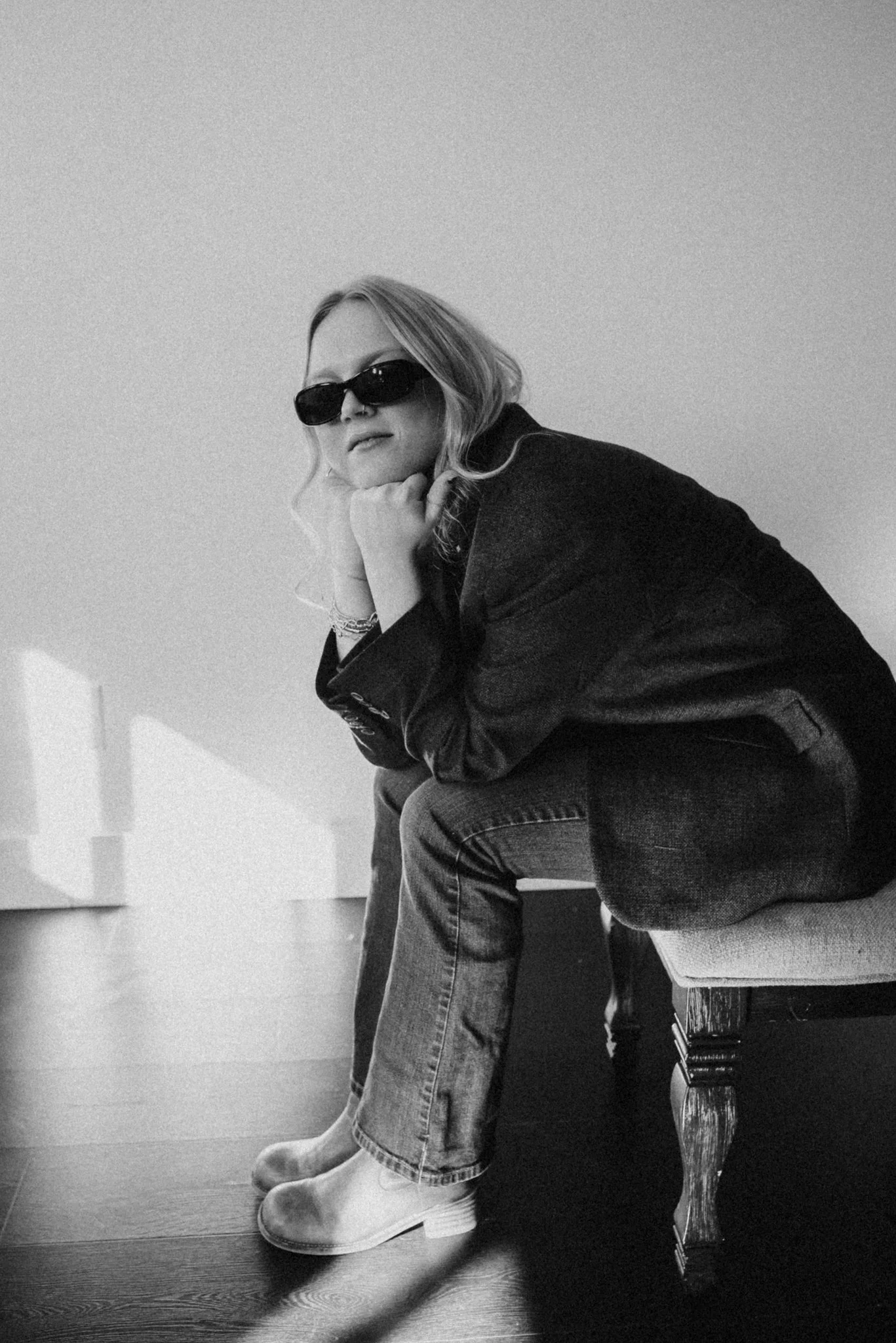

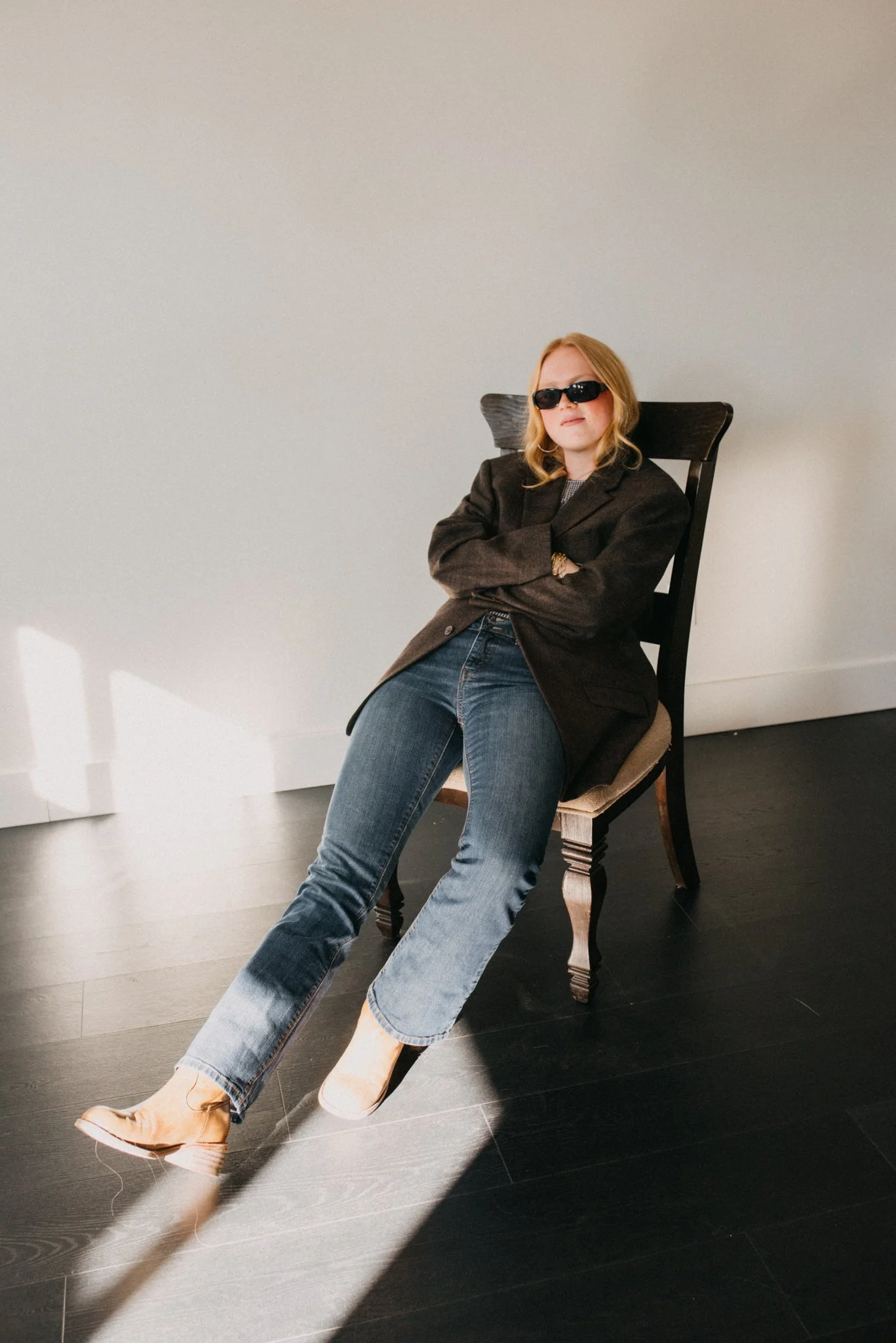
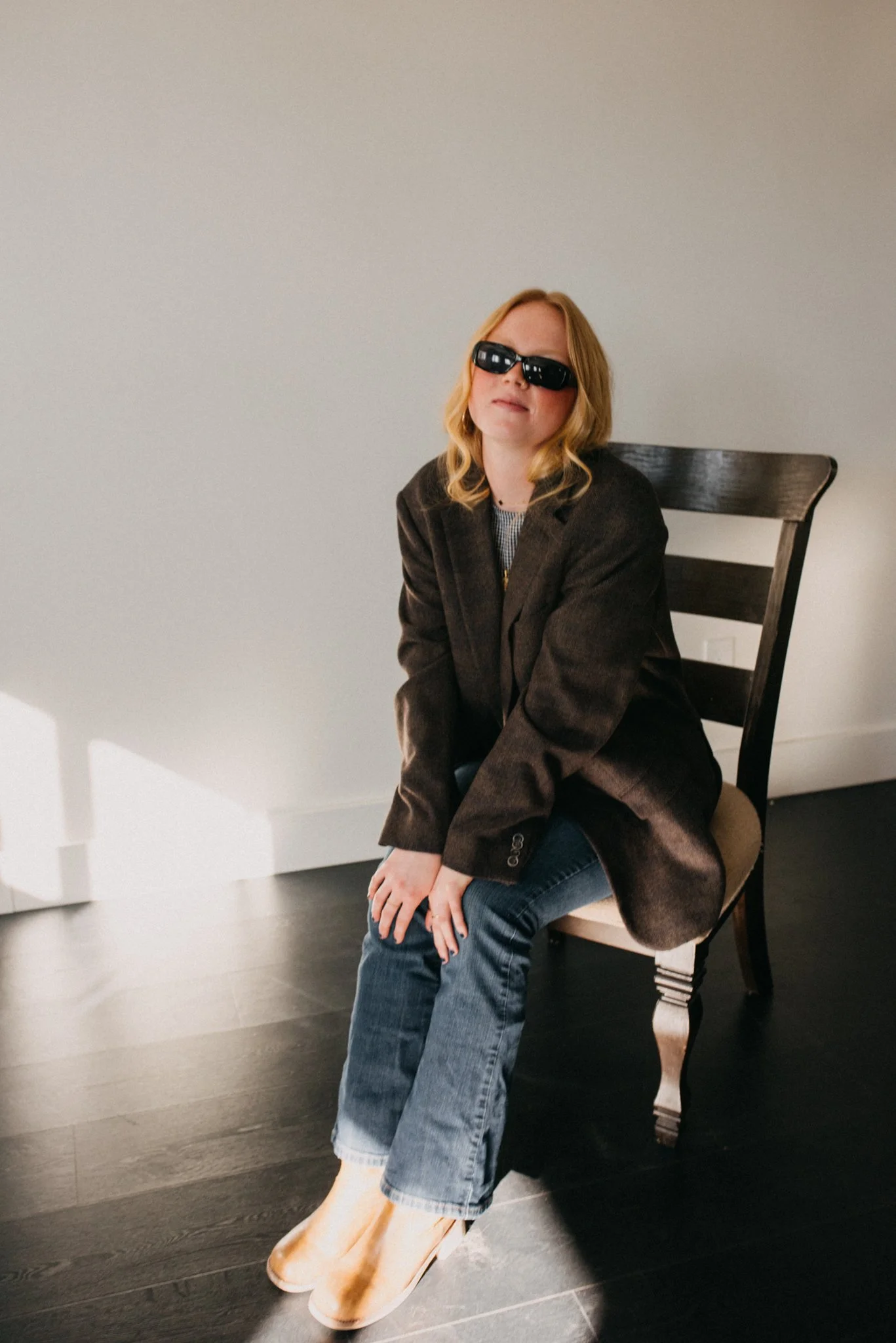
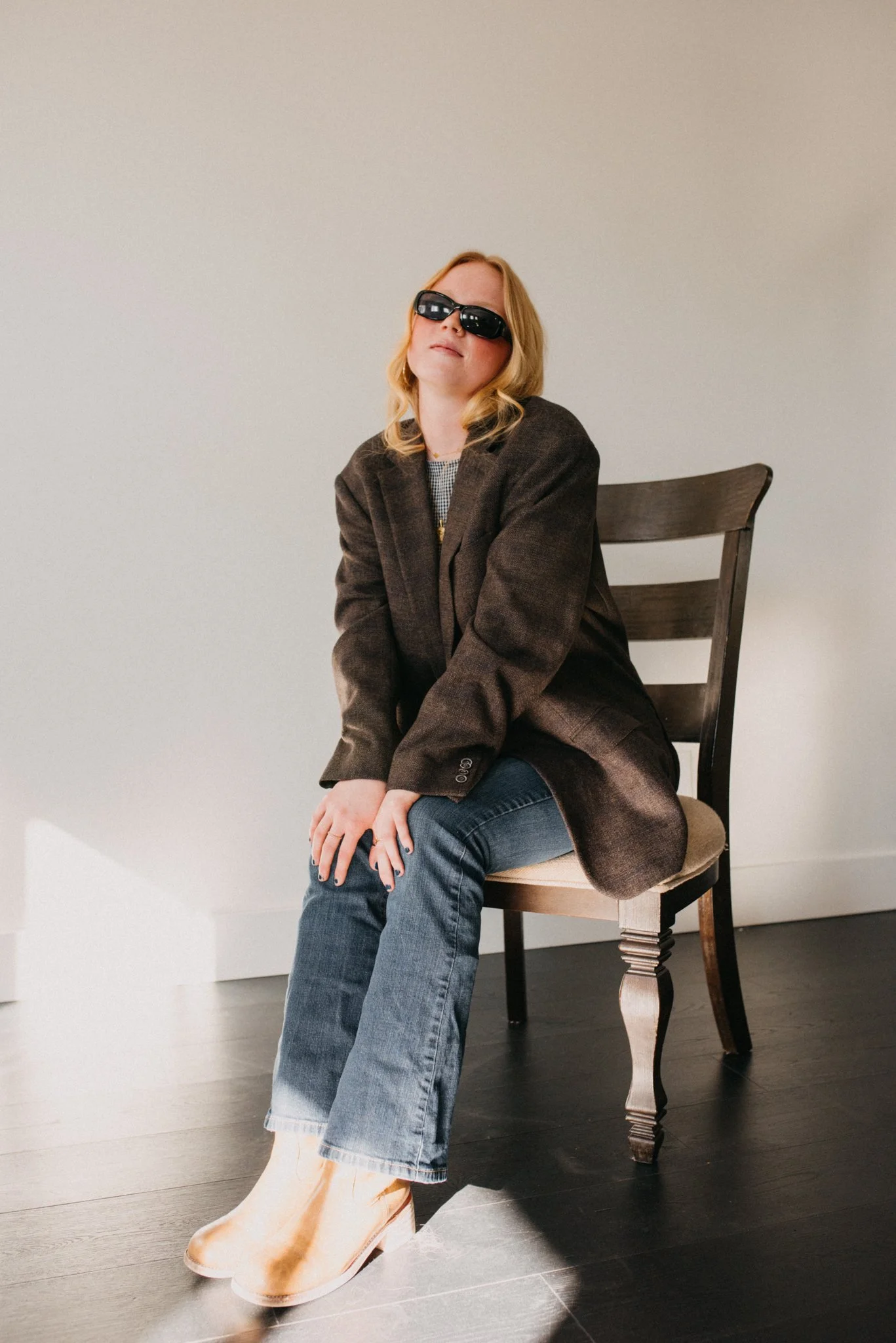
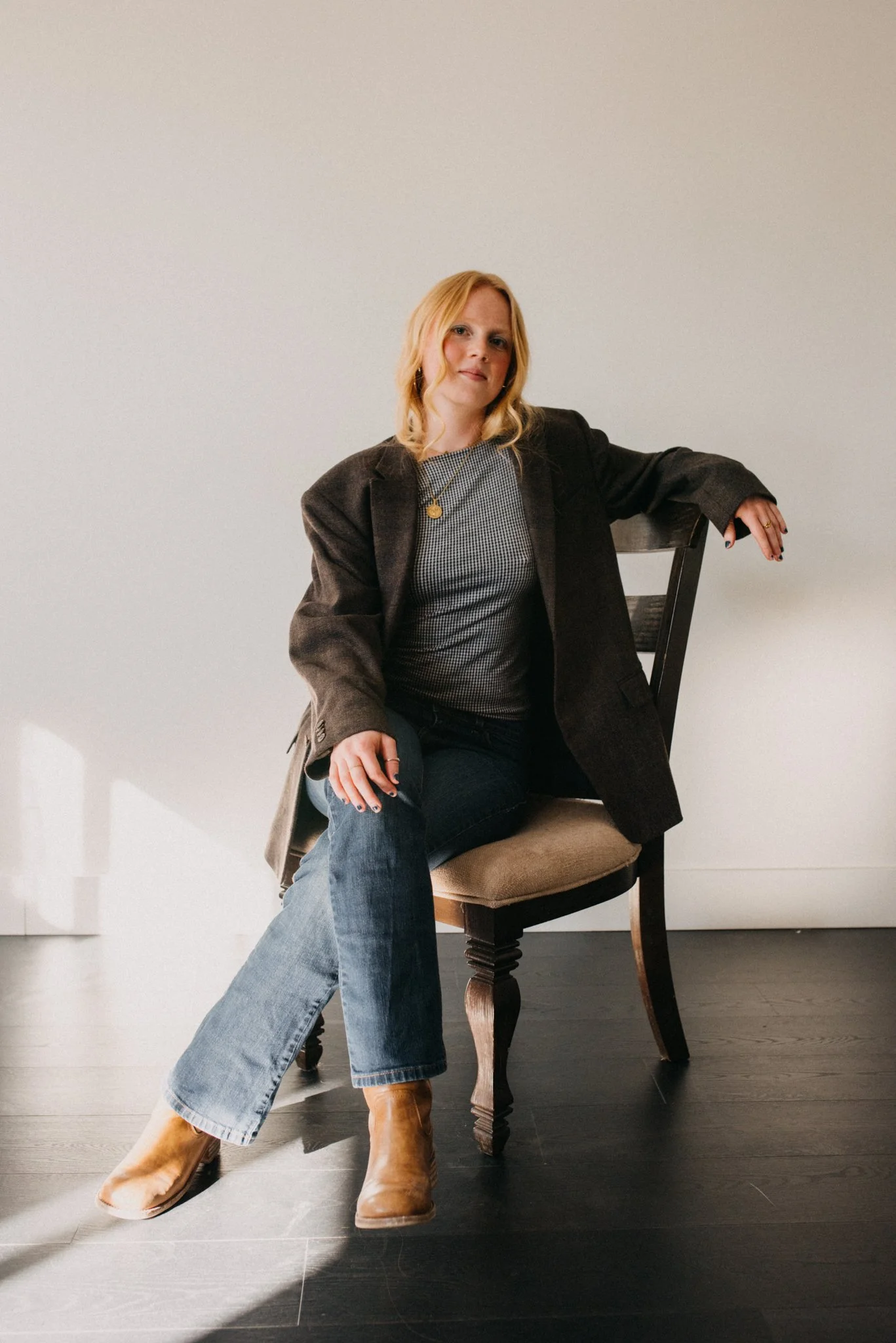




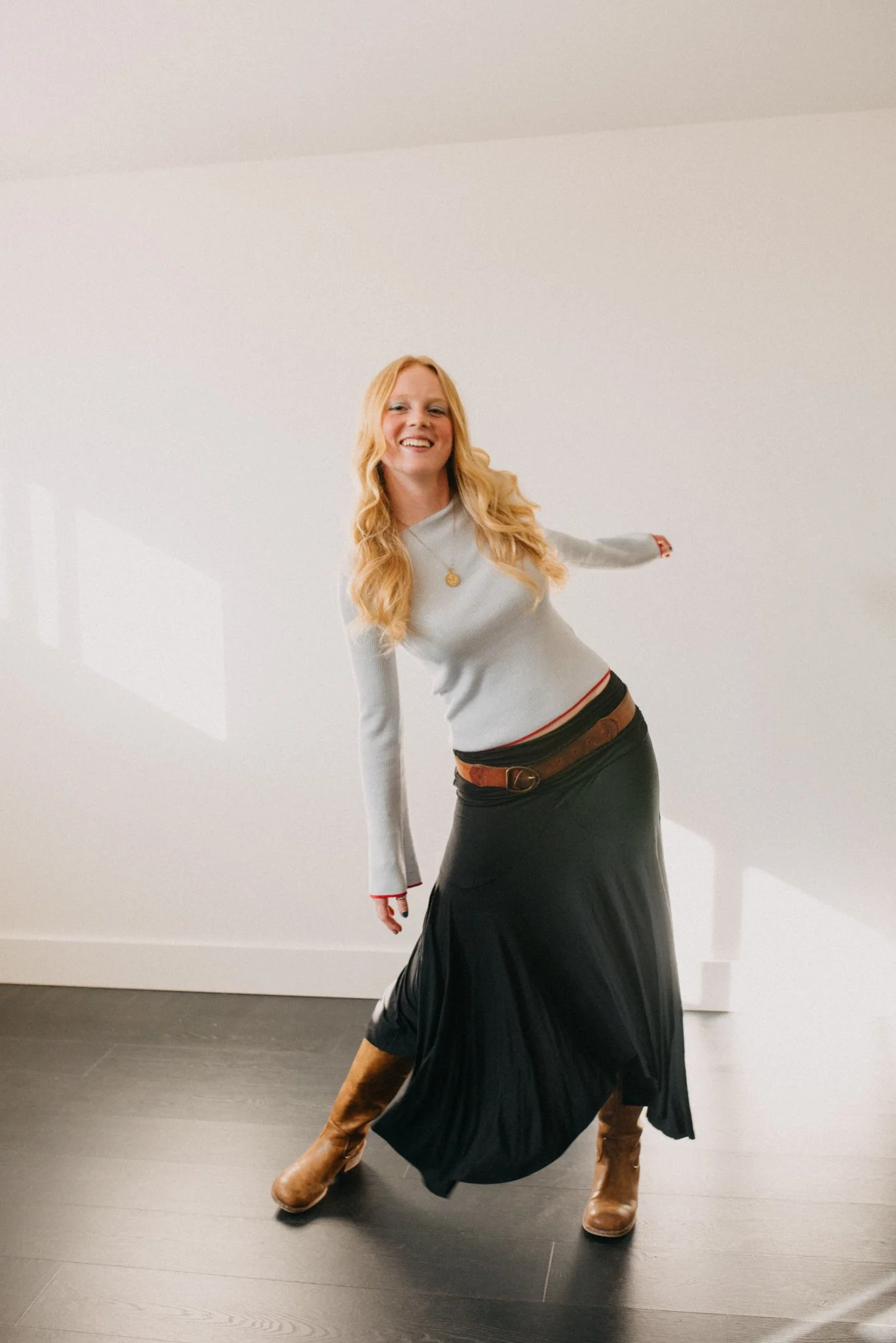
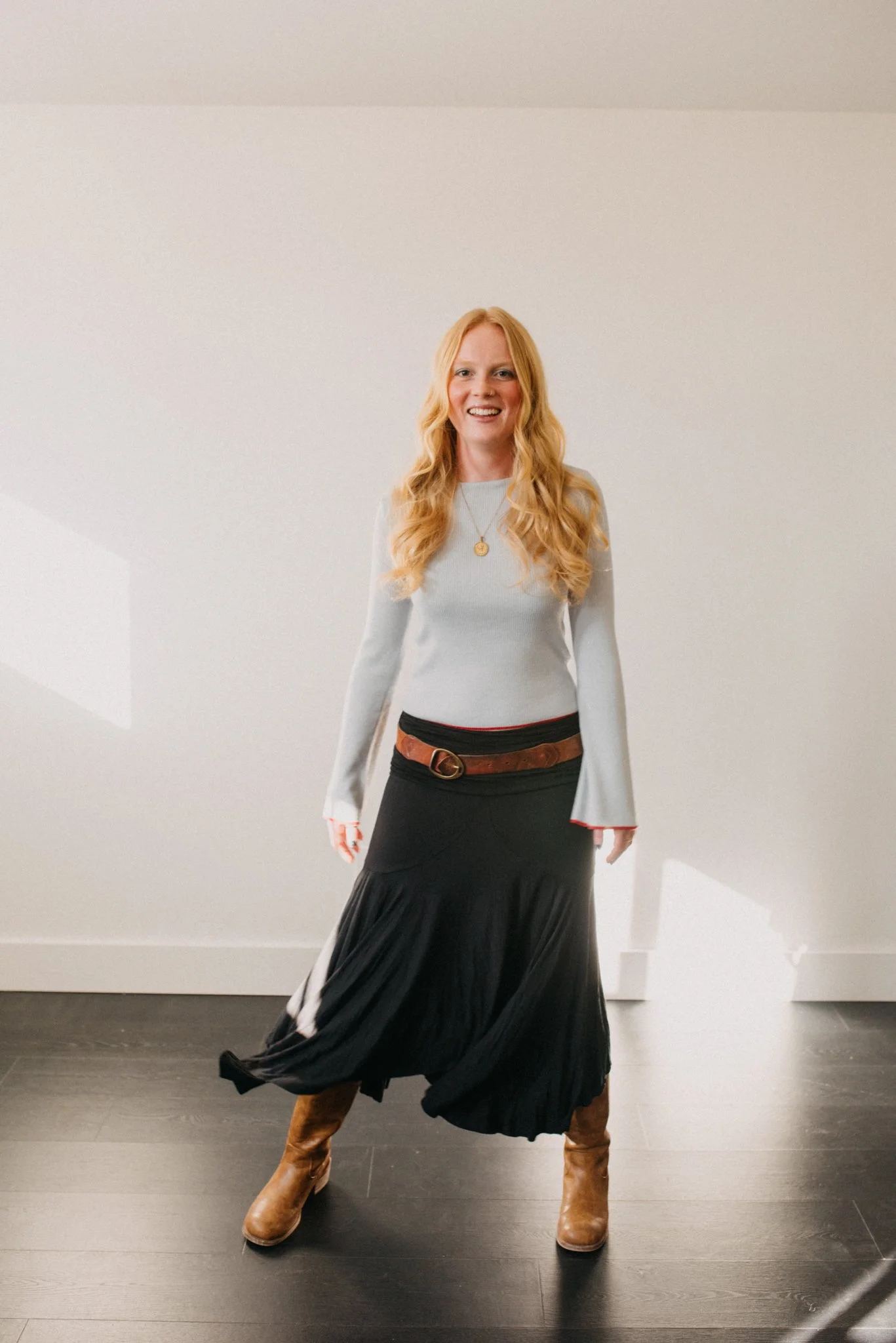
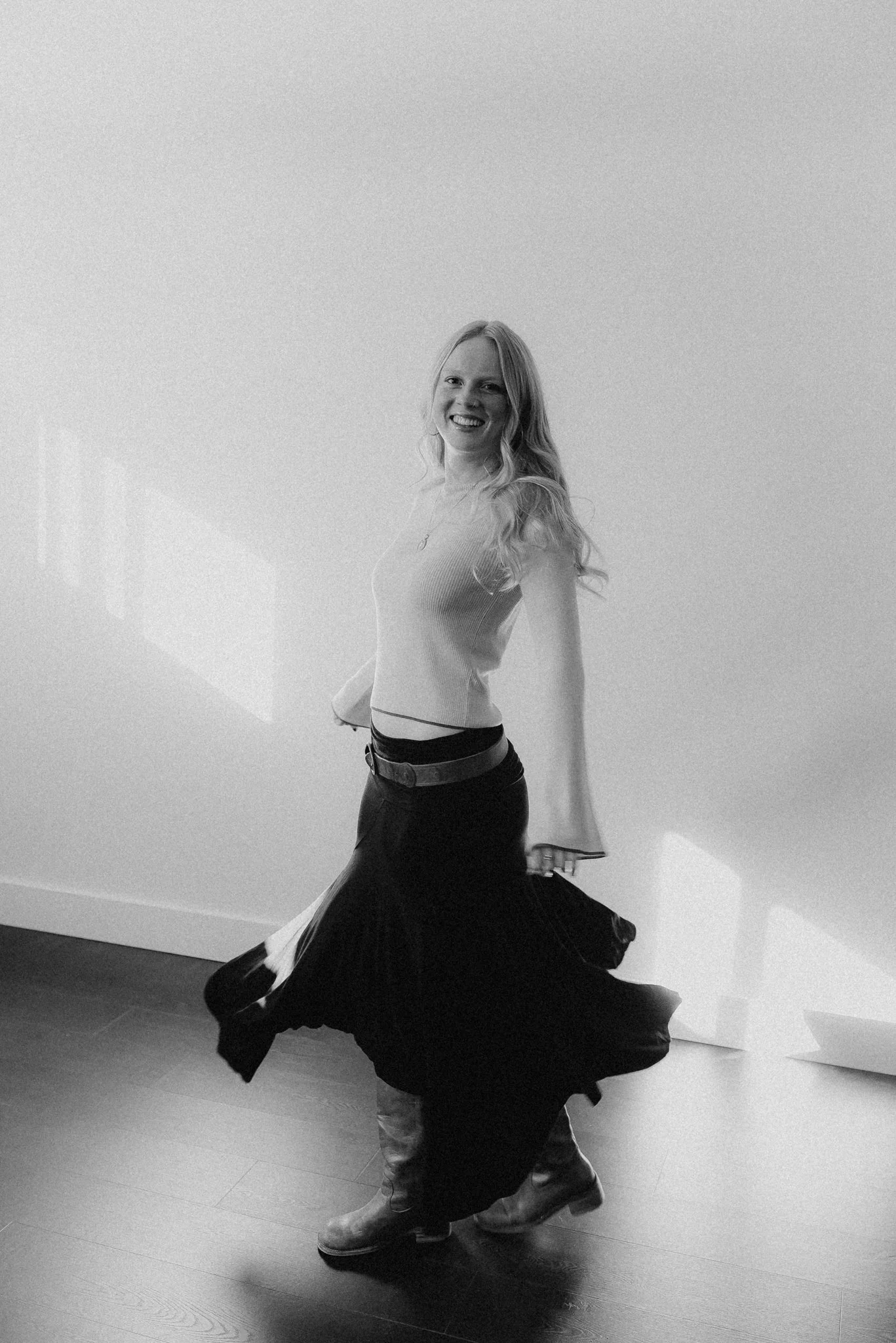
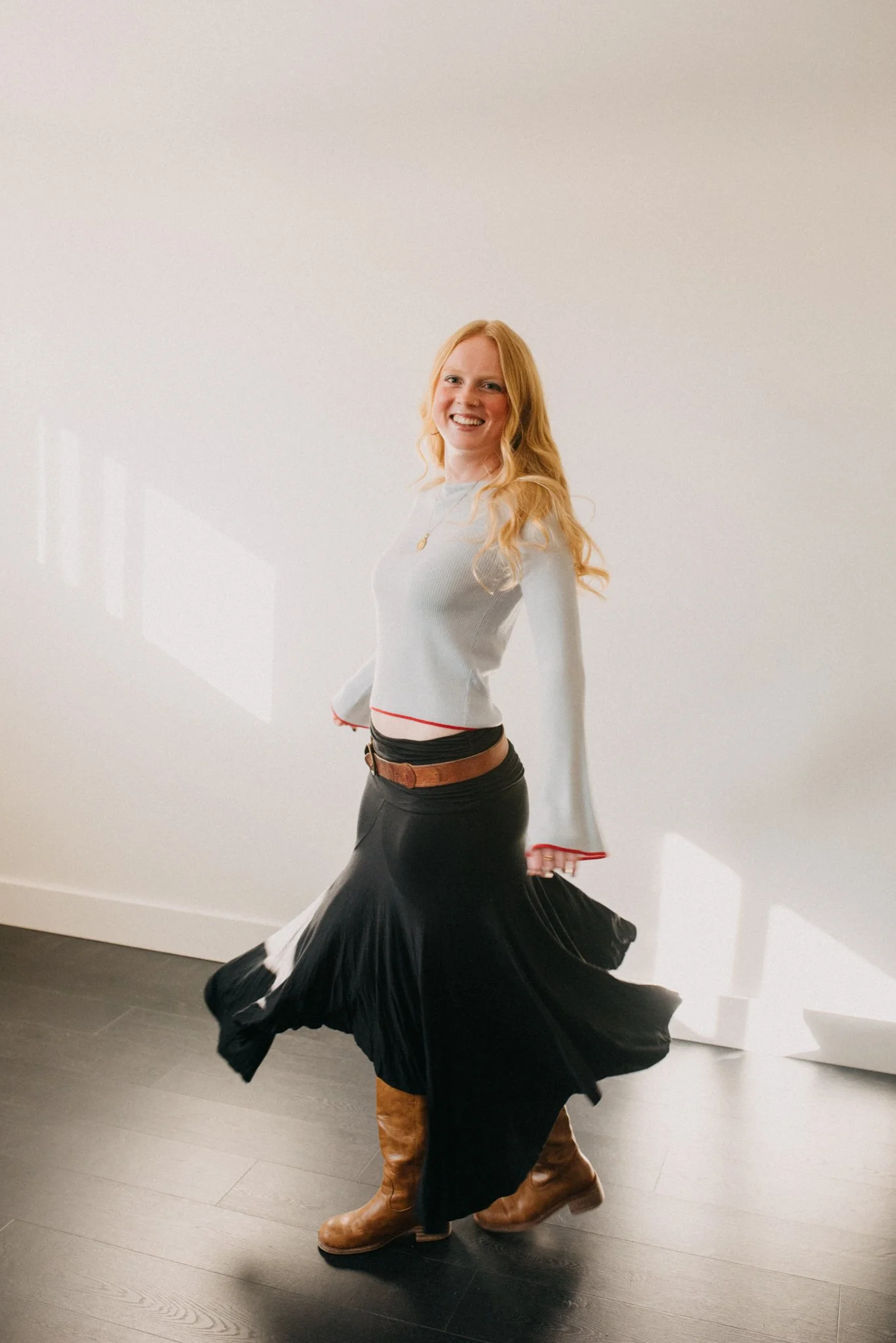
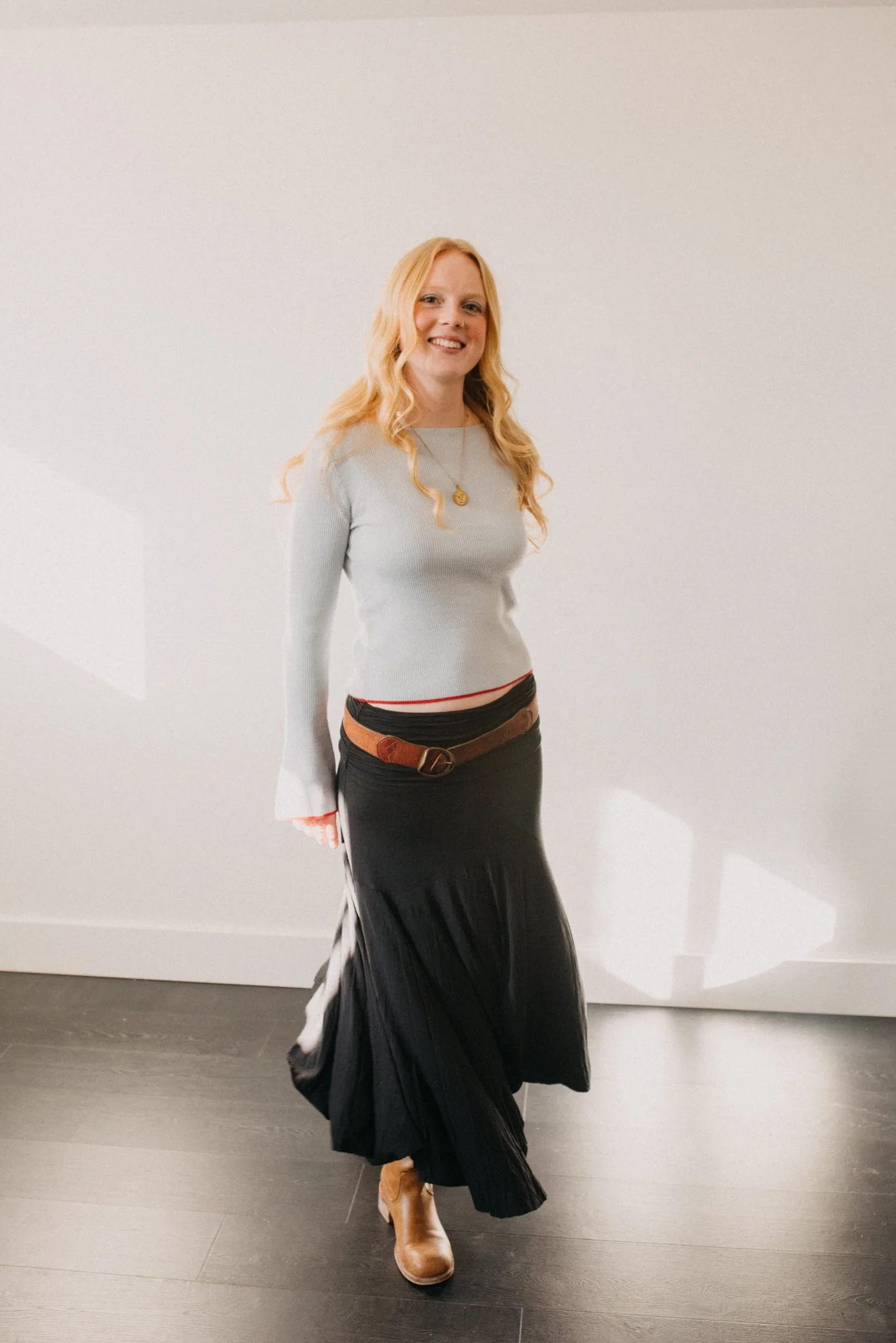
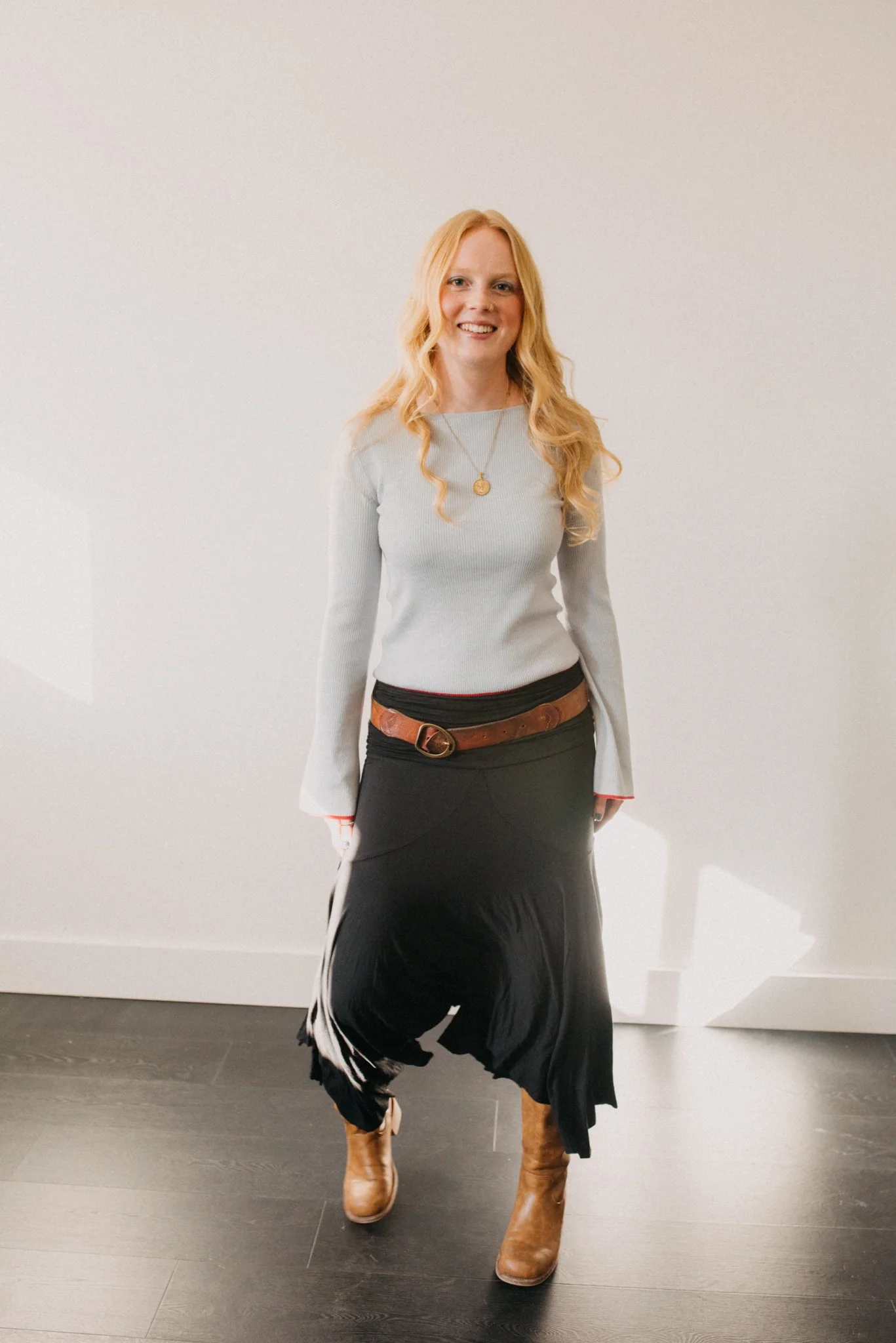
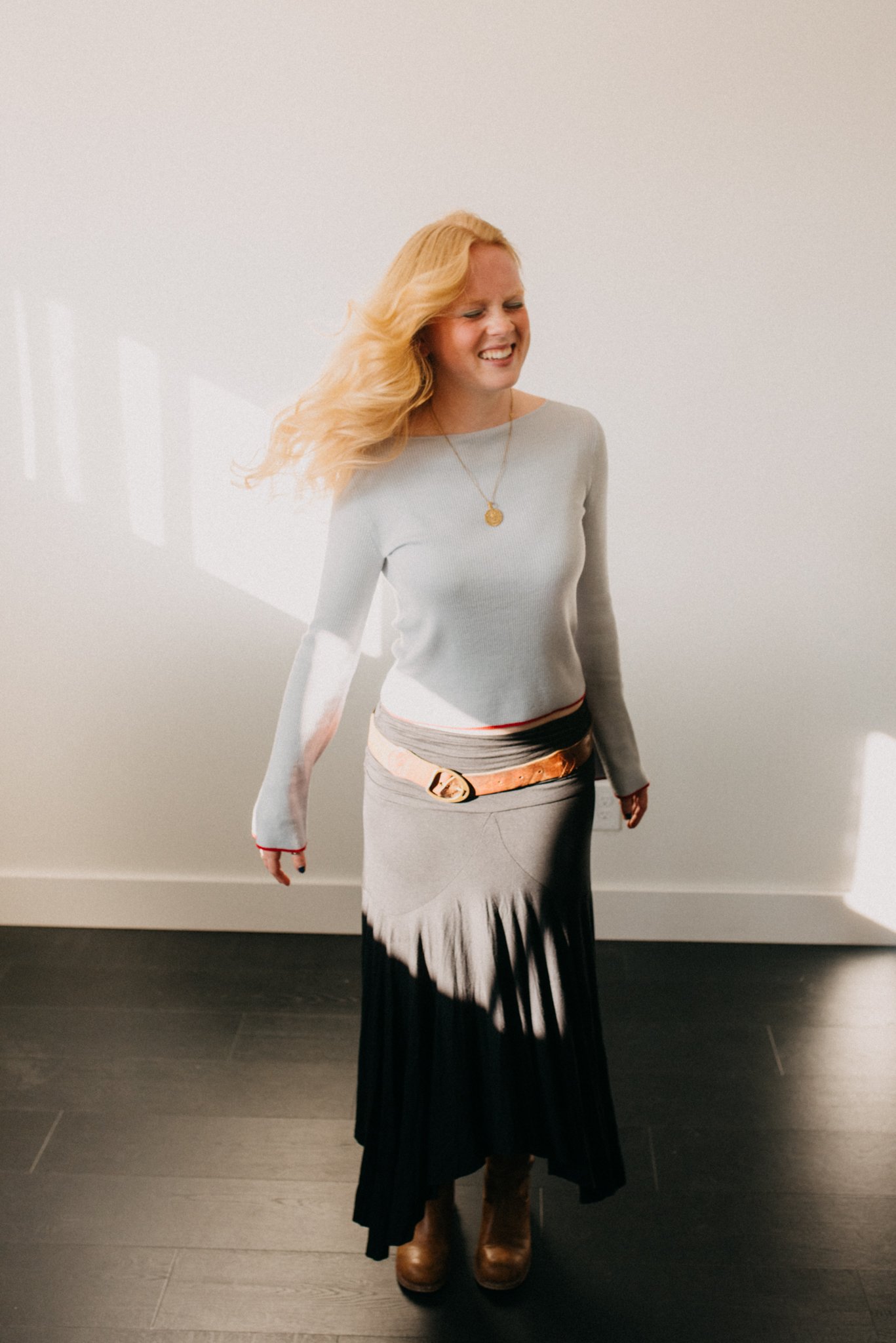
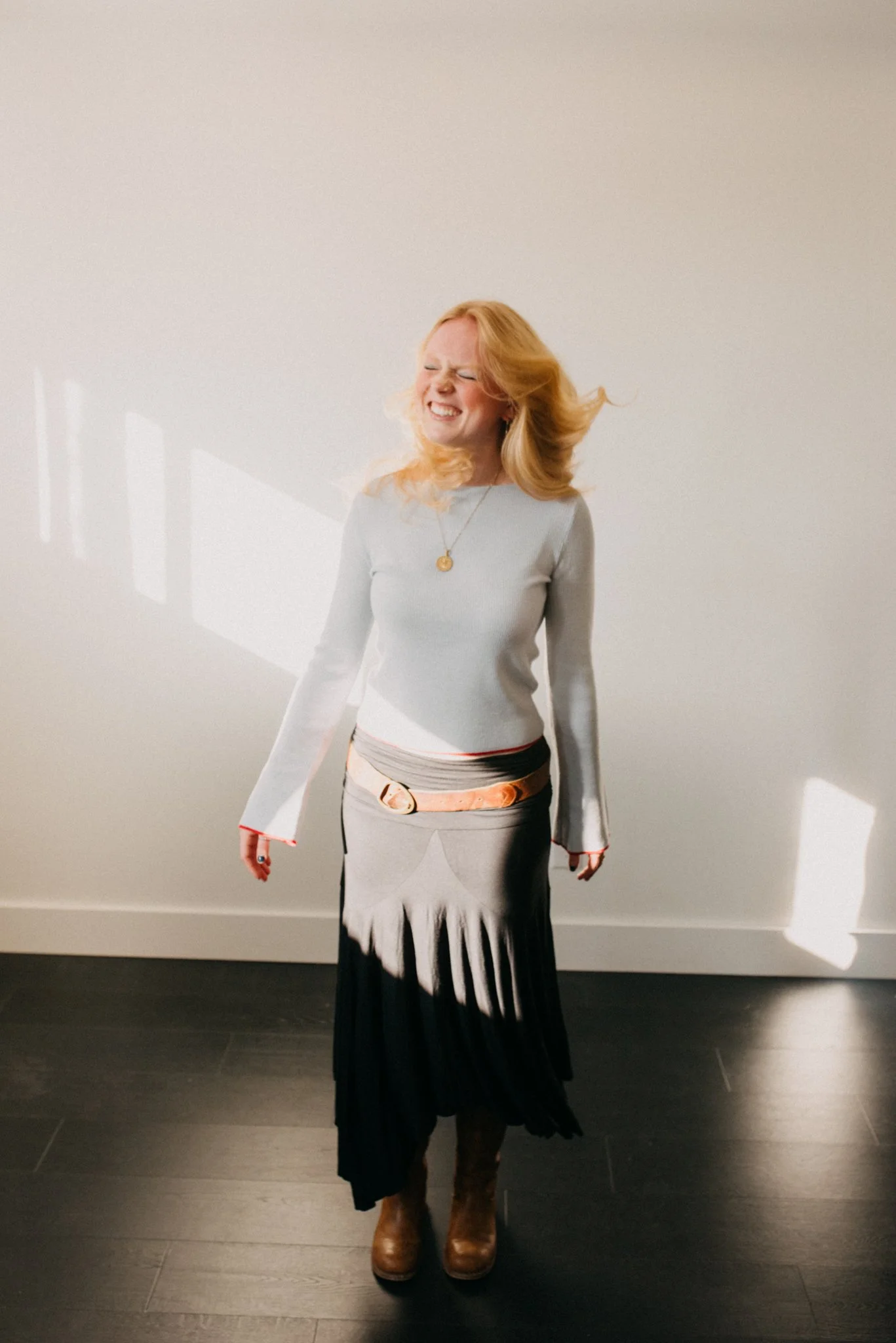
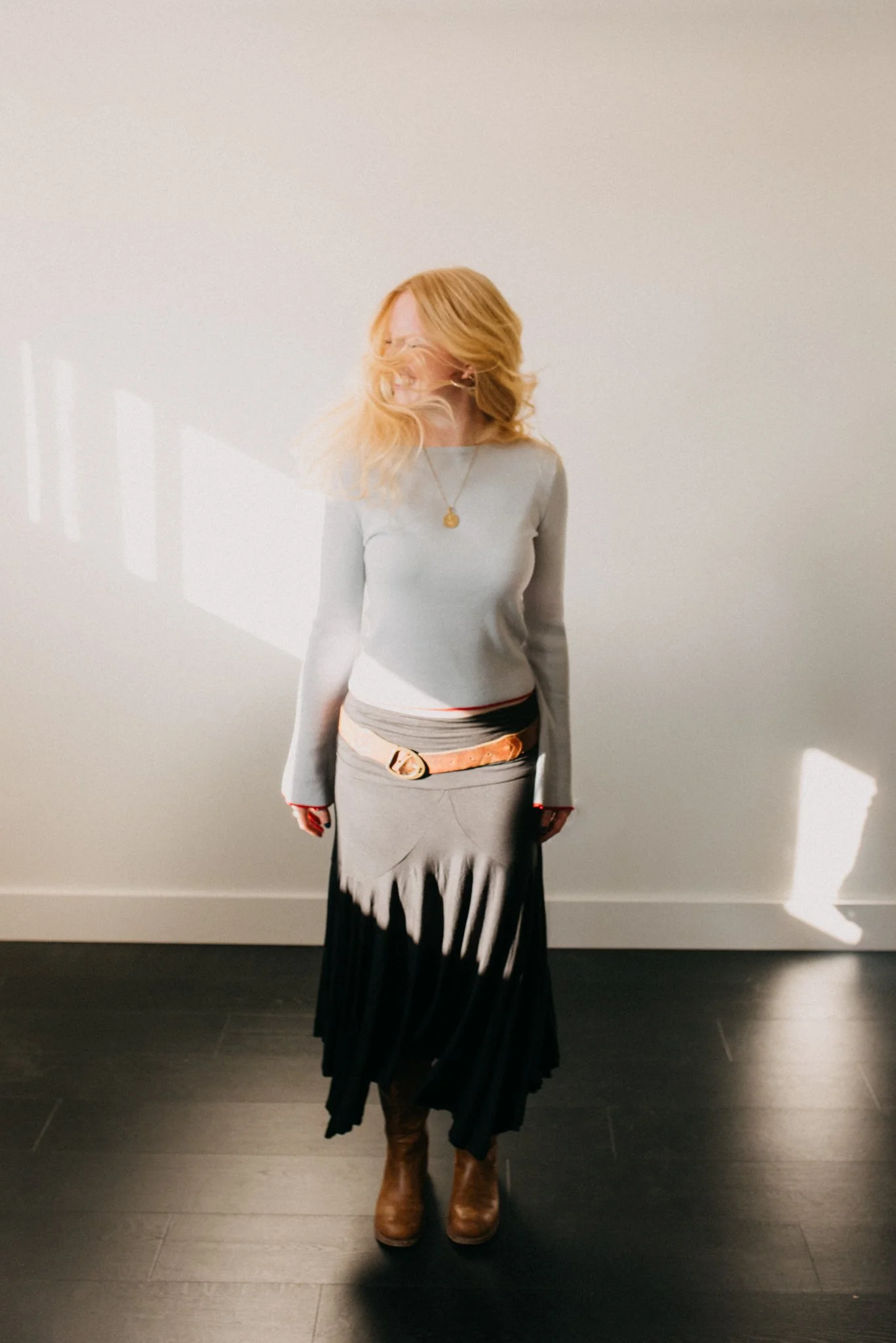


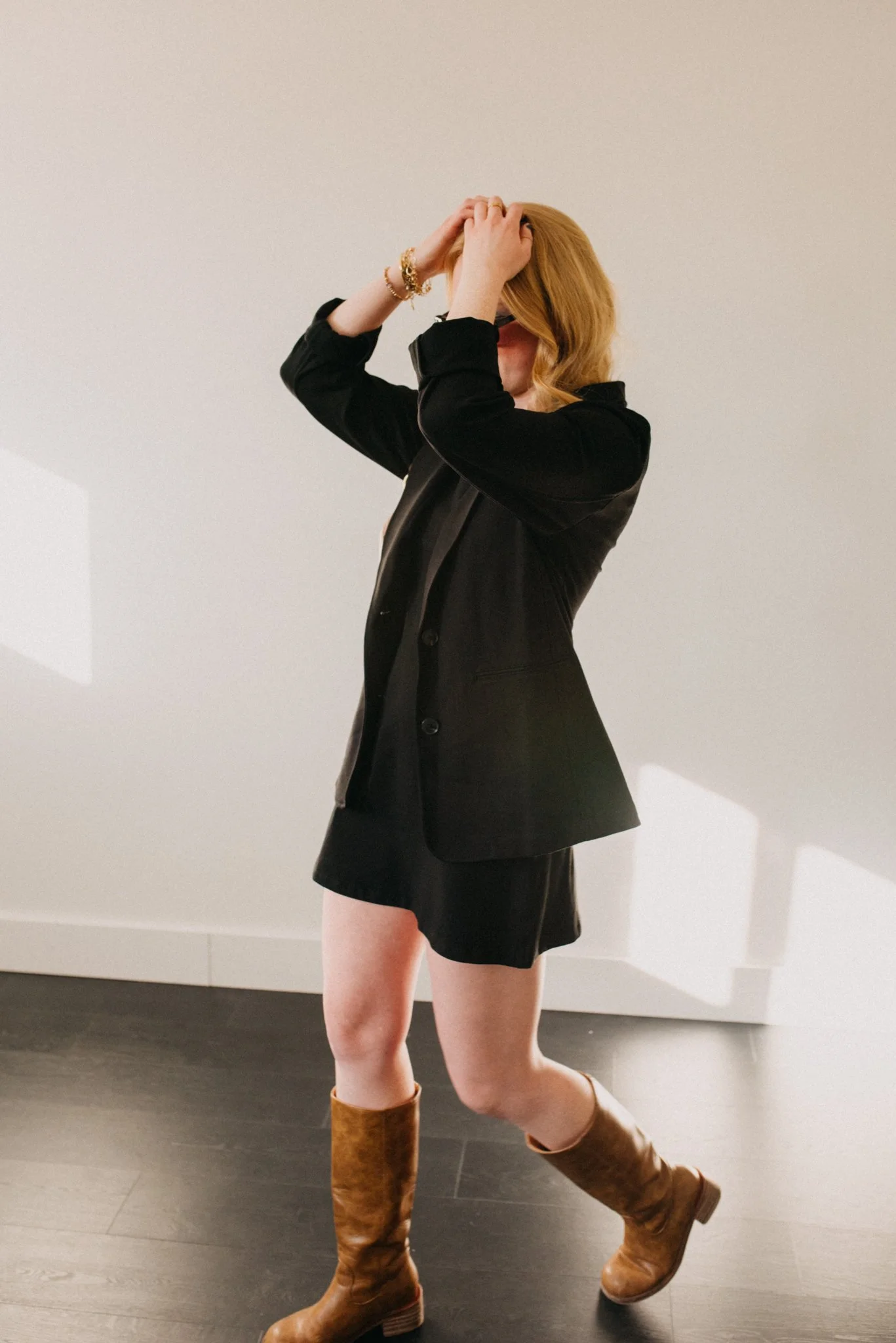


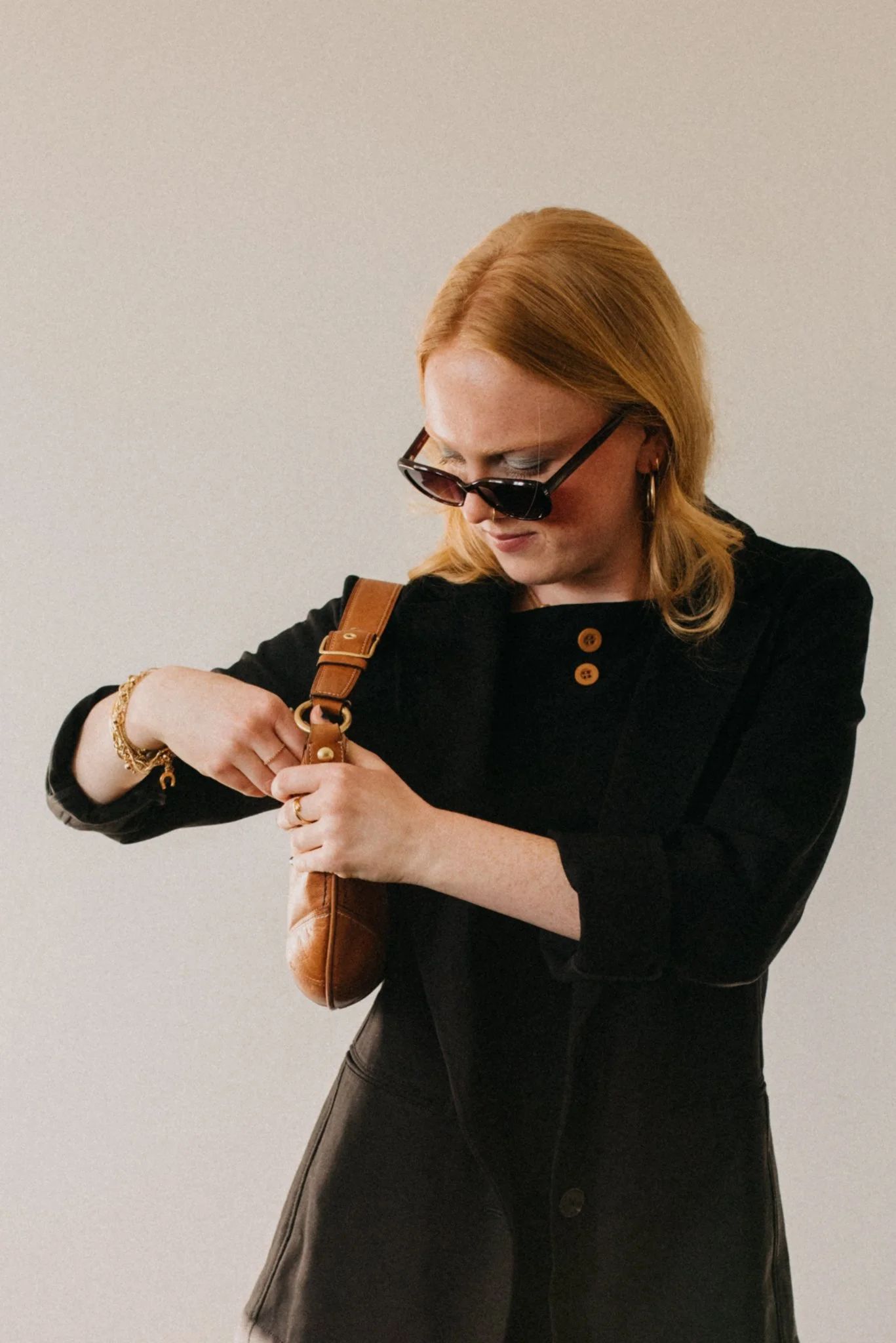
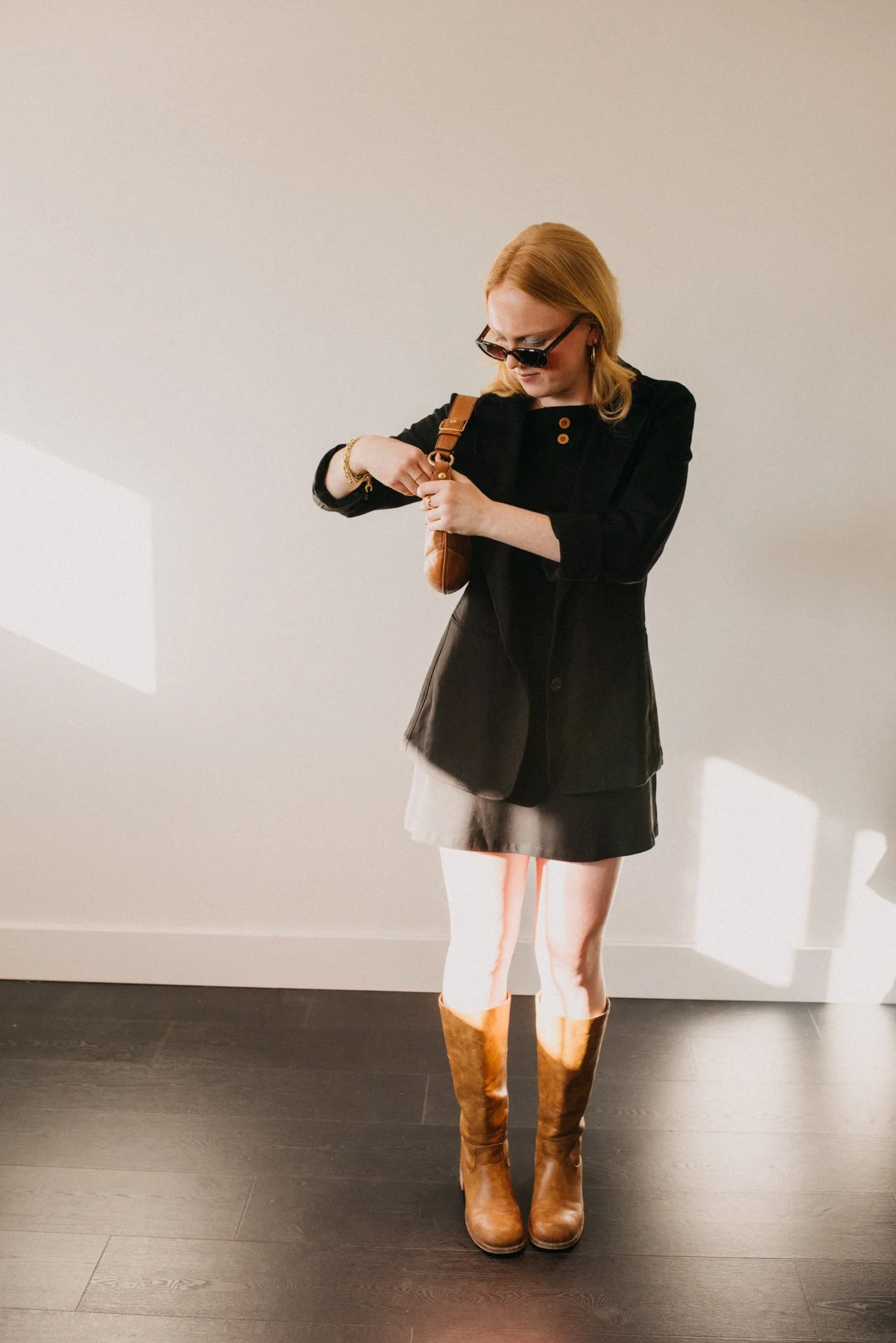
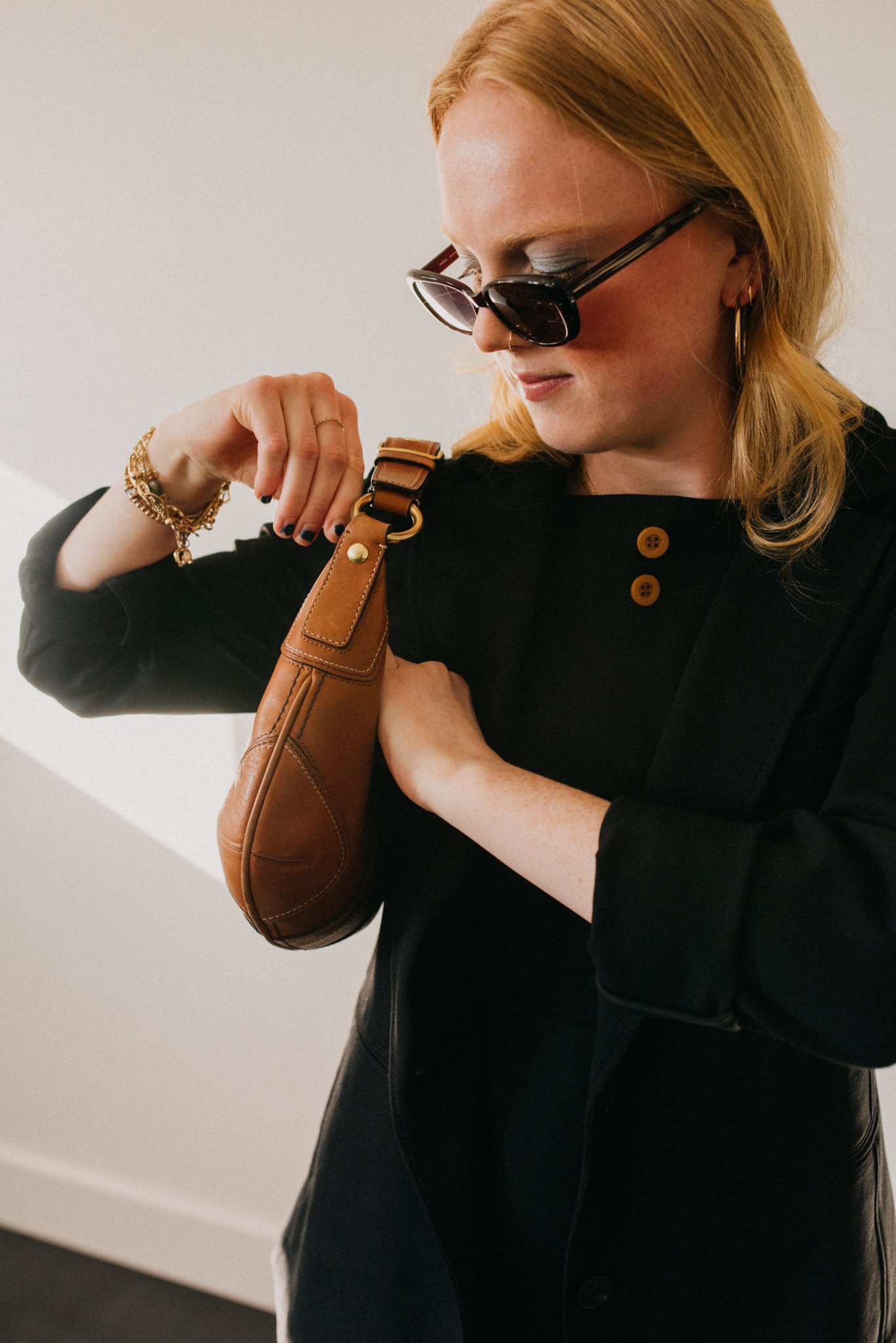
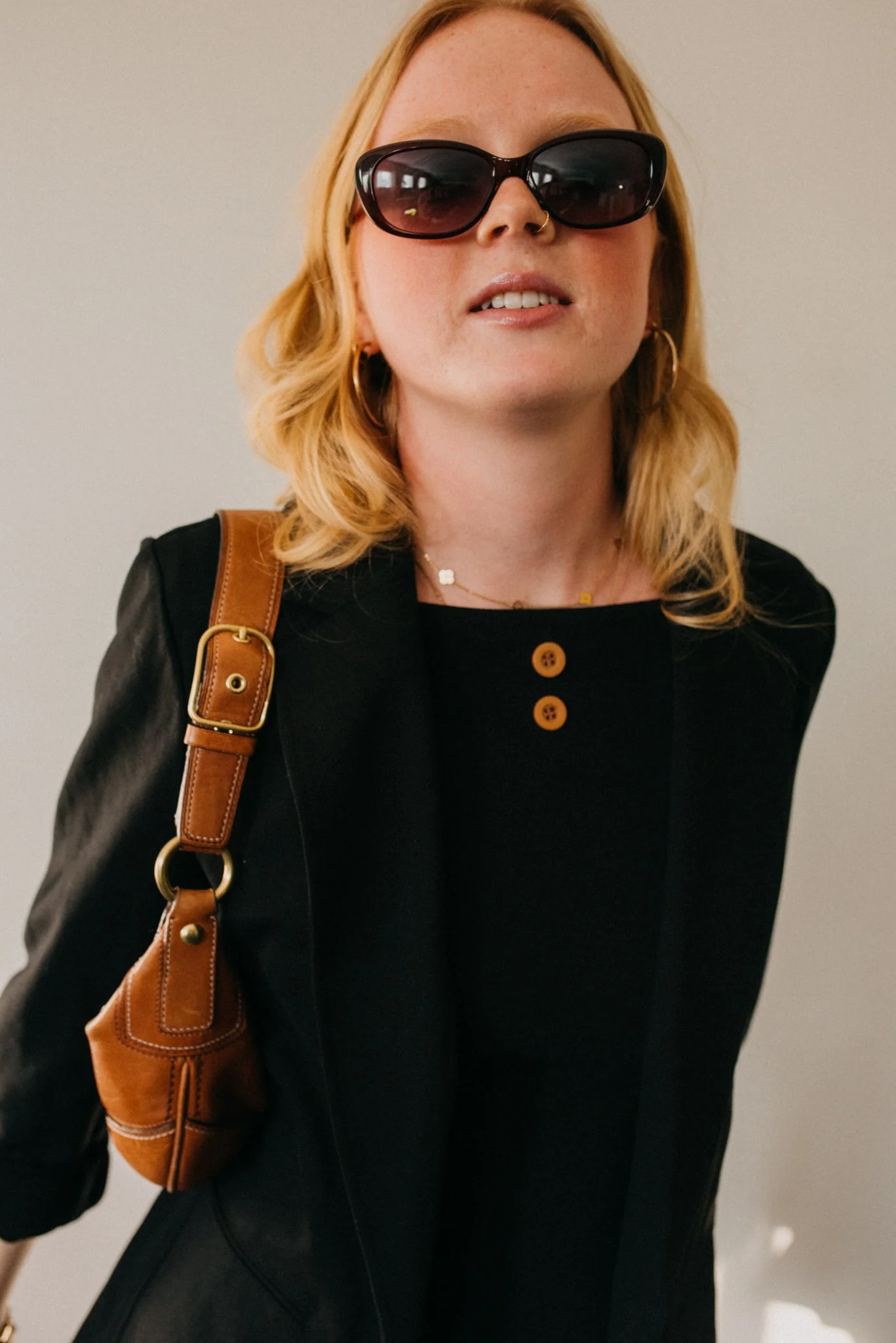
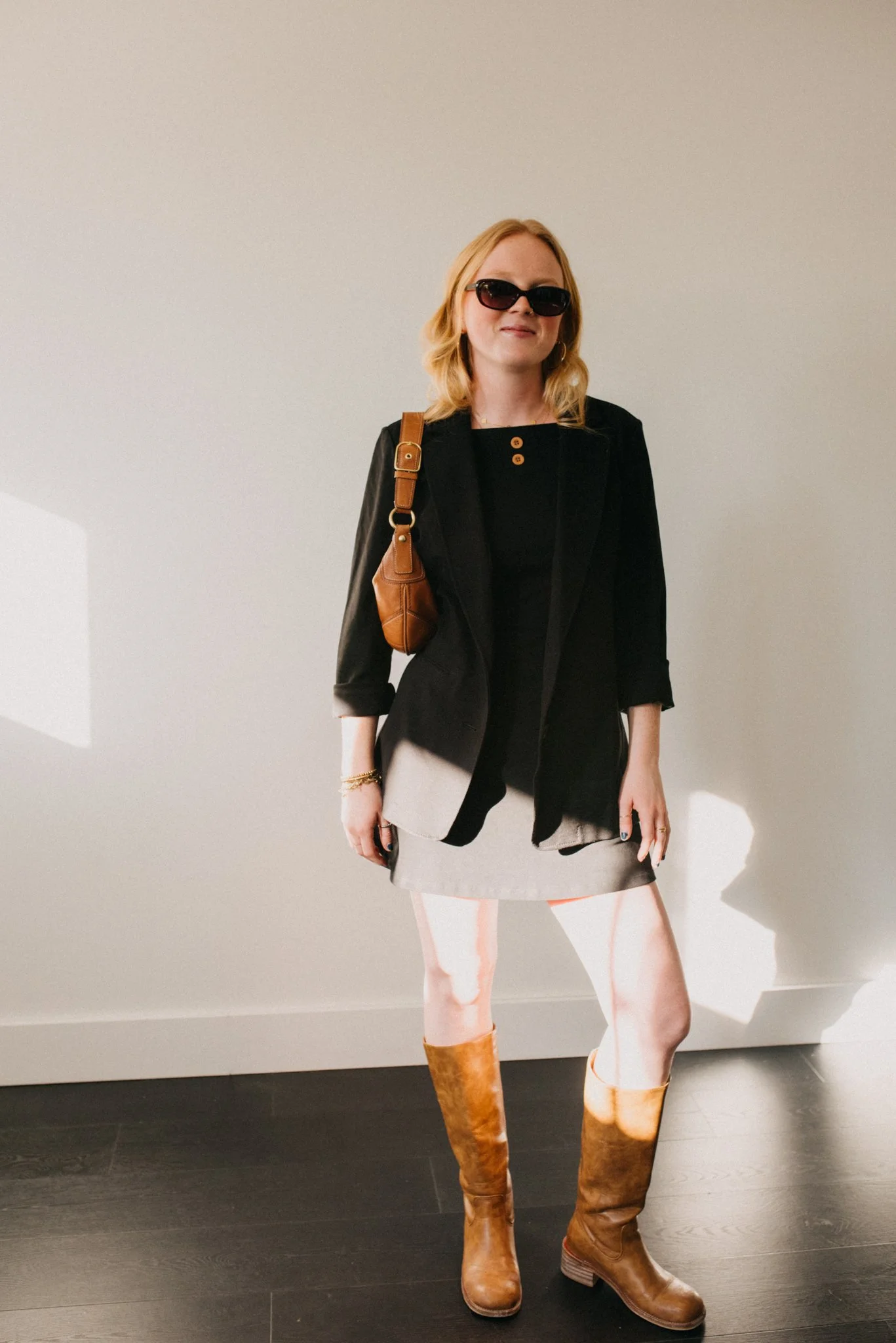
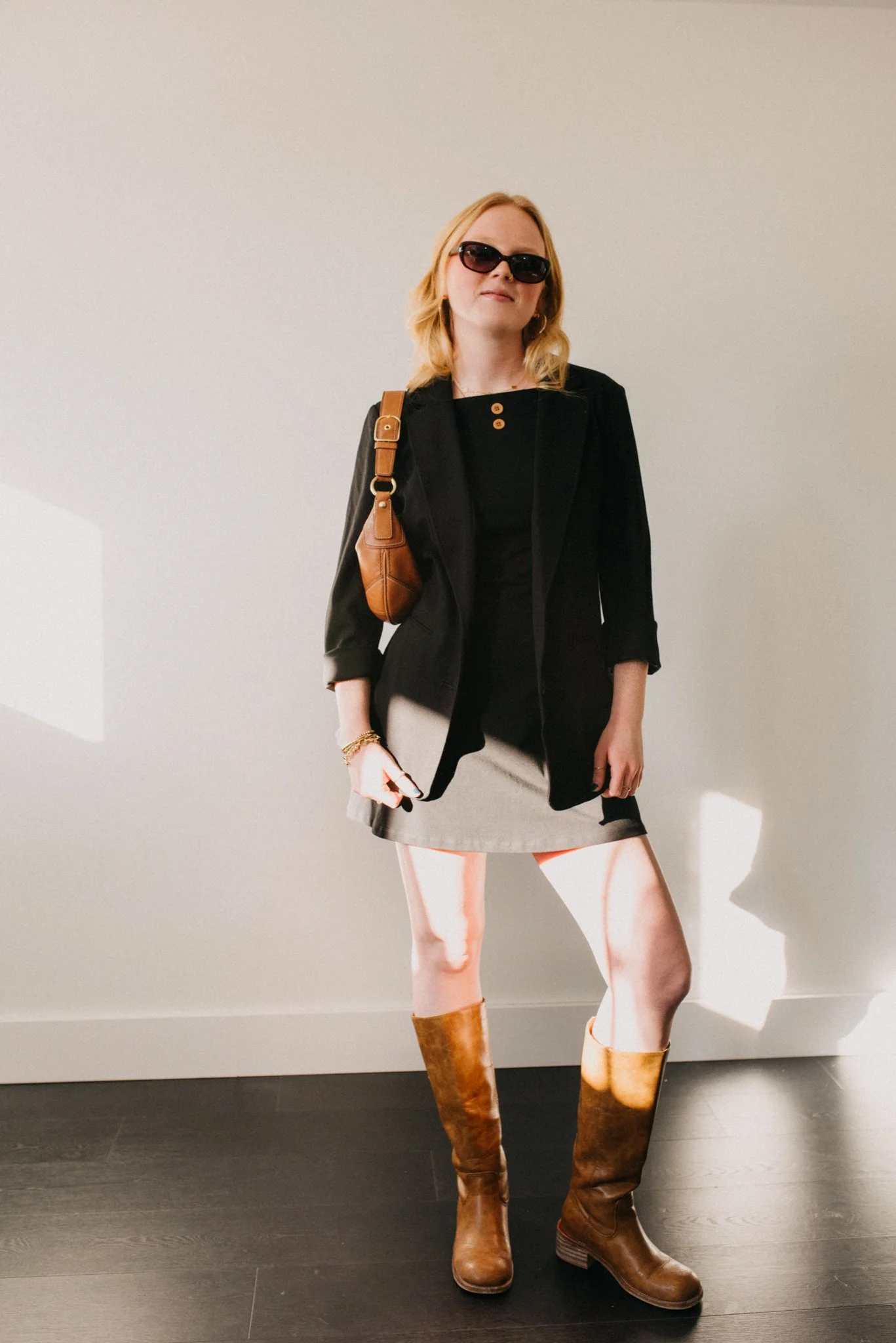
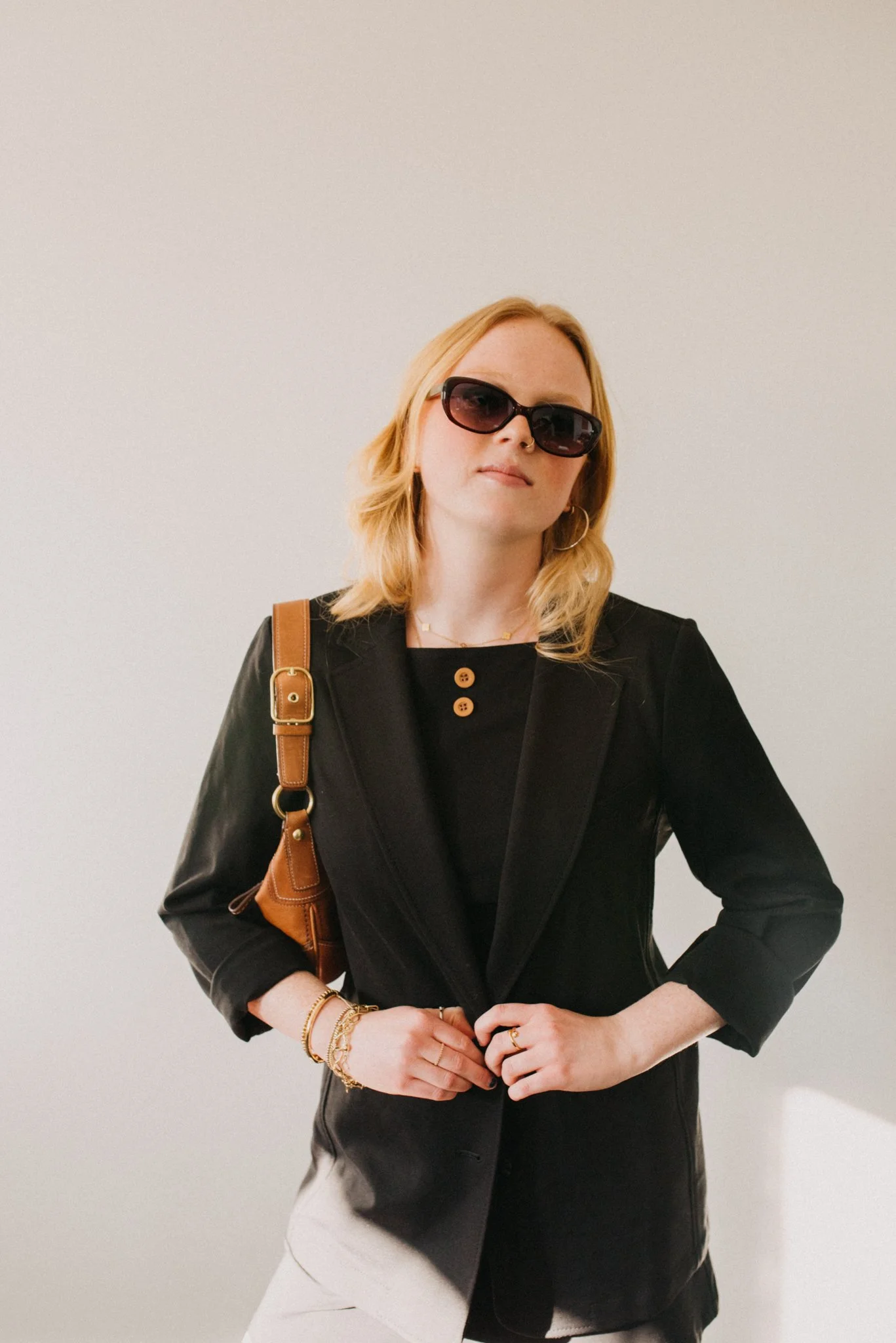
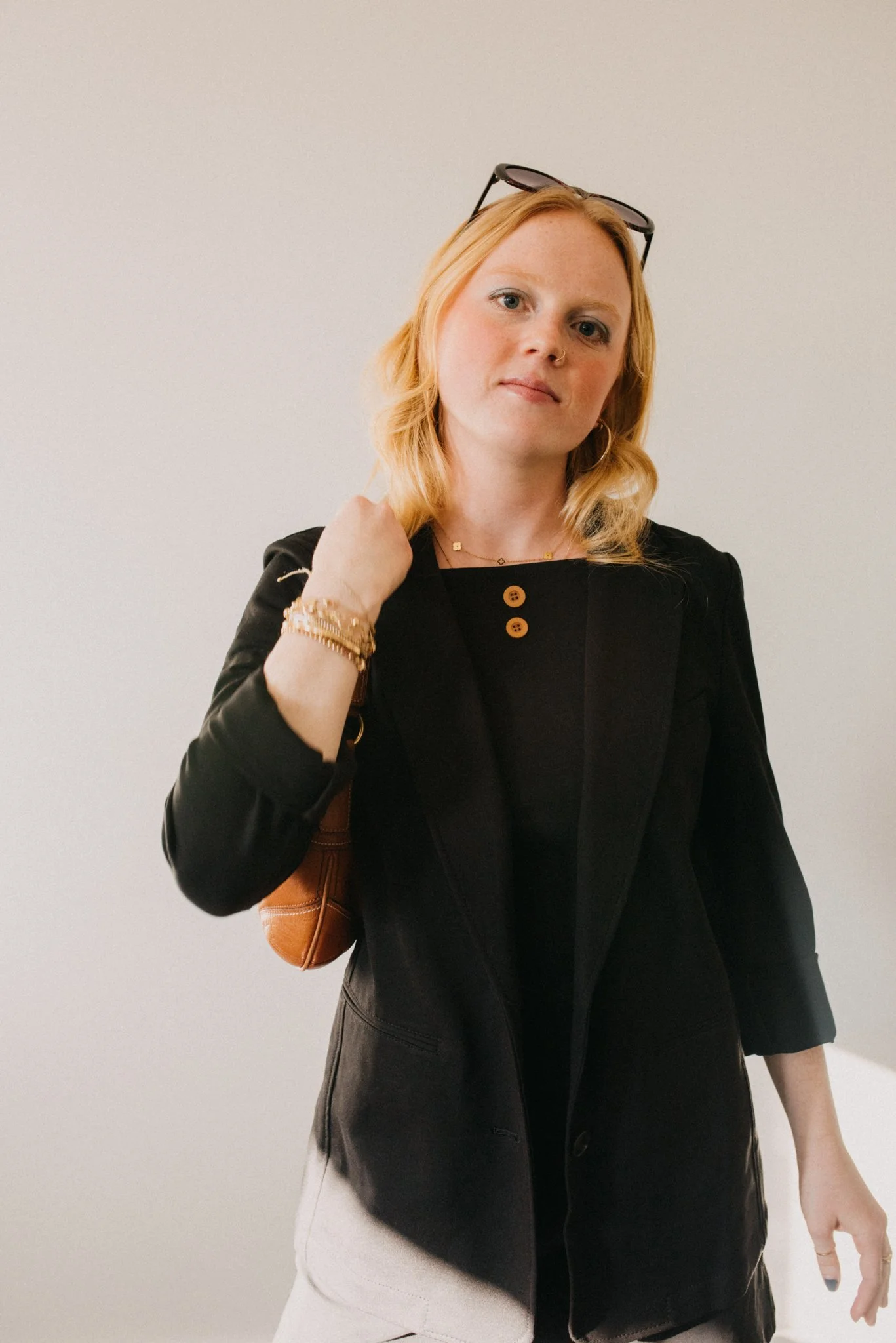
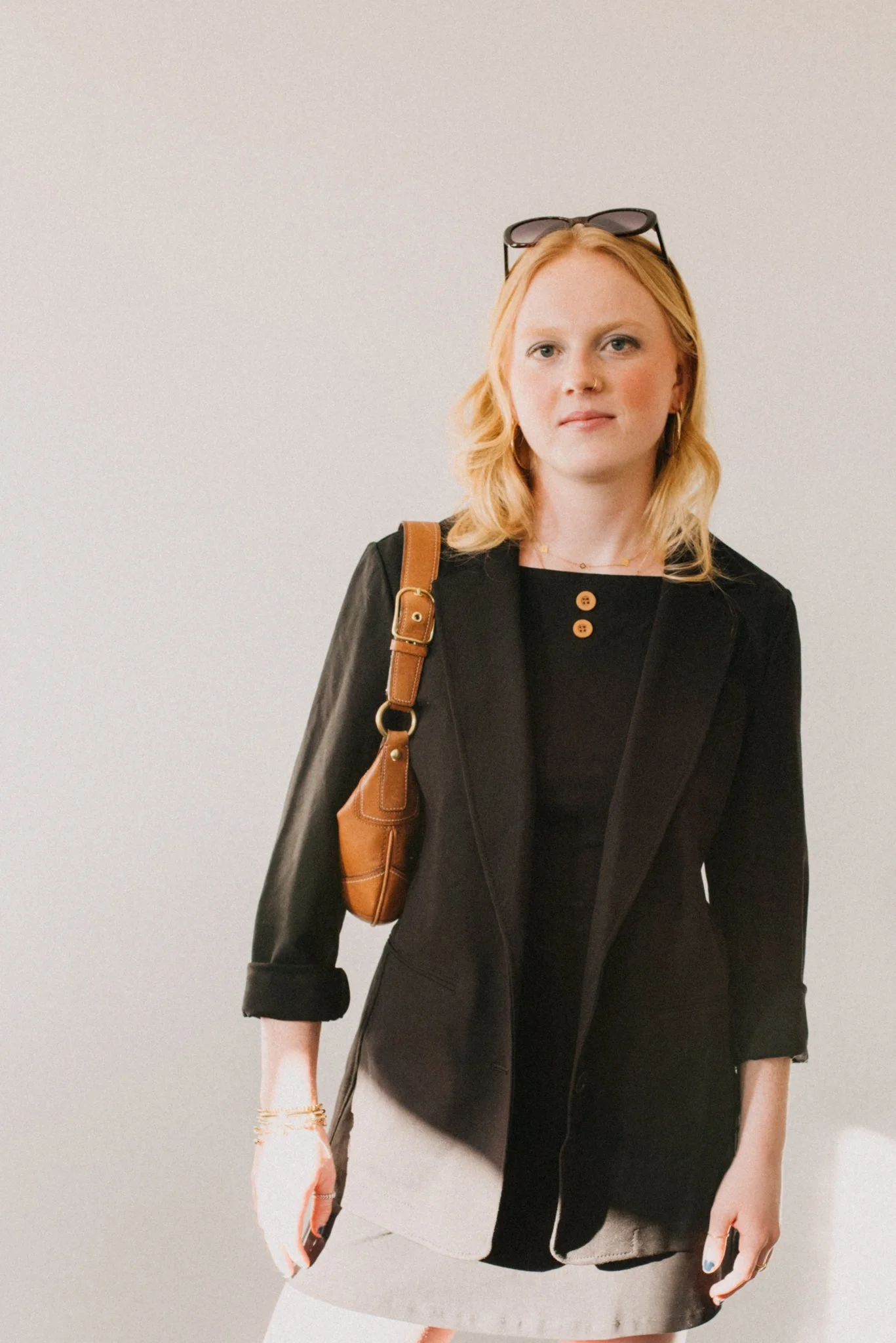
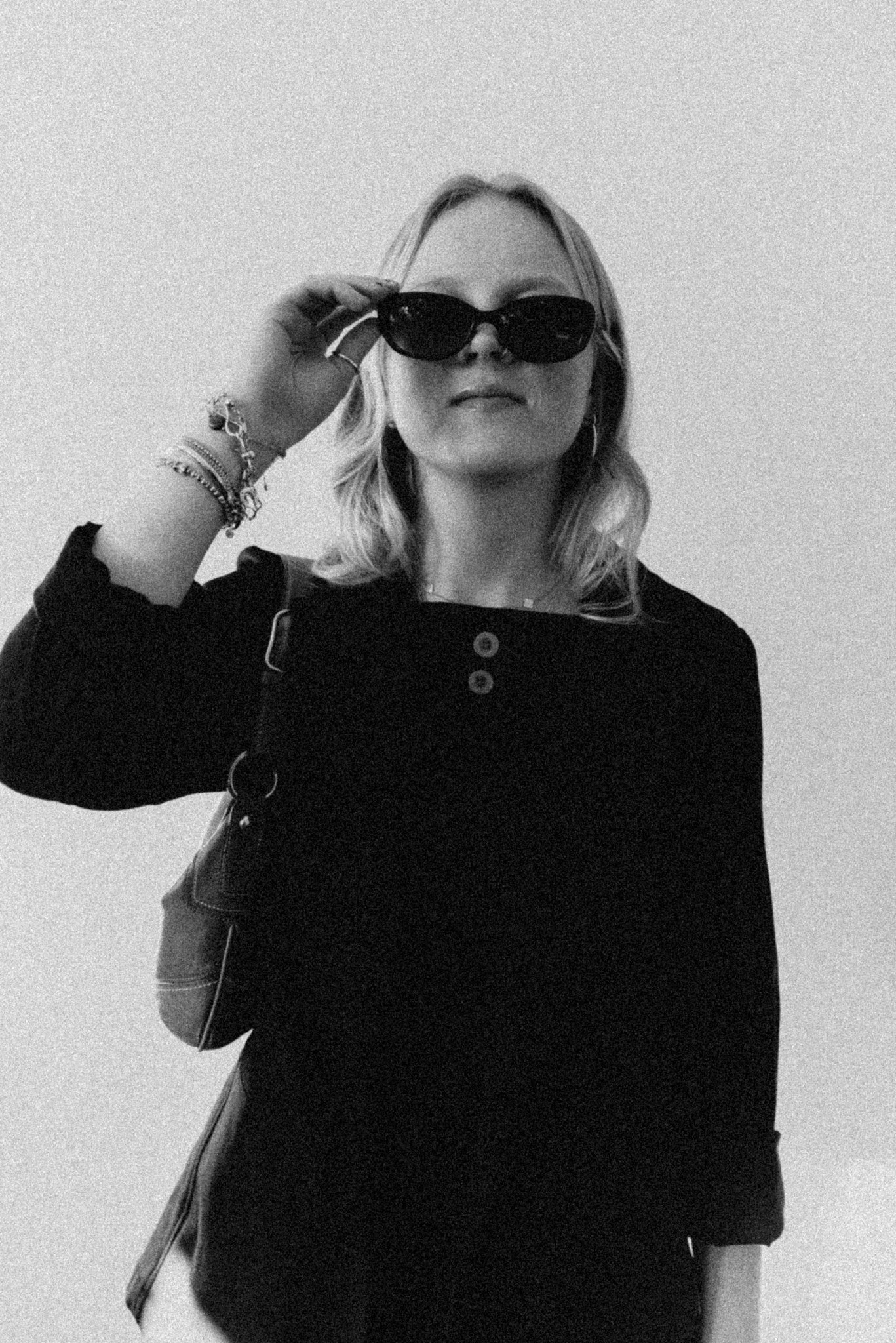
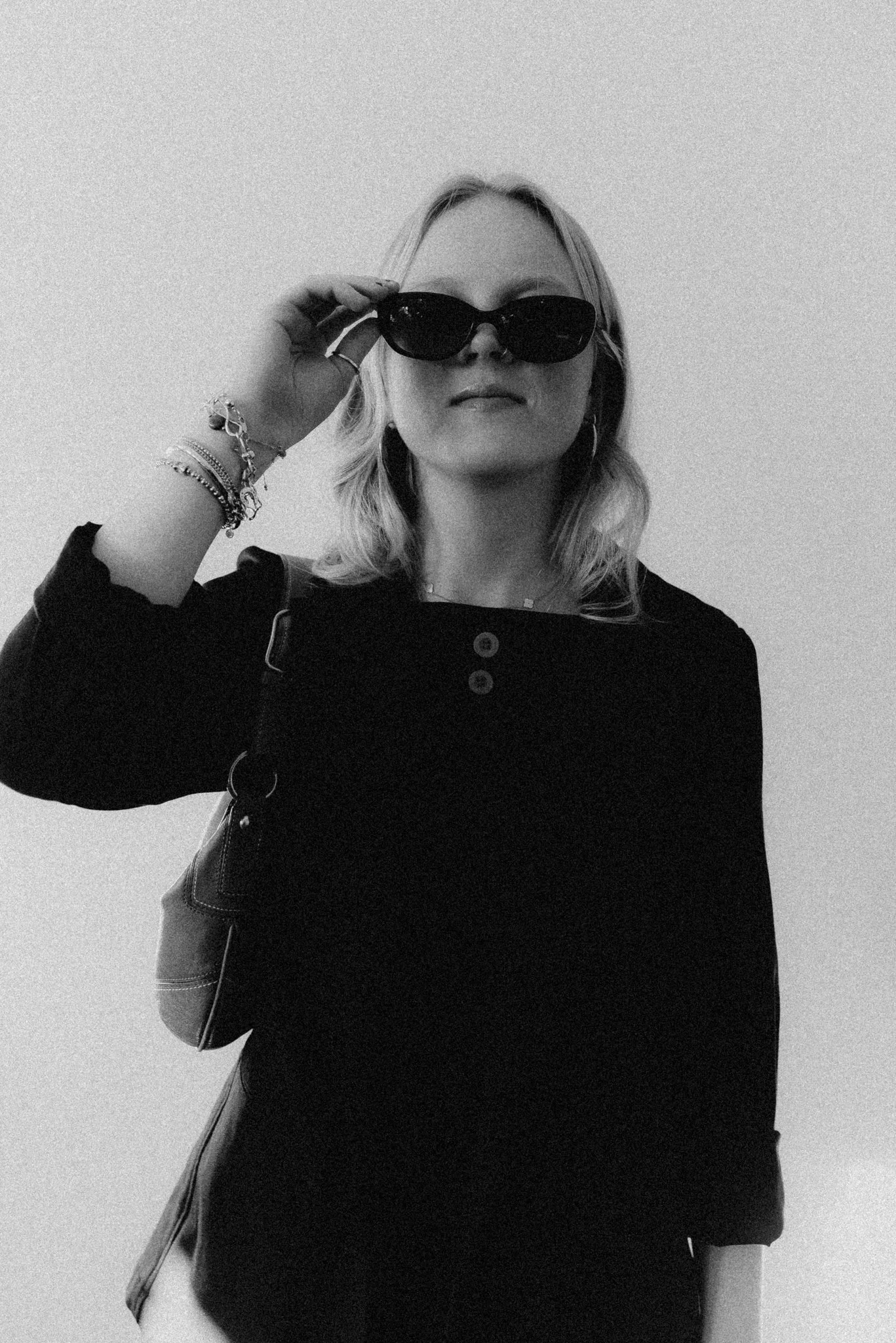
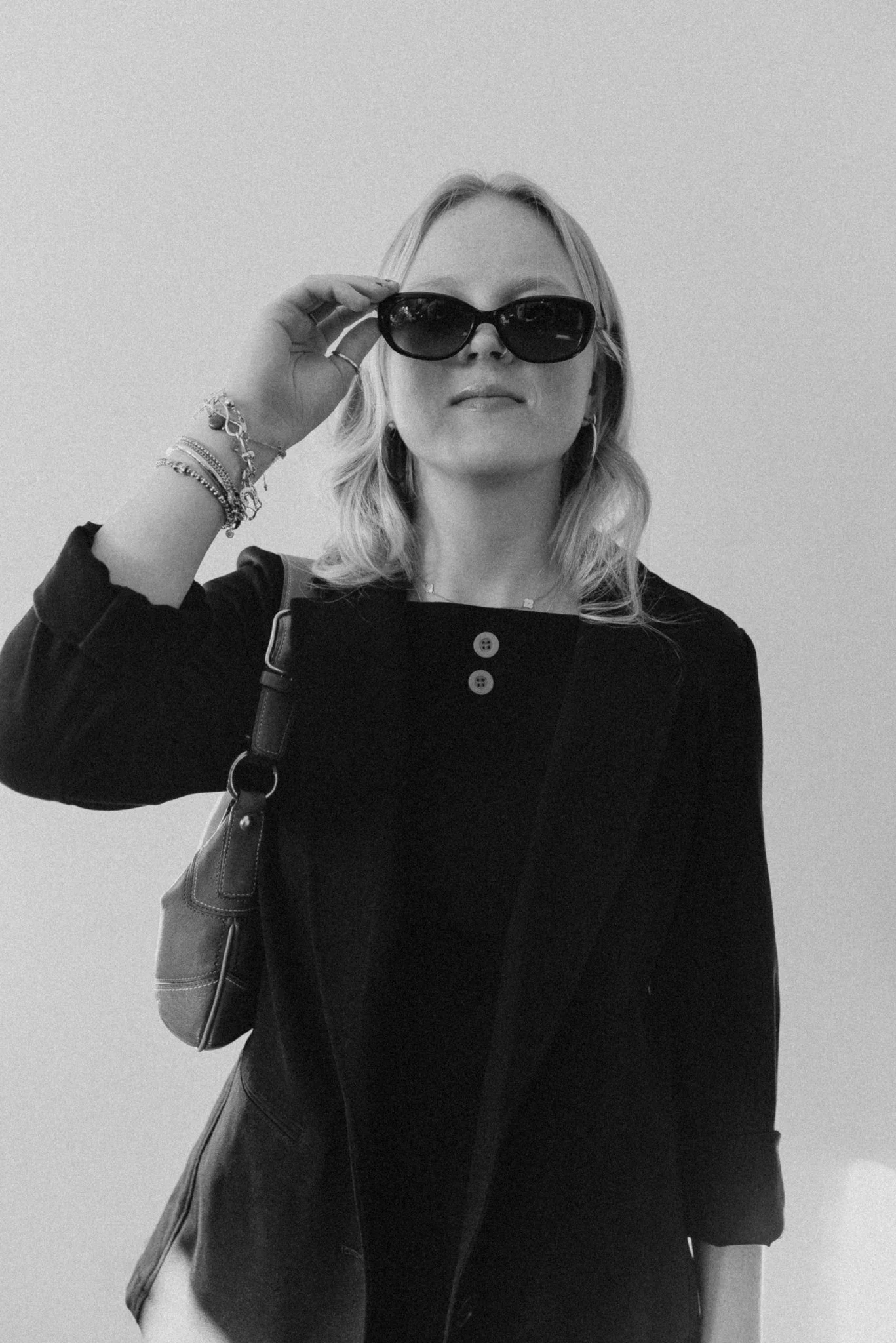
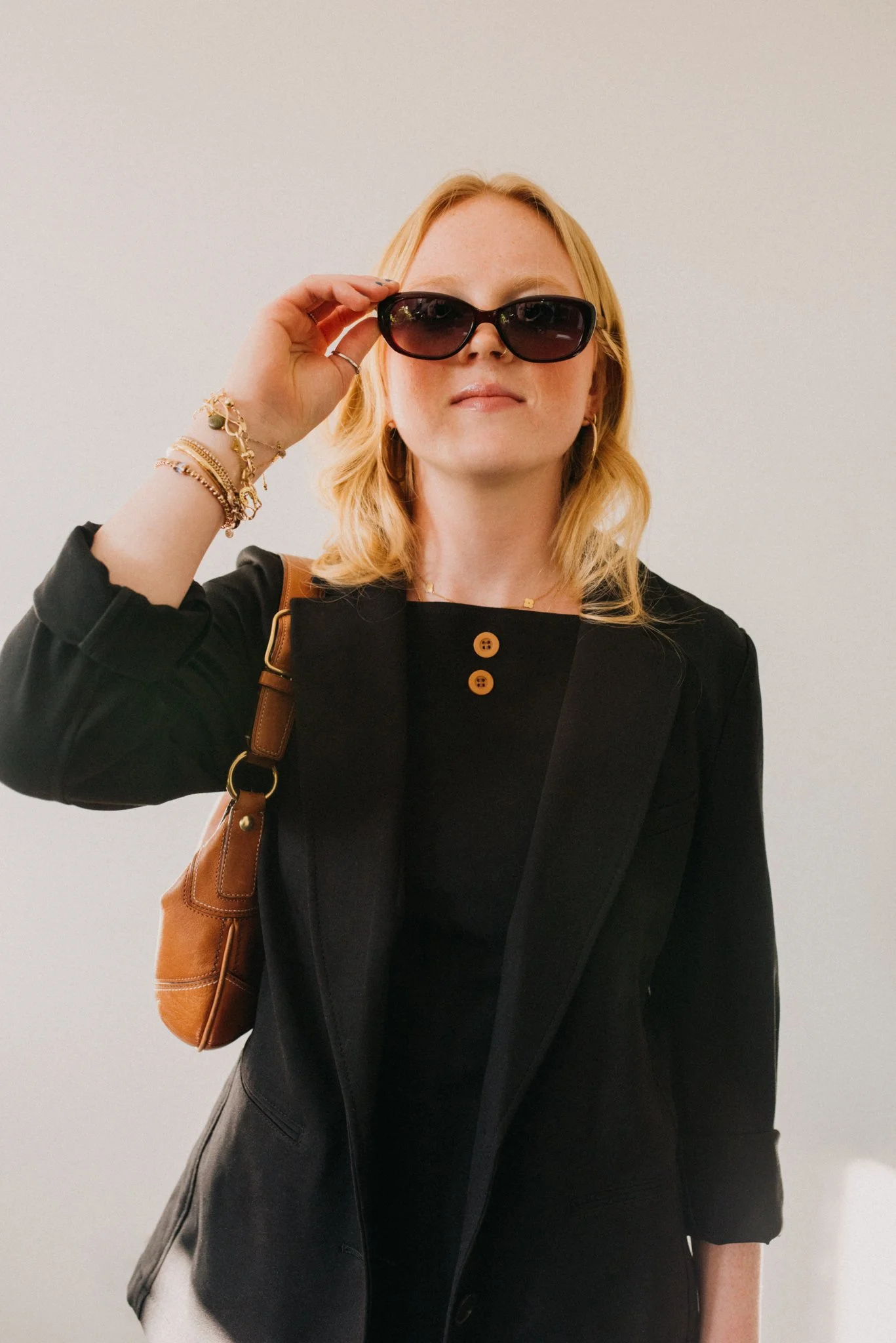


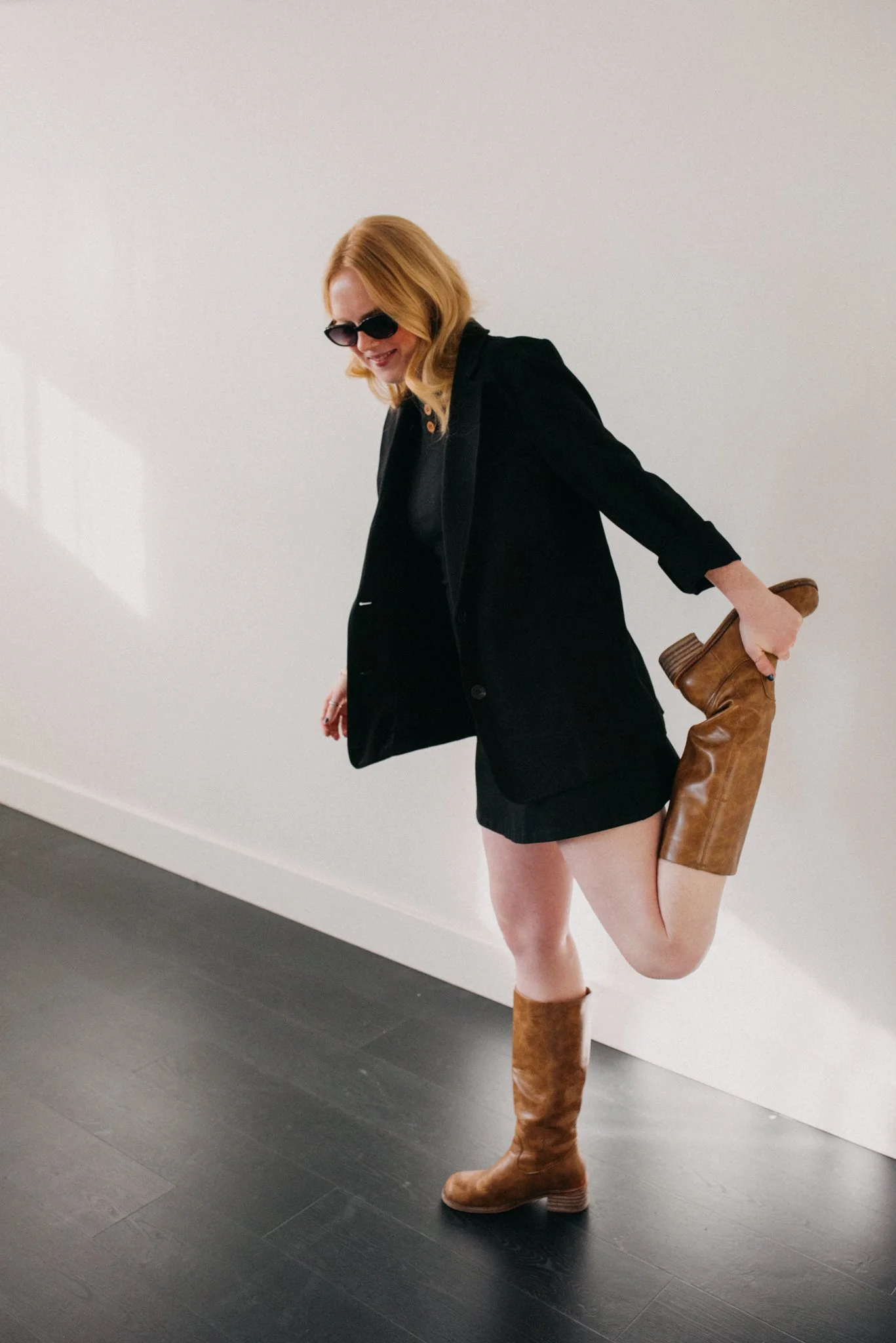
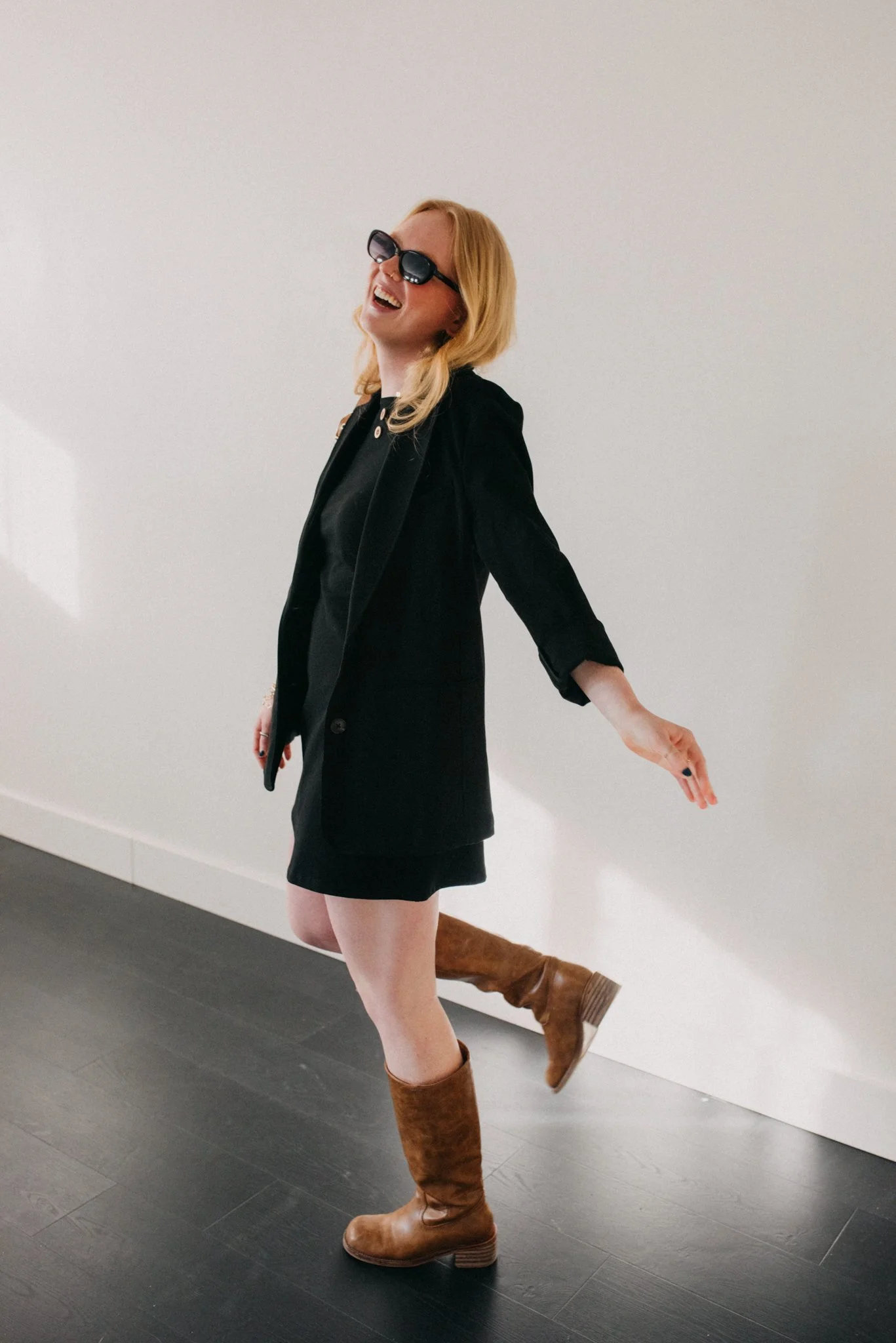
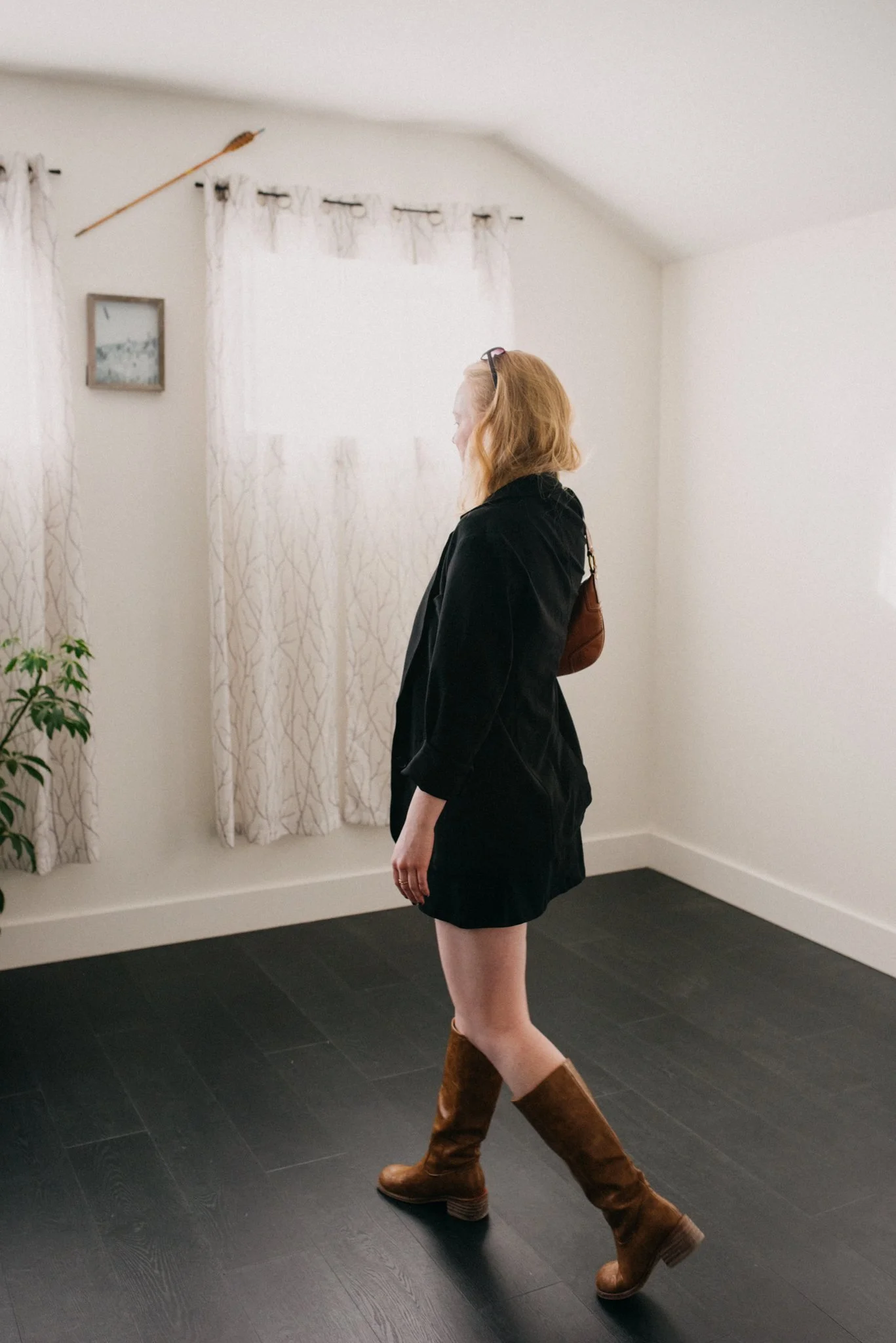
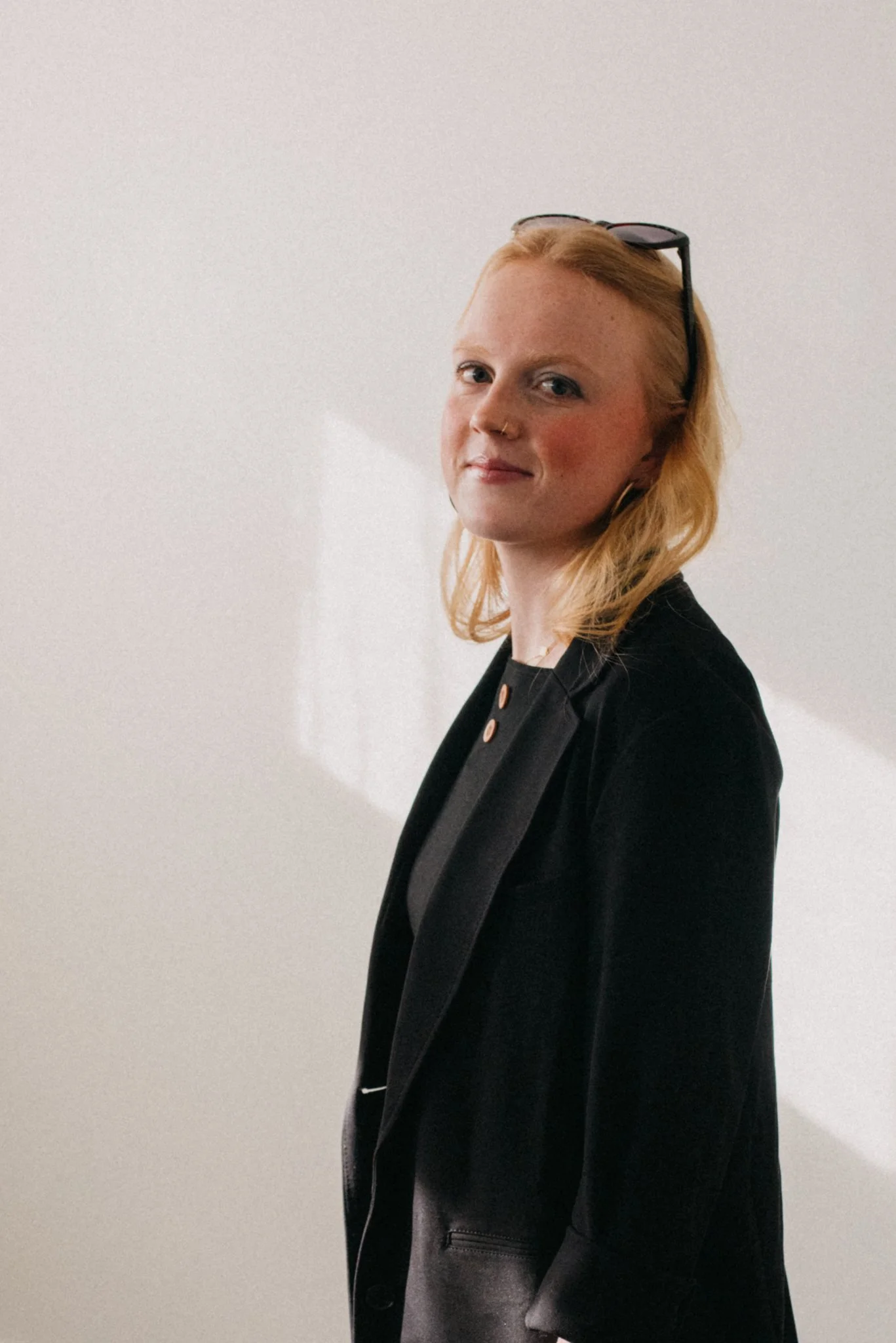
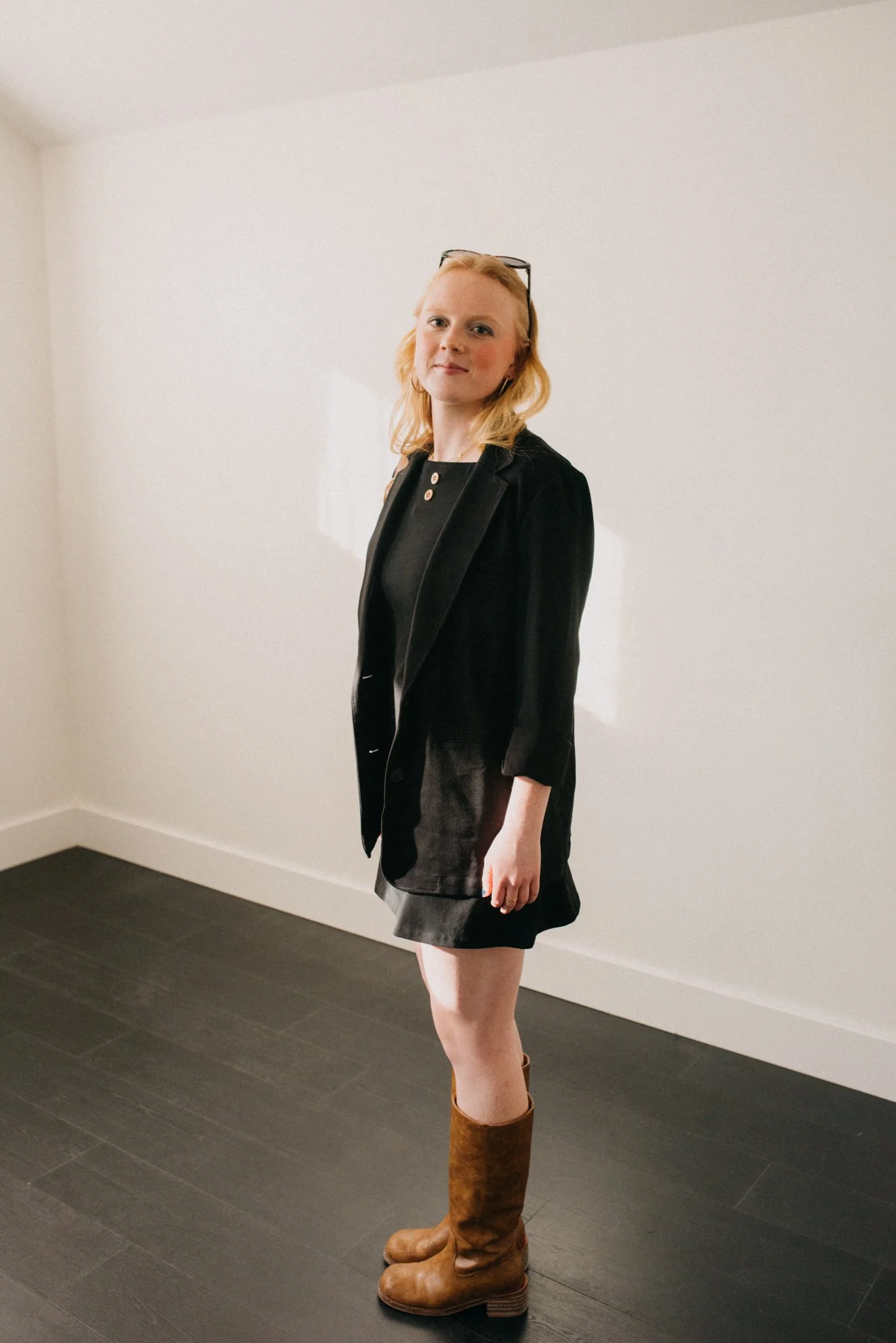
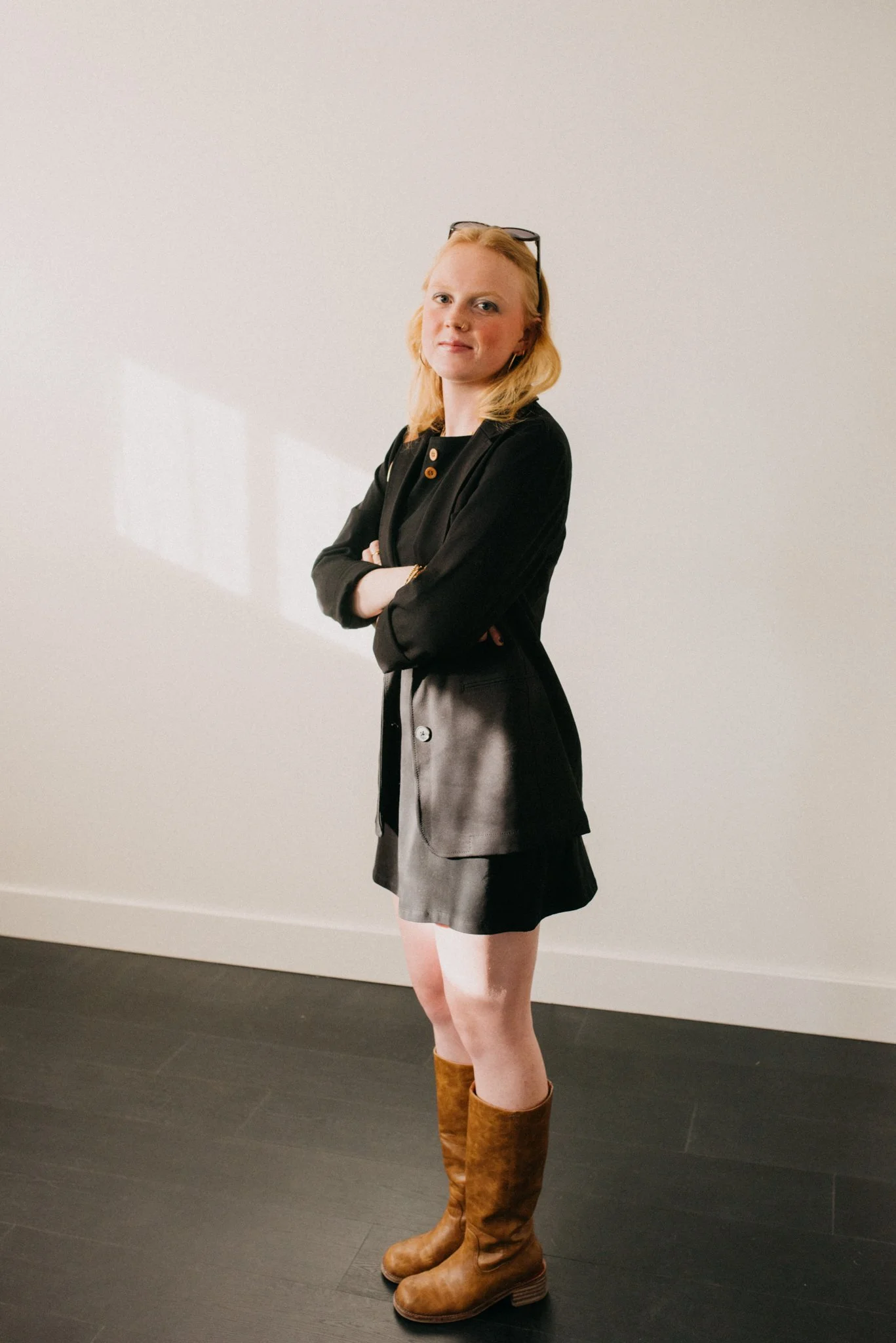
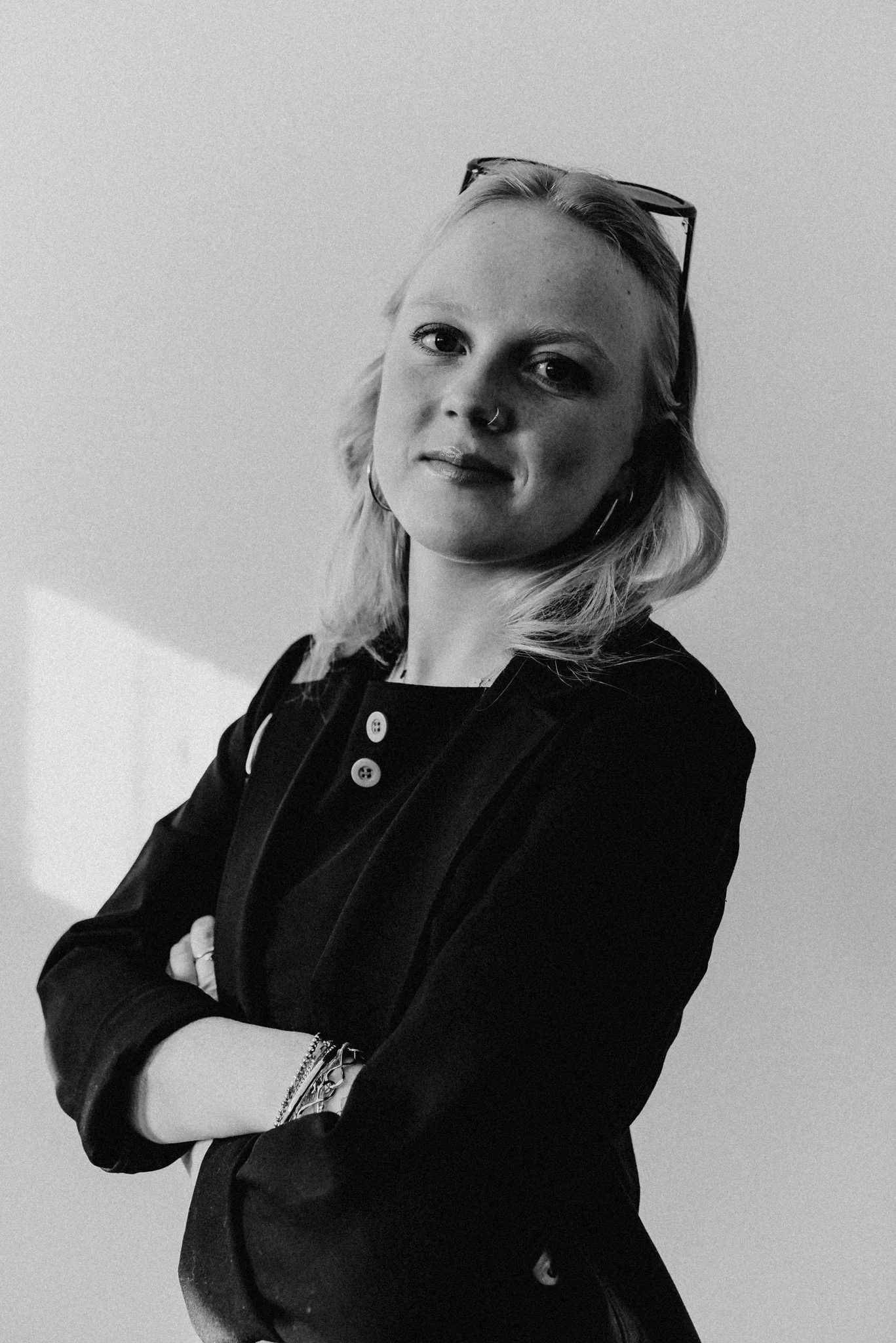

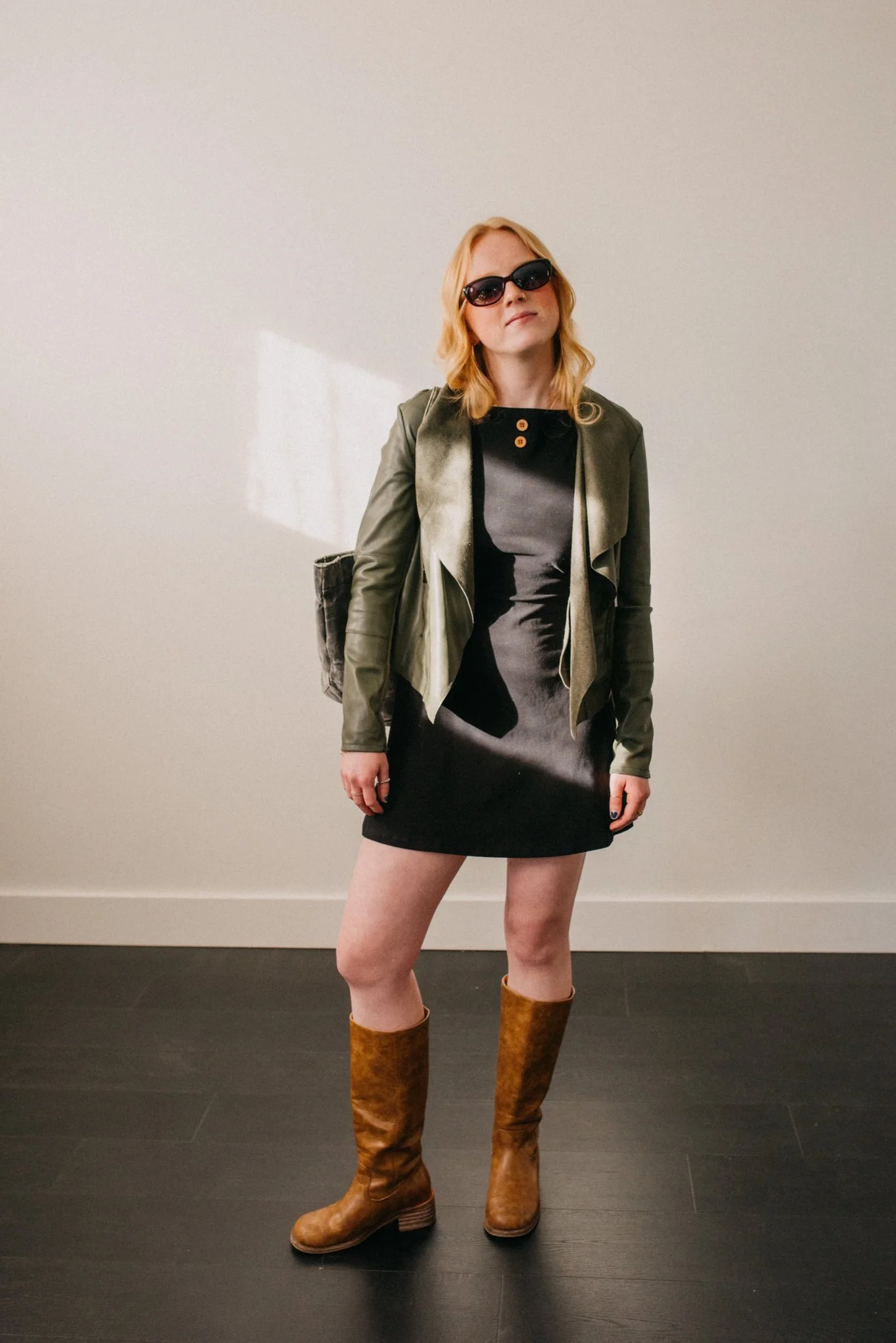

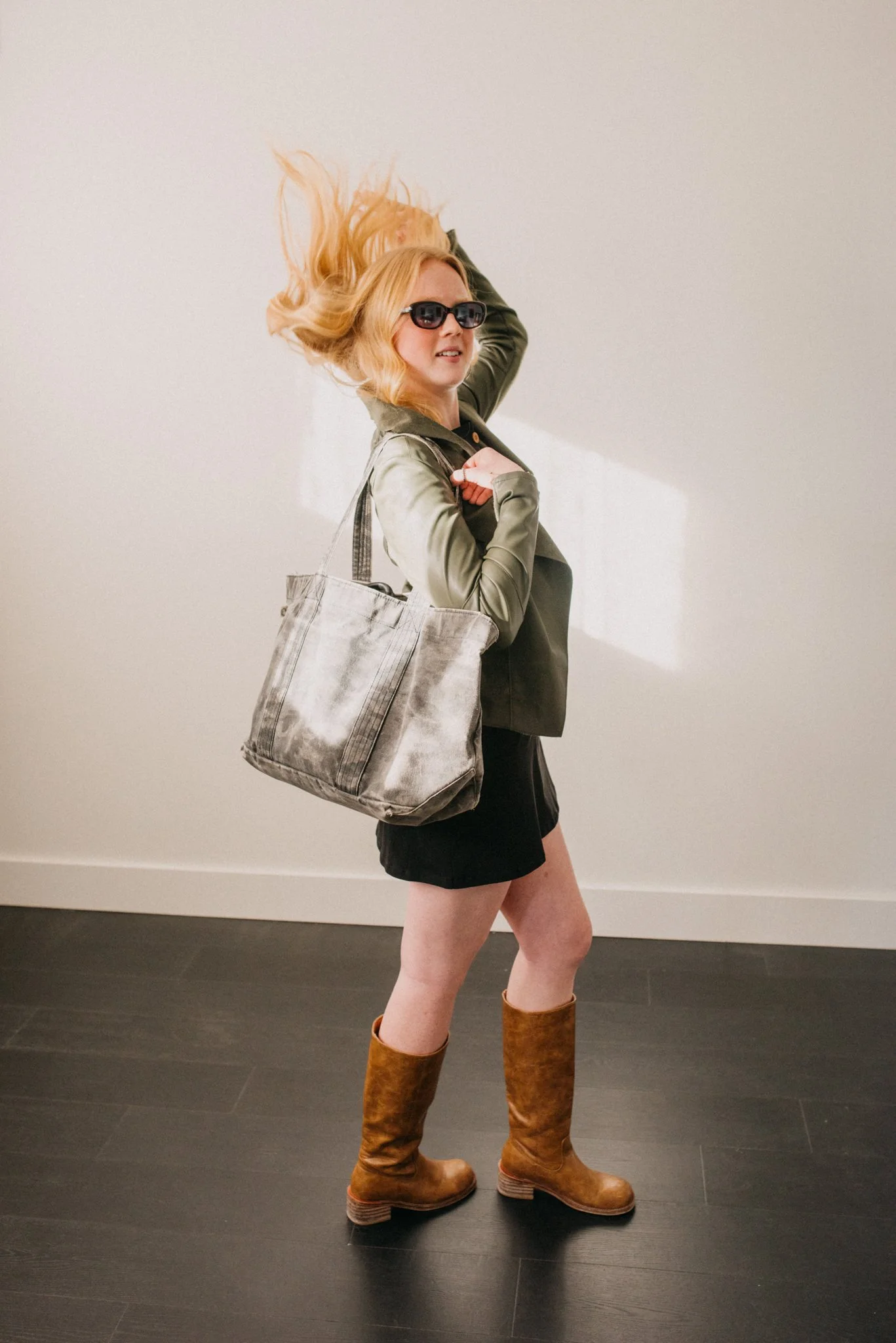
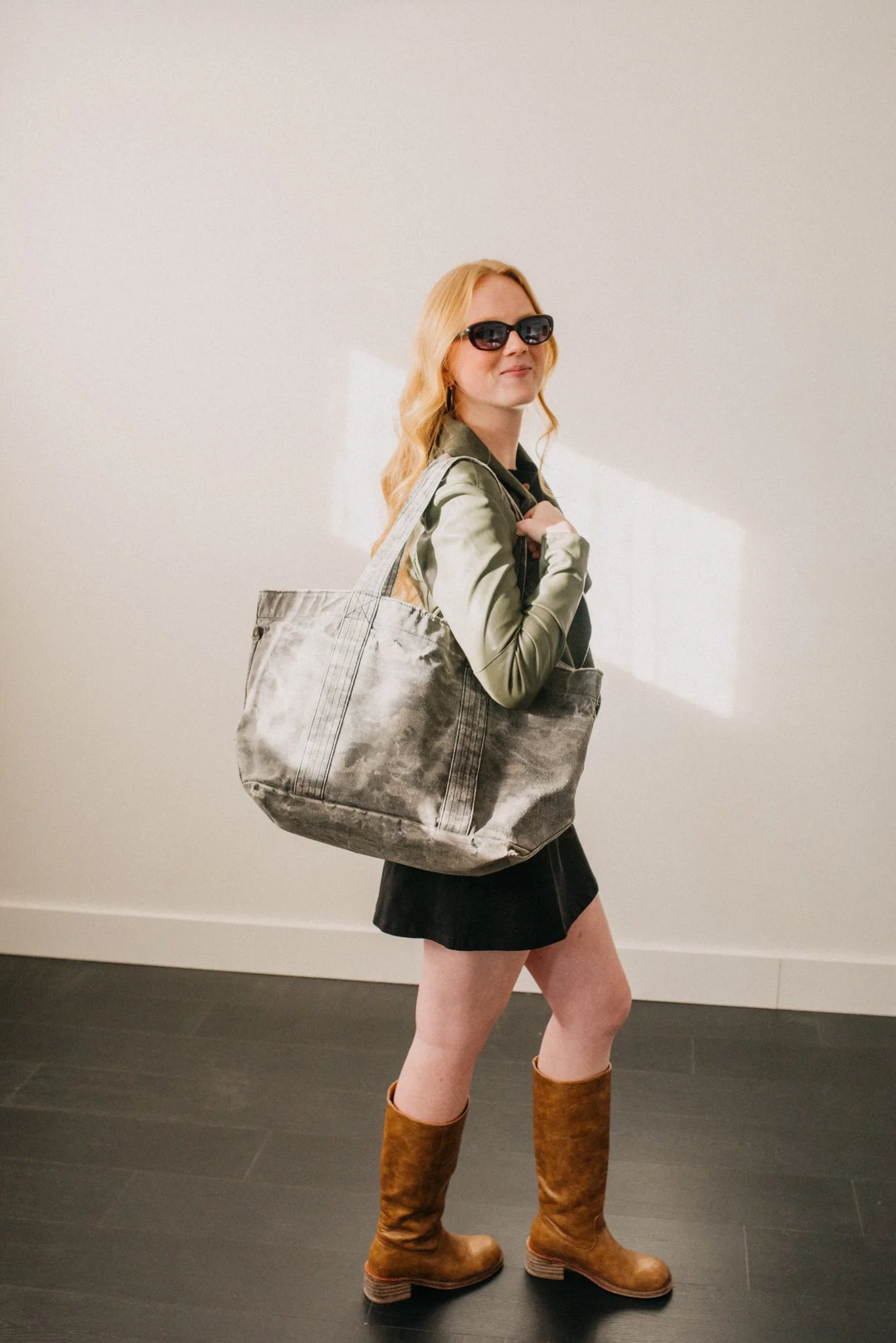
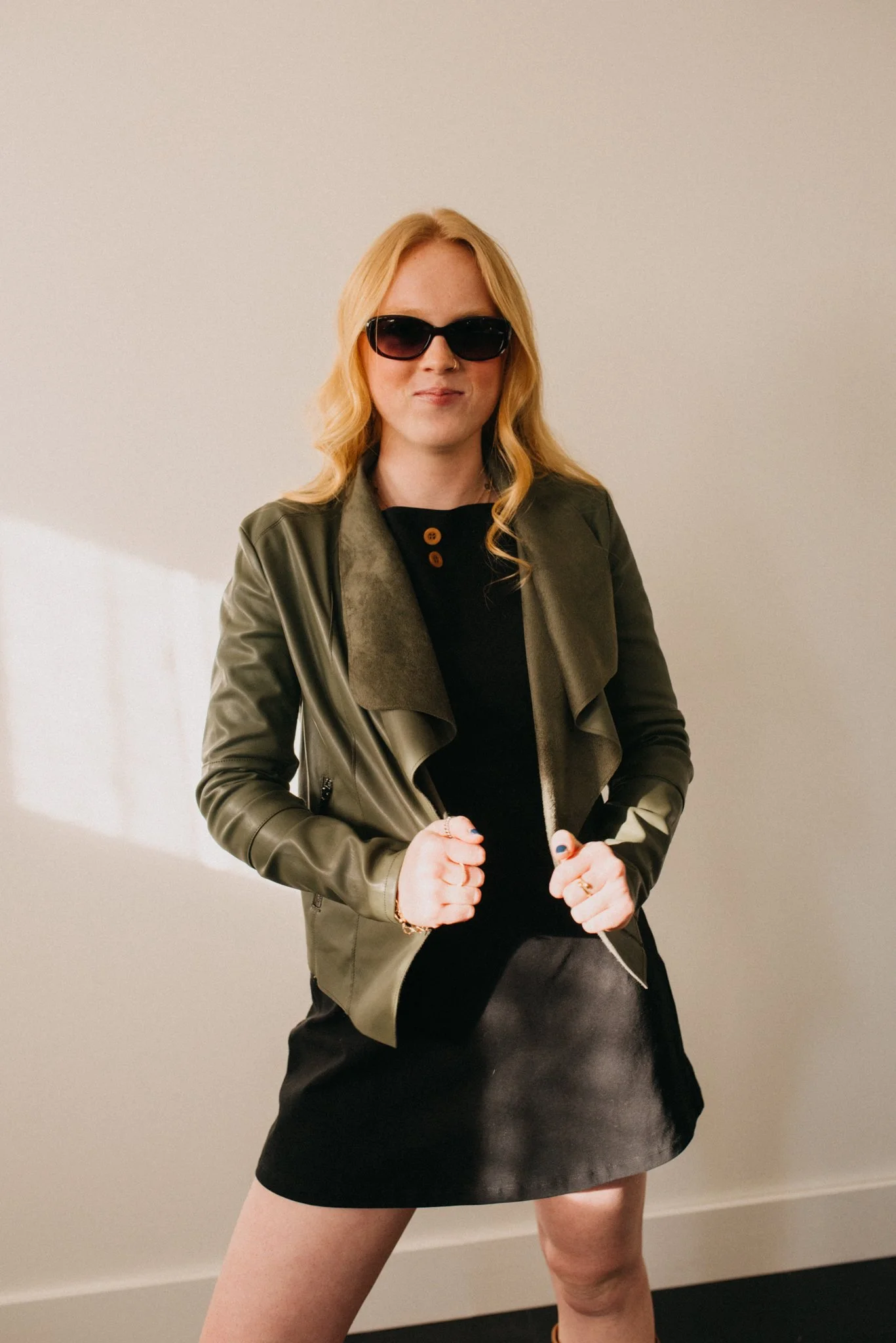
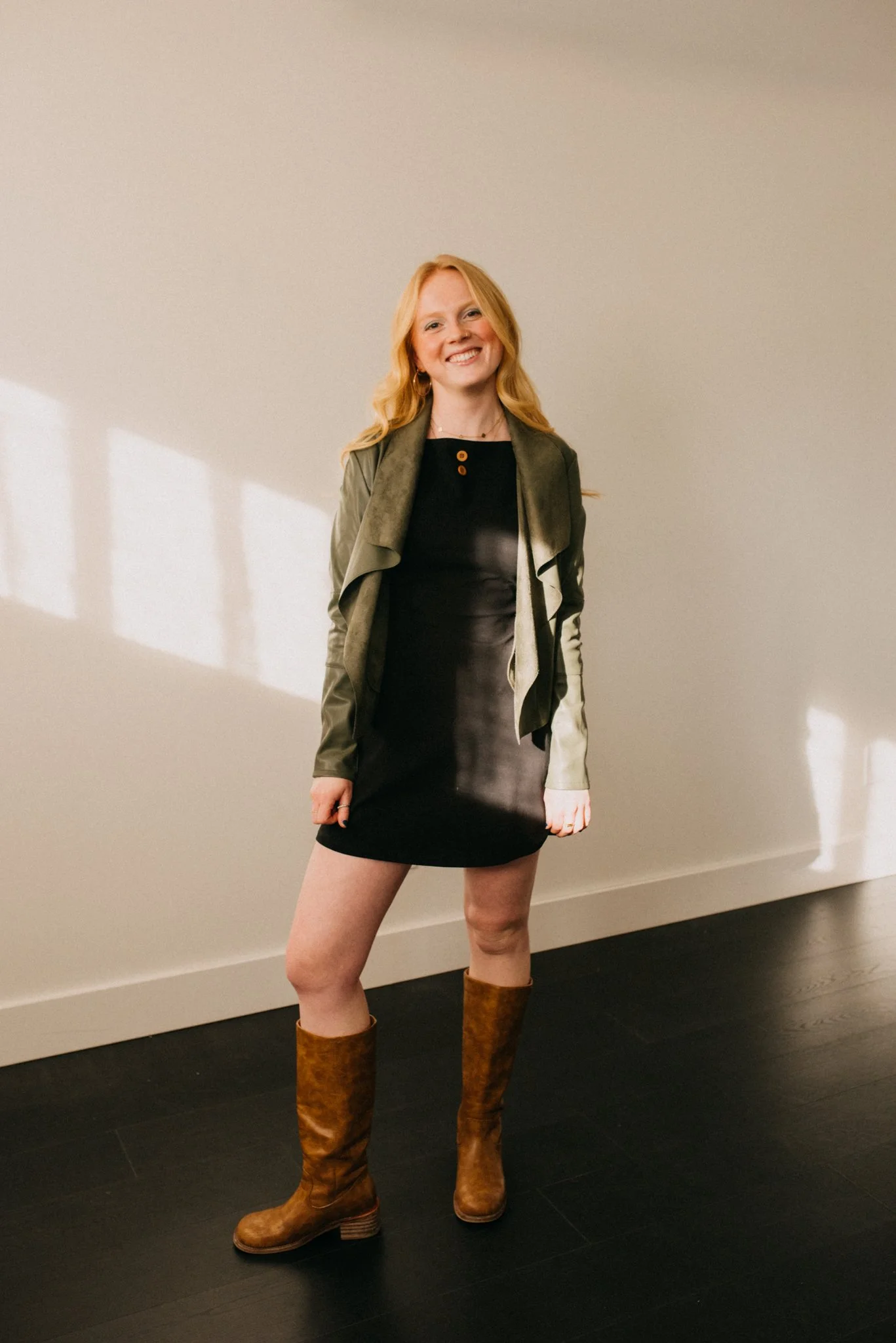
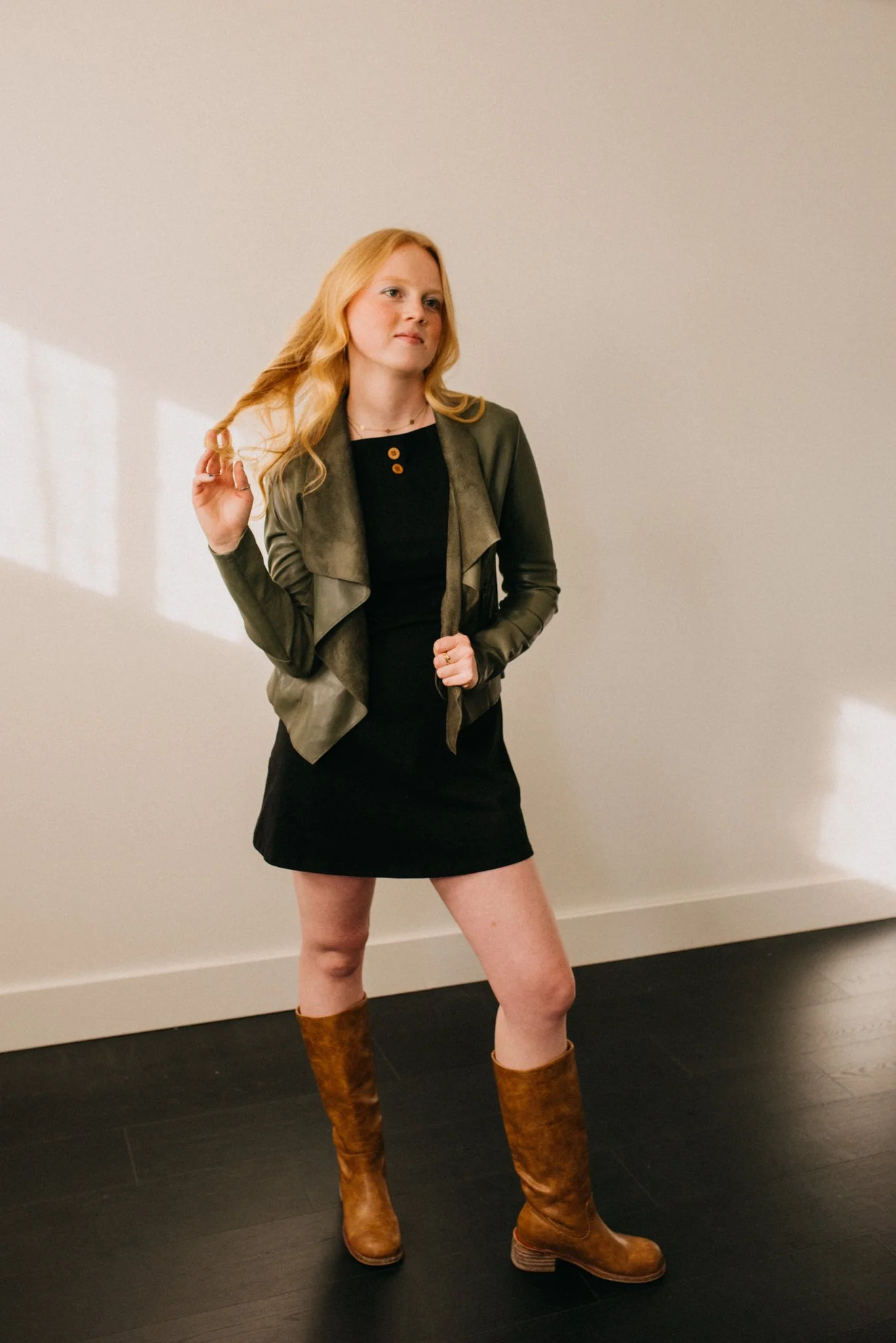
A personal stylist is not someone who simply picks out clothes.
A personal stylist is someone who studies the language of silhouette, proportion, fabric, color, and cultural reference — and then translates that language onto a real human body with a real life.
A personal stylist stands in the space between who you are now and how you want to be perceived.
They are part editor, part strategist, part psychologist, part historian of fashion.
They do not just ask, “What do you like?”
They ask, “What are you building?”
They ask, “How do you want to enter a room?”
They ask, “What story are your clothes currently telling — and is that story accurate?”
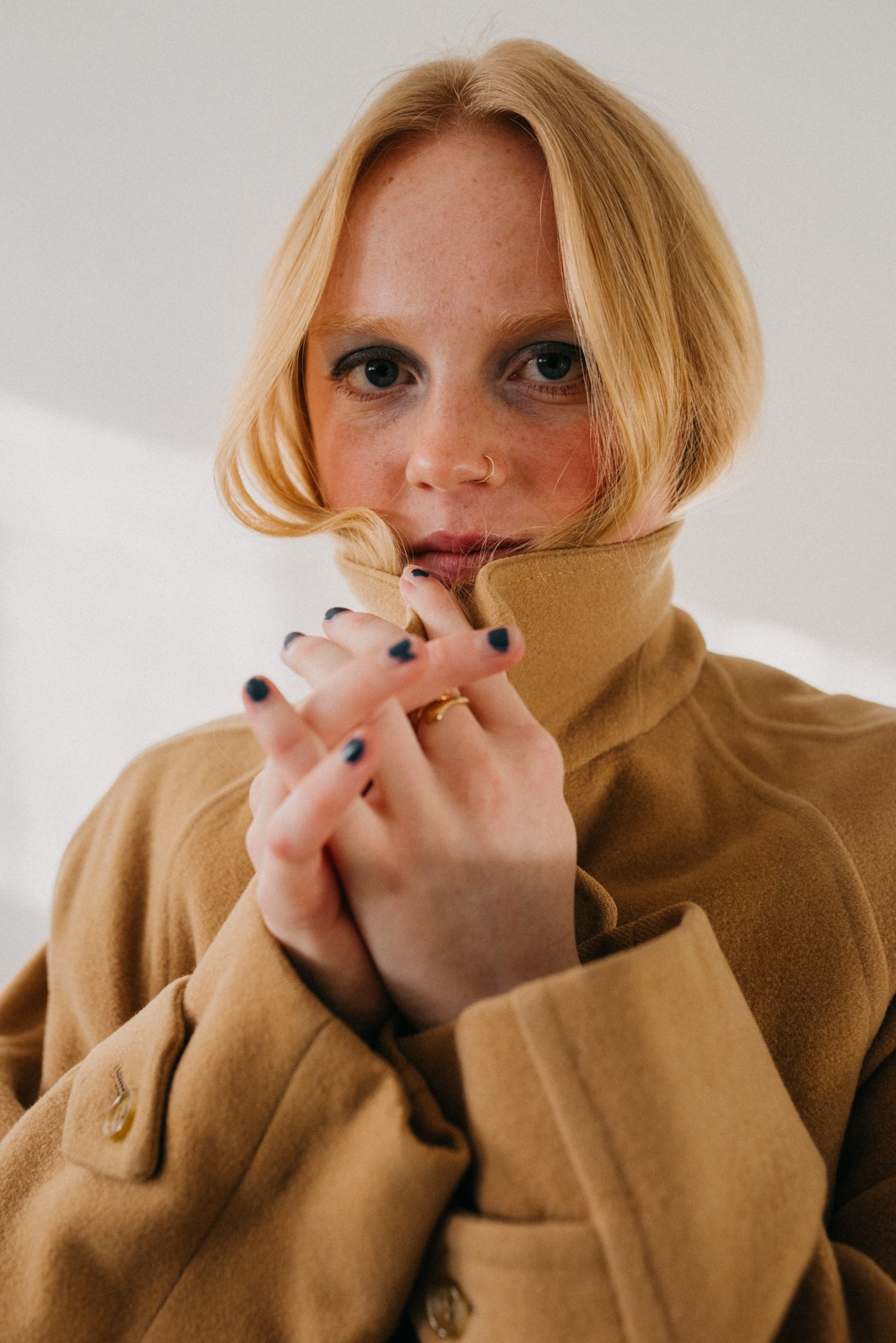
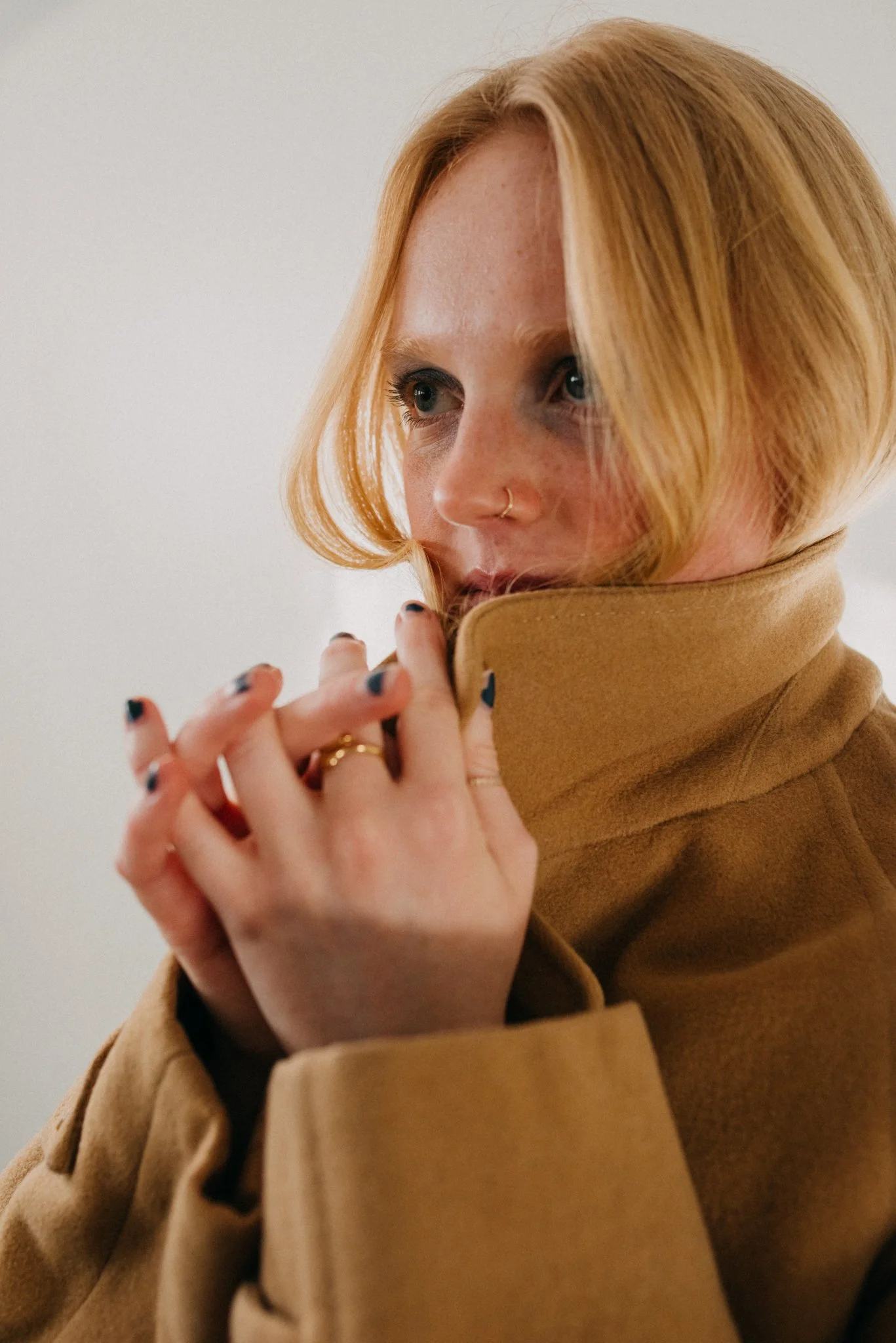


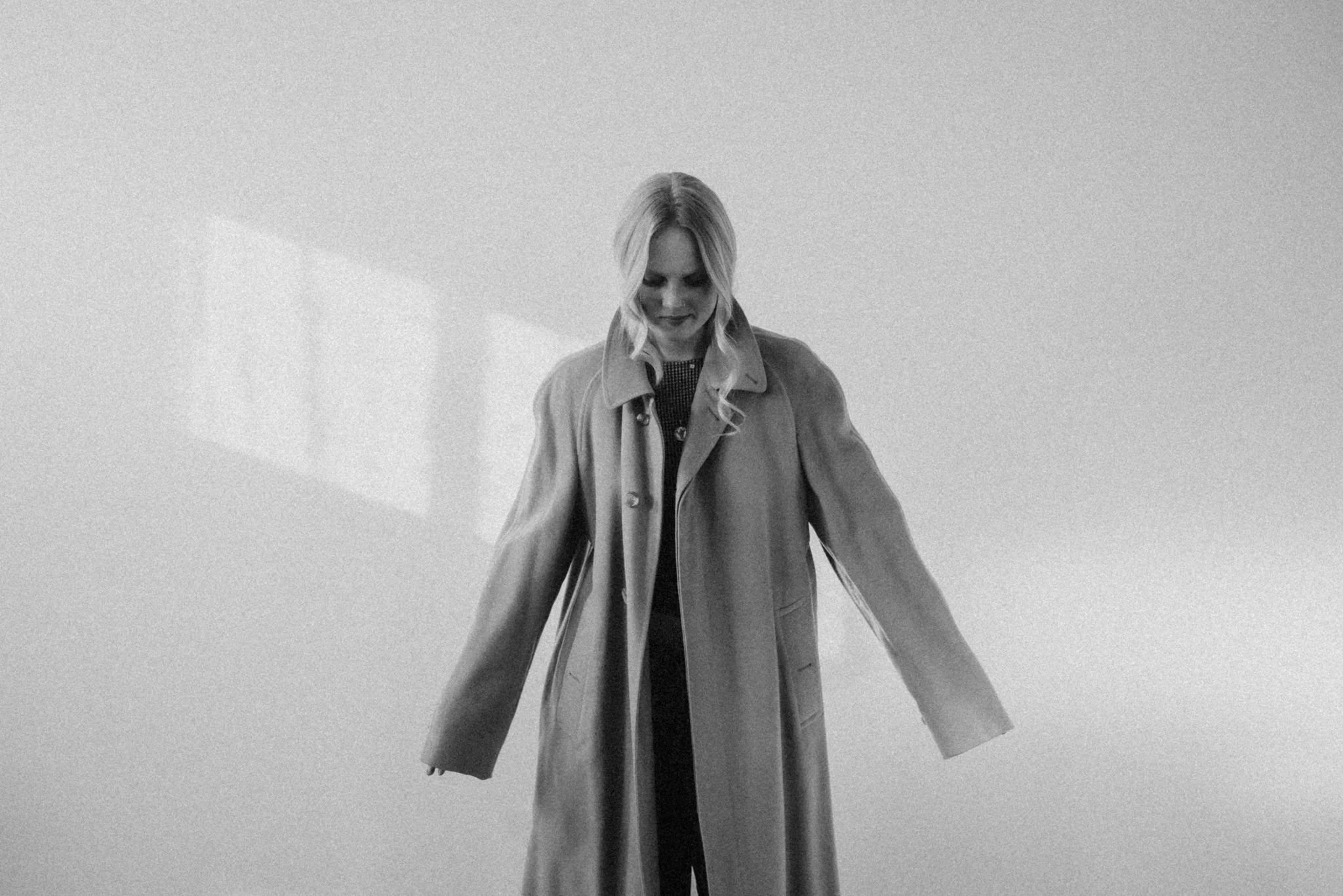
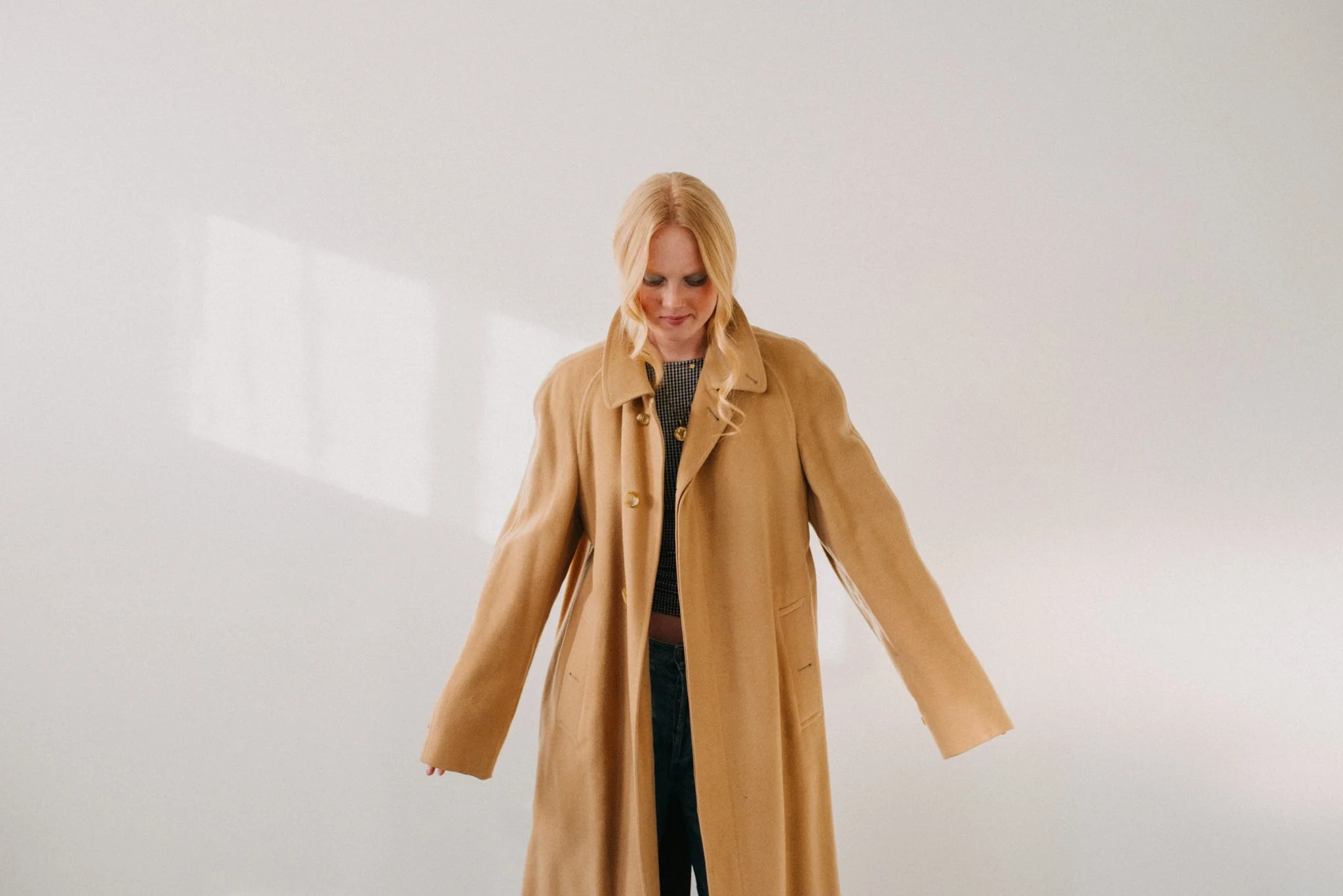

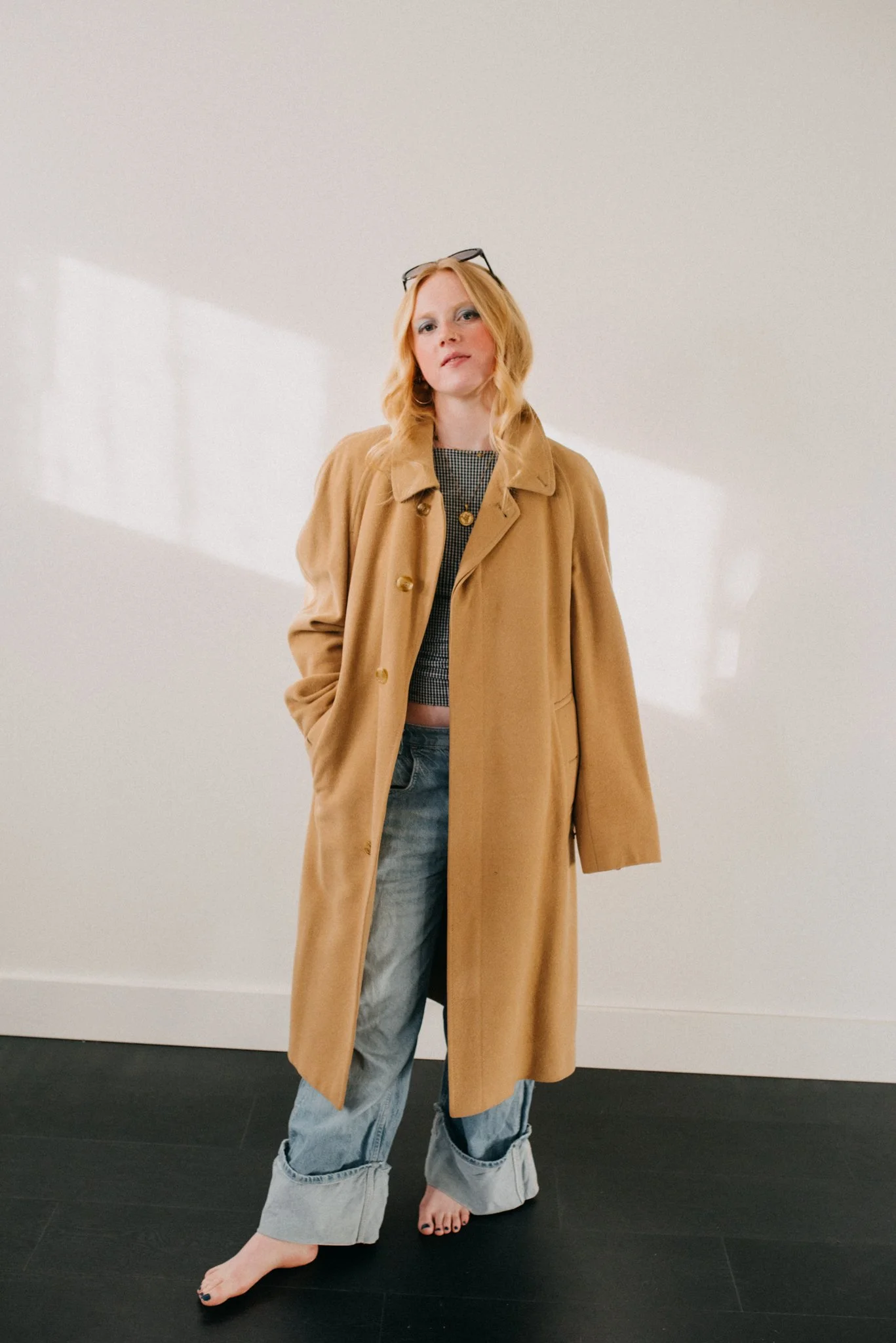
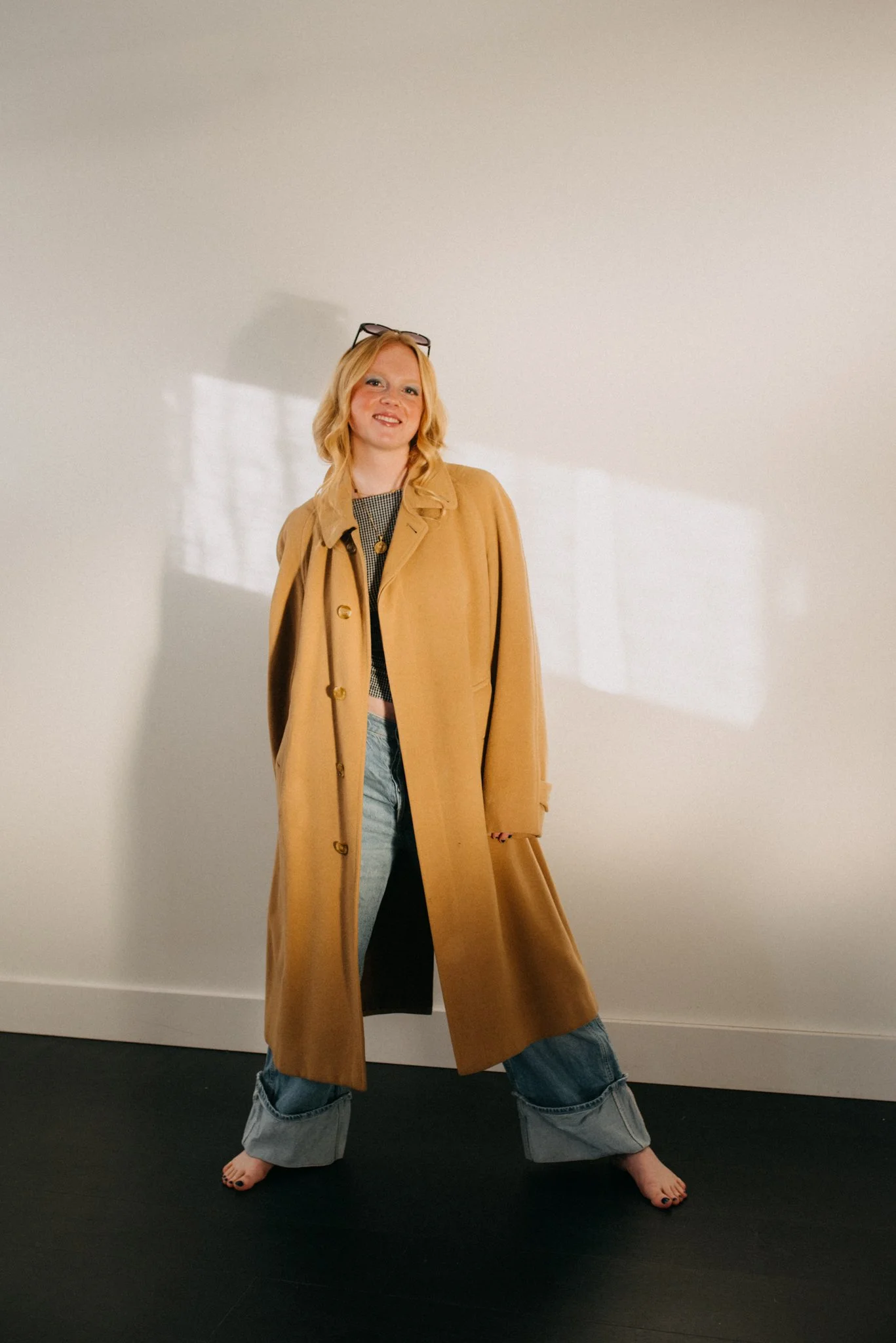
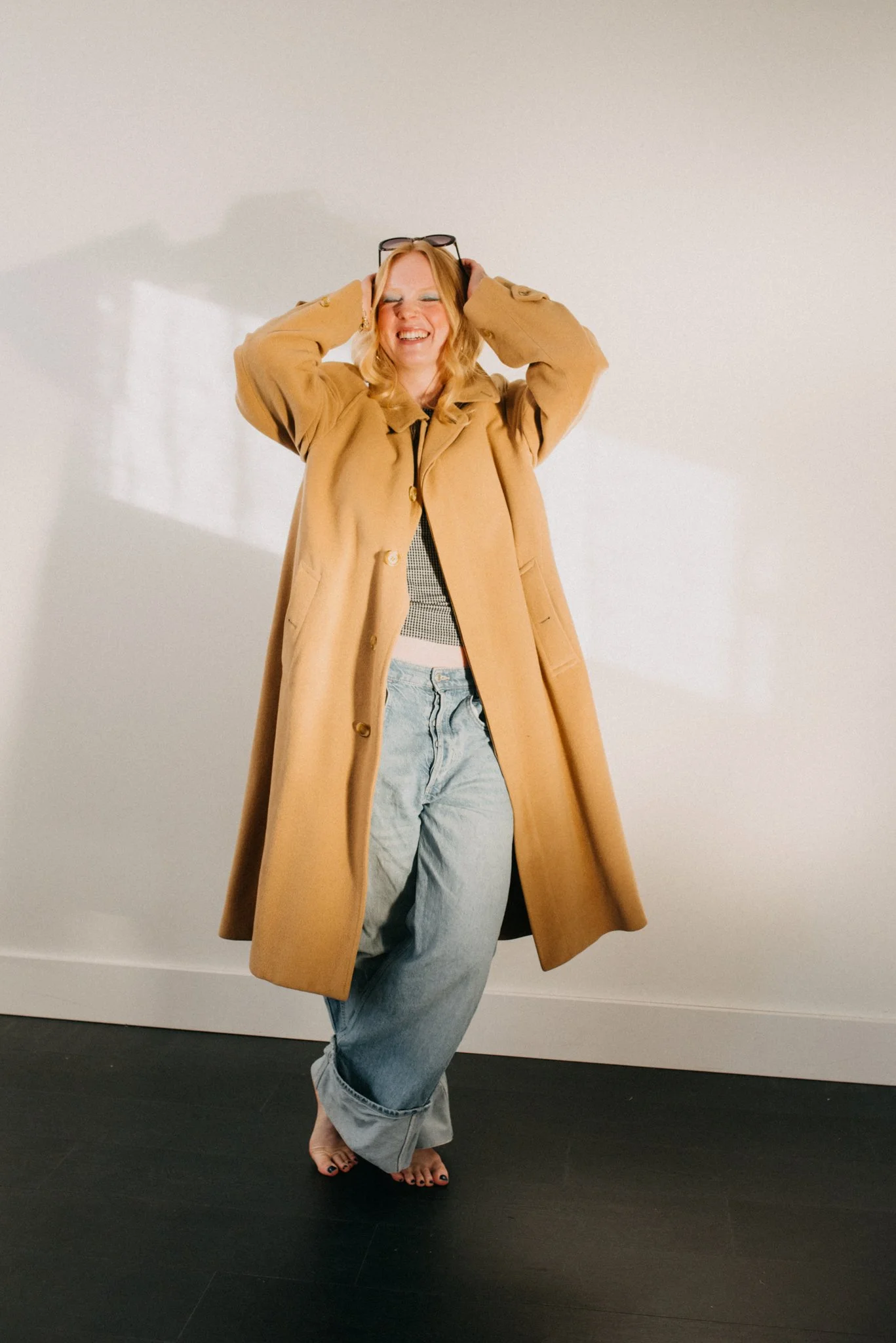
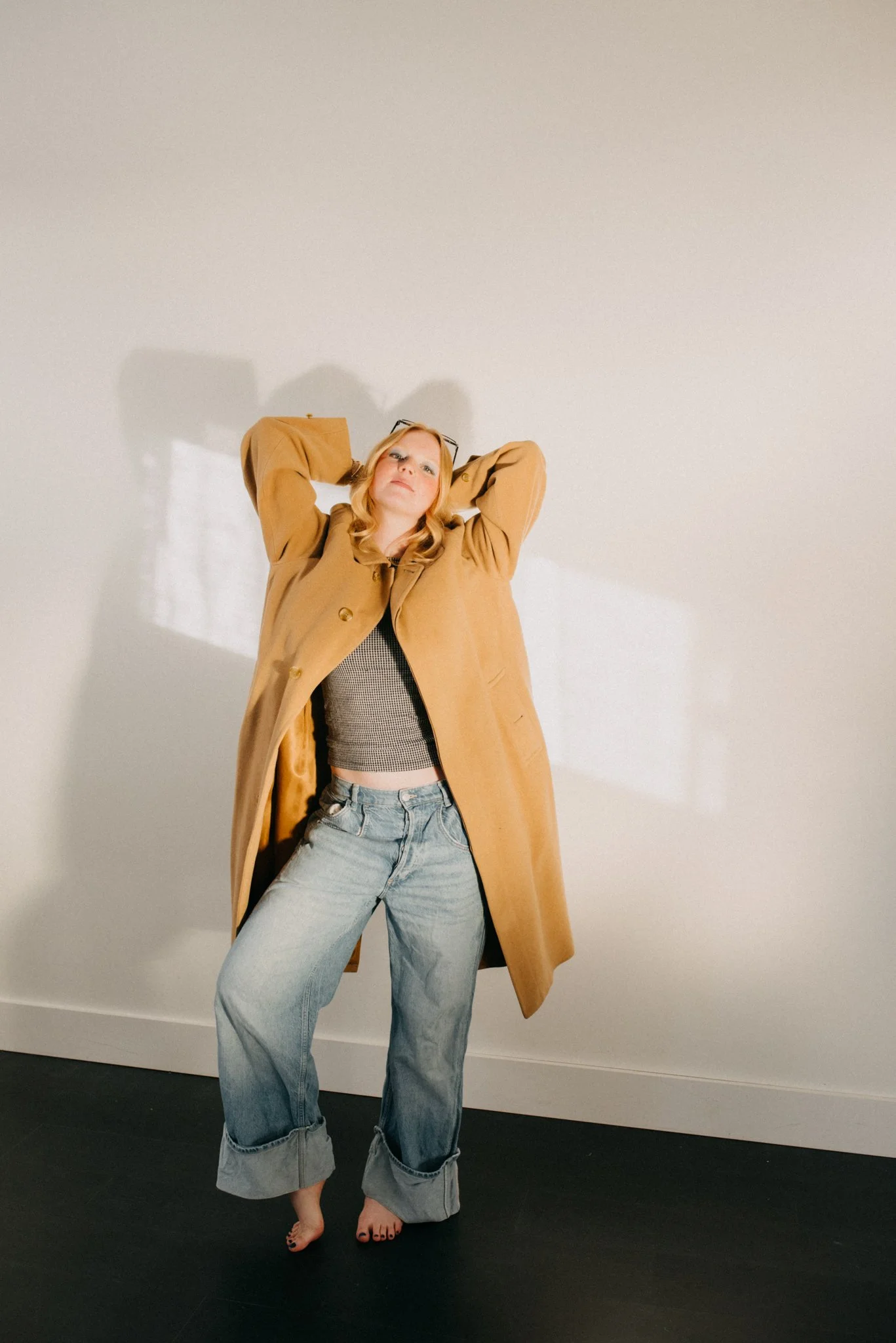

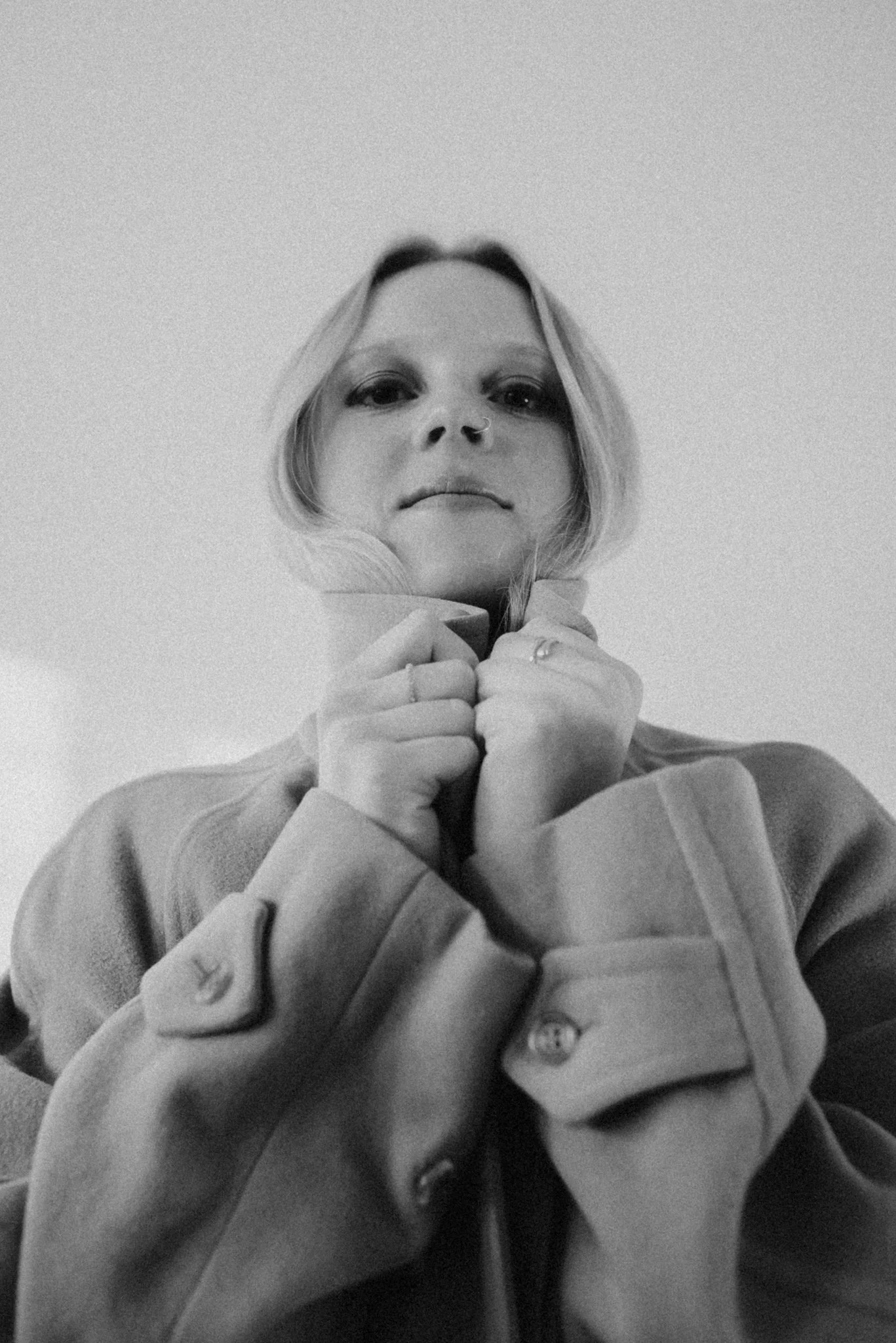
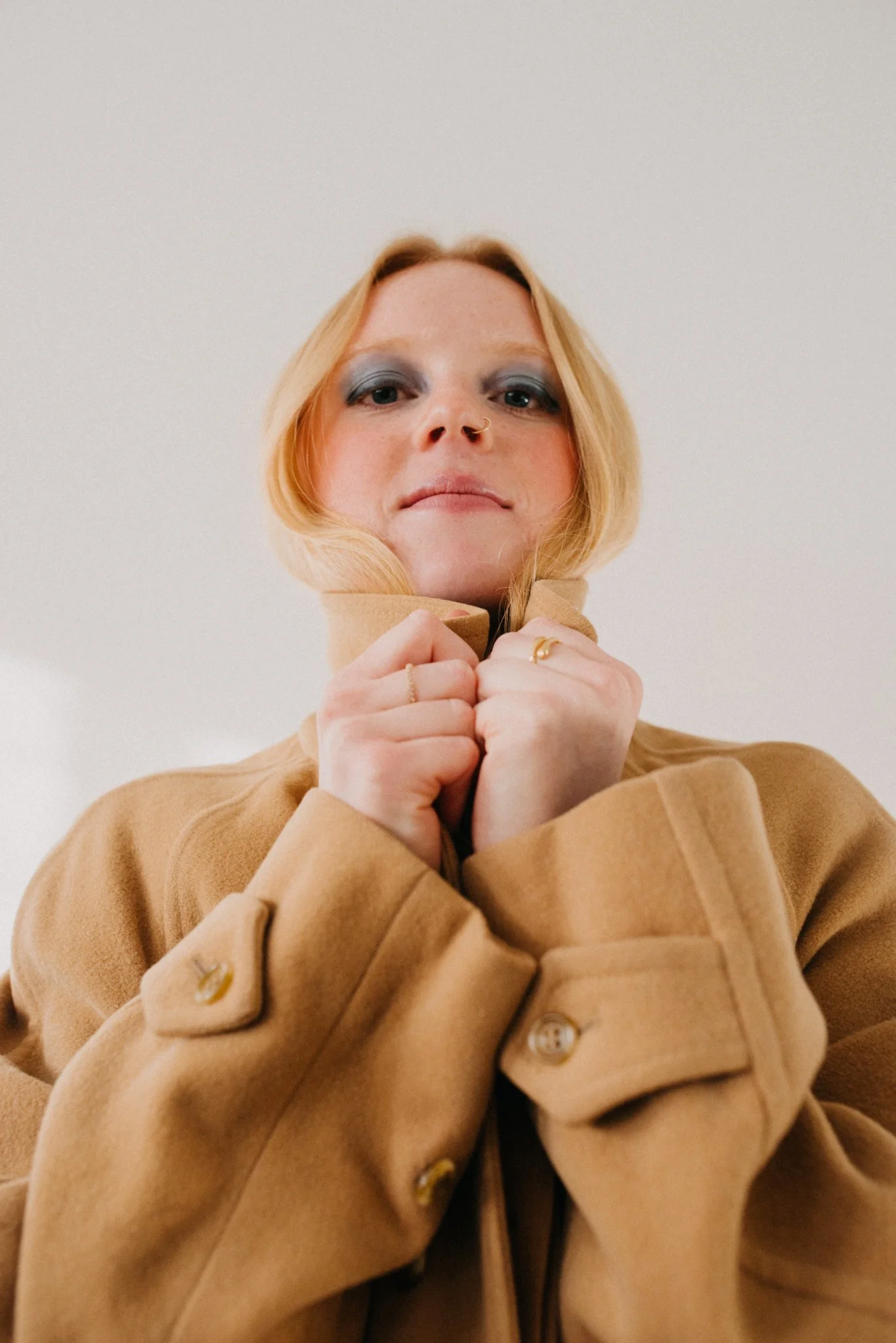
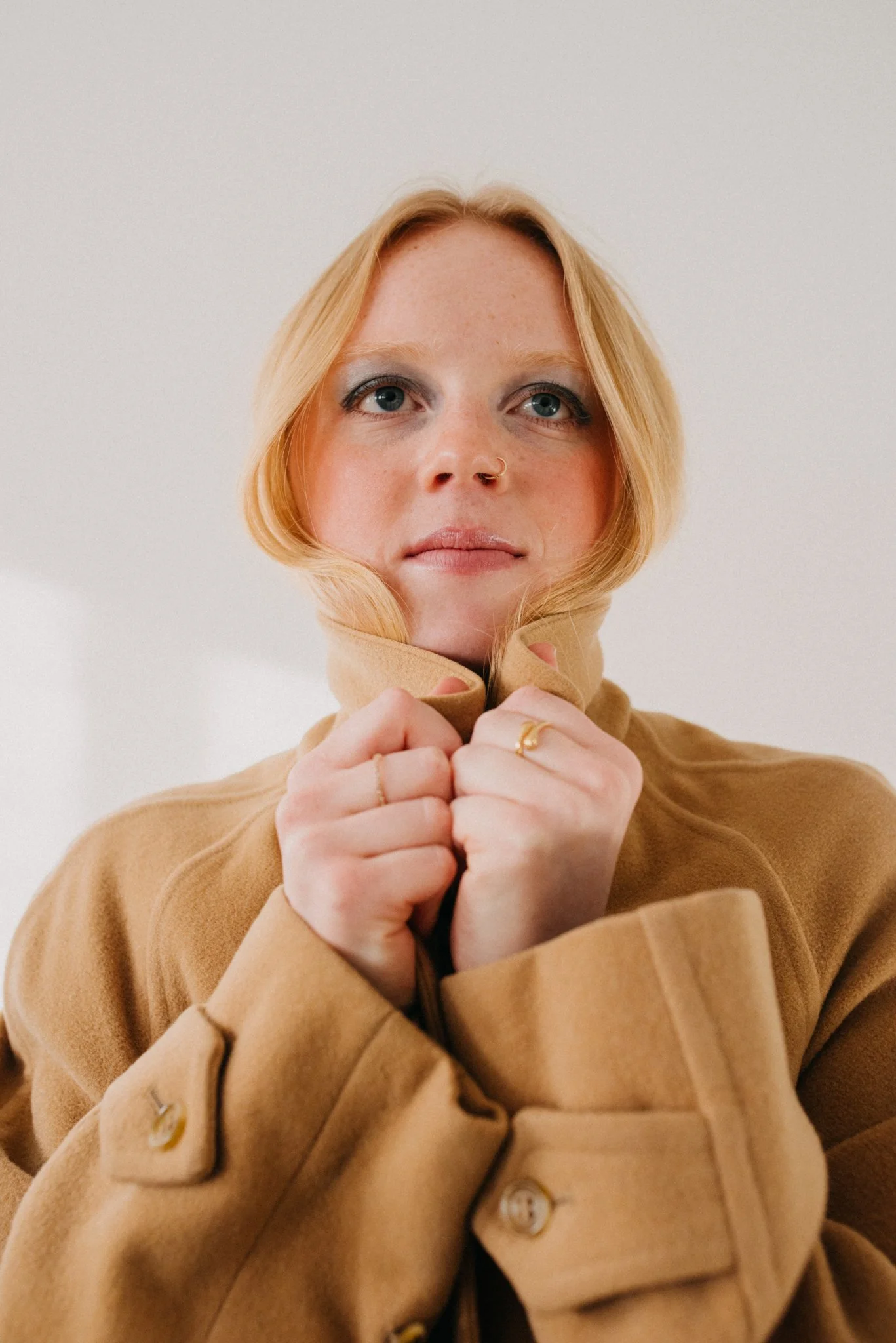
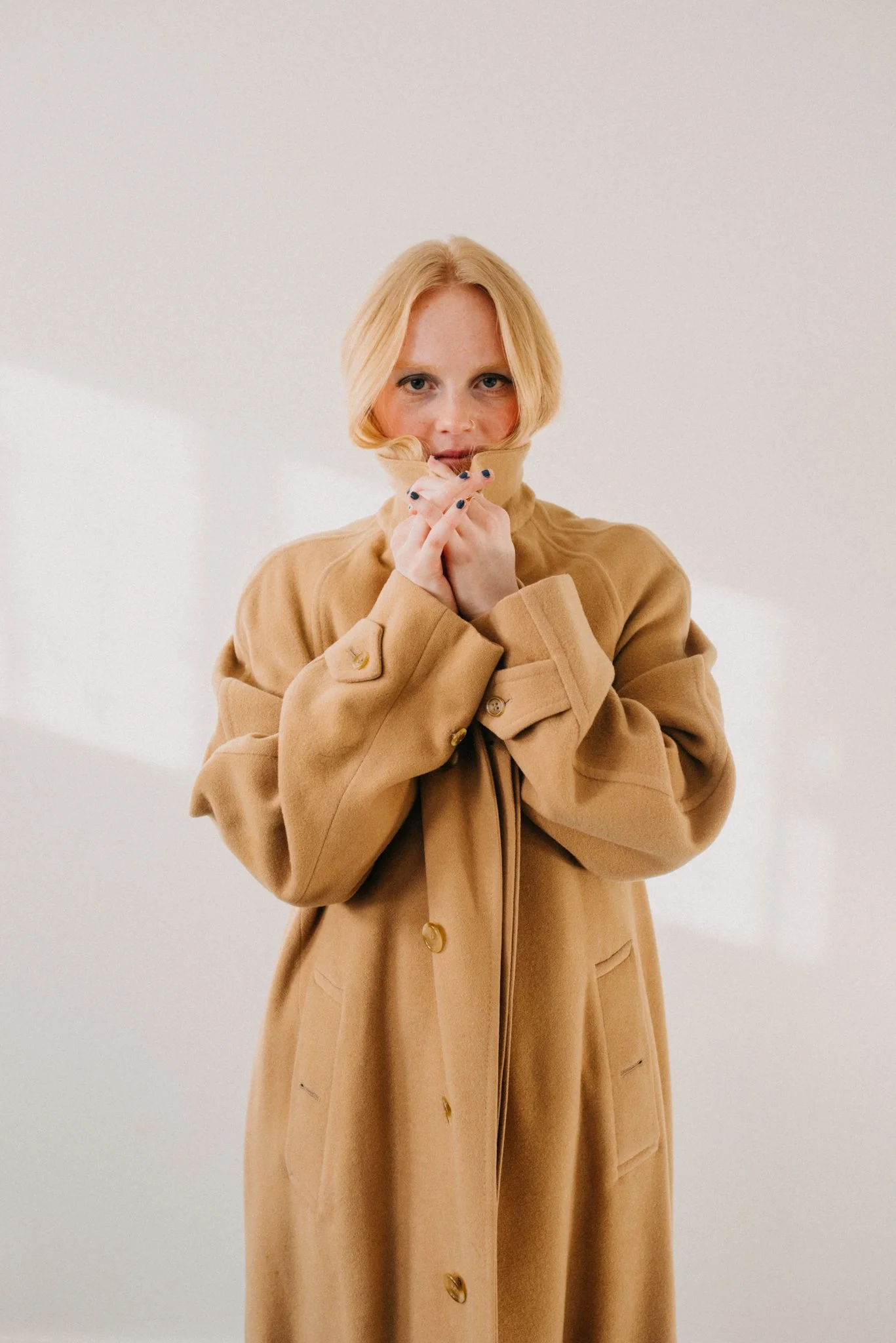
So What Is a Personal Stylist?
A personal stylist is often misunderstood because the surface of the profession looks deceptively simple. People imagine shopping bags, mirrors, quick opinions, and someone declaring what “works” and what does not. But that version is a caricature. The real work of a personal stylist lives beneath the fabric.
A personal stylist is a translator of identity.
Clothing is a language long before it is decoration. It signals class, aspiration, rebellion, belonging, profession, season of life, even emotional state. Most people participate in this language unconsciously. They wake, they reach, they assemble. A stylist slows that process down and makes it conscious. She studies proportion the way an architect studies load-bearing beams; she studies color the way a painter studies light, and she studies culture the way a sociologist studies behavior. Then, she applies all of it to every single unique body standing in front of her.
When someone hires a personal stylist, they are rarely just asking, “What should I wear?” What they are actually asking is far more layered. They are asking, “Why don’t I feel like myself in my own clothes?” “Why do I feel invisible in rooms I’ve worked hard to enter?” and “How do I look like the woman I am becoming, not the girl I used to be?”
A stylist works for you in that in-between space.
There is technical rigor involved. A trained stylist understands silhouette and how different cuts interact with different bodies. She understands how the drape of wool communicates something entirely different from the drape of silk. She sees how the rise of a trouser can elongate a frame or compress it. She knows that asymmetry introduces movement and intrigue, while symmetry communicates stability and control. These are not arbitrary observations; they are visual psychology at work.
But the deeper layer is emotional literacy.
Closets are archives. They hold former versions of ourselves. The blazer worn during an internship that never led anywhere. The dress bought for a wedding that marked the end of a relationship. The jeans from a size we are still negotiating with in the mirror. A stylist does not simply discard these pieces. She decodes them. She helps her client understand why certain garments linger and why others remain unworn. She creates clarity where there has been quiet confusion.
In high-fashion cities like New York, the pace of visual culture is relentless. Trends rotate quickly. Aesthetic tribes form and dissolve. Young women in graduate programs or early creative careers often feel pressure to signal intelligence, individuality, and relevance simultaneously. It is exhausting to curate yourself in that environment without guidance. A personal stylist offers discernment. She does not chase trends; she filters them. She helps her client understand which silhouettes align with her natural posture, which textures resonate with her personality, which references feel authentic.
A stylist is also deeply aware of context. What does your wardrobe communicate in Maine versus Manhattan? What does it say in a gallery opening versus a corporate boardroom? What does it whisper in a café where you are meeting someone new? Clothing is relational. It interacts with space and audience. A stylist anticipates those interactions and prepares her client accordingly.
There is strategy here. A woman who feels aligned in her clothing negotiates differently. She walks differently. She makes eye contact without shrinking. She photographs differently. Presence shifts when self-consciousness quiets. This is why styling intersects with branding, career growth, and personal reinvention. It is not superficial. It is structural.
And perhaps most importantly, a personal stylist restores agency.
In a world saturated with algorithmic influence telling women what to buy, how to dress, what to discard, a stylist re-centers the individual. She asks better questions. What do you reach for instinctively? What silhouettes make you stand taller? What references have followed you since adolescence? She builds from there, rather than imposing an external template. The result is not a costume. It is coherence.
When done well, personal styling does not make a woman look like someone else. It makes her look unmistakably herself, but clarified. As though someone adjusted the focus ring and the image sharpened.
So, what is a personal stylist?
She is part visual strategist, part cultural interpreter, part emotional editor. She works with fabric, yes. But she is really working with perception, transition, and identity under construction.
She does not sell clothing, she builds alignment between who you are internally and how you are read externally. When achieved, clothing feels less like fashion and more like relief.
www.RebeccaPinkham.com
Rebecca Pinkham is a wife, photographer, advocate, writer, and strategist, living dually in central and coastal Maine.