Your Retail Store Is More Than the Products on Its Shelves

Professional retail photography designed to capture the atmosphere, merchandise, people, details, and experience that make customers want to walk through the door
Your Retail Store Is More Than the Products on Its Shelves
Professional retail photography designed to capture the atmosphere, merchandise, people, details, and experience that make customers want to walk through the door
A customer can discover a retail store without ever standing in front of it.
They may encounter the business through Google, Instagram, a tourism guide, a magazine article, a local recommendation, an advertisement, a hotel concierge, a shopping directory, or a search made from the passenger seat while visiting Maine for the weekend. Within seconds, they are looking at photographs and deciding whether this is somewhere worth visiting.
That makes retail photography considerably more important than simply having a few attractive pictures of the merchandise.
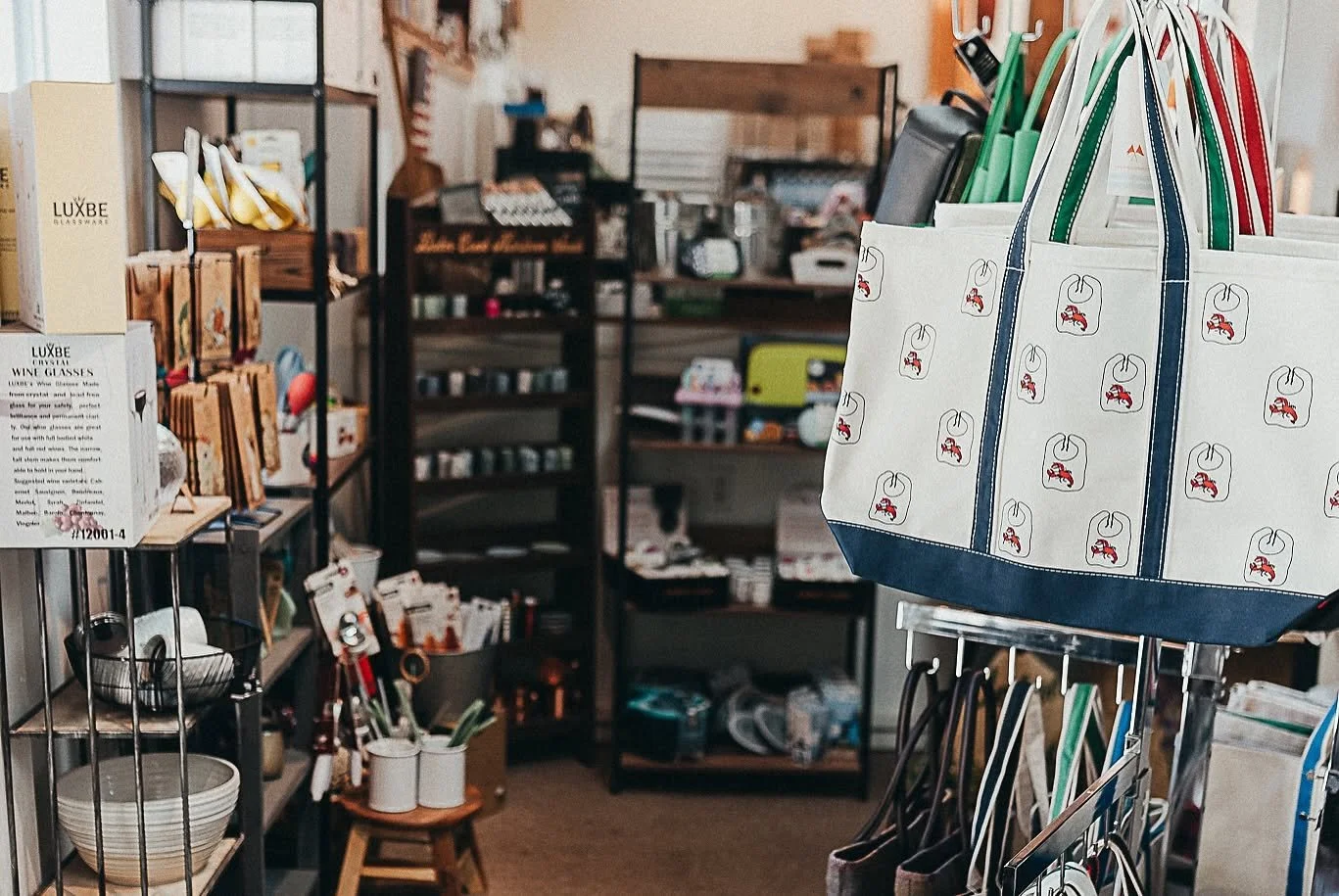
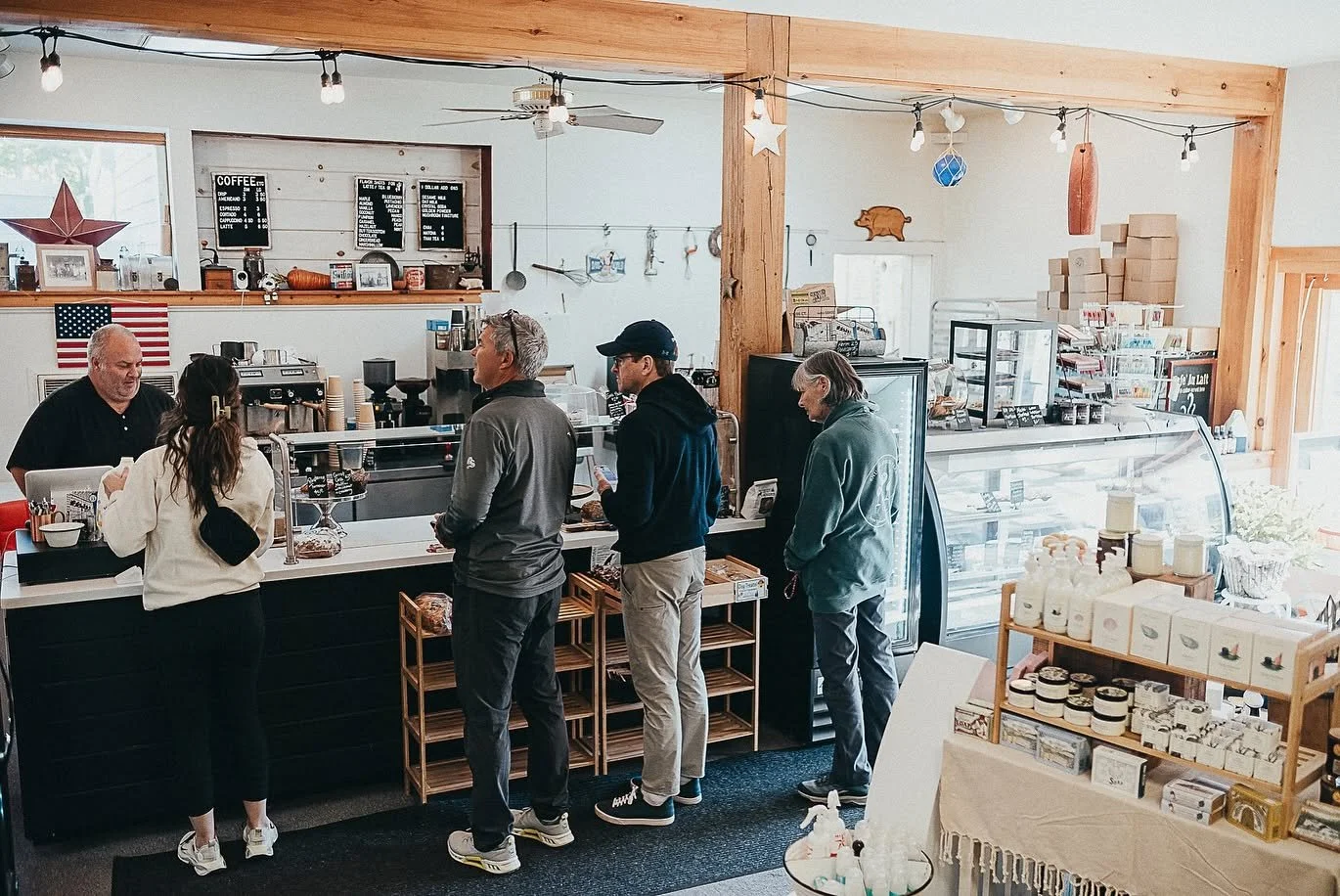
A successful store has an atmosphere. Someone chose the fixtures, lighting, displays, packaging, signage, music, colors, materials, merchandise, window displays, and even the way a customer moves through the space. All of those decisions contribute to the experience of shopping there, yet many businesses invest extensively in creating that experience and then represent it online with a handful of cellphone photographs.
I am Rebecca Pinkham Stevenson, founder and Creative Director of The Beaux & Arrows Collective, and my approach to retail photography is designed to capture the complete visual identity of a store so that the photographs communicate not only what you sell, but why someone should want to come inside.
What should professional retail photography actually show?
The obvious answer is your products, but that is only one part of the story.
A strong retail gallery should establish the space, introduce the people behind it, show the merchandise beautifully, preserve important details, demonstrate scale, reveal the shopping experience, and give prospective customers enough visual information to imagine themselves there.
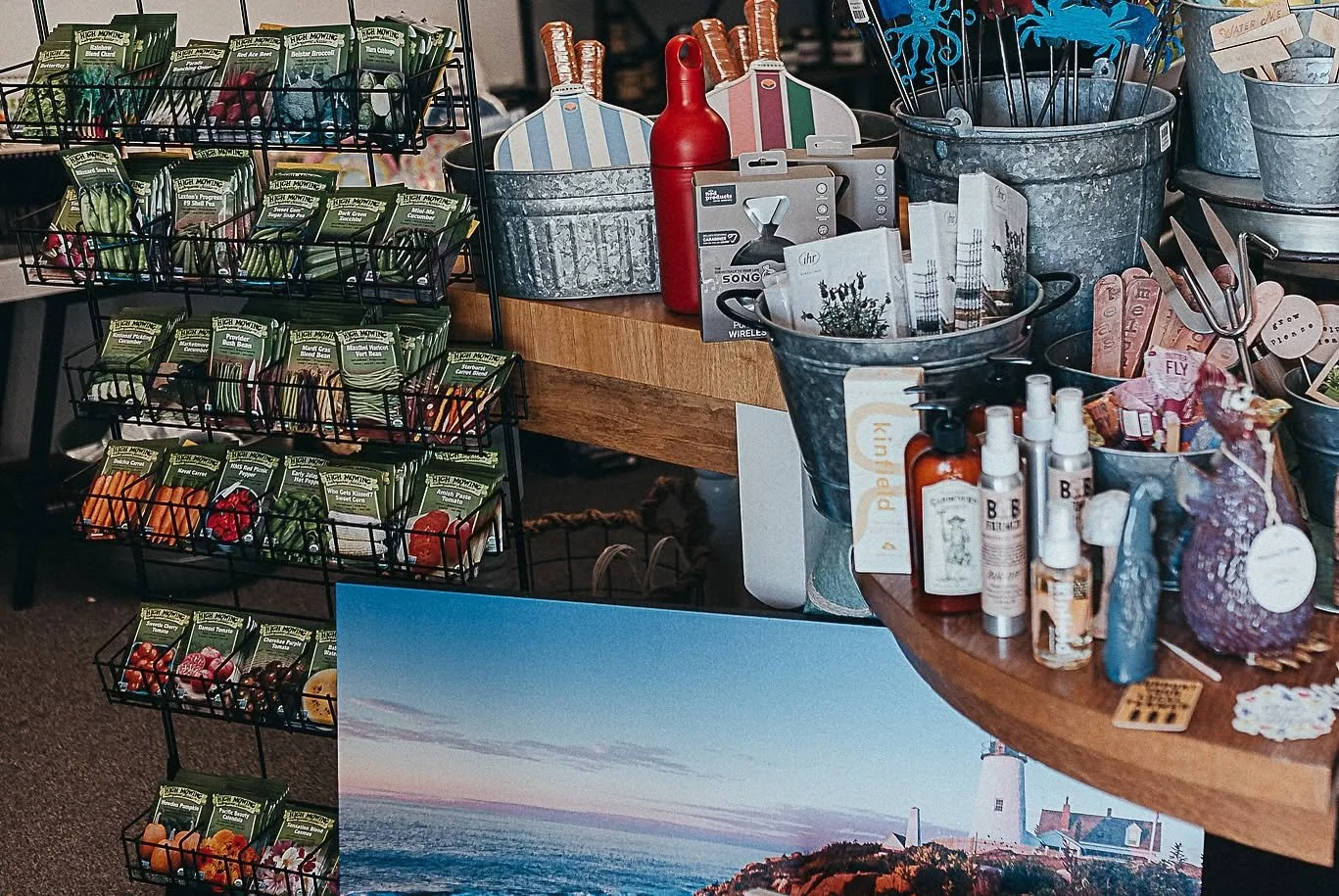
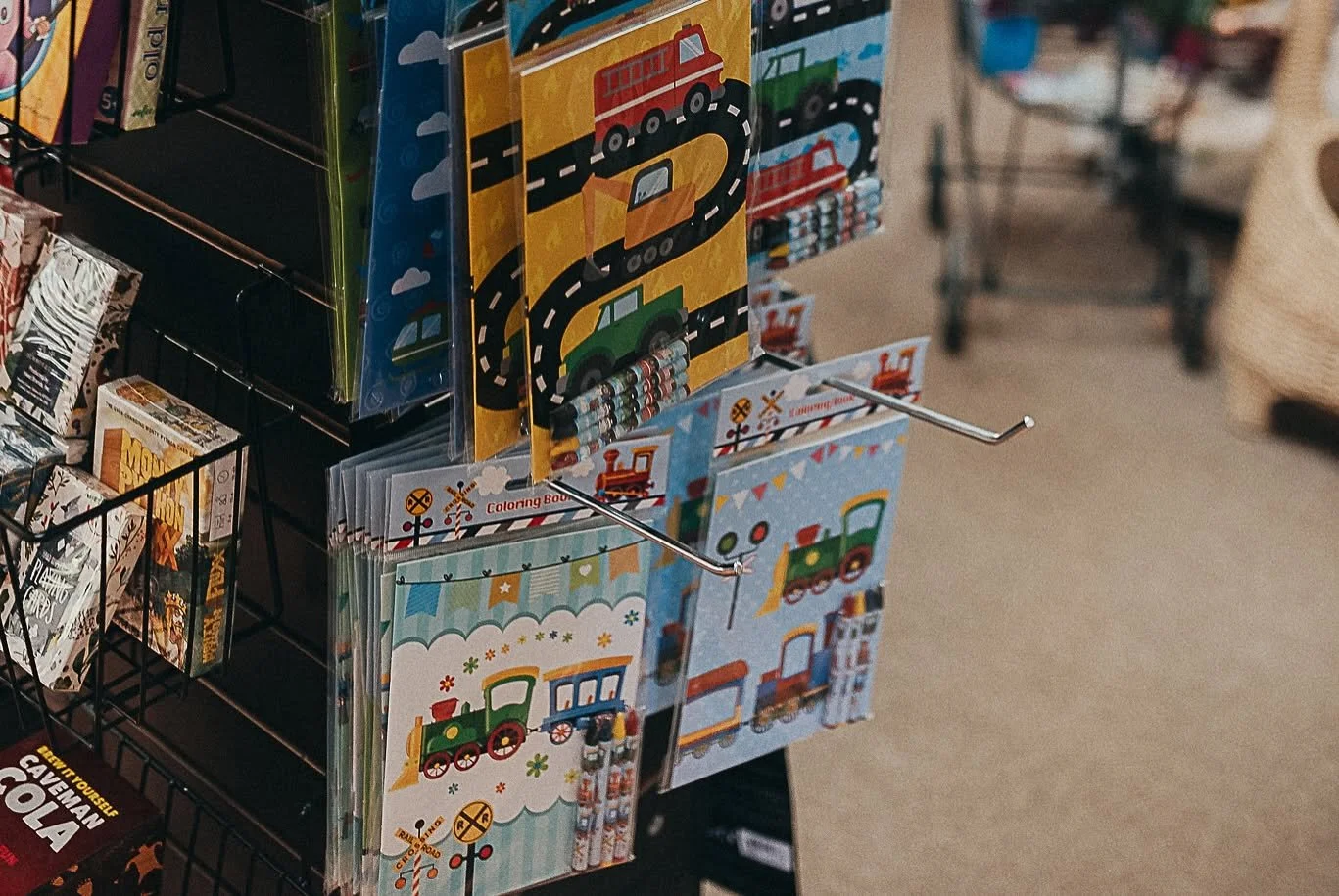
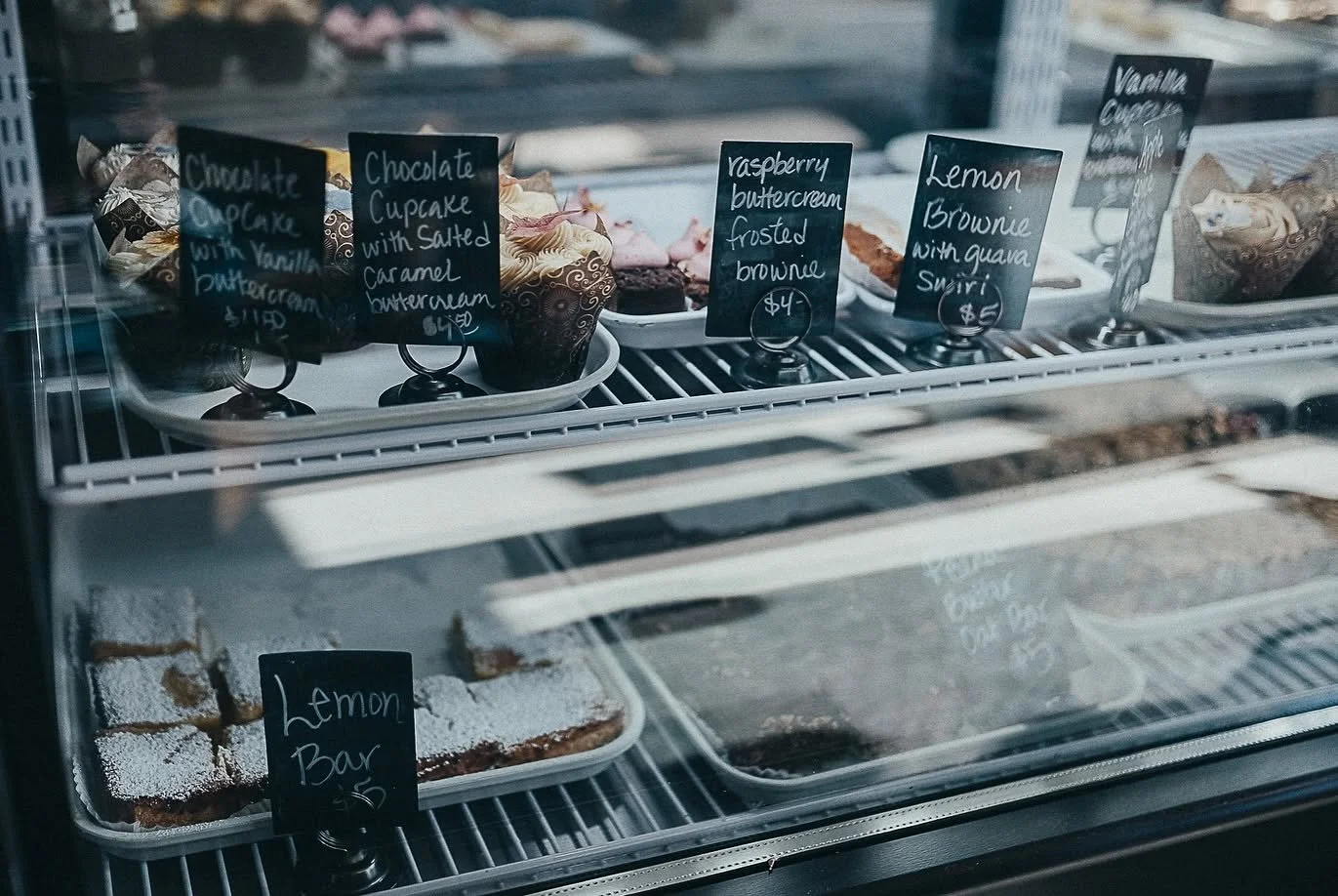
That means photographing the storefront and entrance, wider views of the interior, thoughtfully composed displays, individual products, shelves and merchandising, architectural details, signage, packaging, employees, customer interactions when appropriate, seasonal displays, and the small visual moments that collectively create the personality of the business.
When those photographs are viewed together, someone should begin to understand the store before ever visiting it.
Why photograph the storefront?
Because finding the business is part of the customer experience.
A beautiful exterior photograph immediately helps someone recognize the building when they arrive, while also communicating the character of the store from the street. For businesses in historic downtowns, coastal villages, shopping districts, renovated barns, old mills, and distinctive commercial buildings, the architecture itself may be an important part of the brand.
I pay attention to signage, windows, landscaping, seasonal planters, reflections, parked vehicles, neighboring distractions, pedestrian traffic, and the direction of the light because all of those things can substantially affect how established and inviting a storefront appears.
Sometimes photographing the exterior at a particular hour makes an enormous difference, particularly when window light, exterior lighting, foliage, flowers, snow, or holiday decorations are part of the experience.
How do you photograph a store without making it look empty or cluttered?
That balance is one of the most important parts of retail photography.
An empty store can appear sterile and strangely lifeless, while a crowded photograph can make even a beautifully merchandised space feel visually chaotic. The objective is to preserve the richness of the retail environment while creating enough structure that the viewer understands where to look.
That may mean making small adjustments before photographing a display, temporarily removing visual distractions, straightening merchandise, refining spacing, repositioning a sign, turning labels toward the camera, or choosing an angle that reveals the depth of the space without showing everything simultaneously.
The store should still look like your store when I am finished.
It should simply look like your store on an exceptionally good day.
Should the owner and employees be photographed too?
For many independent retailers, absolutely.
People frequently choose local and independently owned businesses precisely because there are real people behind them. Photographing the owner, buyer, maker, manager, or employees gives customers a recognizable point of connection and creates imagery that can be used for About pages, press features, social media, newsletters, staff introductions, anniversary announcements, and community stories.
Those photographs do not all need to be conventional headshots.
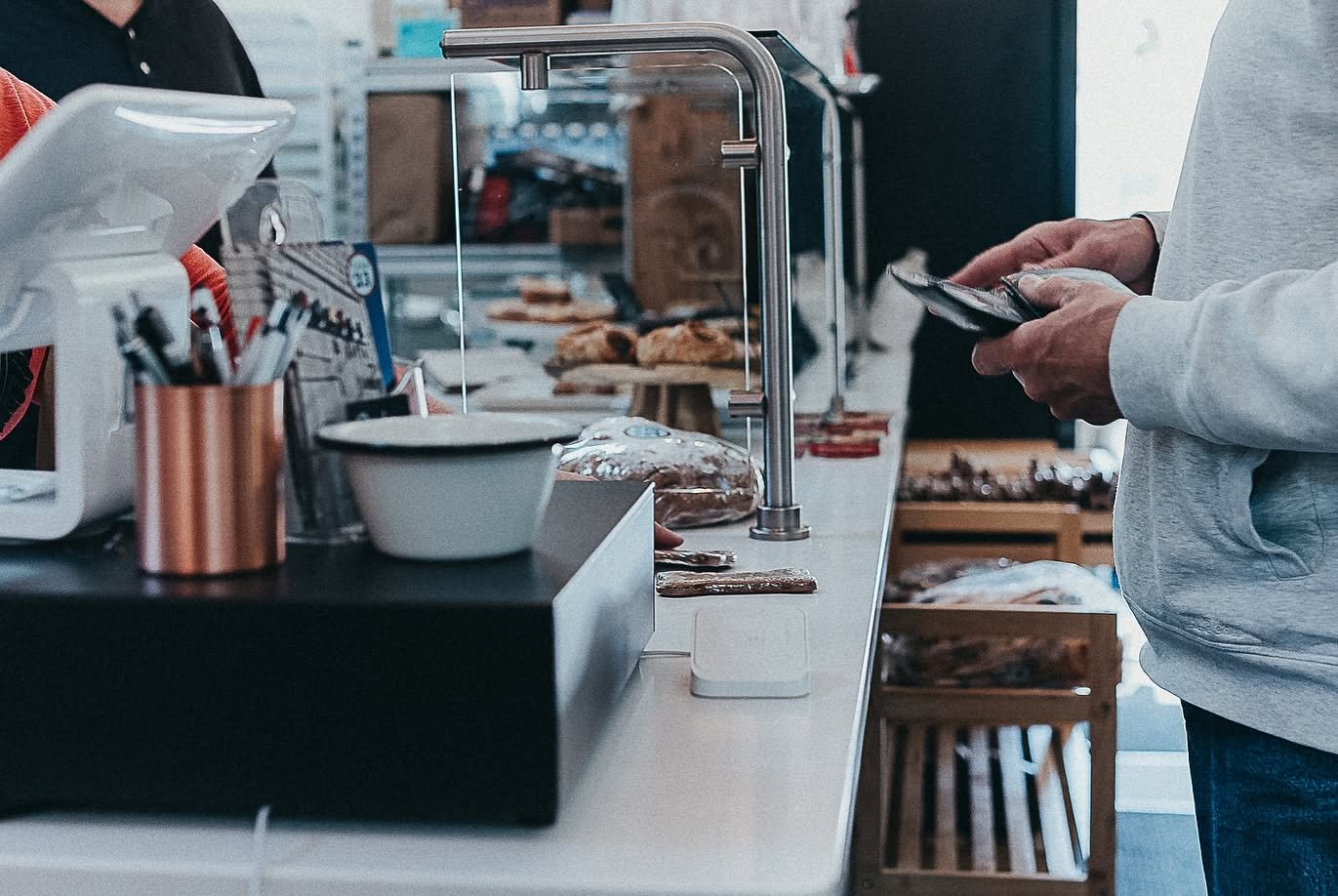
An owner adjusting a display, arranging flowers, unpacking new merchandise, helping a customer, wrapping a purchase, standing outside the storefront, or simply moving naturally through the space can communicate considerably more about the business.
The person who created the store is often one of its most compelling stories.
What about photographing the merchandise?
Products should be photographed in a way that supports how the business actually sells them.
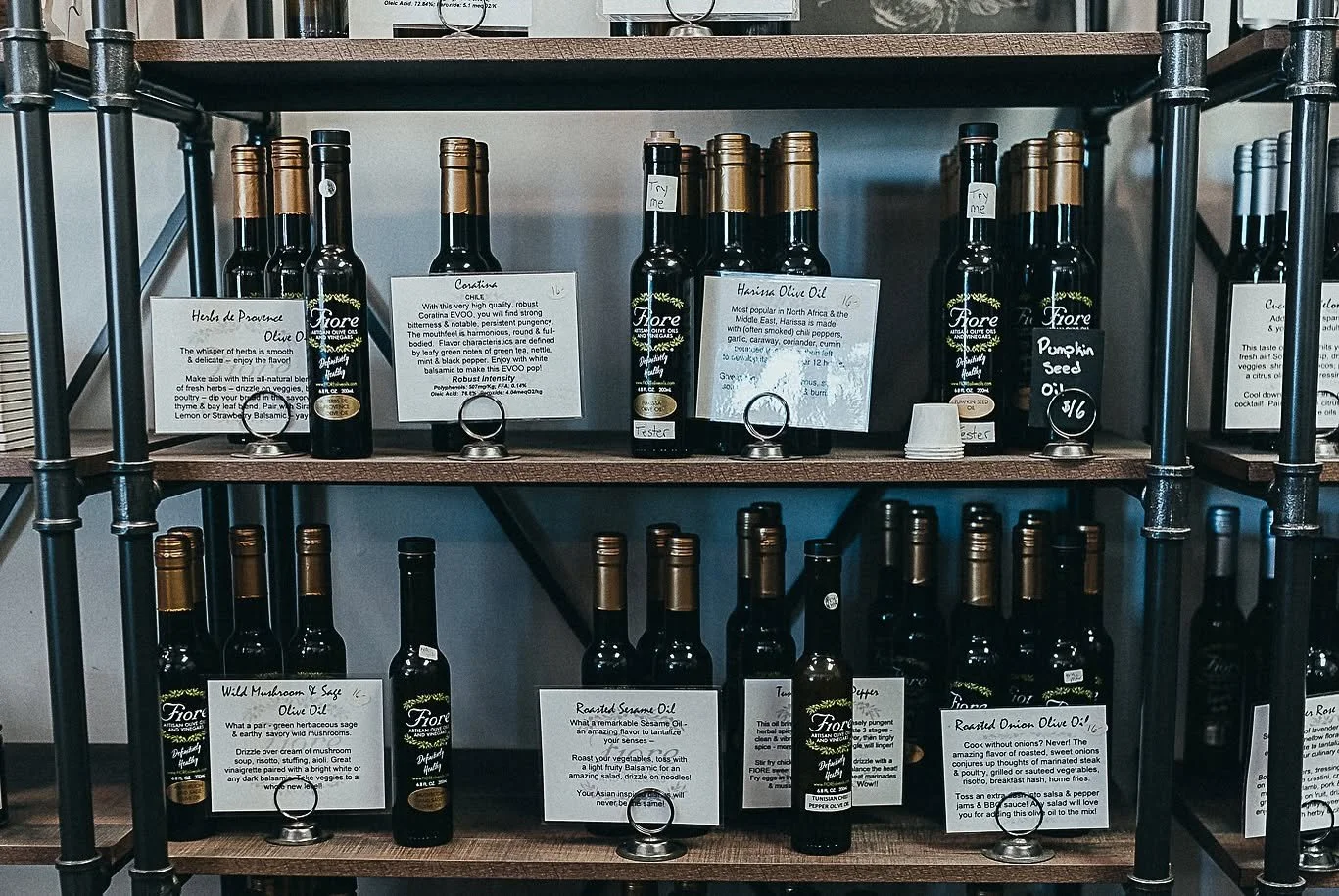
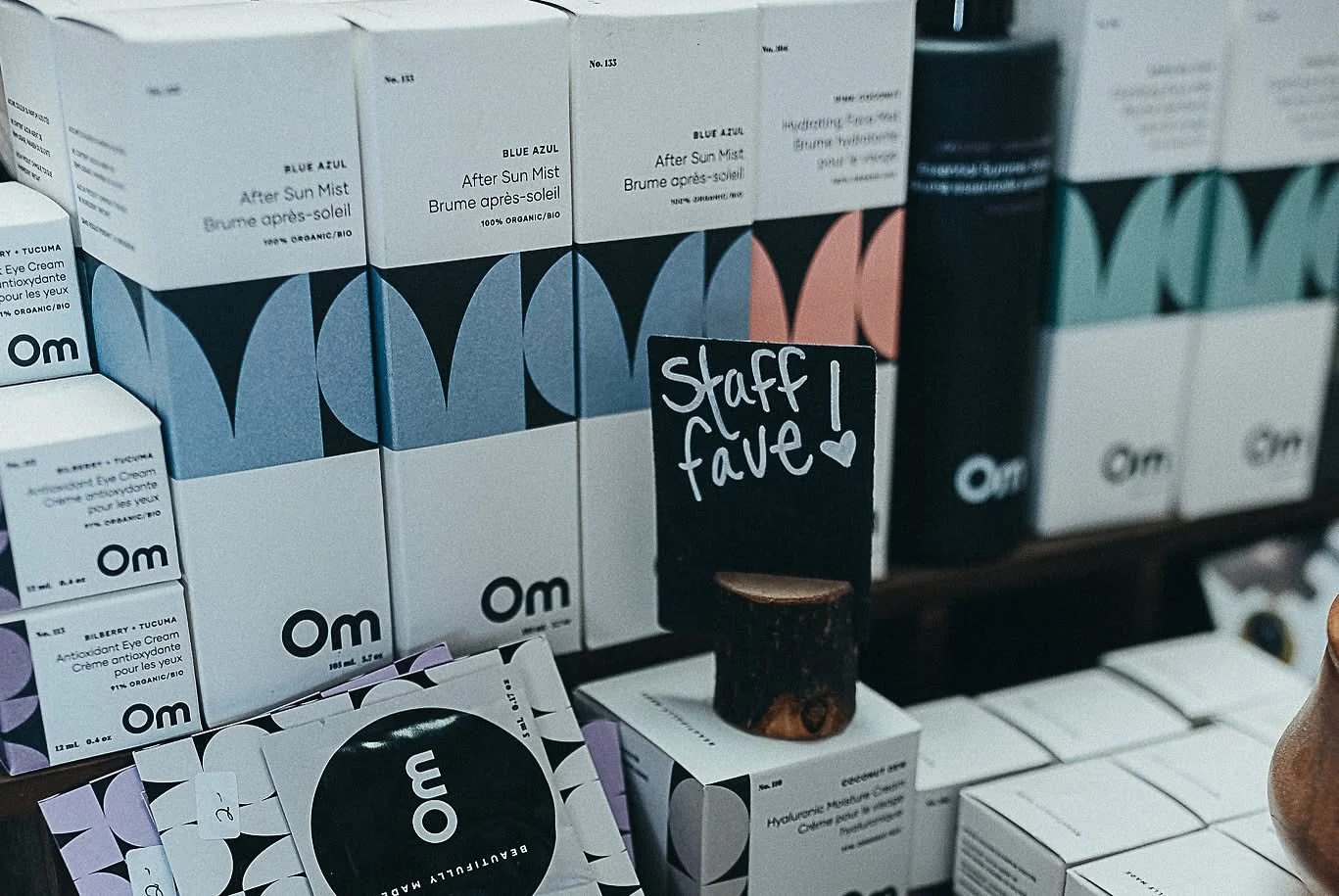
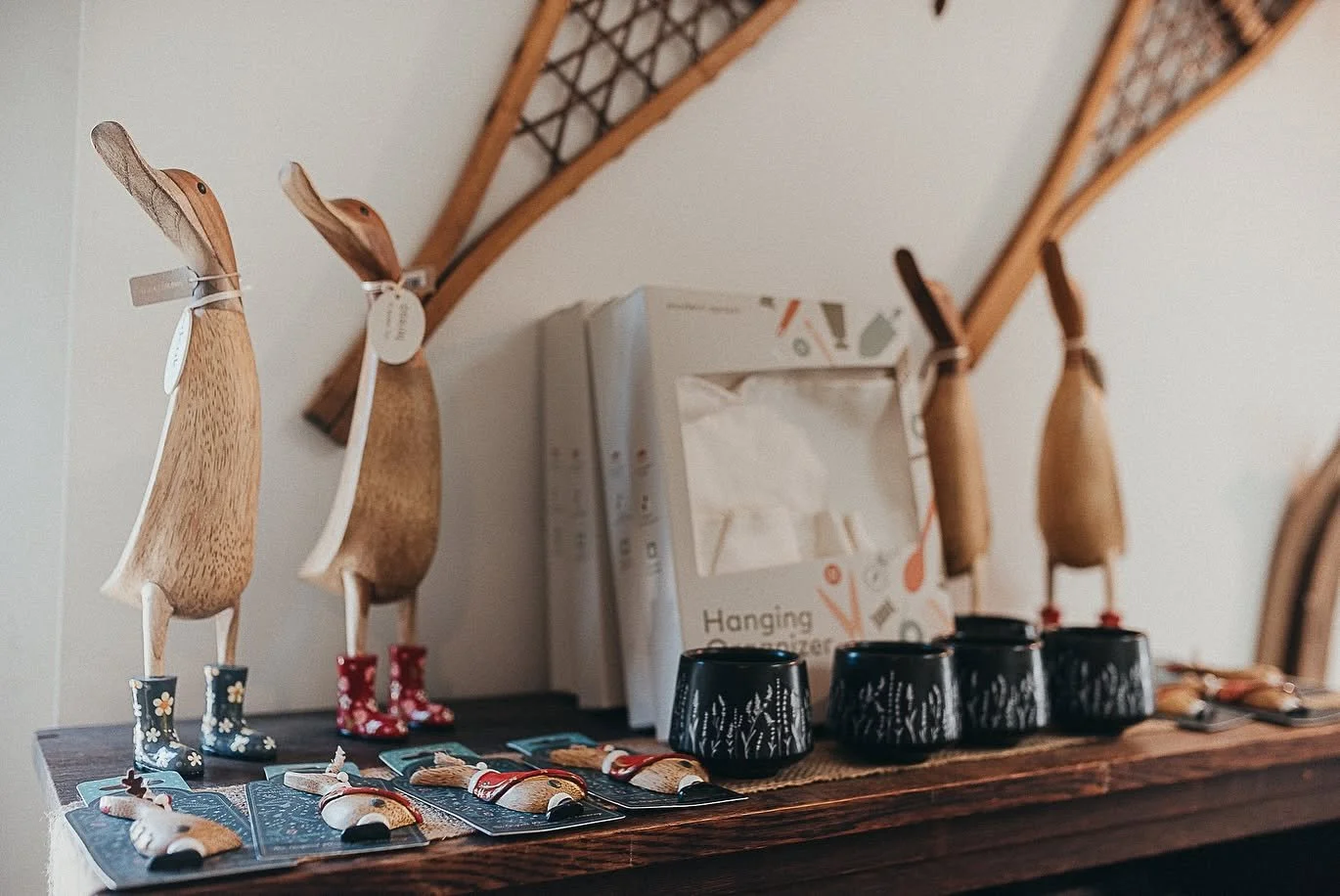
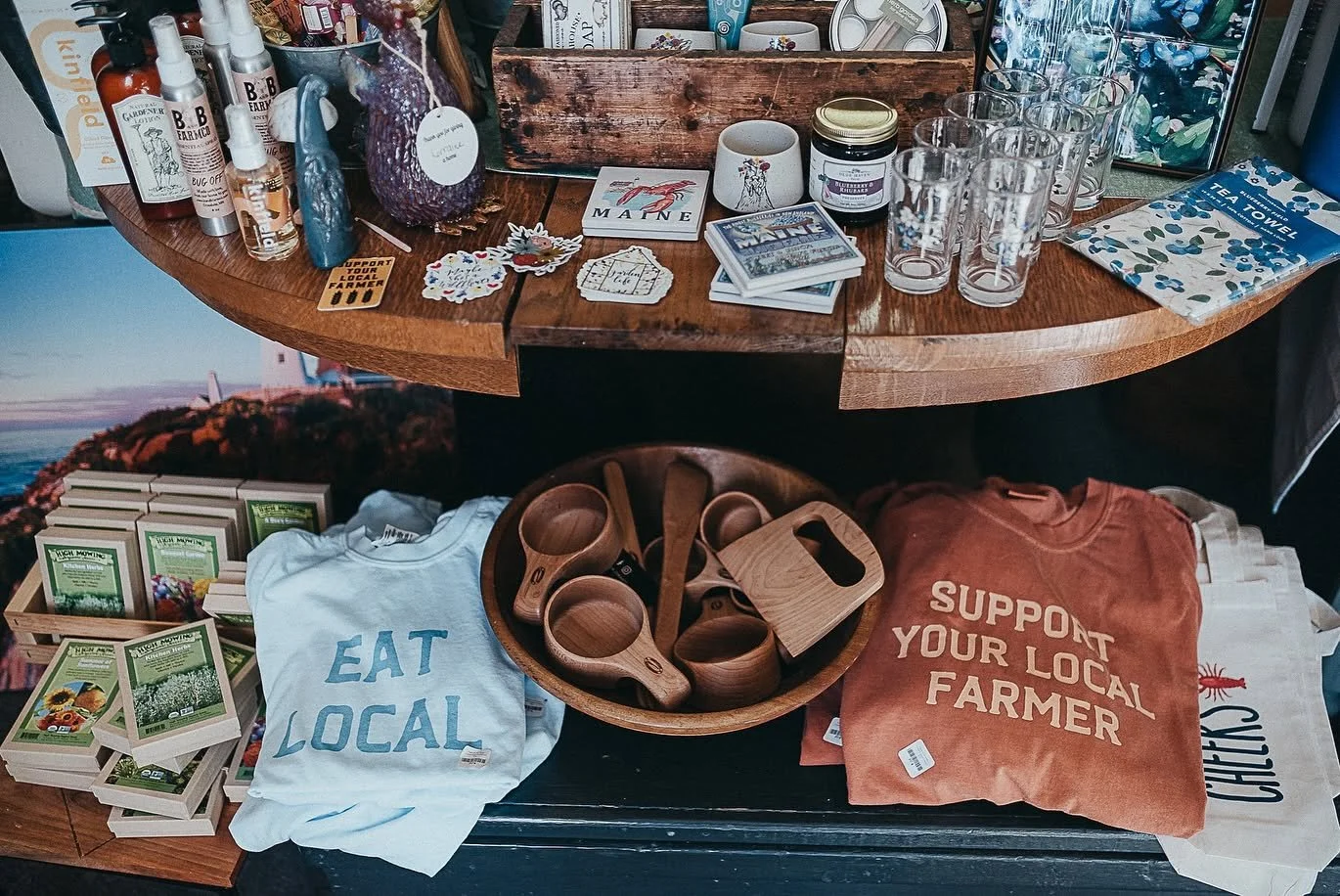
Sometimes that requires clean, detailed images that allow a customer to understand an individual item clearly, while other photographs should show products within the visual environment of the store, where texture, scale, styling, and surrounding merchandise help create desire.
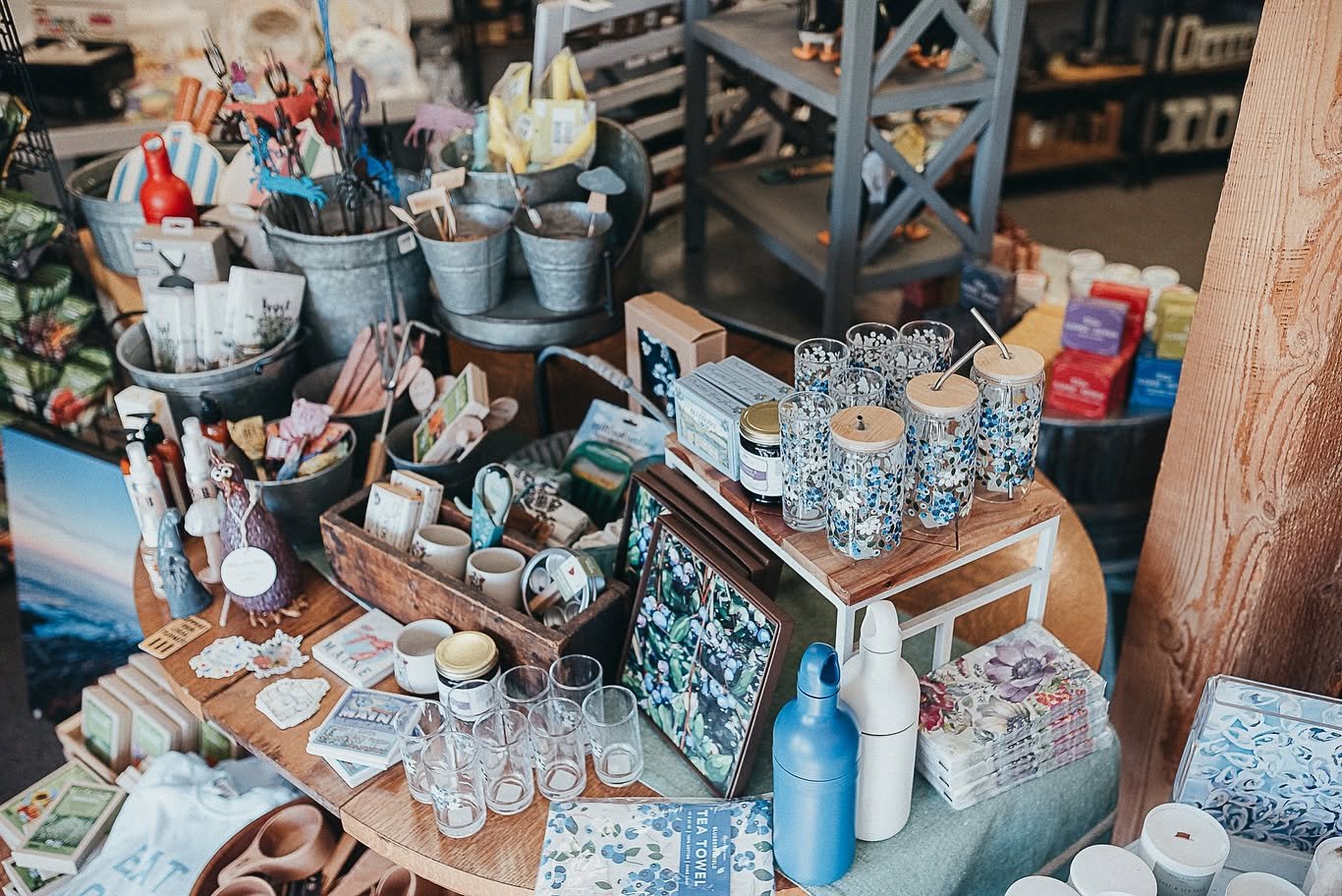
A beautiful cashmere sweater folded among complementary pieces communicates something different from the same sweater photographed in isolation. Ceramics arranged on old wood, jewelry displayed against carefully selected materials, garden goods surrounded by plants, or homewares styled within a thoughtful vignette begin to communicate taste as much as inventory.
For curated retailers in particular, the selection itself is part of the service.
Your photographs should demonstrate that somebody with judgment chose what is on those shelves.
Can the photographs be used for ecommerce?
Retail photography and ecommerce photography can overlap, but they solve different problems.
A traditional ecommerce image generally needs to communicate an individual product with consistency and clarity, while retail branding imagery can be much more atmospheric, contextual, editorial, and emotionally driven.
If ecommerce is part of the assignment, we can plan for both uses so that certain products receive cleaner individual coverage while the larger session creates the environmental imagery needed for your website, advertising, social media, editorial placements, and campaigns.
Knowing how the photographs will eventually be used allows me to create them intentionally rather than discovering afterward that a beautiful vertical photograph cannot fit the horizontal banner your website requires.
What makes someone want to visit a store rather than simply shop online?
Often, it is the promise of discovery.
Independent retail is particularly good at offering something the internet struggles to replicate: the pleasure of walking into a thoughtfully created environment without knowing exactly what you will find.
Photography can communicate that feeling.
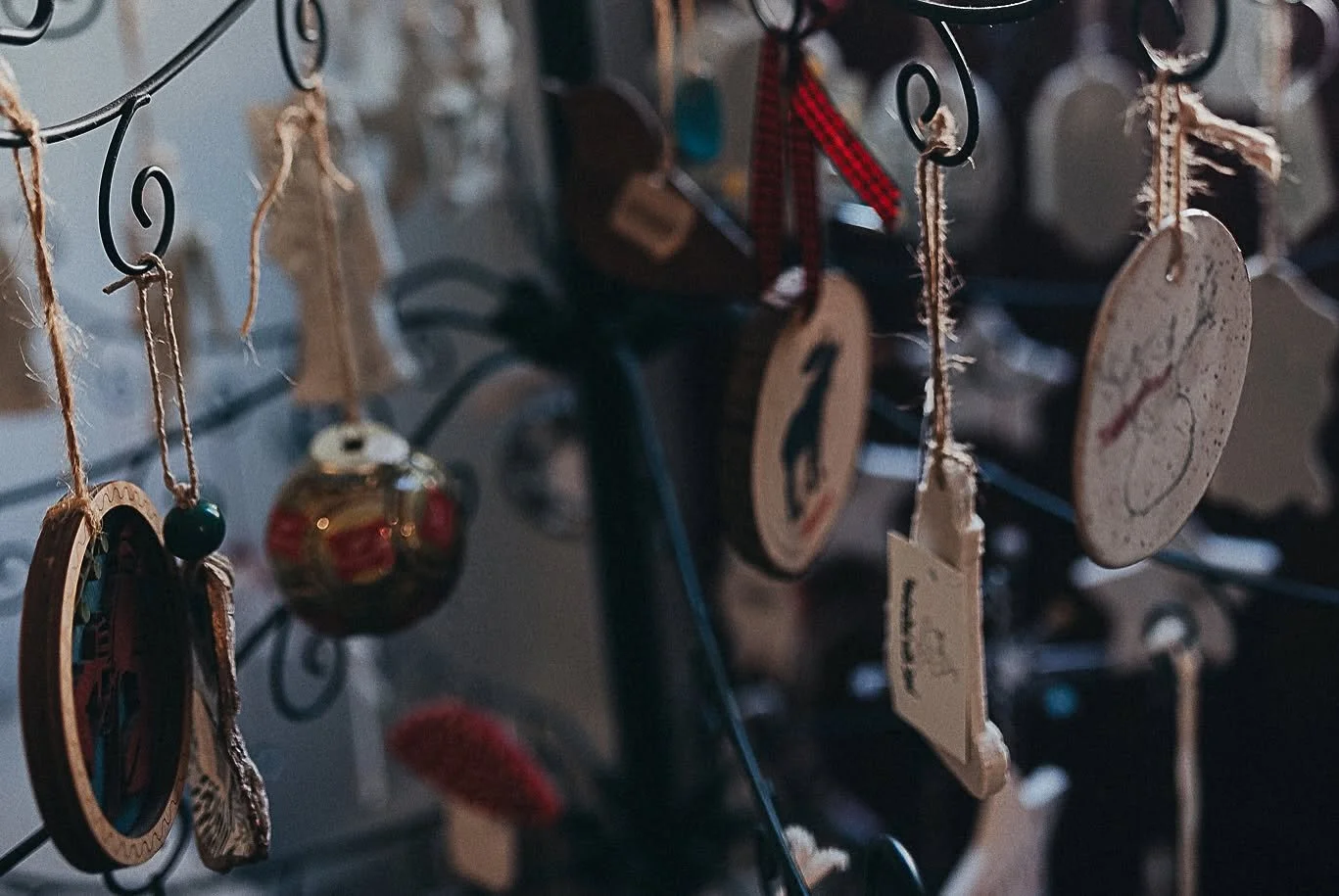
The stack of beautifully wrapped boxes behind the counter, sunlight across an old wood floor, an unexpected collection in the corner, a rack of exceptional clothing, fresh flowers beside the register, a handwritten sign, a carefully styled window, shelves filled with things someone clearly selected rather than algorithmically recommended.
Those photographs tell customers that visiting the store itself is part of what they are purchasing.
What if the store is small?
Small spaces can photograph exceptionally well because intimacy can become part of their character.
The objective is not to use photographic tricks to make a boutique appear three times larger than it actually is. Instead, I want to make the space feel intentional, navigable, interesting, and appropriately full.
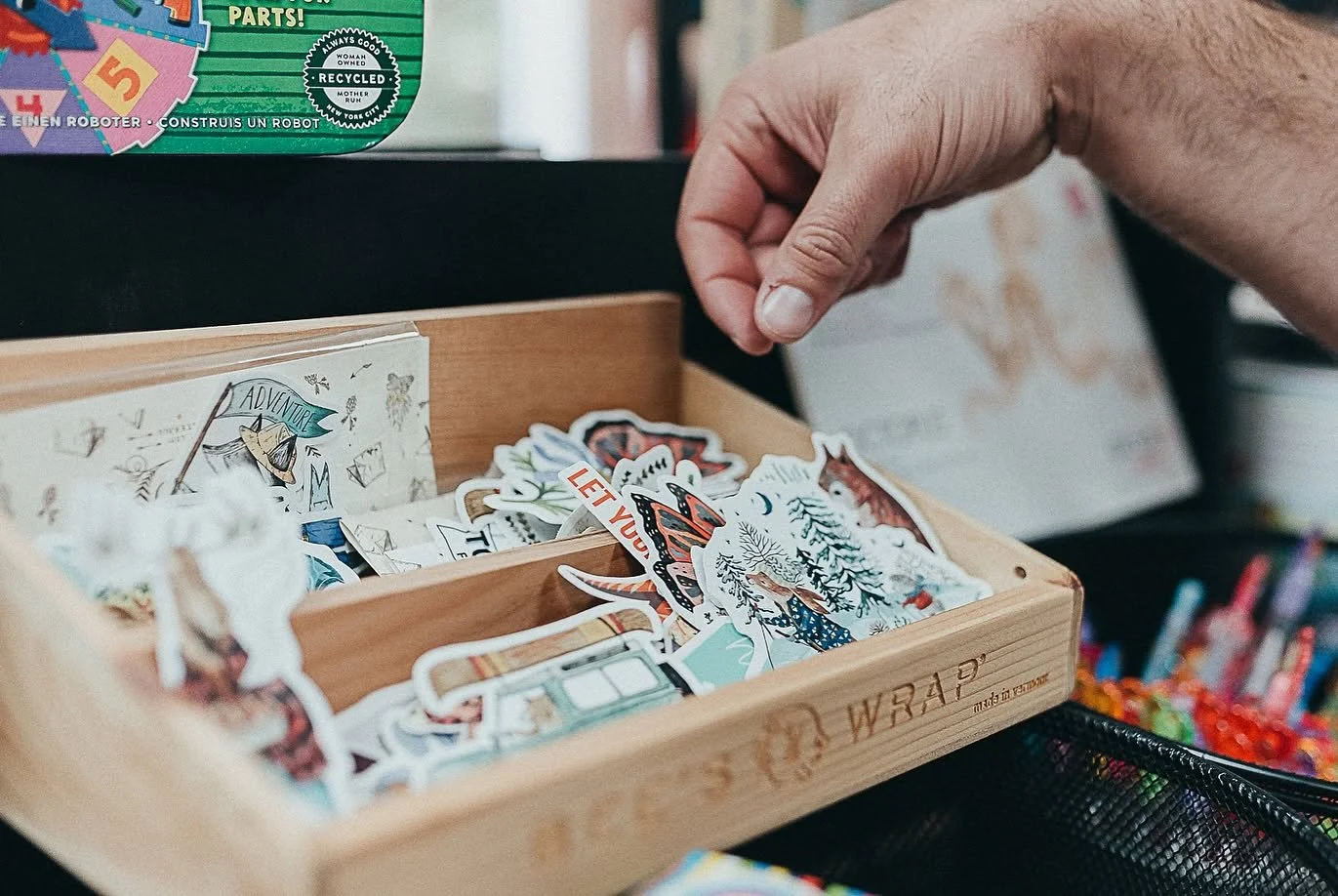
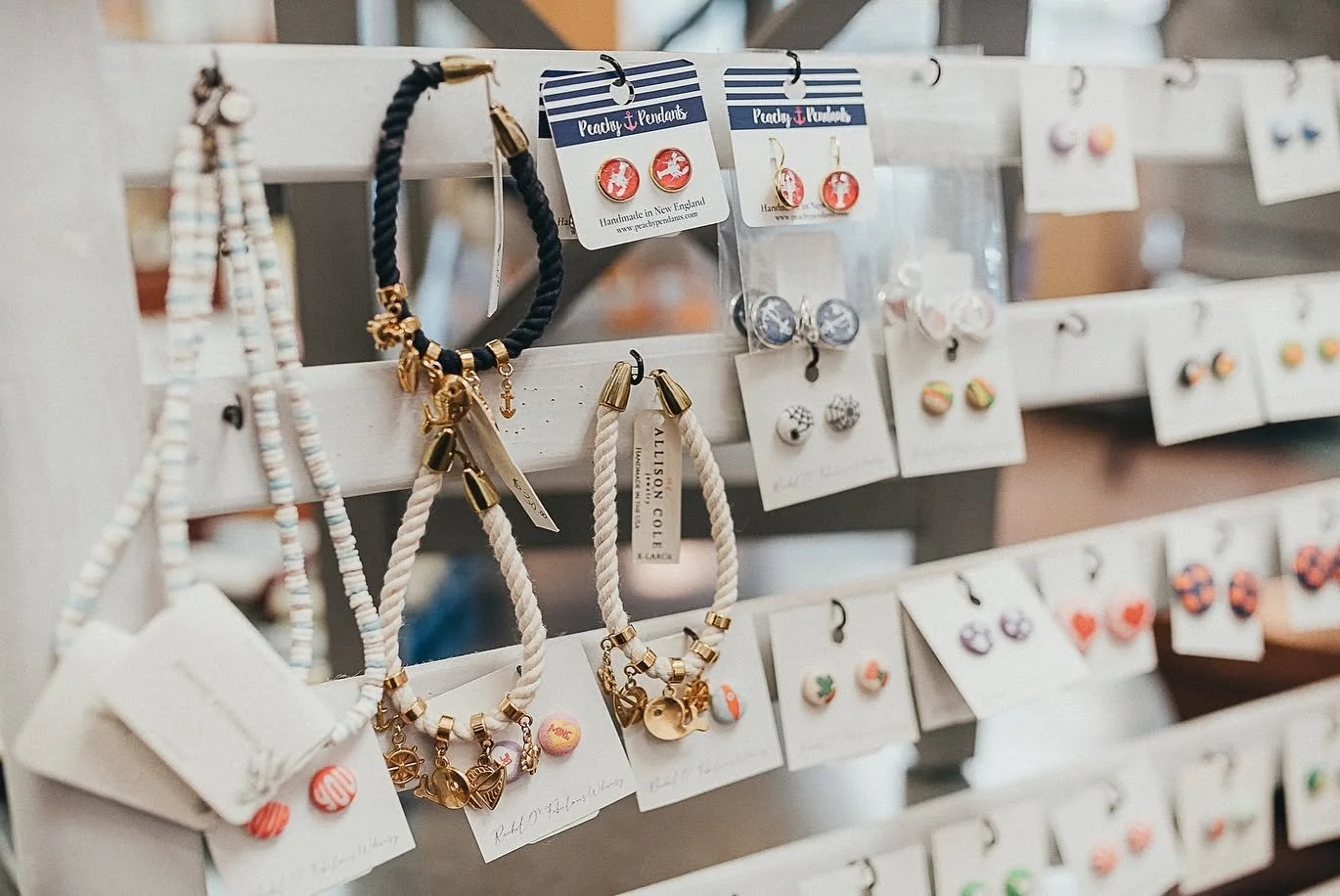
Wide photographs establish the environment, while closer compositions allow us to isolate beautiful sections of the store and create visual depth. Details become especially important because they reveal the care that may not be immediately apparent in a single wide photograph.
A tiny jewel box of a shop can be considerably more compelling than an enormous retail space when every square foot has a point of view.
What if the store changes constantly?
Then the photography can change with it.
Retail businesses are unusually dynamic because new inventory arrives, windows change, seasonal merchandise appears, holiday installations are created, flowers and landscaping evolve, collections launch, and entire sections of a store can look completely different within several months.
A foundational branding session can create the evergreen photographs you need throughout the year, while smaller seasonal sessions can document significant visual changes and provide fresh material for campaigns.
For Maine retailers in particular, seasonality can be enormously valuable. Summer tourism, fall, holiday shopping, winter, Mother's Day, garden season, and other periods can each have their own visual language without requiring the overall brand to reinvent itself.
What should you do before I photograph your store?
Think about the store as though your most important customer were arriving tomorrow morning.
Merchandise should be stocked and thoughtfully arranged, unnecessary boxes and paperwork should be removed, glass should be cleaned, burned out bulbs replaced, signage straightened, price tags checked, counters cleared of things that do not belong there, exterior areas tidied, and anything visually temporary reconsidered.
This does not mean sterilizing the store.
Registers, shopping bags, tissue paper, wrapping supplies, baskets, ladders, carts, tools, and other working elements may absolutely belong in the photographs when they are part of the character of the business.
The distinction is between evidence that people work there and visual clutter that accidentally distracts from what they have created.
What photographs does a retail business actually need?
More than most owners initially expect.
Your website may require horizontal banners, vertical mobile imagery, storefront photographs, interior photographs, merchandise, staff portraits, detail images, and photographs with enough negative space for text. Social media needs both vertical and square friendly compositions. Google and directory listings benefit from immediately understandable exterior and interior photographs, while press requests may require high resolution editorial imagery on very short notice.
Then there are newsletters, advertisements, event announcements, postcards, brochures, gift cards, shopping guides, tourism publications, seasonal campaigns, recruitment, signage, and collaborations with other businesses.
I photograph with those different uses in mind so that one carefully planned session can create a working image library rather than a folder containing dozens of beautiful photographs that all perform the same job.
What about holiday and seasonal retail displays?
They deserve to be photographed.
Retail displays are temporary creative work, and some businesses invest extraordinary amounts of time in windows, Christmas installations, floral displays, seasonal merchandising, exterior planters, and visual moments that disappear weeks later.
Photographing those installations provides immediate marketing material while also creating a historical archive of the business itself.
Five or ten years of those photographs can become surprisingly valuable, particularly when a business celebrates an anniversary, receives press attention, redesigns its space, expands, changes ownership, or eventually wants to tell the story of how it grew.
Can retail photography help a store feel more established?
Photography cannot manufacture substance that does not exist, but it can make sure existing substance is visible.
A beautifully designed independent store may have exceptional products, knowledgeable employees, thoughtful merchandising, and a loyal customer base while appearing remarkably ordinary online simply because nobody has documented those qualities properly.
Professional imagery creates consistency between the experience someone sees online and the experience waiting behind the door.
For businesses serving a higher value customer, that alignment becomes particularly important because every visual touchpoint contributes to expectations about quality.
If the store is meticulous, the photography representing it should be meticulous too.
The best retail photographs should make someone want to walk through the door.
That is ultimately the standard I use.
I want someone looking at your photographs to notice the beautiful products, certainly, but I also want them wondering what is around the next corner, what else is on the rack, who chose those objects, whether there is another room upstairs, what the store smells like, and whether they should stop there the next time they are nearby.
Because an exceptional independent retailer is not simply a physical container for inventory.
It is a point of view expressed through objects, people, architecture, service, display, and atmosphere, and all of those elements together are what distinguish a memorable shop from somewhere that simply sells things.
My job is to translate that experience into photographs so that the customer begins experiencing your store before they ever open the door.
The Beaux & Arrows Collective
Retail + Commercial Photography by Rebecca Pinkham Stevenson
Storefronts • Interiors • Merchandise • Owners + Teams • Lifestyle Imagery • Seasonal Campaigns • Brand Libraries
Photograph the experience. Not just the inventory.