
Shopping in Boothbay Harbor Is Part of the Maine Experience

Retail and storefront photography for boutiques, galleries, jewelers, makers, home shops, specialty retailers, and independent businesses throughout the greater Boothbay Harbor region & Beyond
In Boothbay Harbor, a storefront has an unusual job to do.
It is not simply competing with the shop next door. It is competing for a place in someone's day.
A visitor may have come to the Boothbay region for the harbor, a sailing trip, a summer house, a wedding, a garden visit, dinner, a weekend away, or a family vacation. Somewhere between breakfast and getting back on the boat, they begin deciding where to wander, which streets to explore, which businesses look interesting enough to enter, and which places they want to remember before leaving Maine.
Often, that decision begins on a phone.
They may find your business while searching for places to shop in Boothbay Harbor, through a hotel recommendation, social media, a tourism guide, Google, a magazine article, another local business, or simply while trying to decide what to do that afternoon. As I wrote in my broader approach to retail photography, customers can encounter a store through dozens of channels before ever standing in front of it, and within seconds the photographs representing that business begin influencing whether it feels worth visiting.
For an independent shop in a destination community, that first visual impression carries tremendous weight.
I am Rebecca Pinkham Stevenson, founder and Creative Director of The Beaux & Arrows Collective, and I create retail and commercial photography for businesses throughout Boothbay Harbor and the surrounding Midcoast region with a particular interest in the things that make independent Maine retail worth seeking out in the first place: beautiful storefronts, distinctive merchandise, thoughtful owners, historic architecture, seasonal displays, craftsmanship, personal service, and the sense that there may be something wonderful inside that you would never have found by scrolling through an enormous online marketplace.
The objective is not simply to make your store look beautiful.
It is to make someone want to come find it.
Why does professional photography matter so much for a Boothbay Harbor business?
Because in a tourism driven community, many potential customers have an unusually short relationship with the area.
Someone who lives nearby may pass your storefront repeatedly and eventually wander inside. A visitor staying in the region for three days does not have that luxury. You may have only one opportunity to become part of their itinerary.
That changes the purpose of your photographs.
They need to answer practical questions quickly enough that someone understands what kind of business you are, while simultaneously creating enough curiosity that they want to experience it themselves.
What do you sell? What does the store feel like? Is it beautifully curated? Is it casual, luxurious, artistic, traditional, contemporary, distinctly Maine, or something entirely its own? Is there something here that would make an extraordinary gift? Could they find something for their home? Is this the sort of place where they should bring their mother, husband, children, houseguests, or friends?
Good retail photography begins answering those questions before the customer reaches your door.
Your storefront may be one of your most important advertisements.
In a walkable harbor community, the exterior of a business matters enormously.
People are continually making tiny decisions as they move through town. They look down a street, notice a sign, see an interesting window, recognize a building from something they saw online, or stop because flowers, merchandise, lighting, architecture, or a beautifully considered entrance caught their attention.
That is why I treat the storefront as part of the brand rather than simply taking one obligatory photograph of the building.
I am looking at the sign, windows, doorway, architecture, planters, landscaping, reflections, merchandise visible through the glass, pedestrian activity, neighboring visual distractions, and the direction of the light. Those details substantially influence whether a storefront feels established and inviting in photographs.
For Boothbay businesses in particular, the surrounding environment can also become an asset. A shop does not need to erase its sense of place in order to appear sophisticated.
Quite the opposite.
If the building, street, harbor atmosphere, weathered materials, seasonal flowers, historic architecture, or neighboring landscape helps tell customers that this business belongs here, I want to preserve that character.
Should your photographs feel “coastal Maine”?
Only if your business actually does.
There is a difference between having a genuine sense of place and forcing every Boothbay business into the same visual vocabulary of anchors, lobster buoys, navy stripes, and nautical props.
A contemporary gallery should be allowed to look contemporary.
A sophisticated clothing boutique should look like a sophisticated clothing boutique.
A jeweler, antiques dealer, bookstore, home shop, florist, maker, children's store, specialty food retailer, or garden business should have imagery built around its own identity rather than being visually flattened into a generic idea of what tourists expect Maine to look like.
The Boothbay region provides the context.
Your business provides the personality.
My job is to make the two feel as though they naturally belong together.
How do you photograph a shop so someone wants to walk inside?
By giving them just enough information without showing them everything.
Independent retail is partly about discovery.
There is pleasure in walking through a door without knowing exactly what will be on the next shelf, around the corner, hanging on the back wall, tucked into an antique cabinet, or displayed upstairs.
That experience is something online shopping cannot reproduce particularly well.
Photography should take advantage of it.
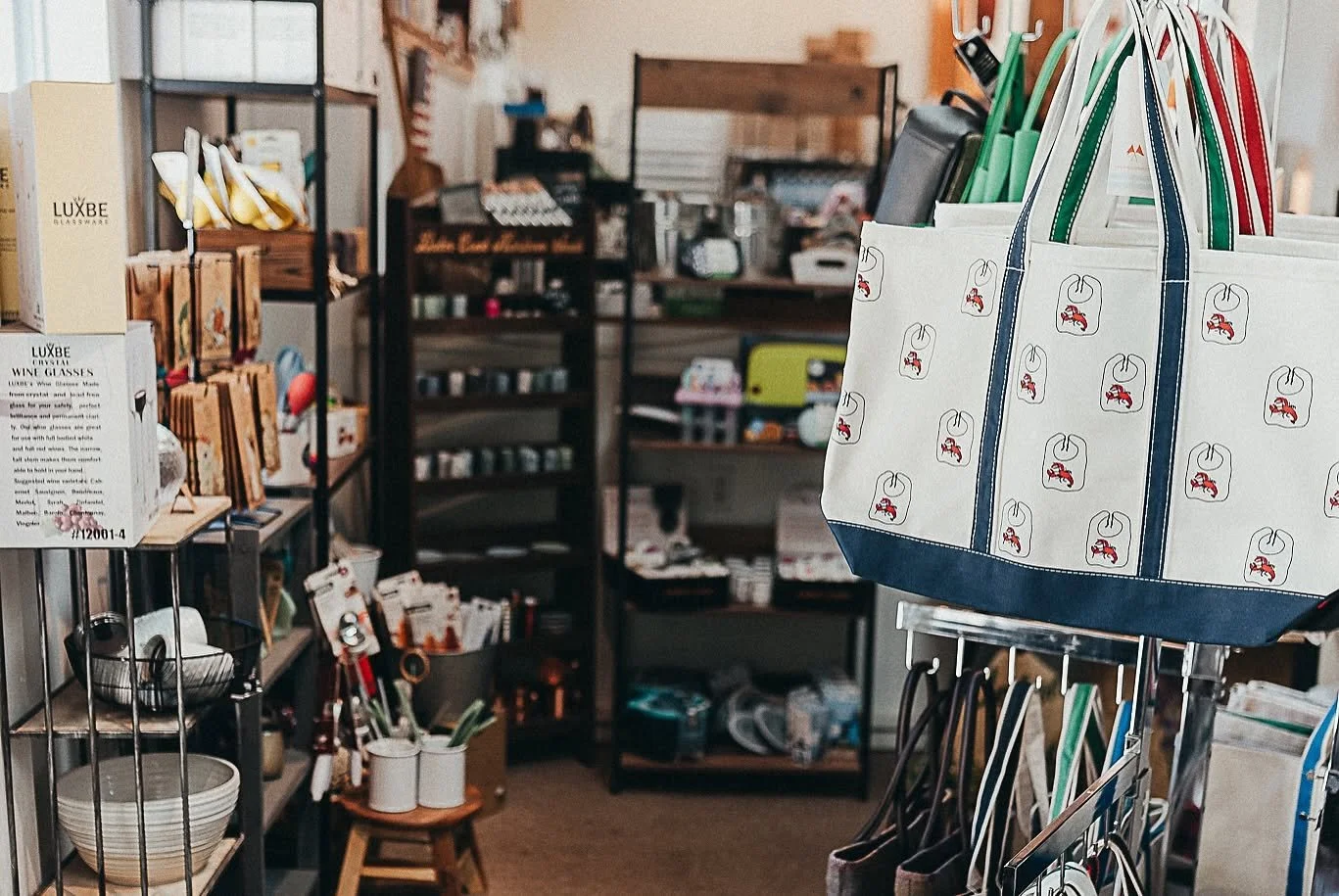
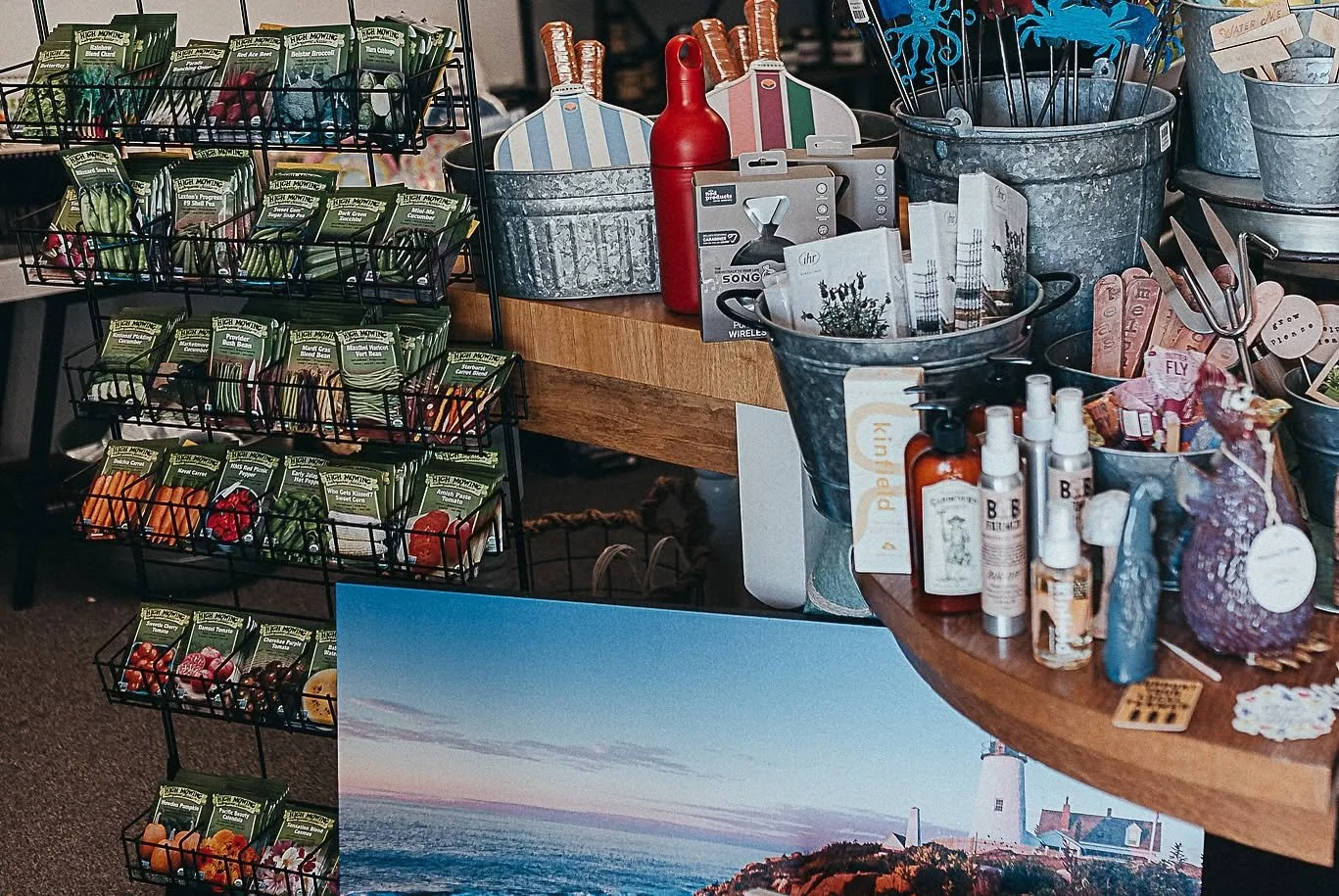
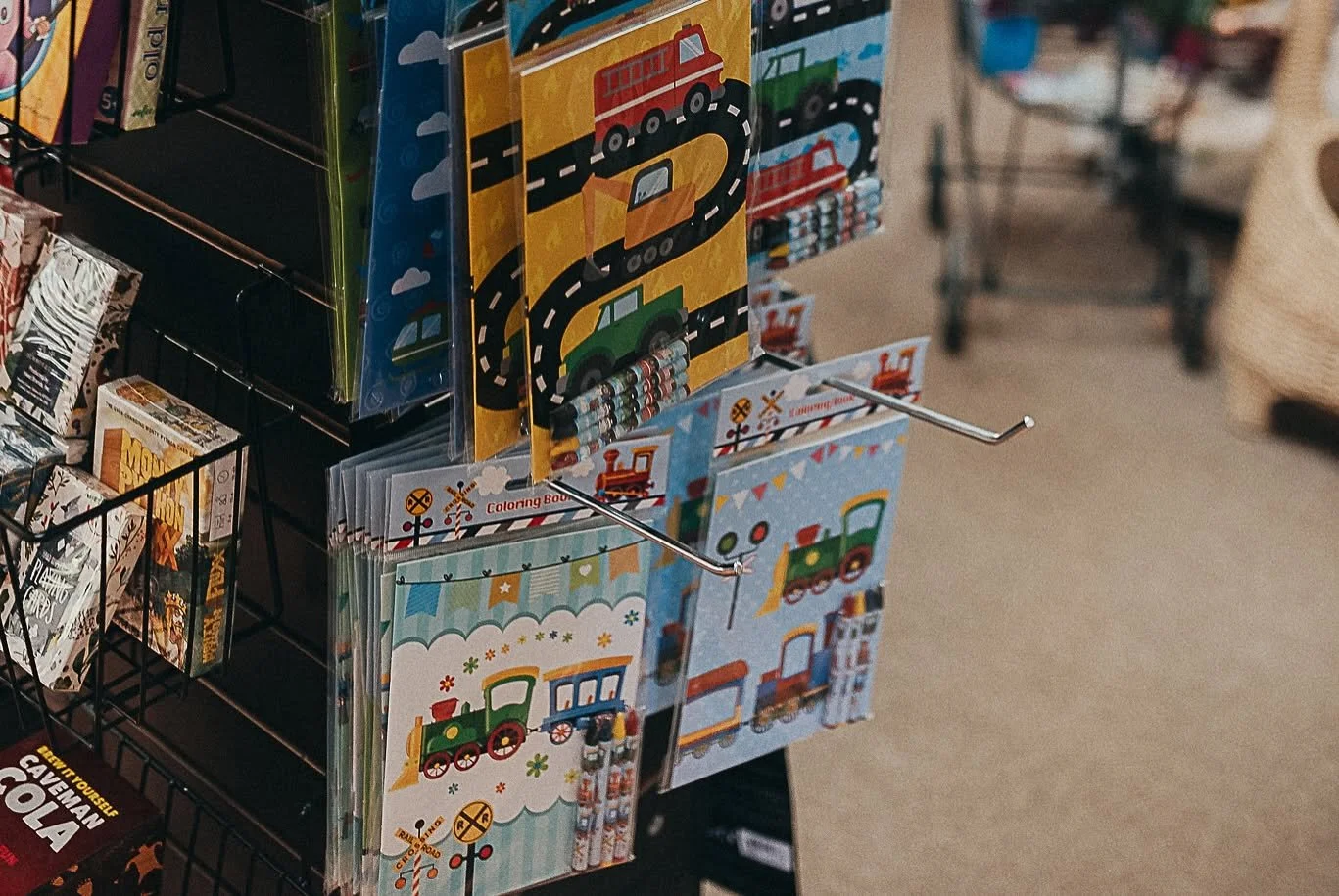
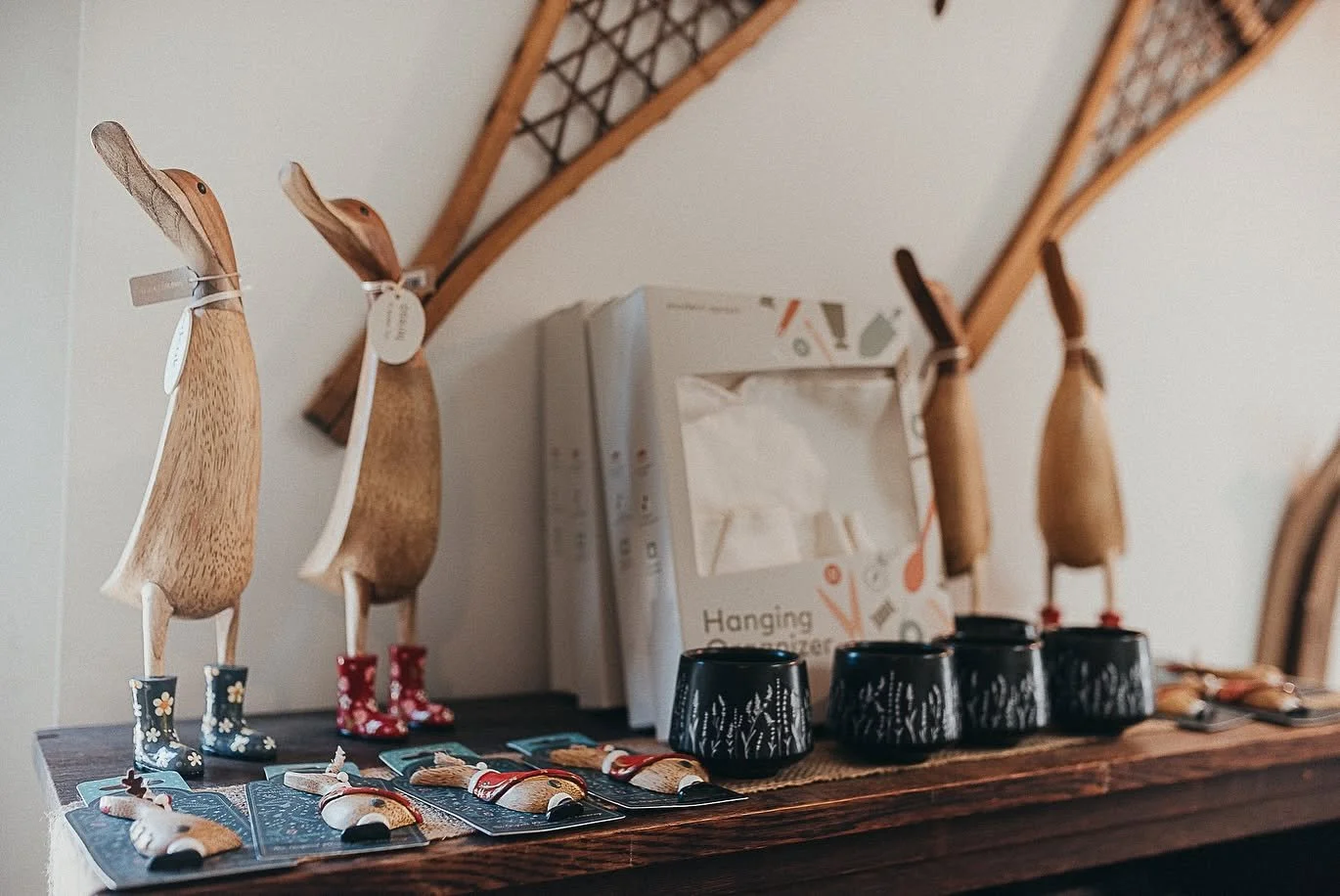
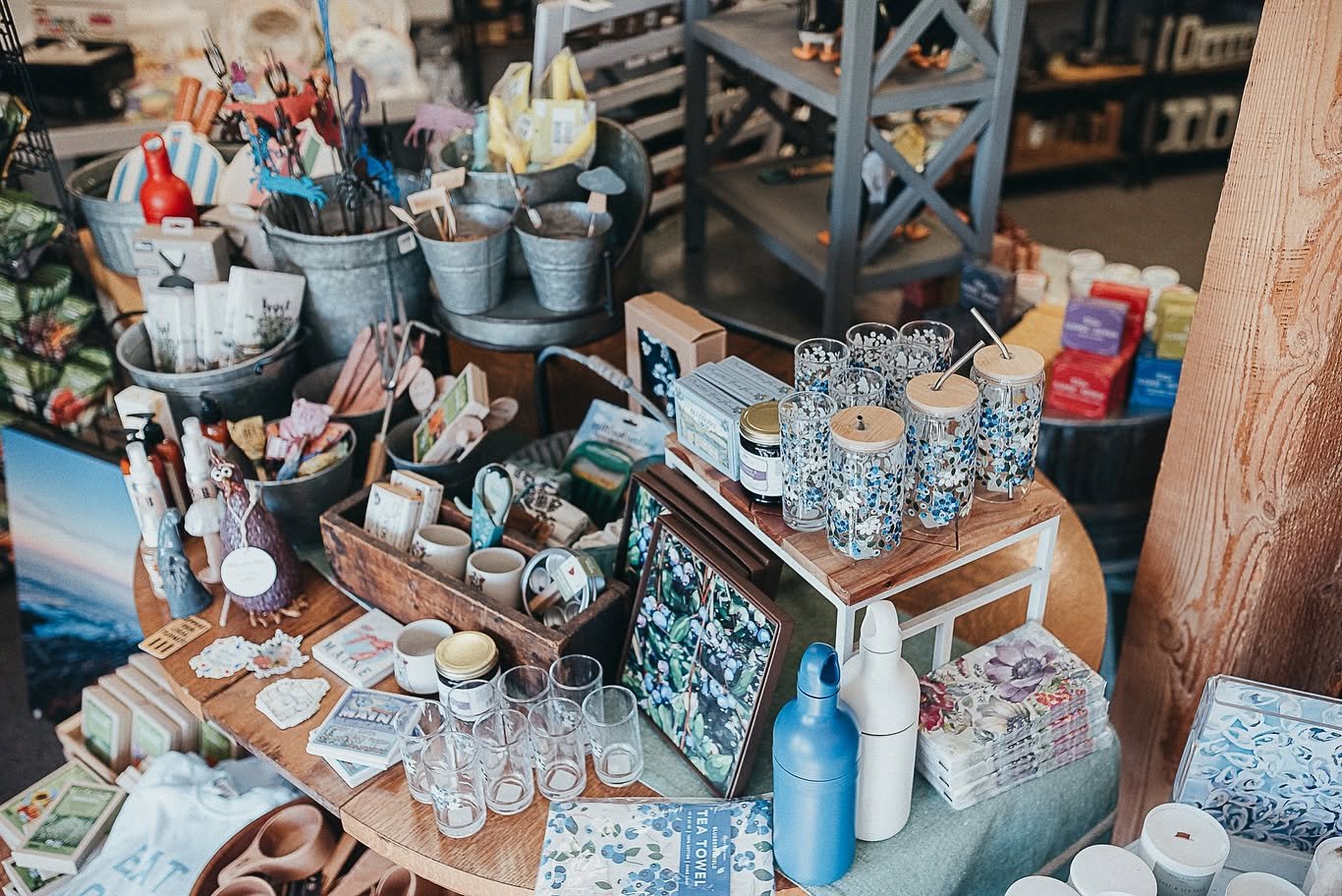
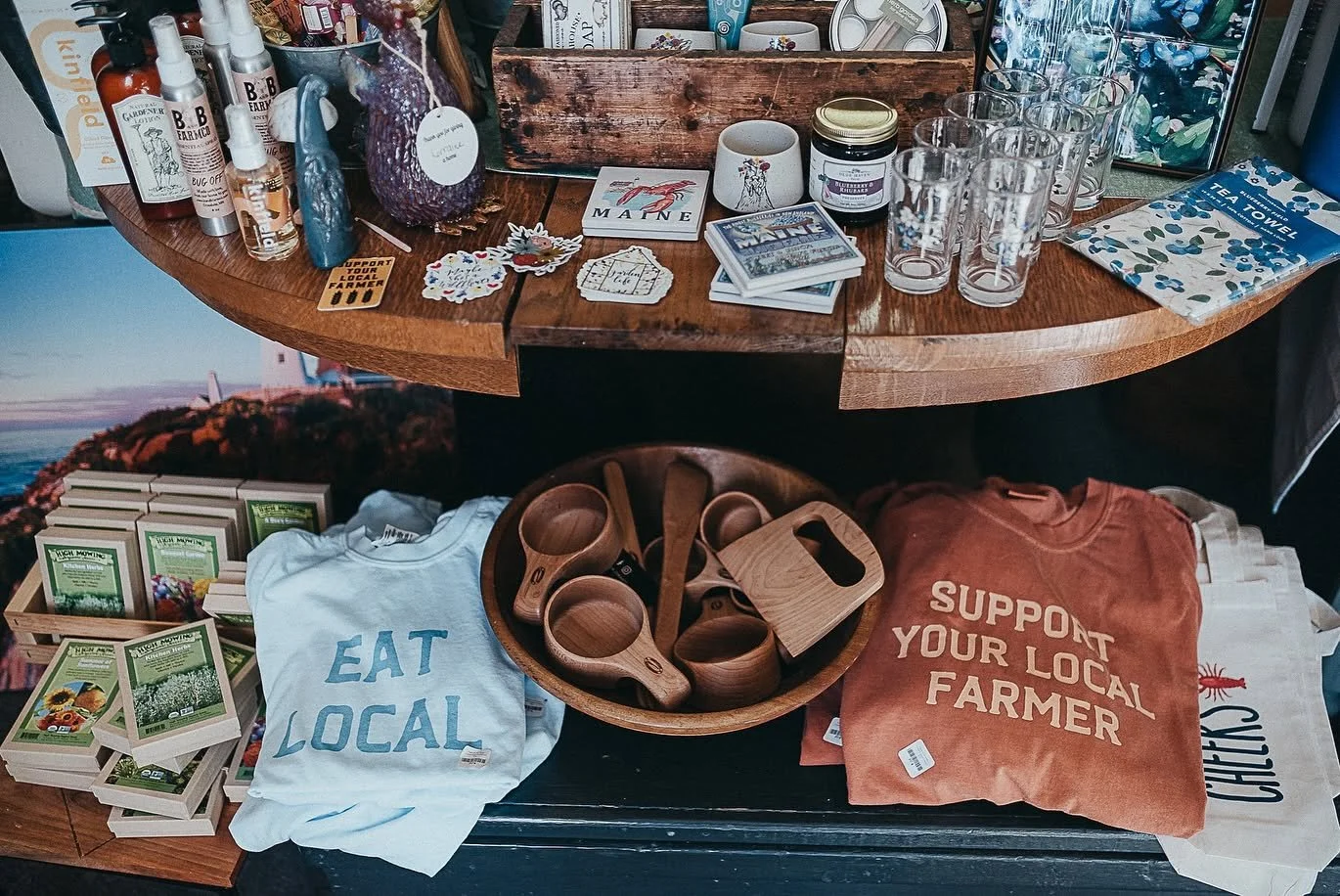
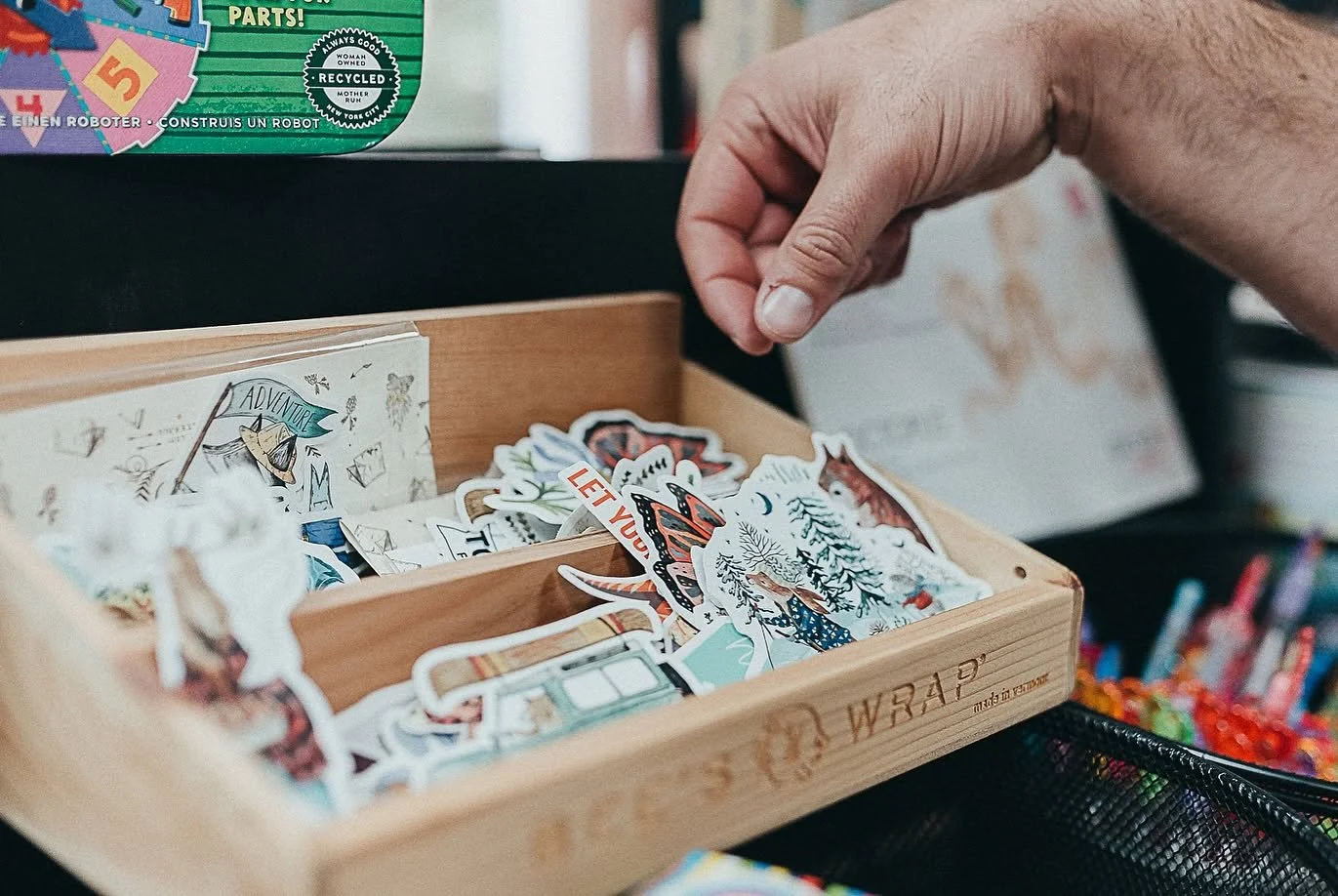
I want the wide photograph that establishes the store, but then I want layers: merchandise in the foreground with another room visible beyond it, an interesting collection partially revealed around a corner, sunlight falling across the floor, beautifully wrapped purchases near the register, an exceptional piece isolated within a larger display, or a glimpse through the front window that makes someone curious about what else is inside.
The photographs should explain the business without completely satisfying the curiosity.
You still want the customer to come looking.
What if your shop is tiny?
Then I want to photograph it like the little jewel box it can be.
Small independent shops can be extraordinarily compelling because every square foot can carry the owner's point of view. There may be less space, but there is often more concentration of personality.
I am not interested in using an extremely wide lens to make a small shop falsely appear enormous. Customers will eventually arrive and discover its actual scale anyway.
Instead, I want the space to feel intimate, intentional, navigable, beautifully full, and worth exploring.
As with my broader retail work, wide photographs can establish the environment while closer compositions isolate particularly beautiful areas and reveal the care that is difficult to communicate in a single room photograph.
Small does not have to look lesser.
Sometimes small is exactly what makes a shop memorable.
What if you sell things customers can buy online somewhere else?
Then the photography needs to communicate why they should buy them from you.
For a curated retailer, merchandise selection is part of the expertise.
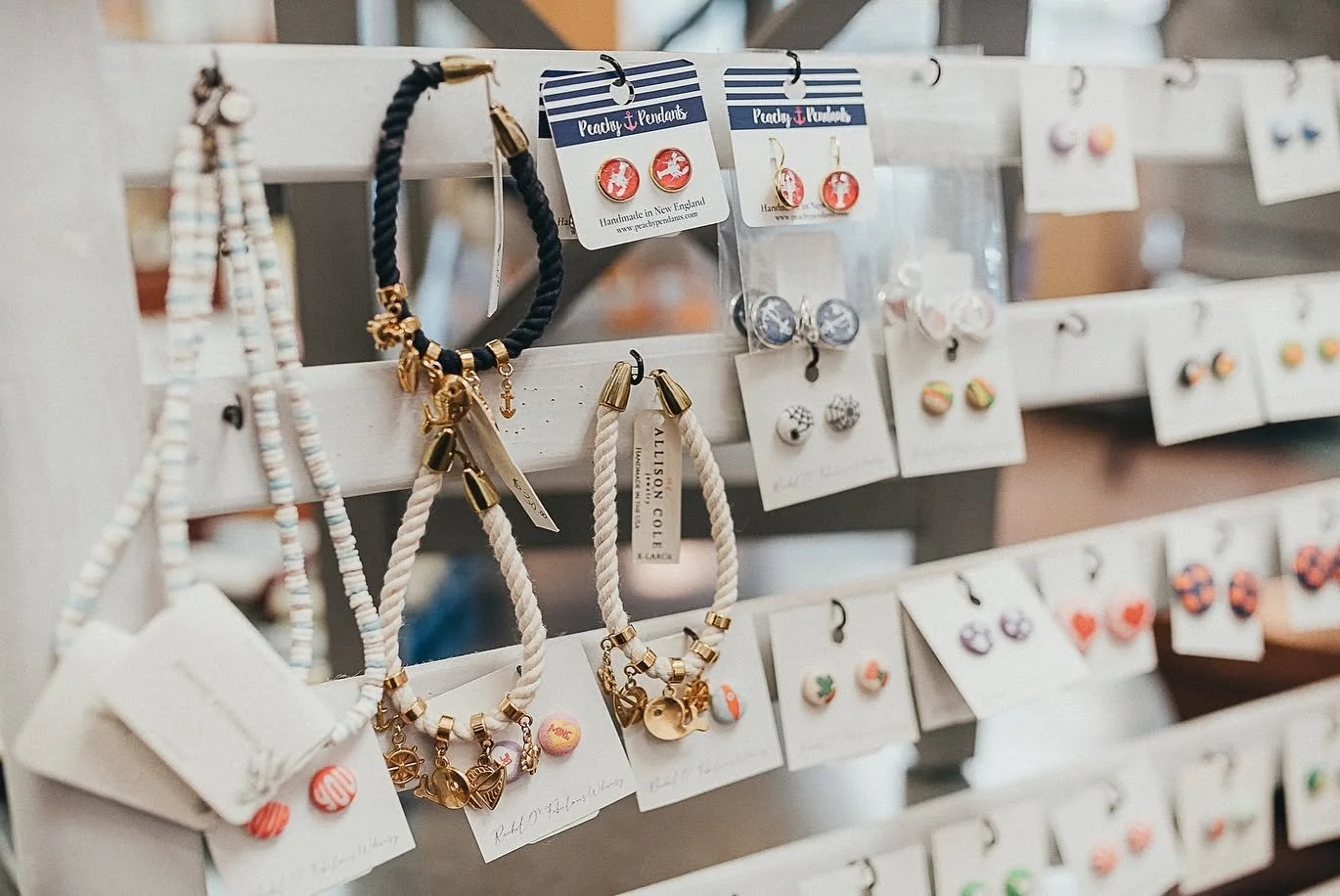
Someone decided which sweater deserved rack space, which ceramics belonged together, which maker to carry, which jewelry was worth presenting, which books should be on the table, or which objects would appeal to the people who walk through that particular door.
That judgment has value.
A beautiful sweater photographed in isolation tells me what the sweater looks like. The same piece thoughtfully merchandised inside your store begins telling me something about your taste.
That distinction is especially important for independent retailers because the store itself can become part of the product.
Your customers are not simply purchasing an object.
They may also be purchasing the pleasure of discovering it in Boothbay Harbor.
Should the owner be in the photographs?
For many independent Boothbay businesses, absolutely.
The person behind a store can be one of the strongest reasons to shop there.
Perhaps you have been selecting merchandise for thirty years. Perhaps you know the story behind every artist represented in your gallery. Maybe you make what you sell, know exactly how something should fit, remember returning customers by name, wrap gifts beautifully, source objects from places your customers would never know how to find, or opened the store because you believed this community was missing something.
That is part of the business.
Your portrait does not necessarily need to look like a corporate headshot. I may photograph you arranging a window, unpacking a shipment, helping someone choose something, wrapping a purchase, working at the counter, standing in your doorway, or simply moving naturally through the place you created.
Those photographs can support About pages, social media, press features, newsletters, business anniversaries, collaborations, tourism features, and community stories.
People remember people.
Independent retail has an enormous advantage there.
What if you carry Maine made products or work by local artists?
Then the makers deserve to be visible too.
When appropriate, photography can establish the relationship between the store and the people whose work appears inside it.
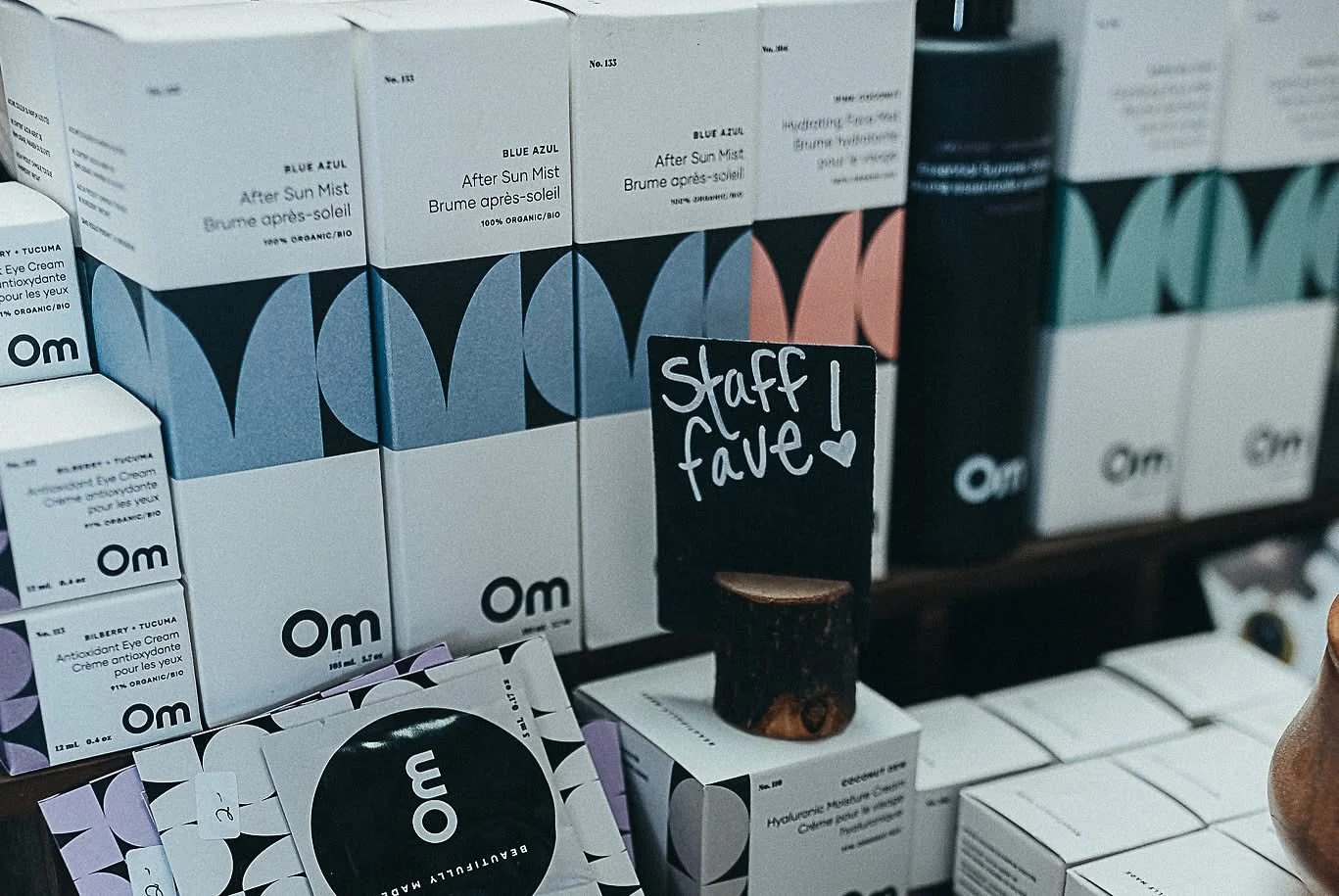
That might mean detailed photographs of craftsmanship, artist displays, maker information, packaging, materials, signatures, collections, or occasional portraits and editorial imagery created around featured artists.
If a customer understands that something was made by a real person, selected by another real person, and discovered inside an independent Maine business, the object acquires context that a product thumbnail rarely provides.
That story can become especially valuable when promoting new collections, artist events, trunk shows, openings, limited releases, or holiday gift selections.
What about businesses that depend heavily on summer visitors?
Then I would not wait until August to think about photographs.
Your foundational image library should be ready when customers begin planning their Maine trips and when hotels, publications, tourism resources, wedding professionals, concierges, and other businesses begin deciding what they will recommend.
That library should contain enough variety to support your website, search presence, social media, press inquiries, advertising, printed collateral, collaborations, and seasonal promotions without requiring you to continually search through your phone for something acceptable to post.
The strongest photographs should not all perform the same job, either.
A beautiful horizontal storefront image may be ideal for a website header. A vertical photograph showing someone walking through the doorway may work beautifully for social media. A clean photograph of the owner may accompany a magazine feature, while a detail of merchandise with negative space can support an advertisement or announcement.
That is why I photograph retail businesses as a working visual library, not simply a collection of pretty pictures.
What happens when your store changes constantly?
We use that change rather than fighting it.
Retail is wonderfully alive.
New merchandise arrives. Windows are redesigned. Flowers change. Clothing collections shift. Artists rotate. Summer gives way to fall. Holiday merchandise appears. Exterior planters change. Displays are dismantled and rebuilt. Entire sections of a store can look different within weeks.
Your photography can have an evergreen foundation while still allowing seasonal updates.
For a Boothbay area business, that can be particularly useful because the visual character of the region changes so dramatically through the year. A shop photographed during the height of summer may communicate something completely different when decorated for the holidays or photographed during quieter shoulder season.
Your brand should remain recognizable.
The photographs around it can continue evolving.
Should your holiday windows and seasonal displays be professionally photographed?
If you put significant creative effort into them, yes.
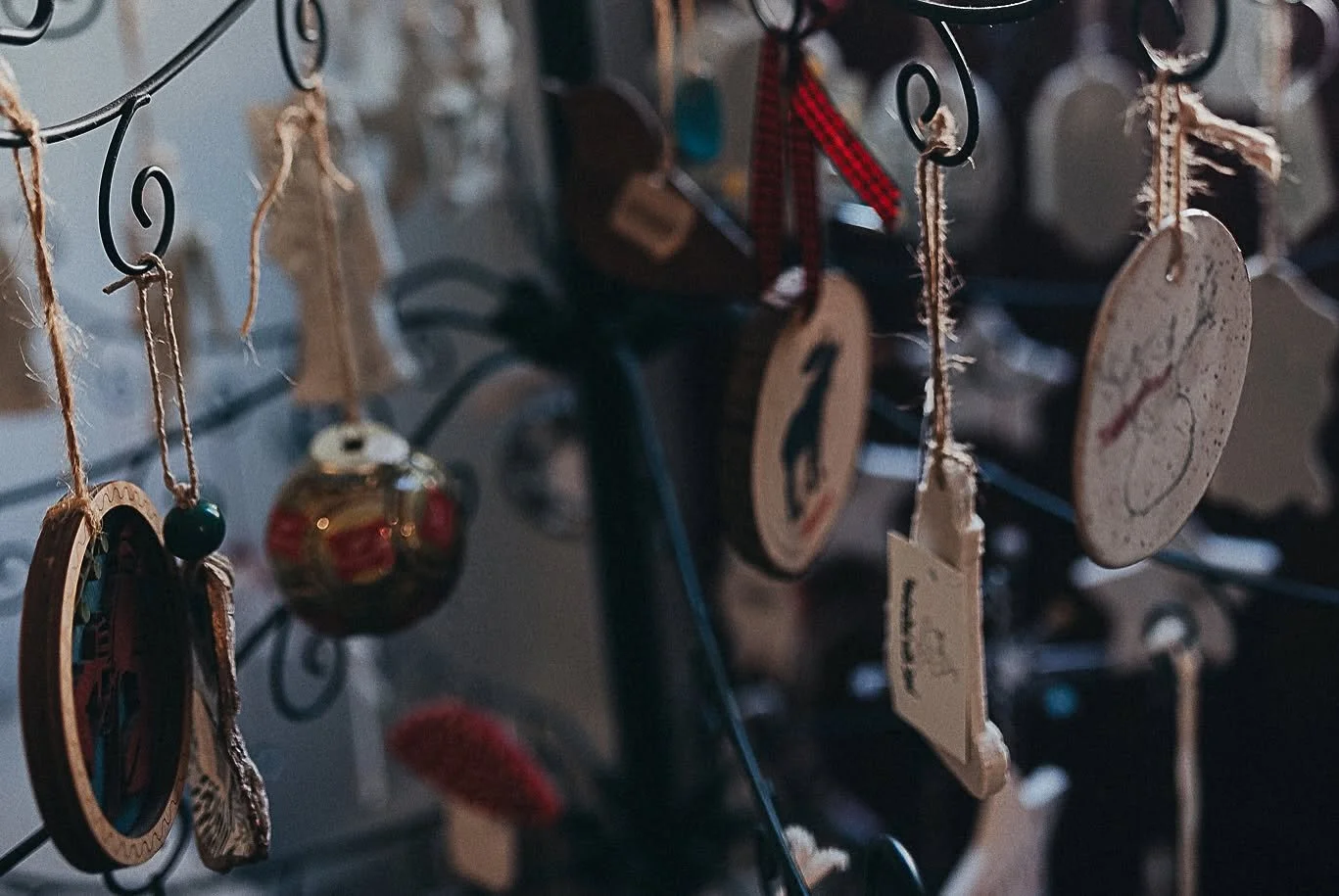
A beautiful retail display is temporary creative work.
Someone planned it, sourced it, built it, arranged it, adjusted it, lit it, and eventually dismantled it.
Professional photographs provide immediate marketing material while also preserving the history of the store itself. Over several years, that archive can become surprisingly valuable for anniversaries, press, retrospectives, advertising, social content, and simply documenting how the business evolved.
There is also something wonderful about creating photographs of a Maine storefront through different seasons.
Eventually, you are not merely building a marketing library.
You are creating a visual history of the business.
What if you want to attract a more affluent customer?
Then the photographs need to communicate quality without trying too hard to prove luxury.
Luxury retail photography does not require gold lettering, champagne glasses, or obvious status symbols.
It requires restraint.
Beautiful light. Excellent composition. Thoughtful merchandising. Clean visual relationships. Materials that can almost be felt through the photograph. Details shown carefully enough that craftsmanship becomes visible. An environment that appears calm, intentional, and confident in what it offers.
If your customer is accustomed to quality, they are also accustomed to recognizing when something has been presented poorly.
That is why the visual standard of the marketing should correspond to the standard of the store.
If you have spent years developing exceptional taste, sourcing beautiful merchandise, creating an extraordinary space, and building a reputation for service, the photographs representing the business should not make it look ordinary.
What if your customers are summer residents rather than tourists?
That distinction matters.
A summer resident, seasonal homeowner, yacht owner, wedding guest, day visitor, and first time tourist may all walk through the same Boothbay Harbor storefront for completely different reasons.
Someone visiting for an afternoon may want a beautiful object that becomes part of their memory of Maine.
Someone who owns a home nearby may return throughout the season, need gifts for houseguests, furnish a property, refresh a wardrobe, collect work from particular artists, or develop a long term relationship with businesses whose judgment they trust.
Your photography should be sophisticated enough to speak to both.
It can retain enough sense of place to intrigue someone discovering Boothbay for the first time without making an established seasonal resident feel as though the store exists exclusively for tourists.
Can photography help hotels, inns, wedding venues, and other local businesses recommend you?
It can make you considerably easier to recommend.
When someone asks a concierge, innkeeper, wedding planner, property manager, restaurant owner, or another local business where they should shop, the recommendation may eventually lead to your website or social presence.
Professional photographs allow the experience they were promised to continue when they look you up.
That consistency matters.
If someone says, “You have to visit this shop,” your online presence should immediately show them why.
It also gives neighboring businesses better material when opportunities arise for collaborations, local shopping guides, press features, gift guides, events, visitor information, or other forms of cross promotion.
A strong commercial image library does not only serve your own marketing.
It makes your business easier for other people to talk about.
Do you need photographs when business is actually happening?
Sometimes, yes.
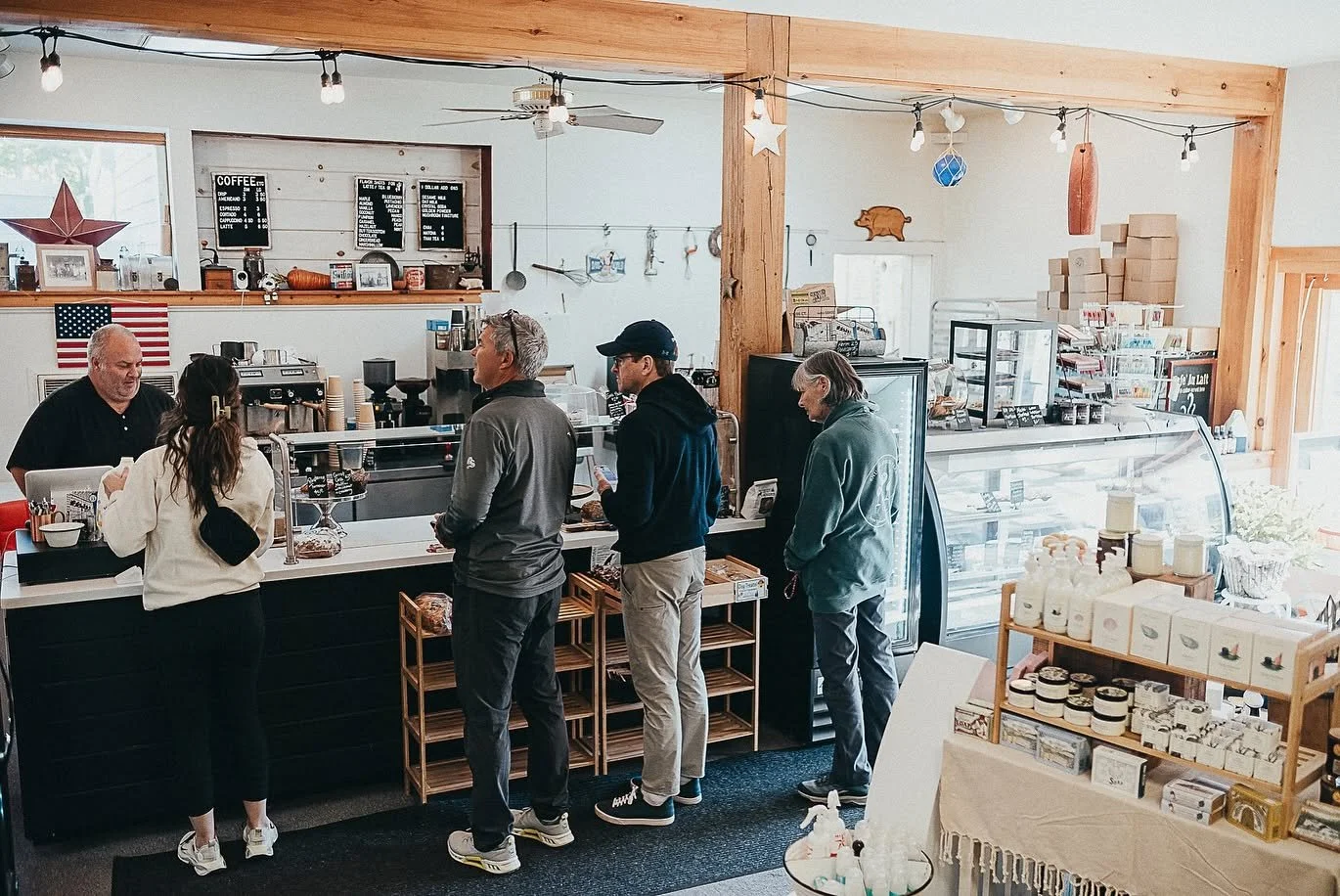
A beautifully photographed empty store establishes the design, but retail is ultimately about interaction.
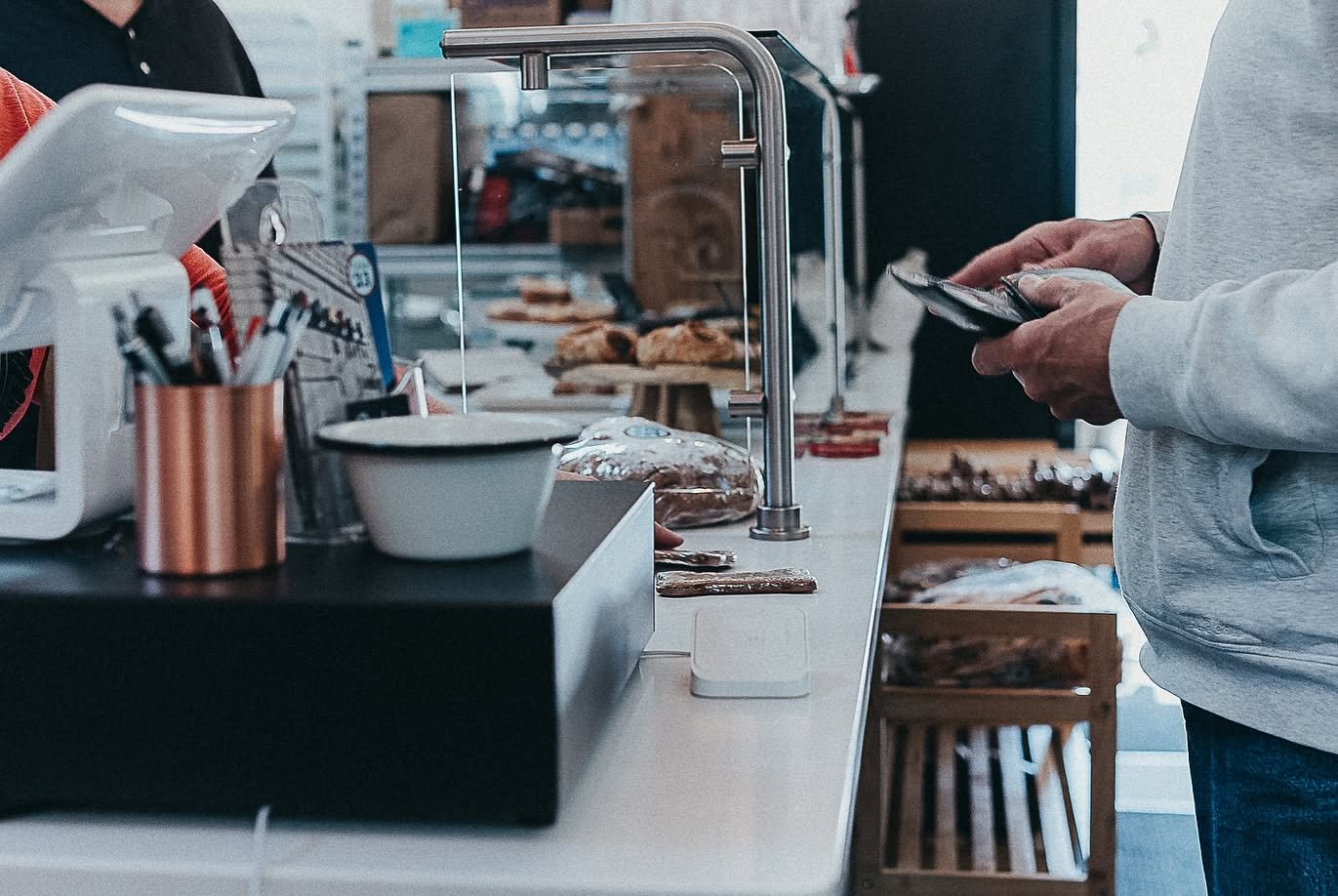
Hands examining an object, someone trying on a garment, a beautifully wrapped purchase crossing the counter, an owner talking with a customer, friends entering together, or a shopping bag being carried back toward the harbor can communicate what it feels like to participate in the business rather than merely observe it.
Those images can be created carefully so they feel natural and editorial rather than like stock photography.
The customer should be able to imagine themselves in the experience.
What should you do before your storefront is photographed?
Prepare it as though your most important customer is arriving.
Stock the merchandise you want represented. Finish the displays. Clean the windows. Replace burned out bulbs. Straighten signage. Remove shipping boxes and unnecessary paperwork. Consider what is visible through the windows from outside. Look at the entry. Check the sidewalk. Tend the planters. Remove anything temporary that has somehow become permanent because everyone stopped noticing it.
Then stop before the store loses its personality.
I do not want to sterilize a working business.
Shopping bags, tissue paper, ribbon, baskets, ladders, tools, wrapping stations, registers, handwritten notes, and the beautiful evidence of actual work can absolutely belong in the photographs.
The distinction is between character and accidental clutter.
The most successful Boothbay shops give visitors something they cannot order from an algorithm.
Discovery.
Taste.
Conversation.
A sense of place.
The pleasure of walking through a door because something in the window caught your attention and emerging twenty minutes later carrying something you had absolutely no intention of buying when the day began.
That is what I want the photographs to communicate.
I want someone looking at your business online to wonder what is around the next corner, what just arrived, who selected everything on those shelves, what the building looks like in person, whether there is another room they cannot quite see, and whether they should add your shop to tomorrow's plans.
Because the independent businesses of a place like Boothbay Harbor are not simply where visitors purchase things.
They become part of how people experience the community itself.
Years later, someone may still own the painting they discovered here, wear the piece of jewelry they bought during an anniversary trip, set the pottery on their table every summer, give their daughter the object they found while wandering through town, or return to the same store every July because visiting it has quietly become part of coming back to Maine.
That is considerably more interesting than inventory.
And that is what your photographs should sell.
The Beaux & Arrows Collective
Retail + Storefront Photography by Rebecca Pinkham Stevenson
Boothbay Harbor • Boothbay • East Boothbay • Southport • Edgecomb • Greater Boothbay Region
Boutiques • Galleries • Jewelers • Home + Garden • Apparel • Makers • Specialty Retail • Gift Shops • Antiques • Artisans • Independent Businesses
Storefronts • Interiors • Merchandise • Owners + Teams • Lifestyle Imagery • Seasonal Campaigns • Commercial Image Libraries
Give them a reason to walk through the door.





Farm 23, Boothbay Harbor | Captured 2025